

The 10 Most Unforgettable Quotes in Sports History
From Jordan's hard truths to Healy's cheeseburger dig, these legendary greats uttered 10 iconic quotes that turned out to be as memorable as their sporting achievements.

It’s rare for a gifted sports personality to be remembered as fondly for their off-field remarks as for their first-class performances on the field. However, those who do often leave us with soundbites that capture the emotions, pressures, and occasional madness of professional sport, and they're still talked about today.
Whether they were intended to be motivational, humorous, or unreservedly self-deprecating, here is a countdown of the top 10 sporting quotes of all time that would have current-day press officers running for the exits.

Having just ridden Rough Quest to victory at Aintree, Fitzgerald's racy post-event interview with the BBC provided a remarkable insight into the levels of euphoria he was feeling having just won arguably the toughest horse race in the world.
While some winners would have taken the chance to thank their sponsors, Fitzgerald instead provided a rave review of the elation he felt, and while he could be excused for getting carried away having won one of the biggest prizes in British horse racing, his wife was probably less forgiving when he got home.
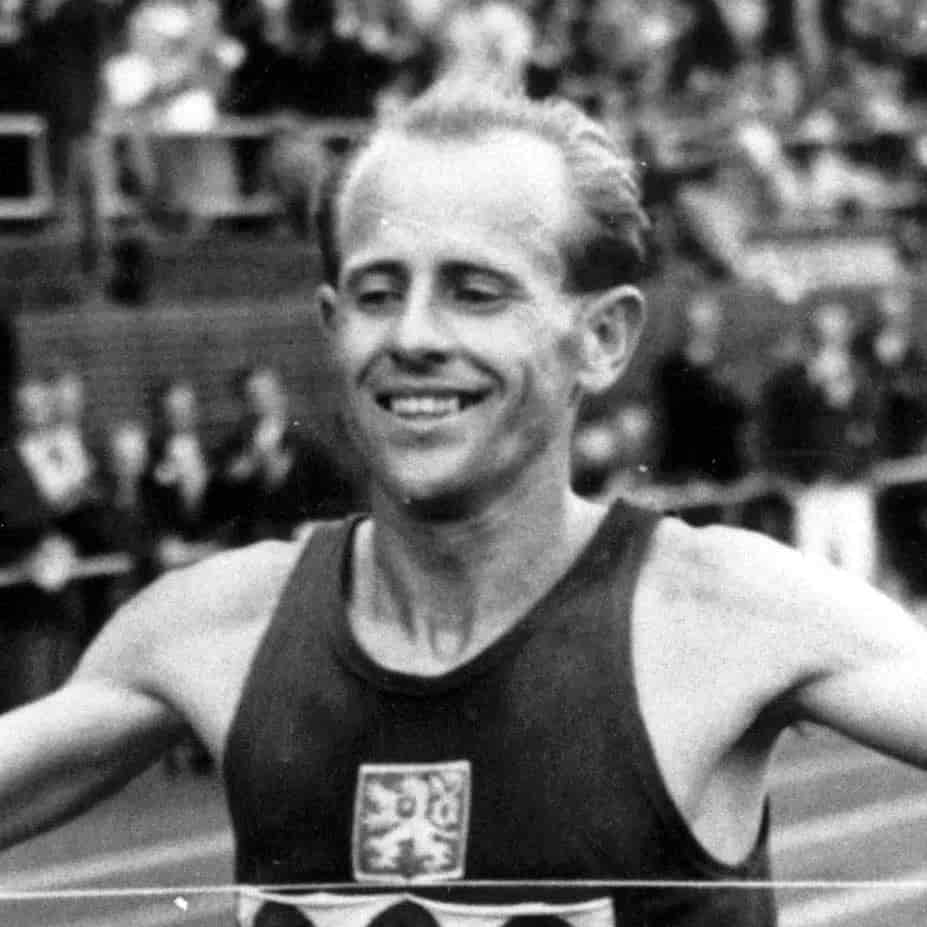
Nicknamed the "Czech Locomotive", Emil Zátopek became an instant Olympic legend at the 1952 Helsinki Games, where, having already won gold in the 5k and 10k events, he opted at the last minute to enter the marathon, which he also went on to win.
Despite his prowess on the track as the only athlete in history to complete the Olympic distance-running 'triple crown', Zátopek was very much aware he’d come dead last if they handed out medals for running with grace, which, when questioned, prompted his witty response.
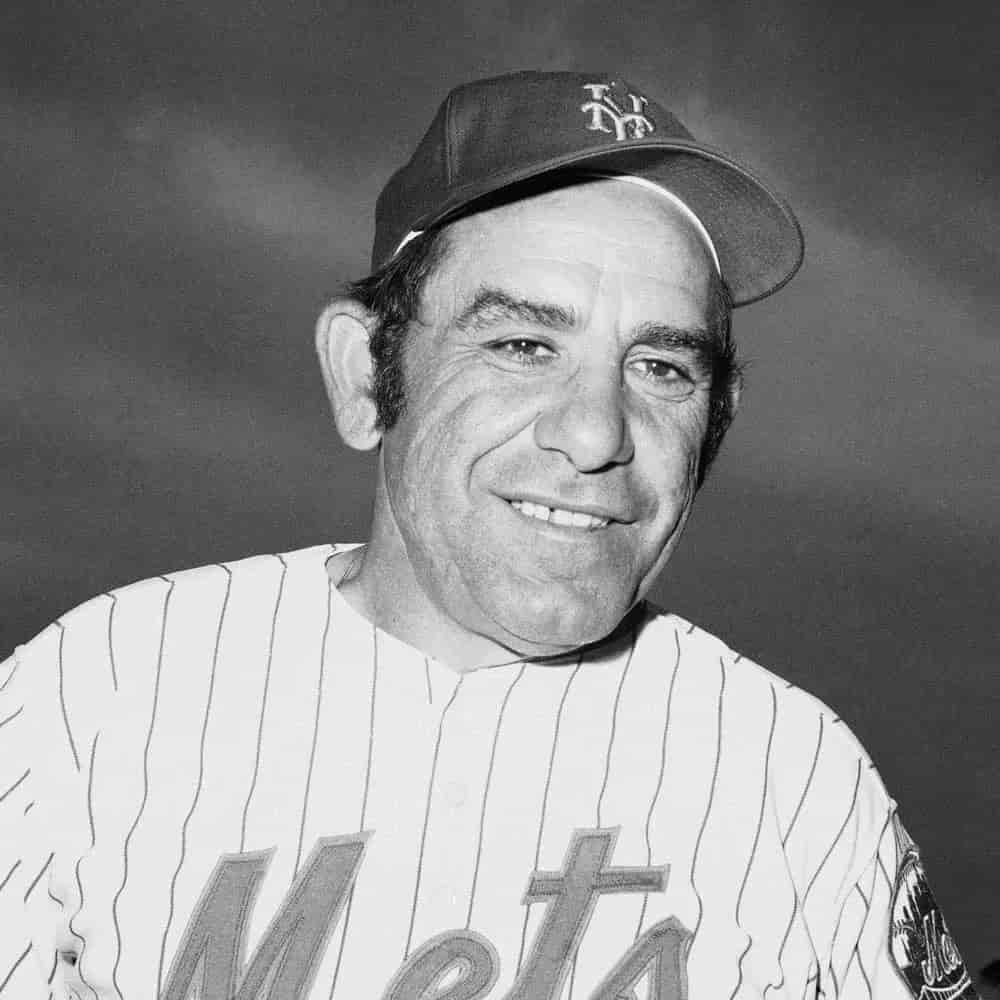
Granted, 10-time World Series champion and MLB Hall of Famer Yogi Berra could fill an entire chapter on memorable sports quotes with classics that include "It's like déjà vu all over again," "When you come to a fork in the road, take it," and "It ain't over 'til it's over."
Nevertheless, his car crash approach to baseball arithmetic belies his fundamental understanding of what it took to be a true great of the game in a career which saw him repeatedly succeed both behind the plate and in the dugout.
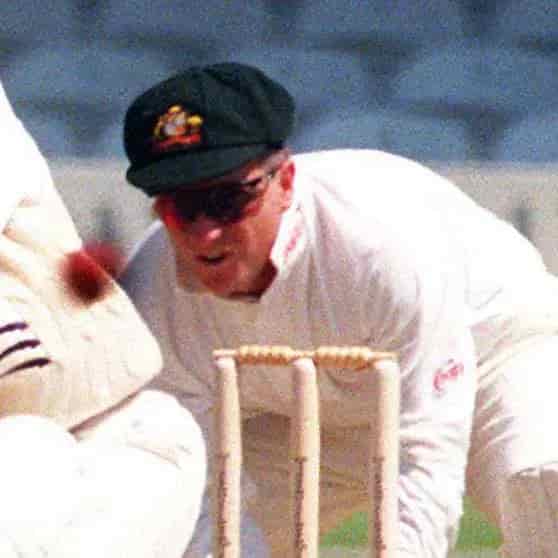
It's safe to say few batsmen survived the King of Spin, Shane Warne's genius - a player so talented that if he couldn't bowl you out, he could talk you into giving away your wicket with his sledging. Nevertheless, a cursory glance at a Google image search spanning Warne's cricketing career suggests his toughest opponent at times may have been the team nutritionist.
Well known for their internal locker room banter, Healy's less-than-subtle comments in an interview playfully acknowledged his international teammates' fondness for food, suggesting that his battle with the bulge may be rooted in his indulgent approach to eating.
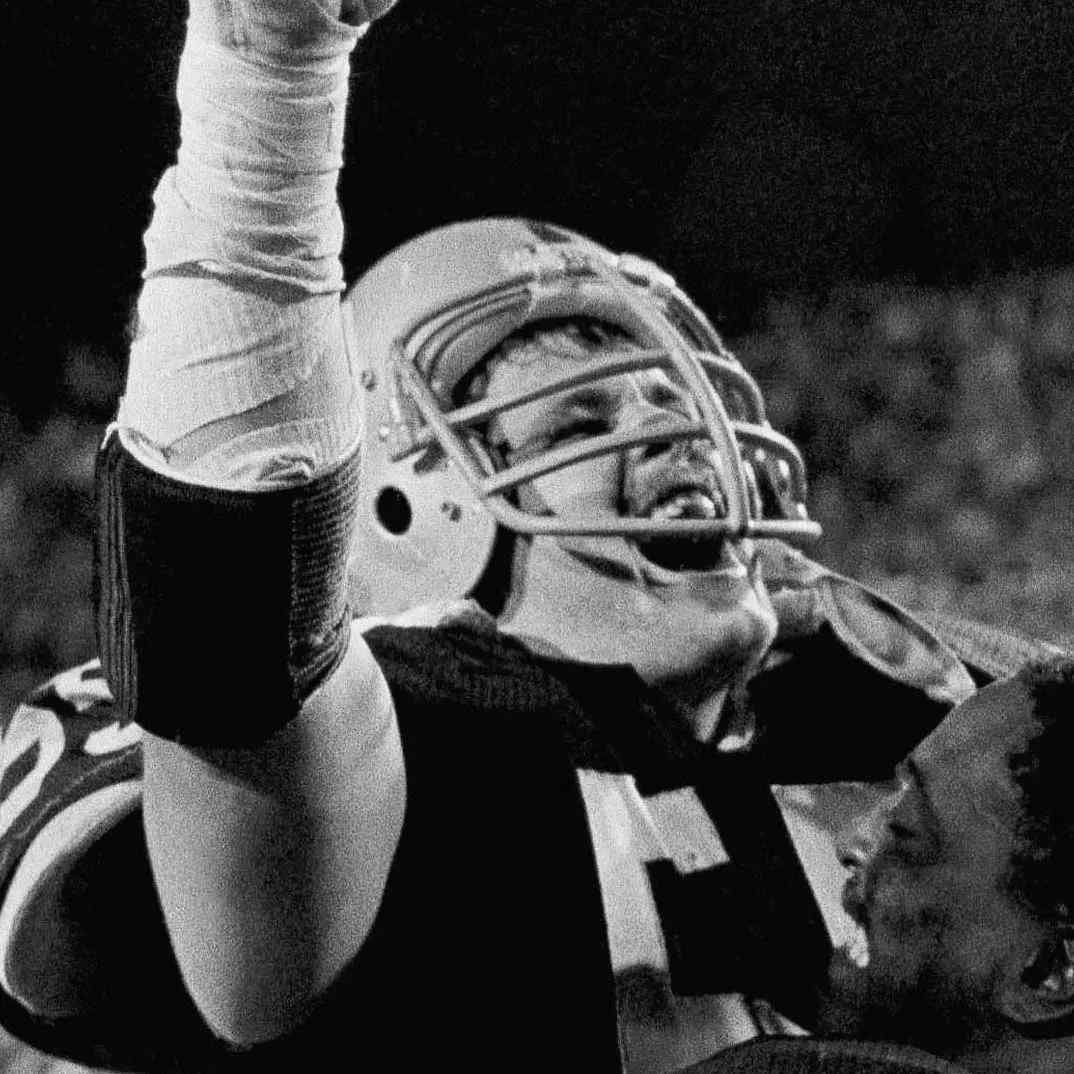
Ahead of the 1984 Super Bowl, Washington’s future Hall of Famer Russ Grimm declared in a press interview that he was prepared to run over his own mother if that’s what it took to beat the LA Raiders in Tampa.
On hearing this, Raiders’ linebacker Millen comically stated that in order to win, he too was willing to make the same sacrifice by running over Grimm’s mom. Fortunately for Mrs. Grimm, LA trounced Washington 38-9 in Tampa that day, and while Grimm later won two more Super Bowls, it’s unclear if his mom was harmed in the process.

Charged with captaining the United States against Spain in the Fed Cup final, Billie Jean King sought to reassure a nervous-looking Davenport who was about to face a familiar foe in Spain’s Arantxa Sánchez Vicario.
Davenport went on to beat Sánchez-Vicario following her inspirational intervention, and led the US to a 5-0 victory over Spain. So profound was King’s off-the-cuff advice that it has been immortalized on a plaque that welcomes players onto Arthur Ashe Stadium at the US Open.

Gretzky’s now-famous saying came about during an interview with Bob McKenzie for The Hockey News in 1983, who was quizzing the hockey prodigy about his formula for success early on in his career. However, you could say his advice managed to supersede the sport itself by offering up a simple life lesson: you’ll never succeed if you don’t have a go.
Fittingly, Gretzky’s statement proved more insightful than he probably even imagined, given that “The Great One” himself racked up nearly 1,000 more points during his career than anyone else in NHL history.
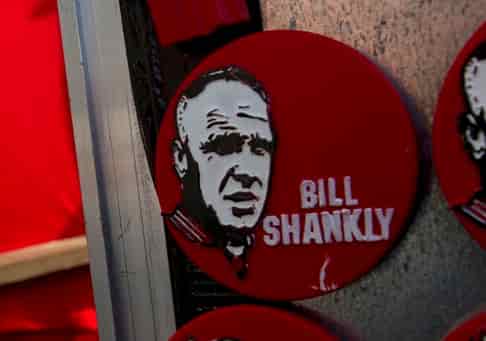
At the time, Shankly's spirited assertion came about during a 1981 Granada TV interview in which the revered Liverpool manager revealed just how much the game meant to him - a viewpoint wholeheartedly shared across Britain's working-class communities at the time.
While soccer fans up and down the country instinctively agreed with Shankly's assessment, sadly for the Liverpool man, he later admitted that his family life suffered as a result of his all-in commitment to the game he loved.
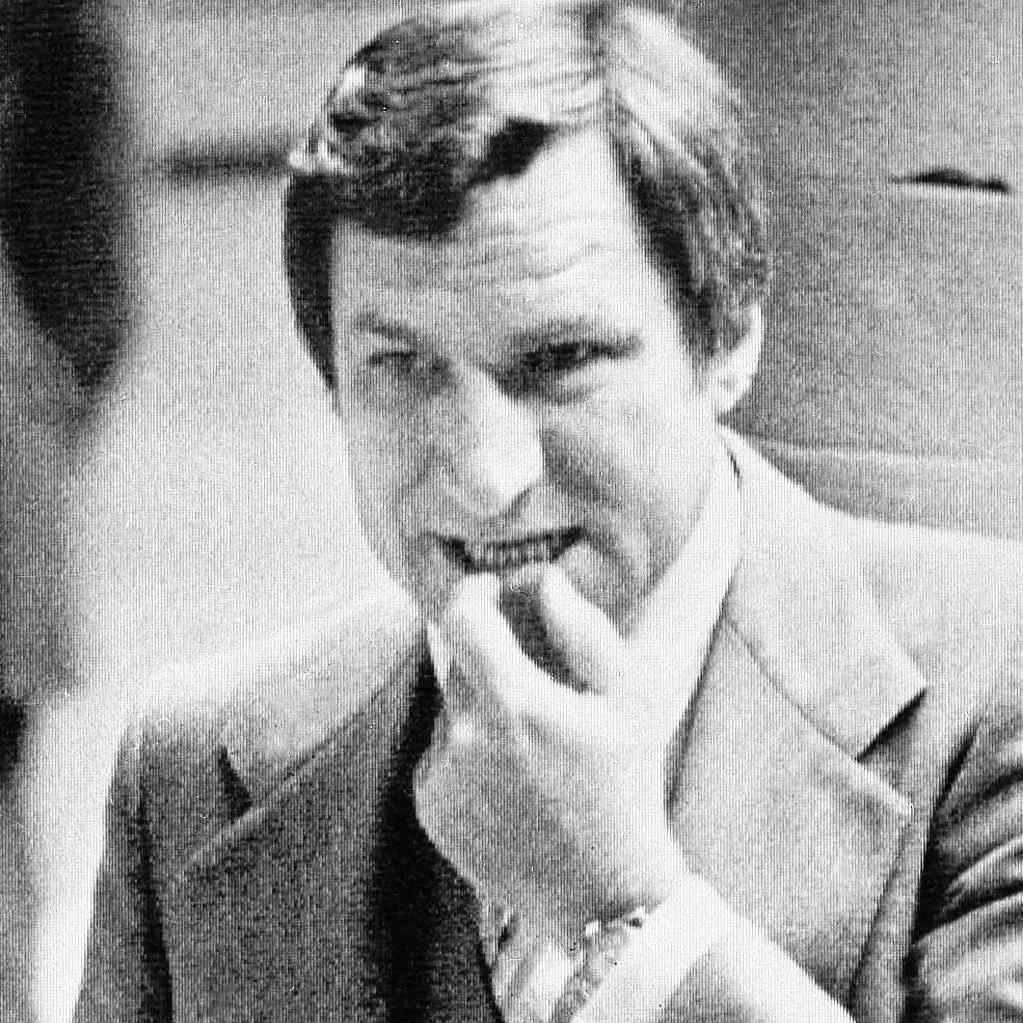
Championship-winning basketball coach Dean Smith’s mantra on stopping one mistake from becoming three.
Having coached North Carolina Tar Heels to two national championships in the 1980s and becoming an early mentor to NBA GOAT Michael Jordan, Smith was all too aware that dwelling on a mistake could derail a player’s confidence.
More than just a statement, Smith turned his four-step coaching principle into a philosophy teaching players to quickly get over a blunder and get their heads back in the game. Widely regarded as an essential life lesson in general, his coaching doctrine is ultimately designed to stop a single error from ever snowballing.
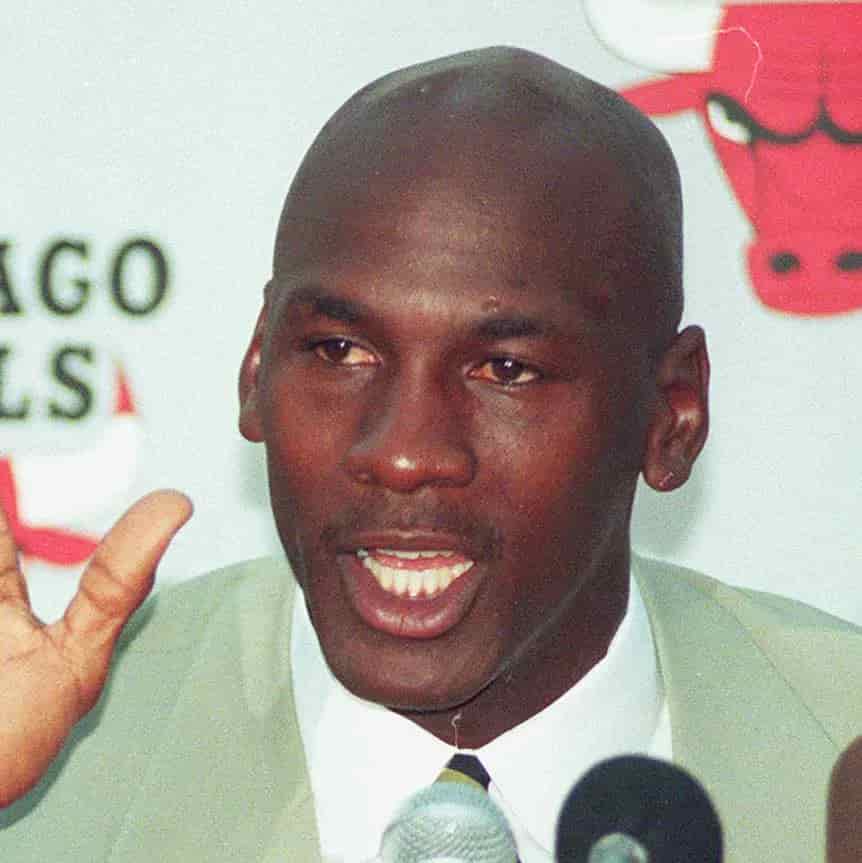
Despite being coined for a 1997 Nike television advert entitled “Failure,” the brutal truth behind Michael Jordan’s collective low points is a poignant reminder that even the best sometimes fail.
Very much like Wayne Gretzky’s maxim, the motivational stature of Jordan's statement is uniquely enhanced by his own record-breaking achievements beyond, of course, all his missed shots and the number of defeats he suffered over the course of his stellar 15-season NBA career.
The Problem With Famous Sports Personality Quotes
In many ways, reading about these sporting icons' observations about sport or life in general hardly feels like it does them justice, particularly given the spontaneity of some and the contextual significance of others.
Additionally, like most legendary quotes, they are often shortened and distorted, or worse, reused and then mistakenly attributed to whoever said them last. Nevertheless, one thing is for certain, and that is there is unmistakable wisdom in their words.
Stuart Hughes is a London-based freelance journalist covering sports, travel, lifestyle, and technology. He’s worked with brands like Lenovo, Best Western, and Frontier Airlines, bringing a global perspective shaped by years of travel.
More Articles like this
Eight Years, Eight NBA Champions. Is Parity Here to Stay?
Eight different teams have won the NBA championship in eight years, the longest such streak in league history. Can the Knicks finally break the cycle, or will another contender claim the crown?
By Bill Gelman
Is This the Biggest Acquisition Era in Sports Betting History?
Sportsbooks, prediction markets, and sweepstakes apps are fighting for the same customers. We compared 11 welcome offers to see who's offering the biggest incentives.

By Cole Rush
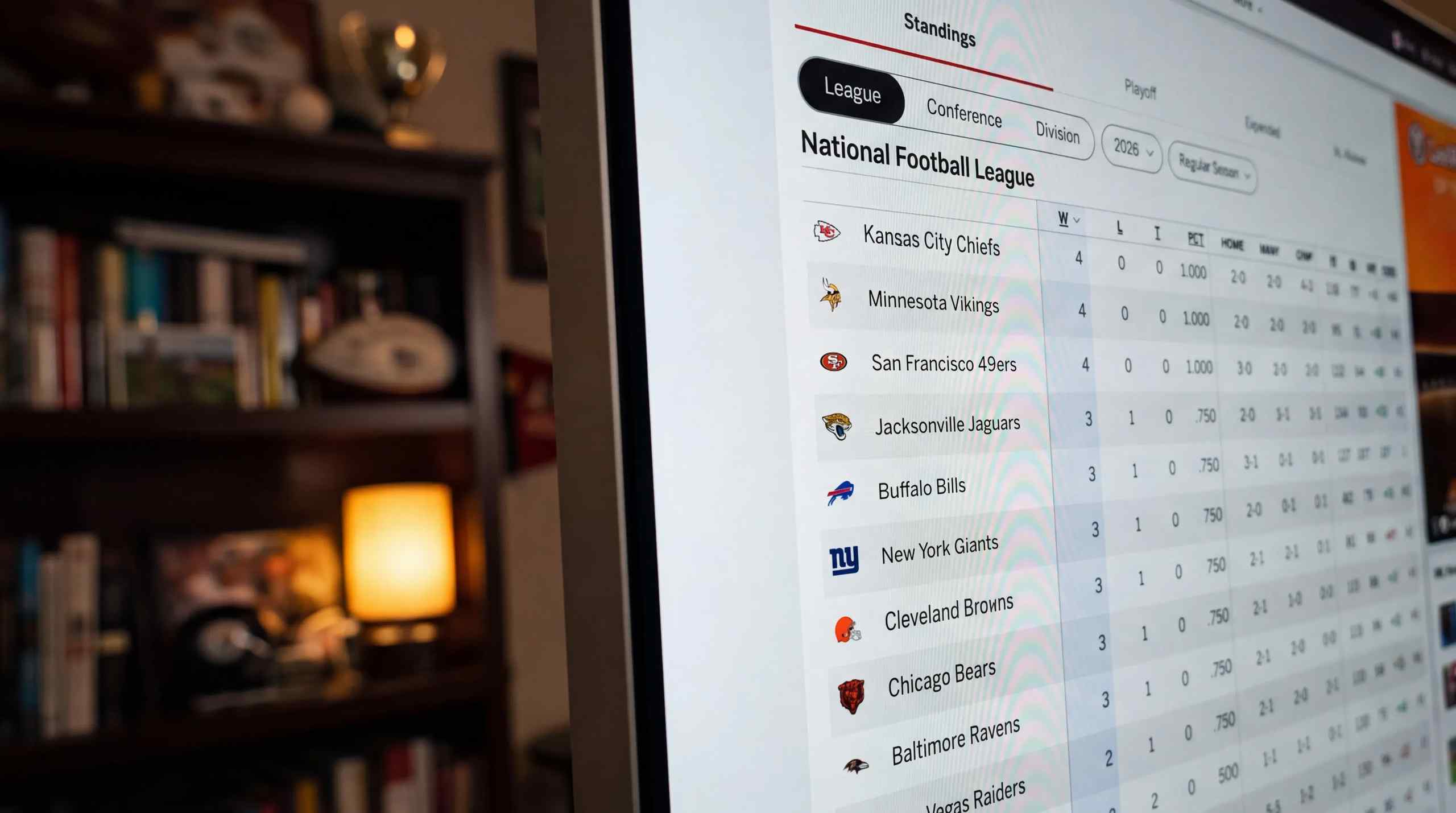
Does a 4-0 NFL Start Mean You're Playoff Bound?
A 4-0 start can put your team on the fast track to the playoffs, but history shows that even Super Bowl champions don't always start strong.
By Marcus Mosher
The 8 Greatest Sports Movies Ever Made, Ranked
Rocky isn't No. 1 by default. We ranked the eight greatest sports movies ever made, from a boxing warhorse to a table tennis fever dream, weighing critical scores against what actually stuck.
By Cole Rush
Which Sports Punish Losing Teams the Most?
From a punishing relegation to first draft pick optimism, discover which sporting leagues have the highest penalties for a losing season and those that feel comparatively lenient.

By Stuart Hughes
MLB Playoff Byes Aren't the Advantage You Might Think
Since baseball went to its current 12-team playoff format, the results show that bye teams only hold a slight Division Series advantage over Wild Card winners.

By Bill Gelman