
.jpeg)
Which States Have the Worst Taxes on Online Sports Betting?
Tax rates on sports betting aren’t just different: they’re wildly uneven. Some states, like New York and Rhode Island, take a staggering 51% cut, posing extra challenges for operators and bettors alike.

You have to pay to play. That’s how it goes for all regulated sportsbooks in the US, but tax rates vary dramatically from state to state, which can lead to different playing experiences.
Since the 2018 Supreme Court decision that allowed states to legalize and regulate sports betting, more than 38 markets have opened up to sportsbooks.
And as every jurisdiction regulates the industry differently, the ways those states cash in on the industry's growth couldn't be more different. While some states like Nevada and Iowa keep taxes on sportsbook revenue below 10% to stay competitive, New York, New Hampshire, and Rhode Island hit operators with a whopping 51%, among the highest rates in the world.
These aggressive structures have generated billions in tax revenue but sparked complaints from operators about squeezed margins and fewer promotions for bettors.
High Taxes Can Suffocate a Growing Market
_State-Rep-Jehan%20Gordon-Booth.jpg)
Illinois Rep. Jehan Gordon-Booth
The tax disparity shapes everything from odds to market share. High‑tax states like New York rake in massive hauls, more than $1.2 billion since launch, but they also risk chasing operators and bettors away. As deficits grow, more hikes loom, but Illinois' wager plunge following a large tax increase proves there's a breaking point. Low‑tax leaders like Nevada keep drawing volume, showing balance matters.
“Lawmakers need to understand, what you think you’re going to get from raising taxes, you’re not going to get,” Illinois Rep. Jehan Gordon-Booth said at the National Council for Legislators from Gaming States winter meeting in December 2025.
.png)
“We want this industry to continue to strike the right balance. This will be a problem in budgets for the foreseeable few years in budgets. I don’t want to see us continue to deteriorate the industry.”
This year, several governors, including Arizona Governor Katie Hobbs and Michigan Governor Gretchen Whitmer, have already proposed raising their sports betting taxes from their industry-friendly rates.
Here's the ranking of the seven states with the heaviest sports betting taxes, based on online sports betting tax rates, the real cash cow, since more than 90% of wagers are placed with online sportsbooks.
State | Online Tax Rate |
|---|---|
New York | 51% |
New Hampshire | 51% |
Rhode Island | 51% |
Pennsylvania | 36% |
Vermont | 31.7% |
Illinois | 20-40% |
Louisiana | 21.5% |
Sources: Tax Foundation, Legal Sports Report
1. New York - 51% online tax rate

New York launched mobile sports betting in January 2022 with the highest tax rate in the nation. The Empire State taxes gross gaming revenue, or GGR, which is total bets minus payouts, at 51% for online wagers.
The structure was designed to maximize revenue from the country's largest population center, and it has delivered mightily, generating more than $3.9 billion in taxes by early 2026 to fund education and local governments.
Operators like DraftKings and FanDuel have publicly griped during legislative meetings that the rate erodes margins, leading to fewer promotions and tighter odds compared to lower‑tax neighbors like New Jersey. Legal sports books also warn of the negative effects on their products from high taxes, which drive players to offshore sites.
New York does tax in-person sports betting at casinos at just 10%. However, industry data largely indicates 90% or more of wagers are done online.
Bettors, meanwhile, feel the pinch indirectly through reduced free bets and higher juice on lines. Despite the complaints, New York's massive handle of more than $84 billion wagered since launch keeps the market humming, though growth has slowed as operators optimize for profitability.
2. New Hampshire - 51% online tax rate
New Hampshire's sports betting setup is unique, as DraftKings holds a monopoly on mobile betting in exchange for paying 51% of its online GGR to the state. Launched in 2020, the New Hampshire model has generated more than $177 million in tax revenue, mostly funneled to the state's Education Trust Fund.
The monopoly shields DraftKings from competition but at a steep cost, as the high rate leaves little room for aggressive marketing, resulting in fewer promos than in neighboring states.
Bettors report tighter lines and limited markets, though the lack of rivals means DraftKings dominates without price wars. Industry critics argue the structure stifles innovation, but state officials praise the steady cash flow and the need for fewer licenses.
3. Rhode Island - 51% online tax rate
Rhode Island's monopoly mirrors New Hampshire's high‑tax setup, with Bally’s taxing both online and retail sports betting at 51%. Since 2018, it's pulled in more than $127 million for the state, but Bally's has struggled with profitability, leading to workforce cuts and limited app features.
Bettors face high juice and sparse promotions, with complaints about poor customer service and restricted markets.
The single‑operator model was meant to simplify regulation but has drawn fire for a lack of competition.
Recent legislative talks about opening to more operators could lower effective rates through bidding, but for now, Rhode Island's 51% remains a bettor's burden.
4. Pennsylvania - 36% tax rate
Pennsylvania's 36% flat tax on both online and retail GGR has been a lightning rod since its 2018 launch, generating more than $932 million in taxes.
Operators have blasted the rate as anti‑competitive, claiming it forces fewer bonuses. FanDuel and DraftKings have scaled back promos in Pennsylvania compared to New Jersey. Bettors see worse odds, but the state's 13 million residents bet more than $8 billion annually, according to the Pennsylvania Gaming Control Board.
Governor Josh Shapiro has floated tax hikes in recent proposed budgets, but industry lobbying holds the line.
5. Vermont - 31.7% online tax rate
Vermont joined late in 2024 with a 31.7% tax on online GGR in a limited‑operator market that has FanDuel and DraftKings. The rate was negotiated to fund education, with projections of up to $20 million annually. However, those estimates were a bit high, as the state has brought in more than $13 million since the launch.
As a small market, the high tax hasn't crushed volume yet, but early data shows restrained promos.
Bettors enjoy access but complain about conservative lines, similar to those in states with higher taxes.
6. Illinois - 20% to 40% tiered tax rate, along with per‑bet fees
When Illinois launched sports betting in 2020, the state imposed a flat 15% tax on operators. But in recent years, Illinois lawmakers have dipped back into the sports betting revenue well to help plug budget holes.
Illinois' structure is punishing. In 2024, lawmakers passed a tiered tax on sports betting operators, with operators paying between 20% and 40% based on their revenue.
Last year, legislators also included per-wager fees on sportsbooks, starting at 25 cents per bet for the first 20 million, then 50 cents per wager thereafter.
Combined, it's among the costliest, with $178 million in taxes collected in 2025 despite a 15% decline in wagers, according to reports from the Illinois Gaming Board.
Operators offset the per-wager fees by passing them on to bettors through transaction fees or minimum bet amounts, or by charging worse odds and slashing promos. State Rep. Daniel Didech introduced a bill in 2026 to repeal the per‑bet fee amid complaints that it's killed volume.
The state’s sports betting handle remains strong at more than $10 billion annually, but growth has stalled.
7. Louisiana - 21.5% online sports betting rate
Louisiana lawmakers raised their sports betting tax from 15% to 21.5% in August 2025, joining the post‑legalization hike wave to fund state priorities.
The increase applies to both online and retail GGR, with operators like DraftKings and FanDuel now paying the higher rate on the state’s more than $2 billion annual handle.
“We really have to be careful,” Louisiana Gaming Control Board Chairman Christopher Hebert said at the December NCLGS meeting.
“The original proposal was a tax increase to 50%,” he said. “We knew that was never going to happen. You would lose operators because the cost of doing business just isn’t worth it.”
Even friendly states see tax hikes
New Jersey pioneered post‑PASPA betting in 2018, and former Governor Chris Christie led the lawsuit to end the ban, with a 13% online rate. The state has long been viewed as a standard for gambling regulations.
But in 2025, lawmakers hiked the sports betting tax rate to 19.75% as part of a wave of states that raised their rates, including Maryland and Louisiana. New Jersey lawmakers also increased the online casino tax rate to that 19.75% from its original 15%.
Operators enjoy mature infrastructure and, often, a friendly regulatory framework. But the hikes also now mean fewer promo bets from the sportsbooks.
How much is too much? Bettors might flee to offshore sites
Ohio launched sports betting in January 2023, with a base sports betting tax rate of 10%. That rate did not last long, as Governor Mike DeWine included an increase to 20% in his annual budget that year, which passed the legislature.
DeWine hoped to come back to the well in 2025, proposing another doubling of the tax to 40%. Lawmakers, however, rejected that proposal, with some suggesting the initial hike was premature, according to the Statehouse News Bureau.
DeWine has also since become a major critic of the gambling industry, opposing online casino legislation, and has said multiple times he regrets legalizing sports betting, according to Cleveland.com.
Sports betting was sold to lawmakers as “free money” after 2018 by industry lobbyists, but the tax‑rate experiments now playing out in places like New York, Illinois, Ohio, and New Jersey show there’s no such thing.
Push rates too high and handle growth slows, promos dry up, and sharp bettors leak to offshore sites, but keep them too low, and states leave hundreds of millions on the table while budget gaps widen. The next phase of the market will be about which ones can hit a sustainable middle ground, high enough to matter for budgets, low enough that operators still want to compete and customers still feel like they’re getting a fair game.
Pat Evans is a Grand Rapids-based journalist and editor covering the intersection of business, sports, lifestyle, and gambling regulation. With a background in business journalism and legislative reporting (LSR, iGamingBusiness), he brings an analytical, human-focused approach to stories about modern trends. His work has appeared in regional and national publications, and he is also the author of two books on beer history.
More Articles like this
Do NHL Stars Lose Their Edge After Signing Huge Contracts?
Do NHL stars really take their foot off the gas after a big payday? We analyzed 29 major contracts to find out.

By Charlon Muscat
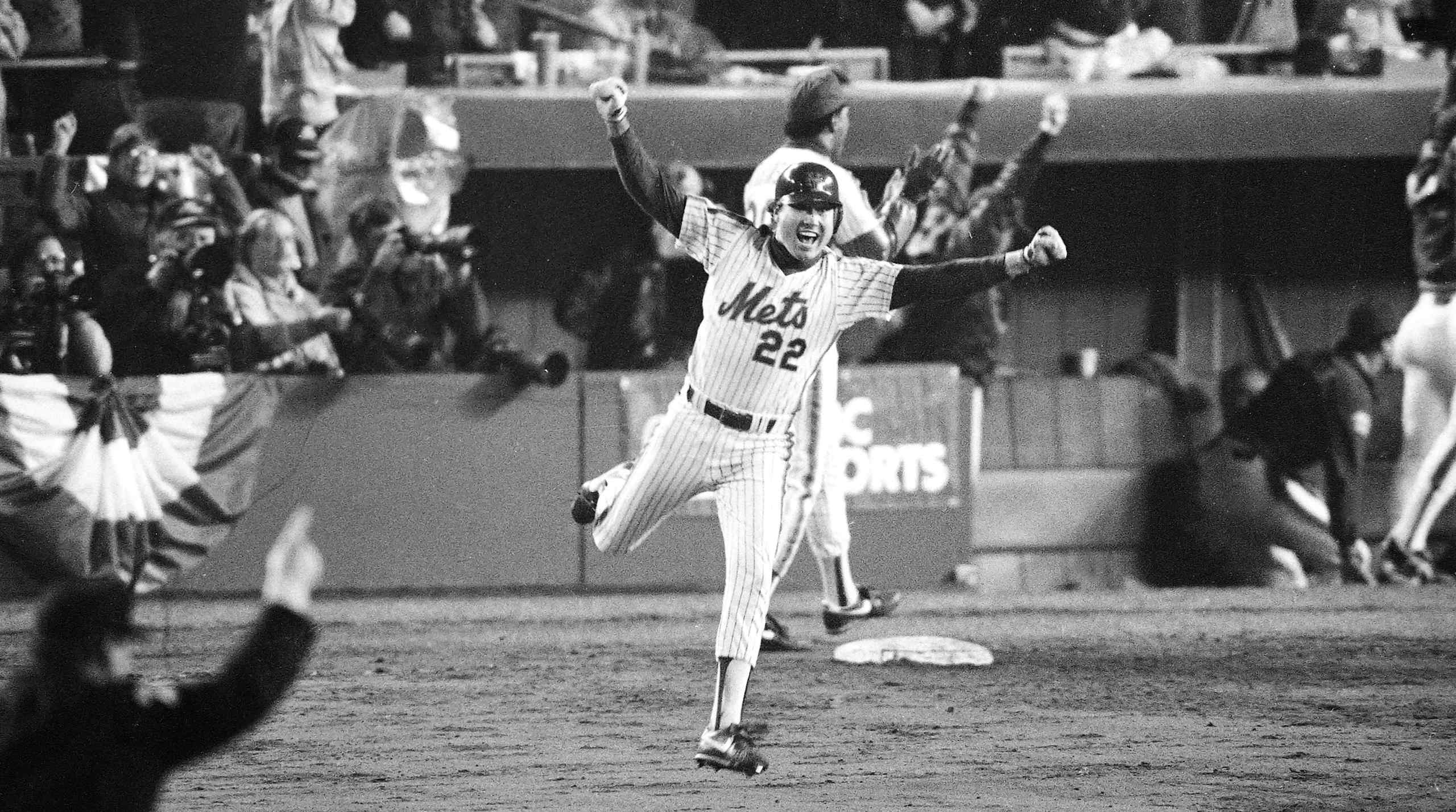
Five Iconic World Series Moments Since the Brewers' Appearance
The Brewers are back in the World Series after 44 years. From Bill Buckner's error to the Cubs ending their curse, plenty has happened since 1982.
By Bill Gelman
LeBron to Giannis: Ranking 5 NBA Offseason Stunners
LeBron to Philly, Giannis to Miami, and Wemby staying put. Which NBA offseason move will pay off the most?

By Bill Gelman
NFL Fans Spend $900 to Watch Games. WWE Fans Pay Even More
Think watching every NFL game is expensive? WWE fans would argue otherwise.

By James Guill
How Bad Is It? Ranking the NHL's Original Six by Fan Misery
Nearly 60 years without a Stanley Cup is just the beginning. We rank the NHL's Original Six teams by how much misery their fans have endured.
By Bill Gelman
Why Does Everybody Hate Us? 10 Most Hated Sports Teams Ever
Some teams always win; others get caught breaking the rules. Either extreme is a surefire way to become universally hated, as these 10 sports teams can attest to.
By Stuart Hughes