
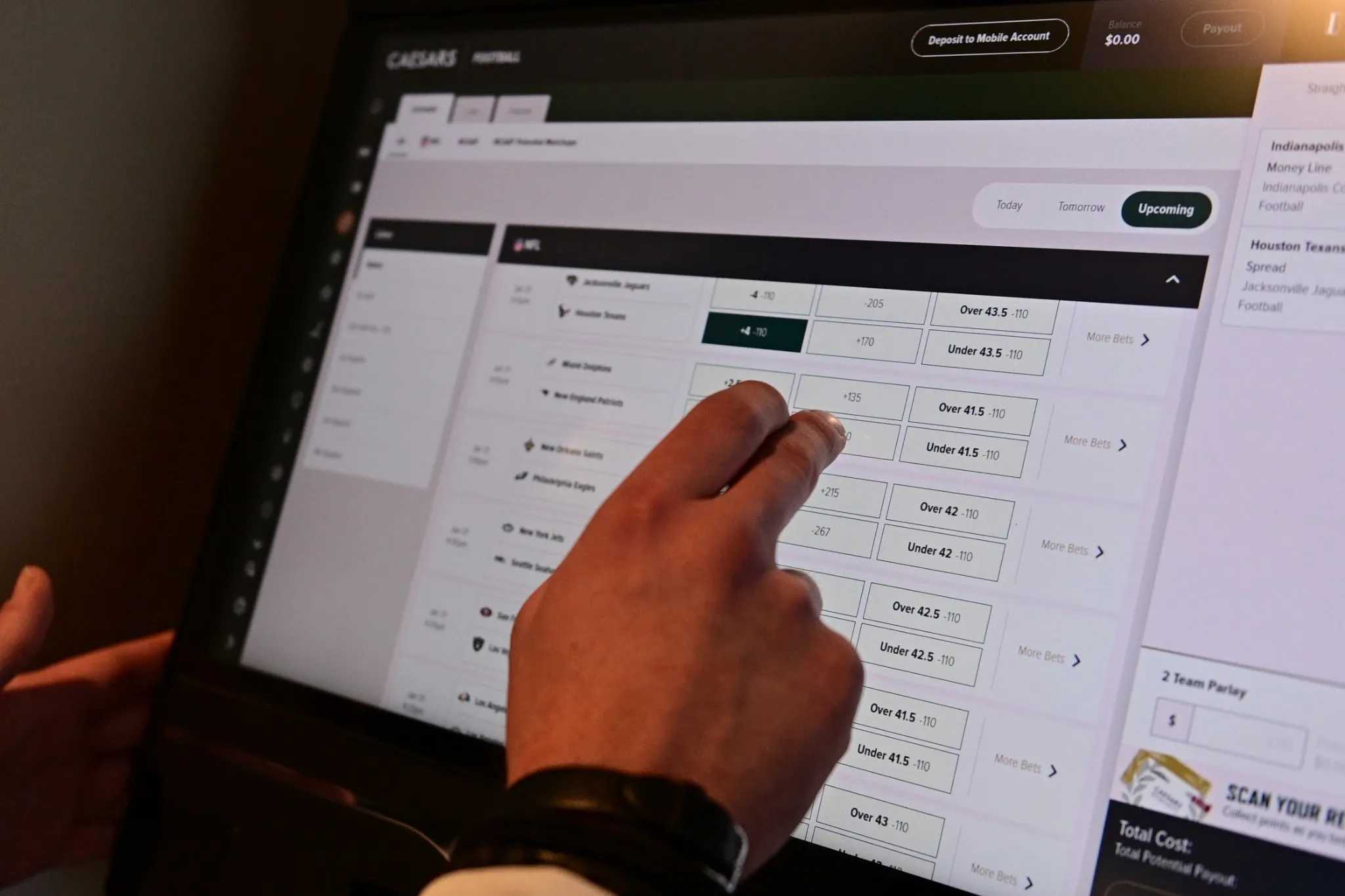
What Is a Parlay Bet?
A straight-talk breakdown of what a parlay bet is, how the odds multiply across legs, and why these combined wagers carry both bigger payouts and bigger house edges.

In sports betting, a parlay bet combines two or more individual wagers into a single ticket, and every leg must win for the bet to pay out. The odds multiply across all legs, which boosts the potential payout but means one loss sinks the entire bet.
Parlay Bets: Key Takeaways
- A parlay bet links multiple wagers into one ticket, and every single leg has to hit for the bet to cash.
- Odds multiply across legs, so payouts grow fast, but so does the chance of losing.
- Sportsbooks earn a higher profit margin on parlays than on straight bets, which is why promos push them hard.
- Correlated and same-game parlays combine bets whose outcomes affect each other, and books often adjust or restrict them.
- Fewer legs and smaller stakes generally give parlay bettors better long-term odds than loading up tickets.
Quick Facts
| Category | Key Feature |
|---|---|
| Difficulty Level | Beginner to intermediate |
| Estimated Time to Learn | 10 to 15 minutes |
| Best Suited For | Bettors chasing bigger payouts on smaller stakes |
| Related Topic | Same-game parlays and multi-leg wager structures |
Why Does Understanding a Parlay Bet Matter?
Understanding a parlay bet matters because it changes both your payout potential and your realistic chances of winning in ways that aren't obvious from the bet slip alone. A parlay looks like free upside since one small wager can turn into a large payout, but the math working against you compounds with every leg added. Knowing how the odds multiply, and how sportsbooks price that risk, keeps you from mistaking a long-shot ticket for a smart strategy.
How Do Parlay Odds Compare to Straight Bets?
| Wager Type | Legs Required | Payout Potential | Win Probability |
|---|---|---|---|
| Straight Bet | 1 | Standard, tied to a single line | Highest of any bet type |
| 2-Leg Parlay | 2 | Roughly 2.6 to 3 times the stake at -110 odds | Drops to about 25 to 30 percent for even matchups |
| 3-Leg Parlay | 3 | Around 6 to 1 at -110 odds on each leg | Falls to roughly 15 to 17 percent |
| Same-Game Parlay | 2 or more, one game | High, but often reduced for correlated legs | Varies widely by leg correlation |
A two-leg parlay's win probability drops to 30.25% and a three-leg falls to 16.6% even for an advanced bettor who hits 55% on single bets. That gap between rising payouts and shrinking win odds is the entire story of parlay betting.
What Does It Mean When Bettors Say "Parlay Bet"?
A parlay bet, in plain terms, is a single wager that bundles multiple picks together so they win or lose as one unit rather than as separate tickets. It links together two or more individual wagers, and winning the parlay depends on all of those wagers winning together, since if any bet in the parlay loses, the entire parlay loses. Sportsbooks list a wide range of markets you can combine this way, and comparing those options against other standard wager types helps explain why parlays stand out for their payout structure.
How Do Sportsbooks Calculate Parlay Odds?
Sportsbooks calculate parlay odds by multiplying the odds of every individual leg together rather than adding them. Parlay odds are calculated by taking the odds of each individual wager and combining them, and while sportsbooks have their own algorithms, you can typically multiply the odds of each leg to get the payout. Adding a fourth or fifth selection to a multi-leg parlay pushes the payout higher with every leg, but it also compounds the odds against you at the same rate.
What Types of Parlay Bets Are There?
The main types of parlay bets include standard multi-leg parlays, same-game parlays, and correlated parlays, each built around a different way of linking outcomes. Correlated same game parlays combine bets where outcomes are linked, such as a quarterback throwing for over 300 yards and his receiver going over 90 receiving yards, and sportsbooks at times limit payouts or block these bets since correlated legs reduce their edge. A correlated parlay ties those connected outcomes together, which is exactly why books price them more cautiously than a parlay built from unrelated games.
Why Are Sportsbooks Pushing Parlays So Hard?
Sportsbooks push parlays hard because these tickets generate a far higher profit margin than straight bets, even though most players lose the majority of the time. Casinos and bookmakers offering parlays often exploit the poor calculation of gamblers by not increasing the payout as much as the odds truly demand, with the effect of the house edge increasing in parlays. Industry tracking through early 2026 showed Q2 2025 as an all-time high in tracked hold at 10.9 percent, driven by strong NFL parlay volume in the back half of the year. That's not an accident. It's a pricing model built around volume and long-shot appeal.
Parlay Bet Examples
Example One: A Standard Three-Team Parlay
Picture combining three separate NFL point spread picks, each priced at -110, into one ticket. With three bets each at -110, the decimal odds of 1.91 multiplied by three give 6.97, and after adjusting for the stake, that comes out to roughly +597 in American odds. A $50 bet at those odds pays close to $300 in profit if every leg hits, but a single loss on any team wipes out the entire ticket.
Example Two: A Same-Game Parlay
Now picture building a parlay from a single matchup instead of three different games. Bettors might combine the game's moneyline, the total, and a quarterback's passing yards prop into one bet. Combining bets this way is a well-documented pattern, and the tradeoffs of chasing big same-game payouts are covered in detail in how same-game parlays balance thrill against cost, since correlated legs inside one game get priced differently than legs spread across separate contests.
What Are the Most Common Parlay Bet Mistakes?
- Assuming payout odds match true odds: Parlay payouts are built on prices with juice baked in, so the advertised return is almost always worse than the fair odds would suggest.
- Stacking too many legs: Every additional leg multiplies both the payout and the difficulty of winning, and most bettors underestimate how fast the win probability collapses.
- Ignoring correlation restrictions: Many books limit or reprice legs that depend on each other, so a parlay that looks like easy value may already be adjusted against you.
- Treating parlays as a primary strategy: Parlays are entertainment-driven longshot plays, not a consistent path to long-term profit, and bankrolls should reflect that reality.
- Confusing a near-miss with a near-win: Hitting three of four legs pays exactly the same as hitting zero of four, even though it can feel like almost cashing.
How Does a Parlay Bet Compare to a Prediction Market Wager?
A parlay bet and a prediction market wager both let bettors stake money on multiple outcomes, but they price and settle risk in very different ways. A parlay bundles legs into one ticket where every single pick must win, while prediction markets let participants trade positions on a single outcome as odds shift in real time. This distinction is shaping betting habits, and the shift toward alternative markets is explored in why younger bettors are favoring prediction markets over parlays, since some bettors now see that format as more transparent than a traditional multi-leg ticket.
Parlay Bet vs. Prediction Market Wager
| Feature | Parlay Bet | Prediction Market Wager |
|---|---|---|
| Structure | Multiple legs combined into one bet | Single position traded on an outcome |
| Settlement | All legs must win together | Position resolves independently |
| Payout Timing | Fixed at bet placement | Can be exited before resolution |
| Primary Appeal | Large payout from small stake | Flexibility and real-time pricing |
What Should You Should Know About Parlay Bets?
A parlay bet packages multiple wagers into one ticket, multiplies the odds across every leg, and demands a perfect record to pay out. That structure is exactly why the payouts look tempting and why the house edge grows with each additional leg. Bodog's take is simple: treat parlays as a calculated, entertainment-first play rather than the backbone of a betting strategy, and always know the true odds behind the number on the ticket before you place it.
Parlay Bet FAQs
What is a parlay bet in simple terms?
A parlay bet is a single wager that combines two or more individual bets, and all of them must win for the ticket to pay out.
How many legs can a parlay bet have?
Most sportsbooks allow anywhere from two legs up to ten or more, though win probability drops sharply as legs are added.
What happens if one leg of a parlay pushes?
If a leg in a parlay pushes, that leg is removed and the rest of the bet remains, turning, for example, a four-leg parlay into a three-leg parlay.
Are parlay bets a good long-term strategy?
No. Parlays carry a much higher house edge than straight bets, and most sportsbooks profit more heavily from them because bettors consistently lose more often than the odds imply they should.
What is the difference between a parlay and a same-game parlay?
A standard parlay combines picks across different games, while a same-game parlay restricts every leg to a single matchup, often with correlated pricing adjustments.
Can you combine different sports in one parlay?
Bets from different sports are accepted on a parlay, such as taking one team to win a championship and a separate team to win a same-day game.
Why do sportsbooks offer parlay boosts and promotions?
Parlay boosts drive volume toward the sportsbook's highest-margin product, since parlays generate more profit per dollar wagered than straight bets typically do.
Continue Learning
- What Is a Same-Game Parlay: a closer look at combining multiple bets from a single matchup into one ticket.
- What Is a Teaser Bet: a guide to adjusting point spreads across parlay legs in exchange for a smaller payout.
- What Is a Pleaser Bet: an explainer on the higher-risk counterpart to teaser betting, built for bigger payouts.
Sources & Review
The Bodog editorial team is comprised of experts in the iGaming, Sportsbetting, Lifestyle, Travel Wellness and Casino space.
More Articles like this
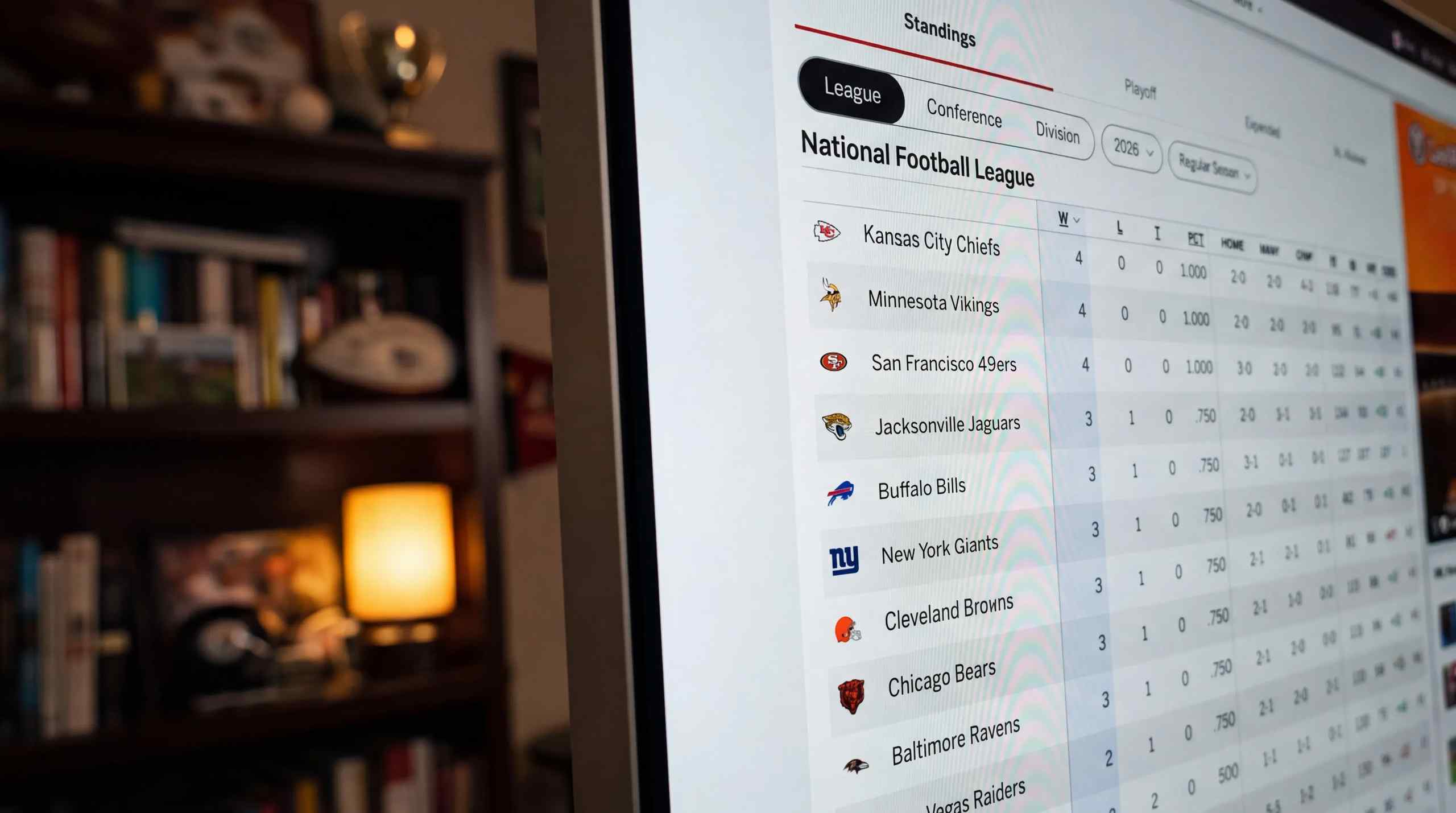
Does a 4-0 NFL Start Mean You're Playoff Bound?
A 4-0 start can put your team on the fast track to the playoffs, but history shows that even Super Bowl champions don't always start strong.
By Marcus Mosher
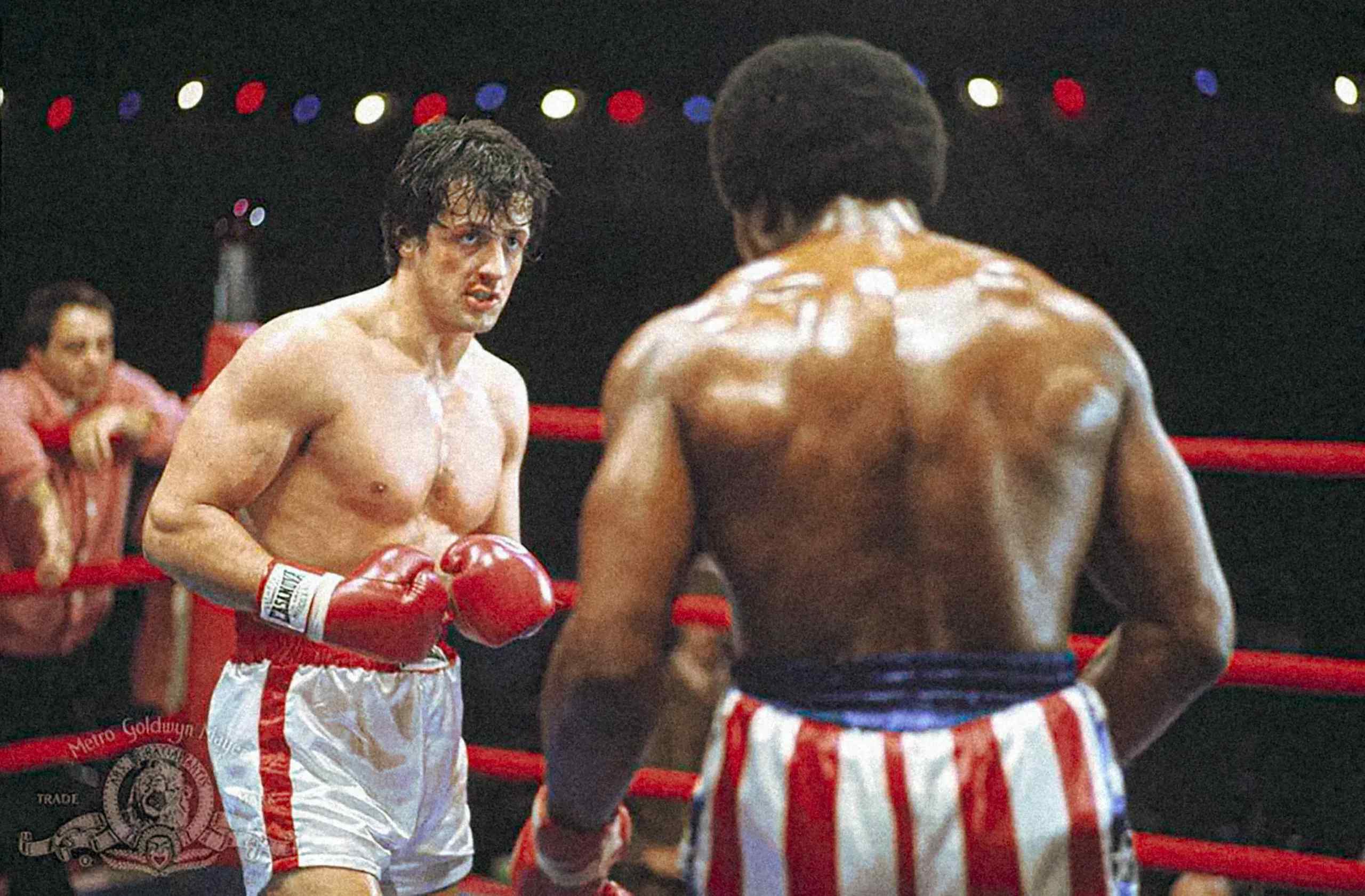
The 8 Greatest Sports Movies Ever Made, Ranked
Rocky isn't No. 1 by default. We ranked the eight greatest sports movies ever made, from a boxing warhorse to a table tennis fever dream, weighing critical scores against what actually stuck.
By Cole Rush
Which Sports Punish Losing Teams the Most?
From a punishing relegation to first draft pick optimism, discover which sporting leagues have the highest penalties for a losing season and those that feel comparatively lenient.
By Stuart Hughes
MLB Playoff Byes Aren't the Advantage You Might Think
Since baseball went to its current 12-team playoff format, the results show that bye teams only hold a slight Division Series advantage over Wild Card winners.

By Bill Gelman
McKenna, Martone Lead 5 NHL Rookies to Watch
Gavin McKenna and Porter Martone enter as the favorites, but a deep 2026-27 rookie class gives the Calder Trophy race plenty of potential challengers.

By Bill Gelman
Parlaymint Wants to Turn Parlays Into a Team Sport
Parlaymint turns the group parlay into a social sport, giving every bettor one pick, a share of the payout and potentially the entire bill if their leg is the only one that loses.

By Charlon Muscat