
What Is a Teaser Bet?
A plain-language breakdown of how teaser bets work, how payouts are priced, and how they compare to parlays and pleasers, built for bettors who want the real math before they wager.

In sports betting, a teaser bet is a modified parlay that lets you shift the point spread or total on two or more games in your favor before combining them into one wager, in exchange for a smaller payout than a straight parlay would pay.
Key Takeaways
- A teaser bet combines two or more picks into one wager while letting you move the spread or total in your favor.
- Football teasers typically shift lines 6, 6.5, or 7 points; basketball teasers usually move 4, 4.5, or 5 points.
- Every leg in a teaser must win, or push under favorable house rules, for the bet to cash.
- Teasers pay less than standard parlays because the sportsbook prices in the extra cushion you're buying.
- The "Wong teaser" strategy targets key NFL numbers like 3 and 7 to squeeze out real value.
- A pleaser bet works in reverse, moving lines against the bettor for a much bigger payout.
Quick Facts
| Category | Key Feature |
|---|---|
| Difficulty Level | Beginner-friendly concept, intermediate-level strategy |
| Estimated Time to Learn | 15 to 20 minutes |
| Best Suited For | NFL and NBA bettors who already use point spreads and totals |
| Related Topic | Same-game teasers and pleaser bets |
Why Does Understanding a Teaser Bet Matter?
Understanding a teaser bet matters because it changes how much risk you're actually taking on compared to a regular parlay, even though the bet slip looks similar. Bettors who don't grasp the pricing trade-off often assume a teaser is "safer" without realizing the sportsbook has already clawed back most of that safety through a lower payout. Knowing the mechanics helps you decide when the extra points are worth buying and when you're better off with straight bets.
Teaser Bet Payout Overview
| Teaser Size | Points Teased | Typical Odds | Approx. Return on $100 |
|---|---|---|---|
| 2 teams | 6 points | -110 to -120 | $183 to $191 |
| 3 teams | 6 points | +160 | $260 |
| 2 teams | 4 points (NBA) | -110 to -120 | $183 to $191 |
| 4 teams | 4 points (NBA) | +260 | $360 |
These figures reflect commonly published industry ranges and will vary by sportsbook, so always confirm the exact payout chart before placing a teaser.
What Does a Teaser Bet Mean in Sports Betting?
A teaser bet in sports betting is a wager that lets you buy extra points on the spread or total for two or more games, then ties those adjusted picks together into a single ticket. A teaser bet functions like a parlay in that every leg must win for the wager to pay out, but the lines are friendlier because you moved them yourself. The trade-off is a reduced payout, since the sportsbook charges for the cushion you're buying on each leg.
What Types of Teaser Bets Can You Place?
The types of teaser bets available to bettors include standard multi-game teasers, same-game teasers, and larger "super teasers" that move lines by 10 points or more. A same-game teaser pulls every leg from one matchup instead of stitching together separate games, which changes the correlation risk compared to a standard teaser. Super teasers require bigger point swings and usually demand at least three legs, trading a much larger cushion for a payout closer to even money.
How Are Teaser Bet Payouts Calculated?
Teaser bet payouts are calculated using three factors: how many points you tease, how many legs you include, and which sport you're betting. Moving the line further in your favor lowers the payout, while adding legs raises it, since more picks mean a lower chance the whole ticket survives. Football and basketball are priced differently because scoring margins in the NFL cluster more tightly around specific numbers than they do in the NBA.
What Is a Wong Teaser and Does It Still Work?
A Wong teaser is a two-team, six-point teaser built specifically to cross the NFL's two most common margins of victory, three and seven points. Named for author Stanford Wong, the strategy moves a favorite like -7.5 down to -1.5 or an underdog like +1.5 up to +7.5, capturing both key numbers in one adjustment. Sportsbooks have since raised prices and shaded lines to blunt this edge, so the strategy still has value but no longer guarantees the easy profit it once did.
What Are Some Real Teaser Bet Examples?
A real teaser bet example helps show how the math actually plays out on game day. Say the Ravens are 9.5-point favorites and the Bears are 2.5-point underdogs; a two-team, six-point teaser moves Baltimore to -3.5 and Chicago to +8.5, so Baltimore only needs to win by four or more while Chicago can lose by up to eight and still cover. Unlike a prop bet, which settles on a single statistical outcome inside one game, this teaser only cashes if both adjusted spreads hit.
A second example moves to the NBA: the Warriors are -8 against the Lakers, and a separate game has a total of 212.5. A four-point teaser brings the Warriors down to -4 and pushes the total up to 216.5 for an under bettor, giving both legs extra room but locking in a lower payout than a standard two-team parlay would offer.
What Common Mistakes Do Bettors Make with a Teaser Bet?
- Teasing through zero: moving a favorite from -2.5 to +3.5 wastes points, since NFL games almost never end in a tie.
- Ignoring key numbers: a teaser that skips over 3 and 7 in football gives up the main source of edge the bet is built to capture.
- Not shopping prices: a two-team, six-point teaser can range from -110 to -134 depending on the sportsbook, which meaningfully changes long-term results.
- Stacking too many legs: each added pick compounds risk, and most teasers lose value once you go beyond three or four teams.
- Misreading push rules: some books cancel a pushed leg and recalculate, others treat any push as a loss, so house rules must be checked before betting.
How Does a Teaser Bet Compare to a Pleaser Bet and a Parlay?
A teaser bet compares to a parlay and a pleaser bet mainly through the direction the lines move and the payout that results. A parlay keeps the original spreads and totals untouched, a teaser shifts them in the bettor's favor for a smaller payout, and a pleaser shifts them against the bettor for a much larger one.
Parlay vs. Teaser vs. Pleaser: Line Movement and Risk
| Bet Type | Line Movement | Payout Impact | Risk Level |
|---|---|---|---|
| Parlay | None, original lines used | Highest payout of the three | High |
| Teaser | Moves in your favor | Reduced payout for easier cover | Lower per leg, still compounding |
| Pleaser | Moves against you | Boosted payout for harder cover | Highest per leg |
What's the Bodog Insight on Teaser Betting?
A teaser bet gives you real control over the spread and total, but that control comes at a price the sportsbook has already calculated down to the cent. The strongest teasers are built small, two or three legs, crossing key numbers like 3 and 7, not stacked wide for a bigger number on the ticket. Treat every teaser like a math problem before you treat it like a hunch, and you'll spot the difference between a smart line move and a sucker bet dressed up as one.
Teaser Bet FAQs
How many points can I tease in football?
Standard football teasers move 6, 6.5, or 7 points, with some sportsbooks offering "super teasers" of 10 points or more on three-team tickets.
Can I mix spreads and totals in one teaser?
Yes, most sportsbooks allow you to combine point spreads and totals within the same teaser ticket.
What happens if one leg of my teaser pushes?
Rules vary by sportsbook; some recalculate the payout at a lower leg count, while others grade any push as a loss.
Is a teaser bet a good long-term strategy?
Random teasing generally favors the house, but disciplined use of key numbers like 3 and 7 can narrow or flip that edge.
Can I tease football and basketball games together?
No, teasers typically must contain games from the same sport.
Why is the payout so much lower than a parlay?
You're paying for the improved spread or total through reduced odds instead of through a separate fee.
What's the minimum number of legs for a teaser?
Most sportsbooks require at least two legs, though some formats mandate three or more.
Where Can You Continue Learning About Teaser Bets?
- Betting Types: a broader look at how spreads, totals, moneylines, and other wager formats fit together.
- Next Pitch, Next Corner: Why Micro-Betting Is Taking Over: a look at how faster, granular wagers are reshaping in-game betting habits.
- British Gambling Terms: a glossary resource for bettors who want to decode UK-style betting language and slang.
Sources & Review
The Bodog editorial team is comprised of experts in the iGaming, Sportsbetting, Lifestyle, Travel Wellness and Casino space.
More Articles like this
Which Sports Punish Losing Teams the Most?
From a punishing relegation to first draft pick optimism, discover which sporting leagues have the highest penalties for a losing season and those that feel comparatively lenient.
By Stuart Hughes
MLB Playoff Byes Aren't the Advantage You Might Think
Since baseball went to its current 12-team playoff format, the results show that bye teams only hold a slight Division Series advantage over Wild Card winners.

By Bill Gelman
McKenna, Martone Lead 5 NHL Rookies to Watch
Gavin McKenna and Porter Martone enter as the favorites, but a deep 2026-27 rookie class gives the Calder Trophy race plenty of potential challengers.

By Bill Gelman
Parlaymint Wants to Turn Parlays Into a Team Sport
Parlaymint turns the group parlay into a social sport, giving every bettor one pick, a share of the payout and potentially the entire bill if their leg is the only one that loses.
By Charlon Muscat
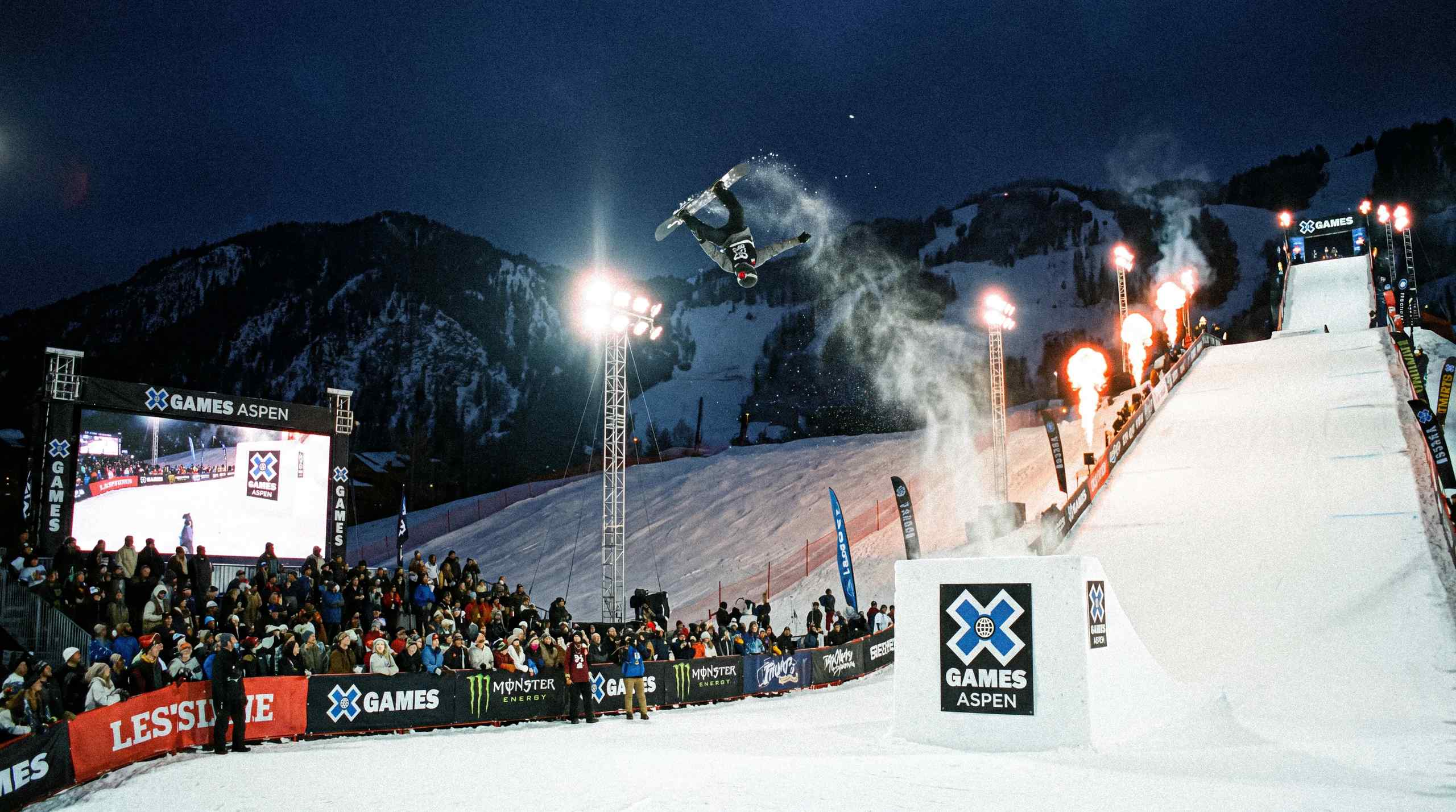
A Whole New X Game: Inside the XGL Winter League
X Games is no longer just about one weekend. XGL adds clubs, standings and a season-long title race, and now the format is heading to the snow.
By Charlon Muscat
Five Can't Miss Prospects Who Became Historic Draft Busts
A top-five draft pick can change a franchise. It can also become a spectacularly expensive mistake. These five highly touted prospects rank among the biggest draft busts in sports history.
By Bill Gelman