
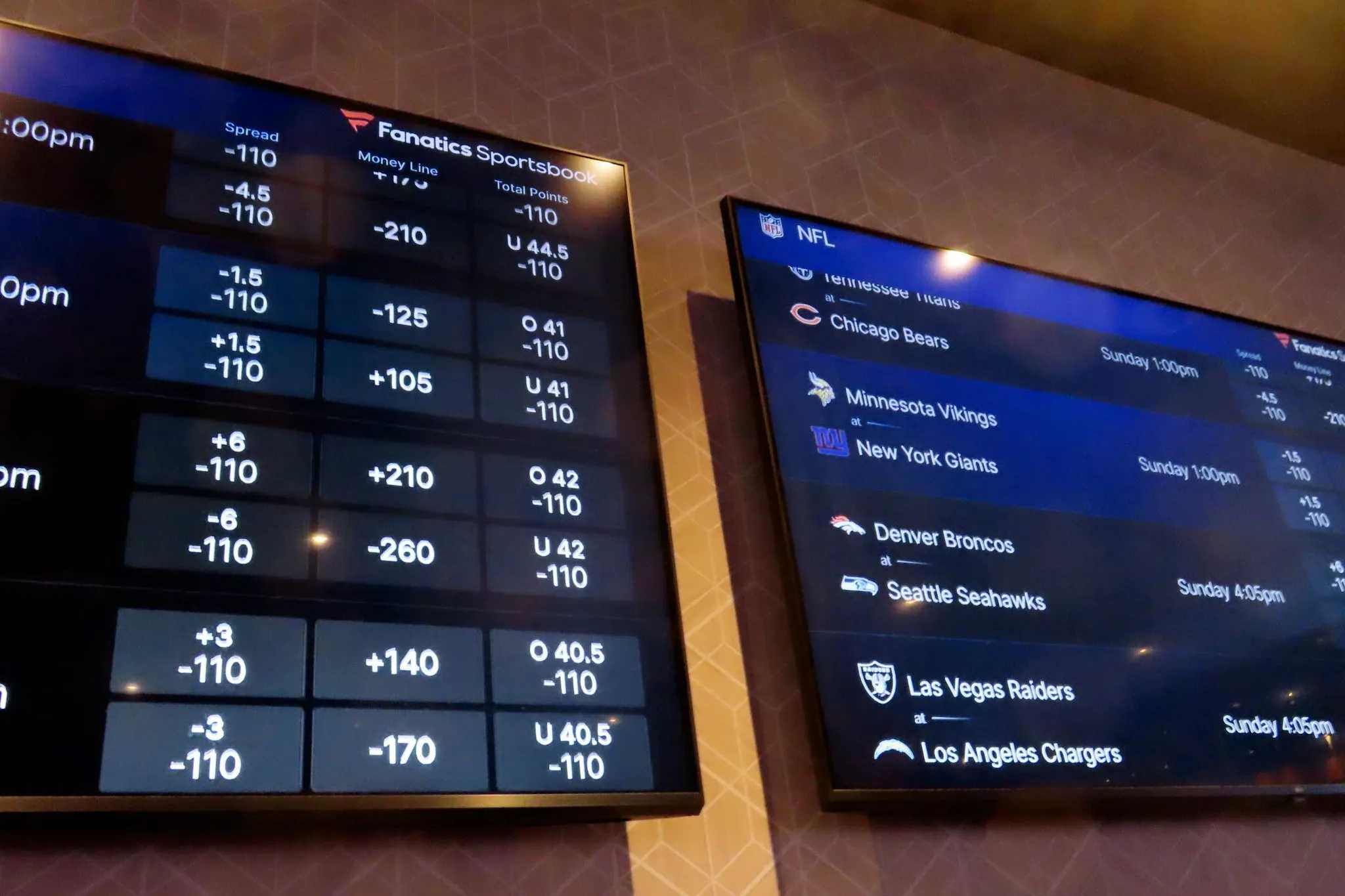
What Is a Pleaser Bet?
A plain-language breakdown of how a pleaser bet works, why it pays more than a parlay or teaser, and when Bodog bettors might actually consider one.

A pleaser bet is a multi-team sports betting wager where you shift the point spread or total against yourself in exchange for a much bigger payout. It works like a parlay in reverse of a teaser, trading better odds for a tougher line to cover.
Key Takeaways
- A pleaser bet moves the spread or total in the sportsbook's favor, not yours, in exchange for a bigger payout.
- Pleaser bets are the mathematical opposite of teaser bets, which move lines to help the bettor.
- A two-team, 6-point pleaser commonly pays around +600, but win rates are far lower than the odds imply.
- Pleasers carry heavy negative expected value and are rarely offered at major legal sportsbooks.
- Adding more teams increases the potential payout but also increases the house edge on every leg.
Quick Facts
| Category | Key Feature |
|---|---|
| Difficulty Level | Advanced |
| Estimated Time to Learn | 10 to 15 minutes |
| Best Suited For | Experienced bettors comfortable with high variance and small entertainment stakes |
| Related Topic | Teaser betting and reverse line movement in parlay wagers |
Why Does Understanding a Pleaser Bet Matter?
Understanding a pleaser bet matters because the payout looks tempting while the math almost always favors the house. Knowing how the line shift works helps you separate a fun, small-stakes flier from a bet that quietly drains your bankroll. This knowledge also helps you spot when a sportsbook is marketing a "reverse teaser" or exotic parlay that functions the same way under a different name.
How Does a Pleaser Bet Compare to a Teaser and a Standard Parlay?
| Bet Type | Line Movement | Typical Payout (2 Teams) | Win Difficulty |
|---|---|---|---|
| Standard Parlay | No adjustment to original lines | Around +260 to +265 | Moderate |
| Teaser | Moved in the bettor's favor | Around -110 to -120 | Easier |
| Pleaser | Moved in the sportsbook's favor | Around +600 | Much harder |
How Does a Pleaser Bet Actually Work?
A pleaser bet works by combining two or more spread or total selections into one wager and then pushing every line against you before the bet is graded. A pleaser is essentially the exact opposite of a teaser, since the primary difference is that teasers move the spread or total in the bettor's favor, whereas pleasers move the line in favor of the sportsbook.
That reverse shift is exactly why a teaser bet is the natural comparison point for anyone learning pleasers. This reverse structure is why a pleaser wager is also commonly known as a reverse teaser bet.
What Makes a Pleaser Bet Different From a Parlay?
A pleaser bet differs from a parlay because it forces every leg to clear a tougher number instead of using the original posted lines. A pleaser is a group of bets that uses alternate lines in the sportsbook's favor to make the bettor's payout exponentially greater, making it essentially a variation of a parlay that relies on alternate lines. That connection to the underlying structure of a parlay bet is why pleasers still require every single leg to win for the ticket to cash. Just as with teasers, all of the teams in a pleaser bet must win or the bet is considered a loss.
Why Do Pleaser Bets Pay So Much More Than Other Multi-Leg Wagers?
Pleaser bets pay more than other multi-leg wagers because the sportsbook is deliberately handing the house an edge on every single leg included. A traditional two-team, 6-point pleaser returns roughly +600, or 6-to-1 odds. With each team added to the pleaser, the potential payout increases, but so does the sportsbook's odds of winning. This is the same trade-off bettors weigh when building a same-game teaser, another exotic multi-leg format where combining more legs boosts the number but shrinks the realistic chance of cashing.
How Many Points Do Pleaser Bets Typically Move?
Pleaser bets typically move the spread by a fixed number of points that varies by sport and sportsbook. Football pleasers commonly adjust the spread by 6, 6.5, or 7 points, with some books allowing up to 10, while basketball pleasers usually move the line 4, 4.5, or 5 points.
College basketball often carries a steeper requirement, since a minimum of 5.5 points for an NBA game and 6 points for a college basketball game is frequently required to build a valid pleaser ticket.
Why Are Pleaser Bets So Hard to Find at Legal Sportsbooks?
Pleaser bets are hard to find at legal sportsbooks because most operators would rather sell bettors the safer, more popular teaser format. Pleaser betting is genuinely rare at legal sportsbooks like DraftKings or Caesars, largely because bettors have shown a strong preference for teaser betting or same-game parlays instead. Sportsbooks would rather lean into products bettors already understand than build out a market that is confusing and difficult to price.
Practical Examples of a Pleaser Bet
Example 1: A two-team football pleaser. Say Team A is favored by 6.5 points and Team B is a 4.5-point underdog in a separate game. A 6-point pleaser pushes Team A to -12.5 and Team B to -1.5, meaning both favorites must now win by more than their original spread just to cash the ticket.
Example 2: Checking sportsbook markets. Since pleasers are not universal, a bettor scanning the exotic wagers menu at a platform reviewed in Bodog's BetRivers sportsbook review would need to confirm whether pleaser or reverse-teaser markets even appear alongside standard parlays.
Example 3: Building your own pleaser. At sportsbooks without a formal pleaser section, bettors can parlay alternate spreads or totals to create similar odds to a pleaser ticket, sometimes with even better returns if the lines are pushed further against the selection. This DIY approach recreates the pleaser structure using tools most books already offer.
Common Mistakes Bettors Make With Pleaser Bets
- Treating the payout as the true probability. A +600 numbers looks generous, but the win rate needed to break even is far higher than casual bettors assume.
- Crossing key numbers unnecessarily. Pushing a line across common margins like 3 or 7 points in football makes the bet noticeably harder to cash.
- Stacking too many legs. Each additional team multiplies the payout, but it also compounds the house edge on the entire ticket.
- Confusing pleasers with teasers. The names sound alike, yet the line movement runs in opposite directions for each bet type.
- Betting pleasers with a serious bankroll. Pleasers should only be placed with money a bettor is comfortable losing entirely, since they are not bankroll-building bets.
How Does a Pleaser Bet Compare to Rivalry-Driven Wagers on Risk Appetite?
A pleaser bet compares closely to rivalry-driven wagers because both attract bettors who let excitement override the actual math behind the number. Chasing a bigger number on a marquee matchup mirrors the kind of decision-making explored in the psychological trap of rivalry betting, where emotional investment in an outcome can quietly override sound bankroll discipline. In both cases, the bettor accepts worse odds because the story around the bet feels more compelling than the numbers on the ticket.
Pleaser Bets vs. Rivalry Wagers: A Quick Comparison
| Comparison Point | Pleaser Bet | Rivalry Wager |
|---|---|---|
| Primary Driver | Chasing a large payout | Chasing emotional payoff |
| Risk Profile | Mathematically inflated against the bettor | Often inflated by public perception |
| Best Practice | Small stakes, entertainment only | Fade the emotional lean when possible |
Pleaser Bet Conclusion and Bodog Insight
A pleaser bet flips the teaser concept on its head, asking you to accept worse lines in exchange for a payout that looks far too good to pass up. The math rarely rewards that trade, and legal sportsbooks that even offer pleasers price them to win far more often than they lose. Bodog's take is simple: treat a pleaser like a lottery ticket, not a strategy, and keep the stake small enough that a loss never stings.
Pleaser Bet FAQs
What is a pleaser bet in simple terms?
A pleaser bet in simple terms is a multi-team wager where the point spread or total moves against the bettor for a bigger potential payout. Every selection must clear the tougher adjusted number for the ticket to win.
How is a pleaser bet different from a teaser bet?
A pleaser bet is different from a teaser bet because the line shifts in opposite directions for each. Teasers move the spread or total in the bettor's favor, while pleasers move the line in favor of the sportsbook.
What does a typical pleaser bet payout look like?
A typical pleaser bet payout on two teams at 6 points runs around +600, meaning a $100 bet returns $600 in profit if both legs cover their adjusted spread. A two-team, 7-point pleaser pays even more, typically around +700.
Are pleaser bets a good long-term strategy?
Pleaser bets are not considered a good long-term strategy for most bettors. Pleasers carry negative expected value in almost all scenarios, and even sharp bettors rarely find consistent value there.
Why don't more sportsbooks offer pleaser bets?
Most sportsbooks don't offer pleaser bets because customer demand skews heavily toward teasers and same-game parlays instead. Pleaser betting is rare at legal sportsbooks like DraftKings or Caesars largely because bettors have shown preferences for teaser betting or same-game parlays.
How many teams can go into a pleaser bet?
A pleaser bet usually requires a minimum of two teams, and many sportsbooks cap the ticket between six and eight selections. Adding more teams multiplies the payout but makes the bet dramatically harder to win.
Can I build a pleaser bet if my sportsbook doesn't offer one directly?
You can often recreate a pleaser bet even if your sportsbook doesn't label one directly. Bettors can parlay alternate spreads or totals to create odds similar to a pleaser ticket, sometimes with even better returns if the lines move further against the selection.
Continue Learning
- What Is a Teaser Bet: a full breakdown of the wager that moves lines in the bettor's favor, the direct opposite of a pleaser.
- What Is a Parlay Bet: the foundational multi-leg wager structure that both teasers and pleasers build on.
- What Is a Same Game Teaser: a related exotic wager that combines multiple legs from a single contest.
Sources & Review
The Bodog editorial team is comprised of experts in the iGaming, Sportsbetting, Lifestyle, Travel Wellness and Casino space.
More Articles like this
Which Sports Punish Losing Teams the Most?
From a punishing relegation to first draft pick optimism, discover which sporting leagues have the highest penalties for a losing season and those that feel comparatively lenient.
By Stuart Hughes
MLB Playoff Byes Aren't the Advantage You Might Think
Since baseball went to its current 12-team playoff format, the results show that bye teams only hold a slight Division Series advantage over Wild Card winners.

By Bill Gelman
McKenna, Martone Lead 5 NHL Rookies to Watch
Gavin McKenna and Porter Martone enter as the favorites, but a deep 2026-27 rookie class gives the Calder Trophy race plenty of potential challengers.

By Bill Gelman
Parlaymint Wants to Turn Parlays Into a Team Sport
Parlaymint turns the group parlay into a social sport, giving every bettor one pick, a share of the payout and potentially the entire bill if their leg is the only one that loses.

By Charlon Muscat
A Whole New X Game: Inside the XGL Winter League
X Games is no longer just about one weekend. XGL adds clubs, standings and a season-long title race, and now the format is heading to the snow.

By Charlon Muscat
Five Can't Miss Prospects Who Became Historic Draft Busts
A top-five draft pick can change a franchise. It can also become a spectacularly expensive mistake. These five highly touted prospects rank among the biggest draft busts in sports history.
By Bill Gelman