
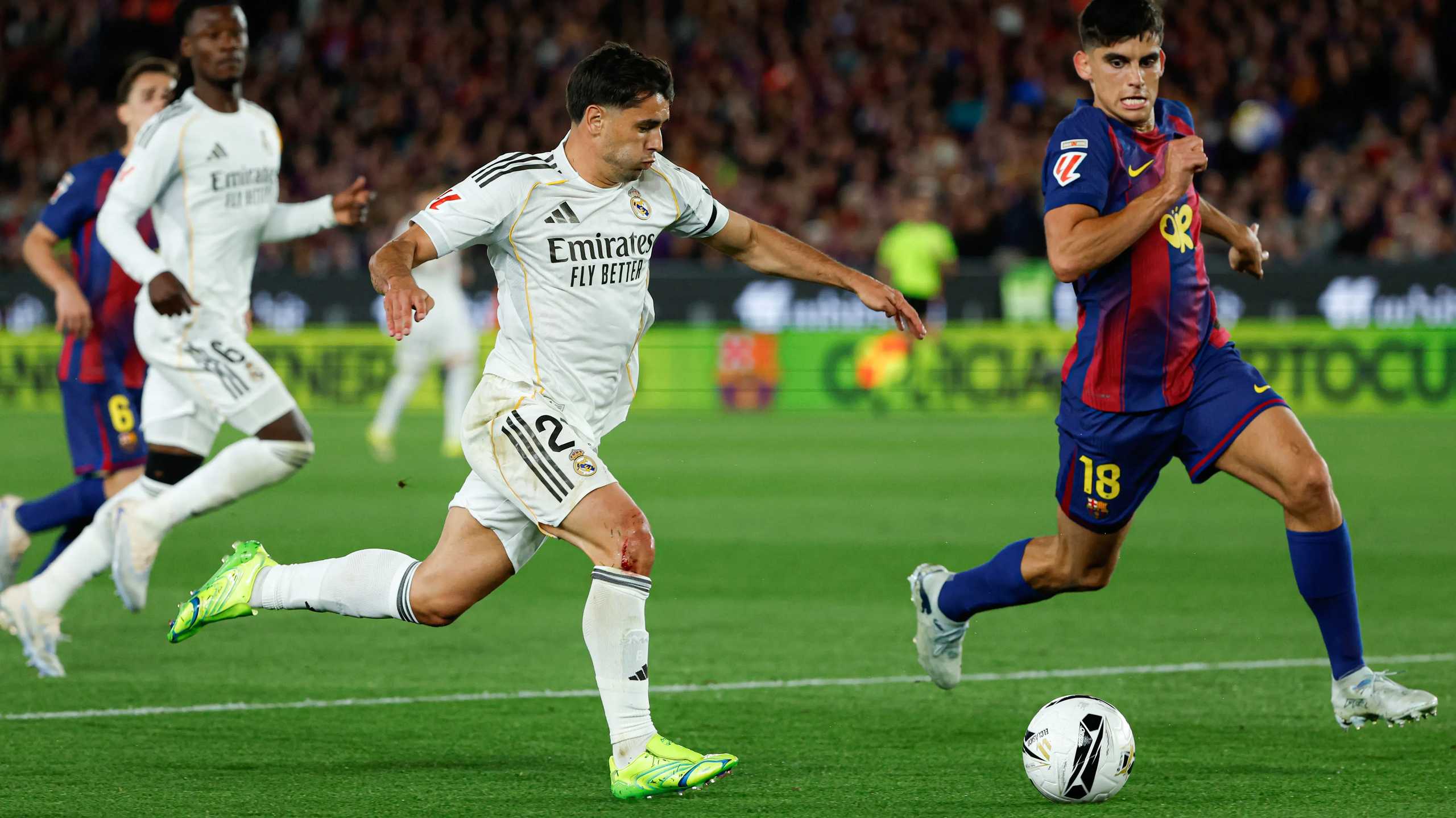
The Psychological Trap of Rivalry Betting
When age-old rivalries and deep-rooted tribalism collide on gameday, why do we always forgo our normal betting self-control? Whether it’s an NFL Divisional bust-up or an El Clásico clash, Bodog dives into the mystery of why rivalry games turn methodical punters into emotional gamblers every time.

We’ve all been guilty of it over the years, where we throw caution to the wind every time a high-stakes rivalry gameday arises on the sporting calendar. Where the routine search for value edges and structures bankroll management seemingly counts for nothing, and our hearts overrule our brains to wager not on what we think will happen, but on what we want to happen instead.
In this article, Bodog crunches the numbers and looks into the bizarre psychology as to why derby games and legacy grudge matches can lead to poor decision-making… and often gameday losses.
Why Rivalries Gamedays Change Our Brains
It happens every time. Rivalries simply hit deeper than any other gameday, instinctively tapping into our tribal mentality - from the moment the season schedule drops, the countdown begins, fuelled by the belief that this year will be our year.
From that point onward, divisional games, local derbies, and age-old rivalries become a divisive make-or-break fixture in the diary. Easily capable of unifying or dividing families on the day, rivalry games are arguably unique and highly intoxicating affairs.
Sound familiar? Well, you’re not alone - it happens right across the globe. Sports betting, whether it’s a Celtics-Lakers game or England-Australia in the Ashes, these games innately reduce our cogitative self-control and suppress our decision-making skills via the brain’s Dorsal Anterior Cingulate Cortex.
Furthermore, past wins have taught you that the sensation of beating a foe is always amplified when the part of the brain that releases dopamine – the ventral striatum - goes into overdrive. As a result, we’re forever chasing that same high, which tends to cloud logical thought when assessing future betting selections.
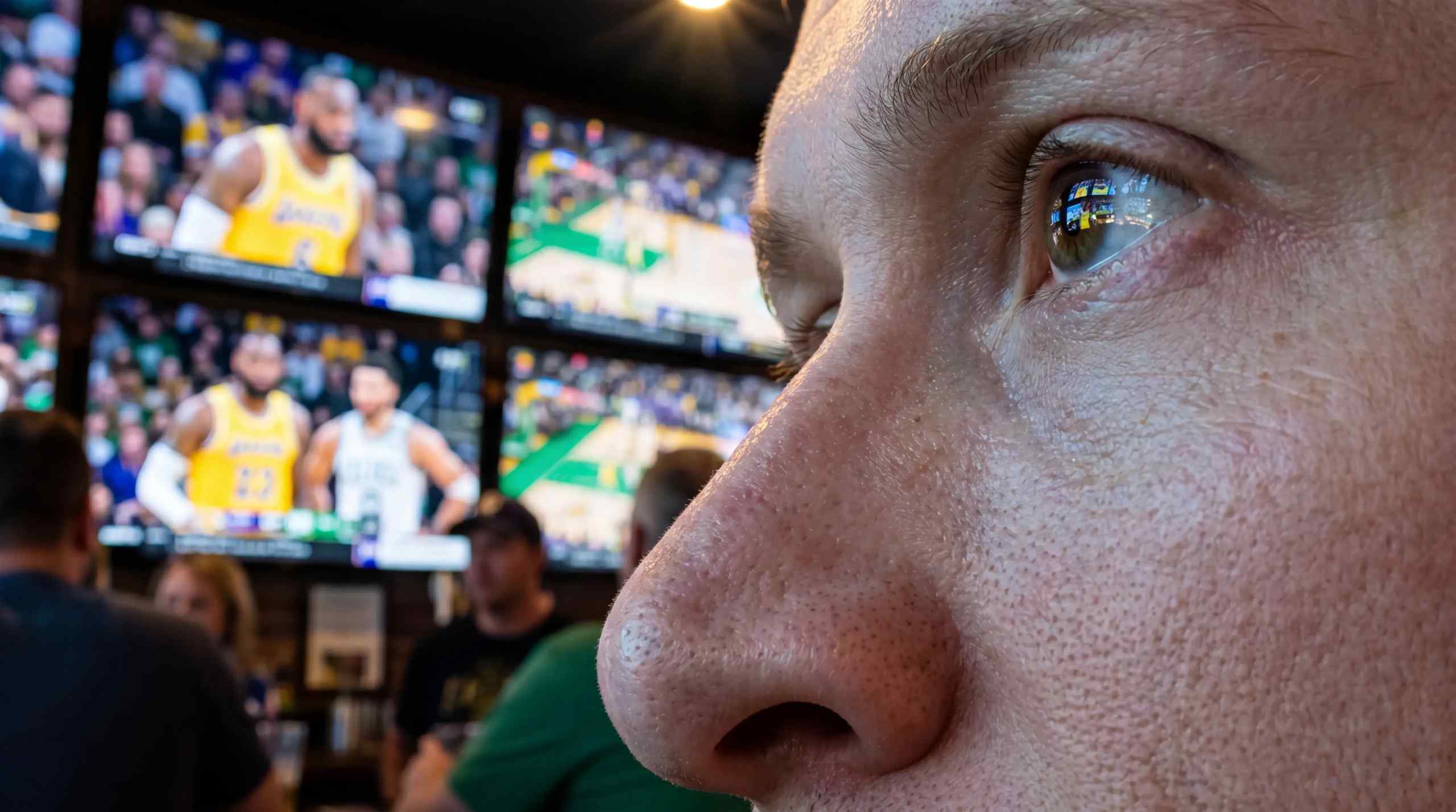
Why Do We Ignore Facts in Favor of Wishful Thinking
Truth be told, we already know why we do it - we just unwittingly choose to accept it. Ultimately, rivalry games elicit an intense emotional narrative every time because, theoretically, it’s a game we can’t afford to lose.
Inevitably, we know first-hand that the post-game banter from rival friends, family, and work colleagues is unbearable when we lose. Not only that, but it becomes magnified if our team is facing back-to-back losses, or worse, it involves losing the Super Bowl, NBA Finals, or a Champions League final <<<< Insert Champs League Link>>>>.
That’s why, on the day, we can subconsciously overlook blatant red flags, including known injury concerns, team form, and not having homefield advantage before placing our bets. Yet, dare to apply these same terminal flaws before any other game, and we openly accept we’d lose more bets than we’ll win.
Why Sportsbooks Revel in Rivalry Games
It’s fair to say, sportsbook executives don’t just like big derby games and rivalries - they absolutely love them.
Firstly, betting volume jumps as both casual and seasoned bettors join the fold, led by an emotionally charged bias driven more by sentiment than sensibility. Not only that, but new bettors are also lured into wagering on the action as rival games see a surge in sportsbook betting promotions and special sign-up offers being advertised.
Sportsbooks relish the fact that rivalry crunch games often encourage fans to blindly bet on their own teams - regardless of logic or value - and, by balancing the overround, they almost always win big.

Legendary Rivalries in World Sport
| Sport | Teams Involved |
|---|---|
| NFL | Green Bay Packers vs Chicago Bears |
| NBA | Boston Celtics vs Los Angeles Lakers |
| MLB | New York Yankees vs Boston Red Sox |
| Soccer | Barcelona vs Real Madrid |
| Cricket - The Ashes | England vs Australia |
The Dangerous Betting Techniques You Need To Be Aware Of
When it comes to betting on the big game itself, surprisingly, it's not just a willingness to forgo normal wagering protocols when grudge games arise, but the style of how fans bet can also change. Below is a shortlist of the types of bets rivalry clashes often invoke:
Overzealousness in the Overs Markets
Remarkably, there is a romanticized fondness among fans to always recall the high-scoring classics rather than remembering the dire low-scoring affairs. Hence, when betting before these massive games, this skewed misjudgment frequently distorts the true value of the overs markets, which is great for a neutral bettor unfazed by the hype.
Mispriced Moneylines
Another sizable factor to consider when two sets of rival fans actively back their teams ahead of a game is that the betting lines become less efficient as their true value is priced out of the market. Again, for the unbiased bettor, this can deliver a fantastic chance to fade the market, opting for the higher odds of a tie if the pre-game indicators suggest so.
Revenge Bets
Granted, not all fans fall into this category, but revenge betting stems from punters attempting to chase losses from a previous clash or wager in the belief that the result is 'due' to go their team's way this time around. While this concept may sound plausible, as we know, emotionally led wagering based on previous results rarely delivers profits in the long run.
Live Tilt Betting
Unfortunately, rivalry matches also create the perfect conditions for tilt betting as real-time incidents on the pitch intrinsically sway in-play wagering decisions. Triggering game events such as a poor refereeing decision, your rivals scoring, or even your team playing poorly has been known to weaken people's resolve and lead them to place ill-disciplined in-play bets in the heat of the moment.
A Smart Bettor’s Approach to Wagering on Rivalry Games
Perhaps the simplest rule is also the hardest to follow - treat every local derby or rivalry clash like you would any other game. Remember, the sportsbook odds and prediction market’s prices couldn’t give a damn about how much beating your rivals would mean to you; they simply reflect the likelihood of them doing so.
Instead, before you place any bets on the big game, look at it from the perspective of an objective fan. Put your loyalties to one side and ask yourself, would you bet on any other team if they had the same form, player matchups, or were playing the game on the road?
Other than that - unless you don’t care about losing money – maybe sit out the grand slam rivalry games and avoid the temptation of betting on your team. That being said, we're not telling you to start backing your fiercest rivals, that would be criminal, instead leave this selection alone and just kick back and enjoy the contest for what it is.
The Bettor’s Dilemma: Pride vs Profit
No question about it, for as long as time, rivalries have been a customary ritual witnessed across every sporting discipline you can think of. Some may only be decades old, others go back centuries, but whether it's Red Sox taking on the Yankees, or United beating City in the Manchester derby – the history, the glory, and the raw emotion are the fundamental reasons why these games mean so much to us.
Sure, the predicament bettors face when wagering on rivalry games is separating themselves from the sentiment of what winning might mean and instead focusing on making informed decisions. The stronger the emotive pull is, the easier it becomes to ignore logic - but acknowledge these foibles ahead of time, and you’ll have a stronger chance of profiting next time your team manages to stick it to your rival.
Stuart Hughes is a London-based freelance journalist covering sports, travel, lifestyle, and technology. He’s worked with brands like Lenovo, Best Western, and Frontier Airlines, bringing a global perspective shaped by years of travel.
More Articles like this
5 Outrageous Sports Rules That Need to Die
From a missed signature disqualification to a two-minute penalty for a tucked-in jersey, find out about the top five dumbest rules in sport that leave common sense in the locker room.

By Stuart Hughes
The 10 Most Unforgettable Quotes in Sports History
From Jordan's hard truths to Healy's cheeseburger dig, these legendary greats uttered 10 iconic quotes that turned out to be as memorable as their sporting achievements.
By Stuart Hughes
Eight Years, Eight NBA Champions. Is Parity Here to Stay?
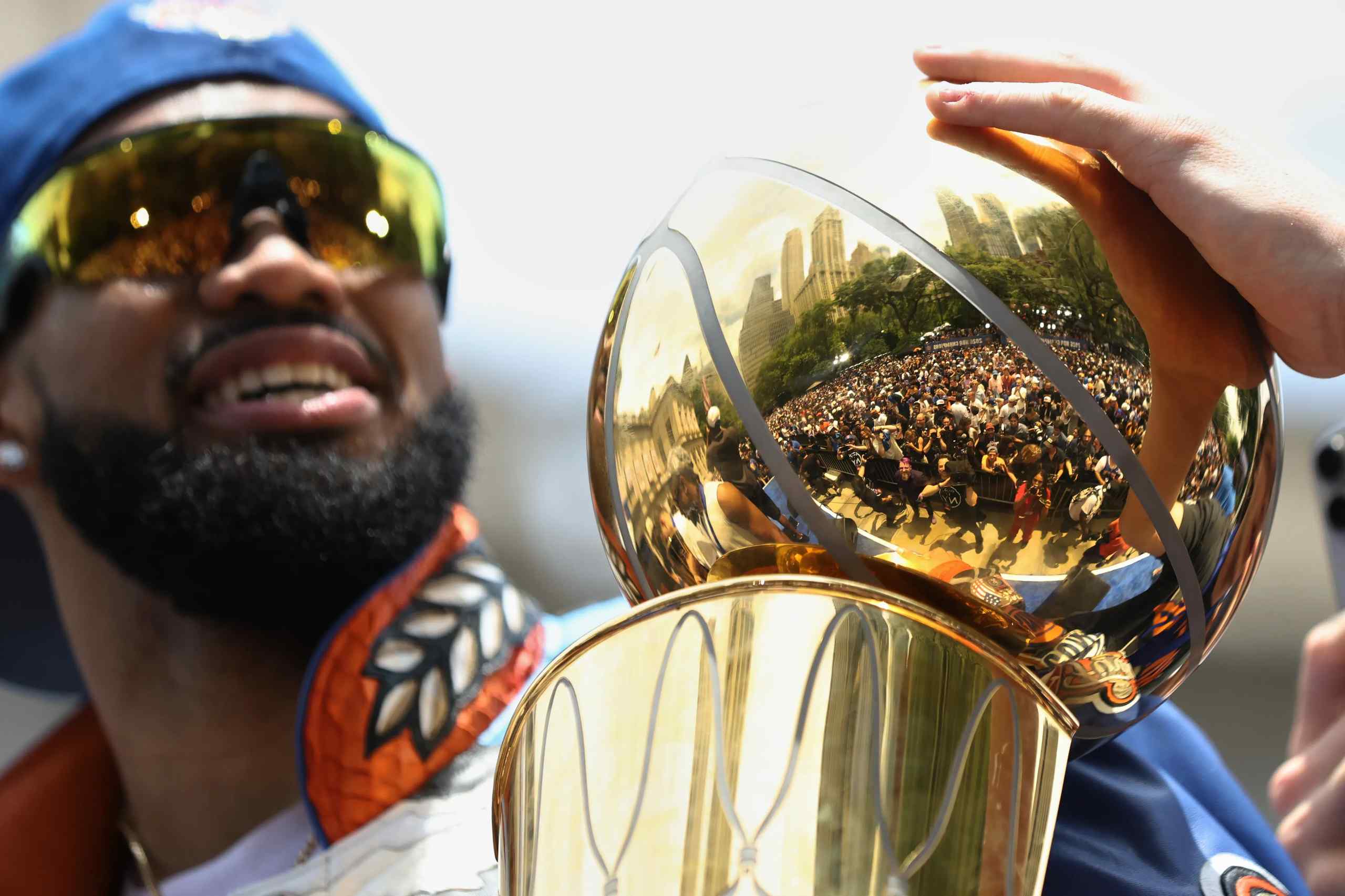
Eight different teams have won the NBA championship in eight years, the longest such streak in league history. Can the Knicks finally break the cycle, or will another contender claim the crown?
By Bill Gelman
Is This the Biggest Acquisition Era in Sports Betting History?
Sportsbooks, prediction markets, and sweepstakes apps are fighting for the same customers. We compared 11 welcome offers to see who's offering the biggest incentives.

By Cole Rush
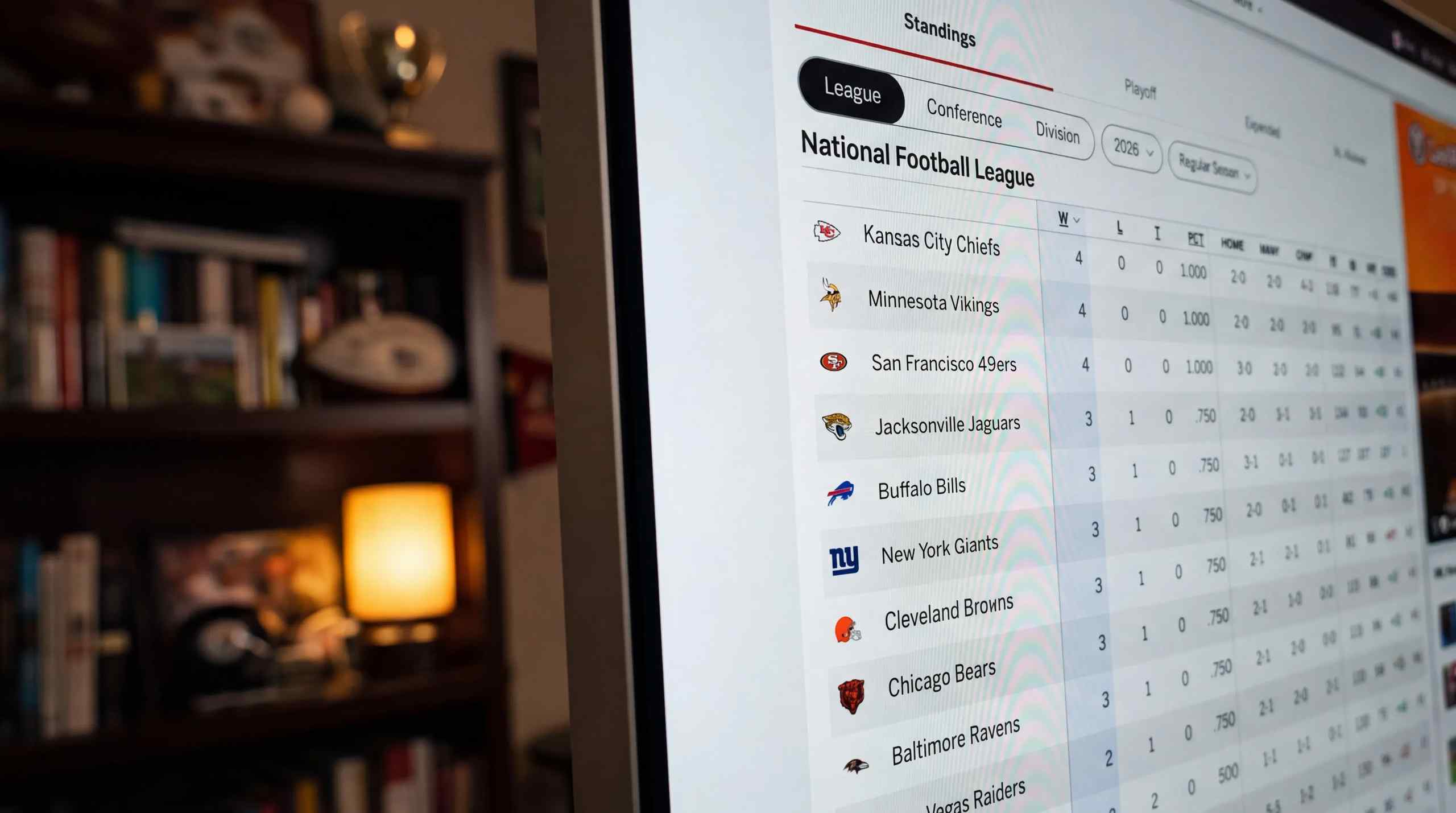
Does a 4-0 NFL Start Mean You're Playoff Bound?
A 4-0 start can put your team on the fast track to the playoffs, but history shows that even Super Bowl champions don't always start strong.
By Marcus Mosher
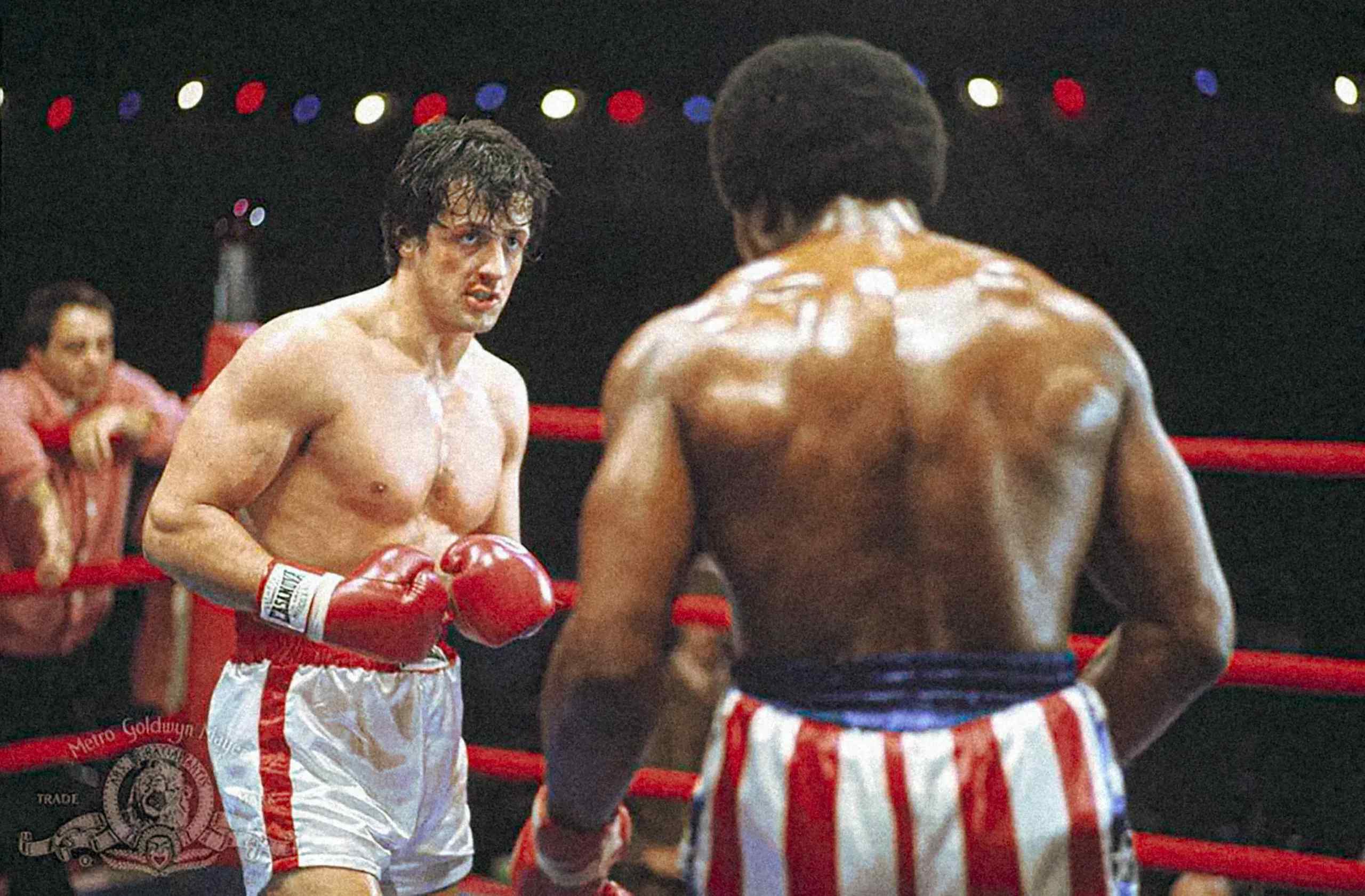
The 8 Greatest Sports Movies Ever Made, Ranked
Rocky isn't No. 1 by default. We ranked the eight greatest sports movies ever made, from a boxing warhorse to a table tennis fever dream, weighing critical scores against what actually stuck.
By Cole Rush