
How to Stay Balanced During NBA and NHL Playoff Betting
Playoff betting can be exciting—but also risky. This guide breaks down how to manage your bankroll, avoid emotional decisions, and stay in control throughout the postseason.

There is nothing like betting on the NBA and NHL playoffs in May. The games are bigger, the moments feel heavier, and every win or loss seems to mean a little more.
That is exactly why playoff betting can get away from people if they are not careful. When the action gets more intense, it becomes easier to chase losses, stretch your bankroll, or talk yourself into riskier bets that look more exciting than they really are.
The good news is that there are a few simple ways to stay balanced. And in some cases, there is actual data that backs up those strategies.
While playoff betting is highly enjoyable, it can also be a trap for some bettors, so here are a few tips and tricks to help you stay balanced throughout the playoffs.
Set a realistic bankroll and create limits
One of the most important steps a bettor can take during the playoffs is setting a fixed bankroll before the first game begins. That means deciding how much money you are comfortable losing over the course of the postseason and sticking to it no matter how the action goes.
That advice is not just common sense. There is responsible-gambling research that supports it. Canada’s Lower-Risk Gambling Guidelines recommend gambling no more than 1% of household income before tax per month, no more than four days per month, and on no more than two types of gambling. In the research behind those guidelines, the risk of harm rose sharply once spending moved past that 1% threshold.
So, if you are building out a playoff bankroll, the point is pretty simple. Pick a number that will not affect your finances, mood, or responsibilities if it is gone by the end of the month. Then break that number into smaller units and stay consistent with your bet sizing from game to game.
Why parlays are great for the sportsbooks
There is no question that parlays are appealing during the playoffs. A same-game parlay on a big NBA matchup or an NHL playoff game can make a small bet feel a lot more exciting. The problem is that the bigger payout comes with worse math for the bettor.
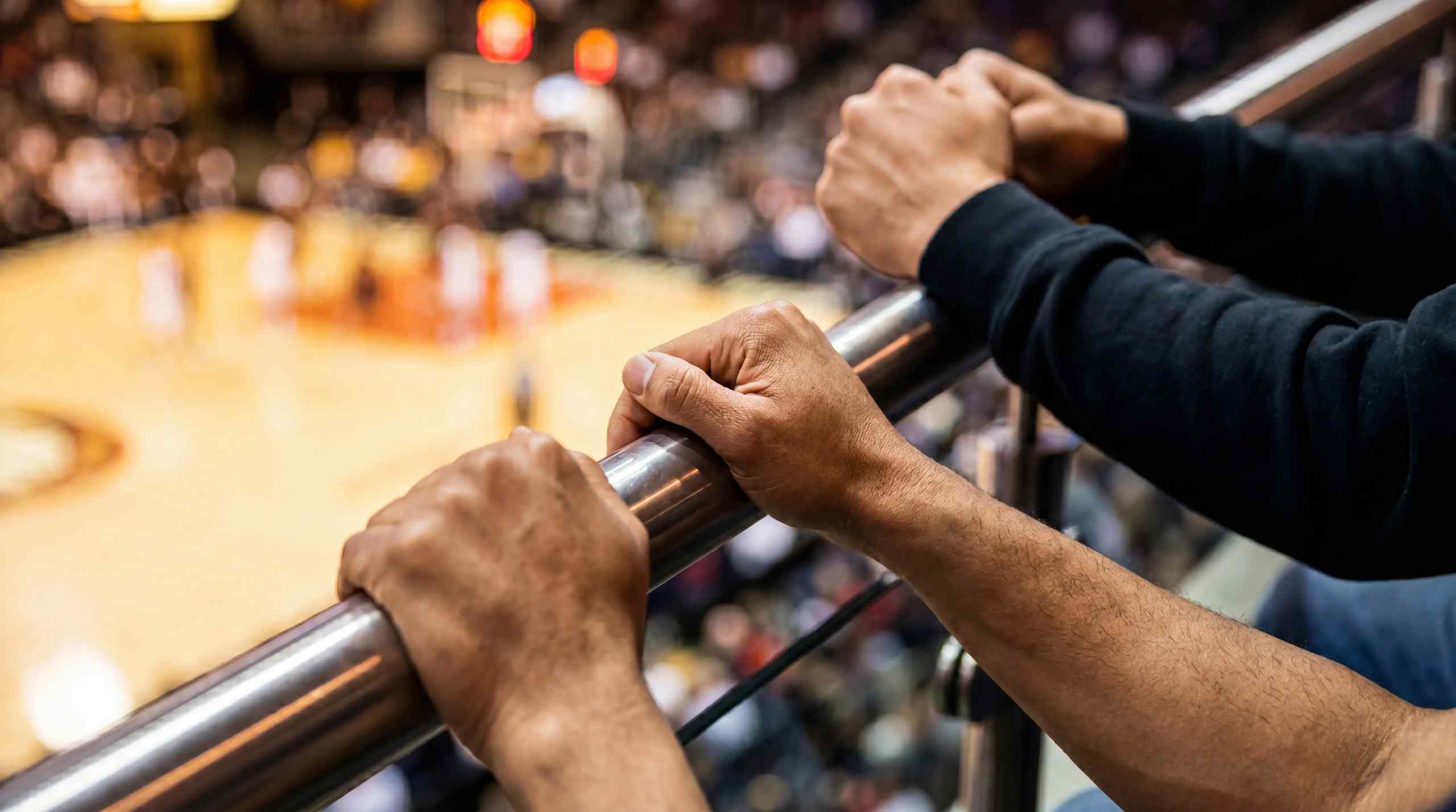
A standard -110 straight bet already gives the sportsbook a small built-in edge of about 4.5% (hold percentage). Once you start stacking multiple legs together, that edge compounds. A two-leg parlay made up of standard -110 bets carries a hold of about 8.9%. A three-leg parlay rises to about 13.0%. A five-leg parlay jumps to about 20.7%. So yes, the payout looks better on the screen, but the sportsbook’s advantage is growing right along with it.
That is also why parlays make so much money for operators. According to the Washington Post, Maryland bettors put 36% of their sports-betting dollars on parlays, but those wagers accounted for 67% of sportsbook revenue.
In New Jersey, sportsbooks were holding about 20% of money wagered on parlays compared with about 5% on other bets. The same reporting cited a Rutgers analysis that found New Jersey bettors lost $1.41 for every dollar won on parlays, compared with $1.16 on point-spread bets and $1.10 on over/under bets.
Keep that in mind during the playoffs. Parlays can still be fun if you treat them as small entertainment bets. But if your goal is staying balanced and making your bankroll last through multiple series, straight bets are usually the safer path.
Strategies for maintaining discipline and enjoyment
One of the biggest mistakes bettors make during the playoffs is letting the moment dictate the wager. That can happen after a bad beat, after a hot streak, or just because a primetime NBA or NHL playoff game feels too big to sit out. But the playoffs should not change your entire approach.
If you have set a bankroll and a unit size, stick to it. If you said you were only going to bet a certain number of games each week, stay with that plan. The data around lower-risk gambling points in the same direction as the common-sense advice here. More spending, more betting frequency, and more exposure across different betting types all tend to increase the chance of harm.
That is why it helps to think of playoff betting the same way you would think about buying tickets to a game or going out for the night. It is entertainment. It can make the action more fun. But it works best when it stays inside a set budget and does not start taking over the rest of your life.
When to step back
Everyone has a tipping point. For some bettors, it happens when they start increasing their stakes after losses. For others, it shows up when they are checking odds all day, forcing bets they did not plan to make, or getting more stressed than entertained by the games.
That is when it is time to take a step back. Most sportsbooks offer deposit limits, spending caps, and cool-off tools for a reason. Those features exist to help people create a little distance when the betting stops being fun. And there is real evidence suggesting those kinds of hard limits can help more than loose promises made in the moment.
The goal during the NBA and NHL playoffs is to enjoy the games and add a little more excitement to the action. If you go in with a set bankroll, stay disciplined with your bet sizing, and understand which wagers truly favor the sportsbook, you will give yourself a much better chance of keeping the playoffs fun from start to finish.
Marcus Mosher is an experienced NFL analyst and insider with more than a decade covering the league. His work has appeared on Pro Football Focus, The 33rd Team, The Athletic, and USA Today. Specializing in player evaluation, NFL Draft analysis, and sports betting, Marcus blends film study, analytics, and roster insight to deliver sharp, actionable football coverage. He also hosts the Locked On Cowboys and Locked On Dynasty Football podcasts.
More Articles like this
Do NHL Stars Lose Their Edge After Signing Huge Contracts?
Do NHL stars really take their foot off the gas after a big payday? We analyzed 29 major contracts to find out.
By Charlon Muscat
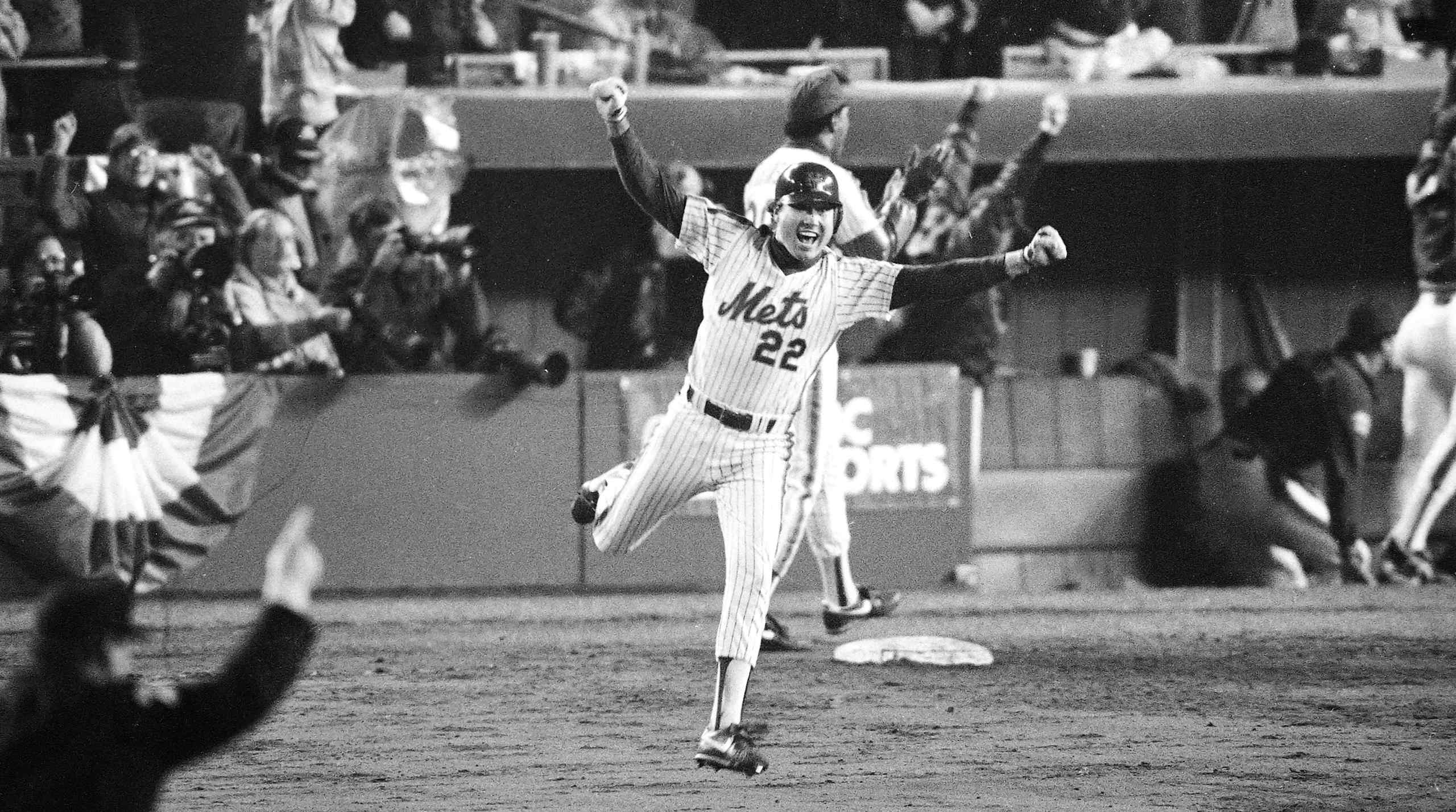
Five Iconic World Series Moments Since the Brewers' Appearance
The Brewers are back in the World Series after 44 years. From Bill Buckner's error to the Cubs ending their curse, plenty has happened since 1982.
By Bill Gelman
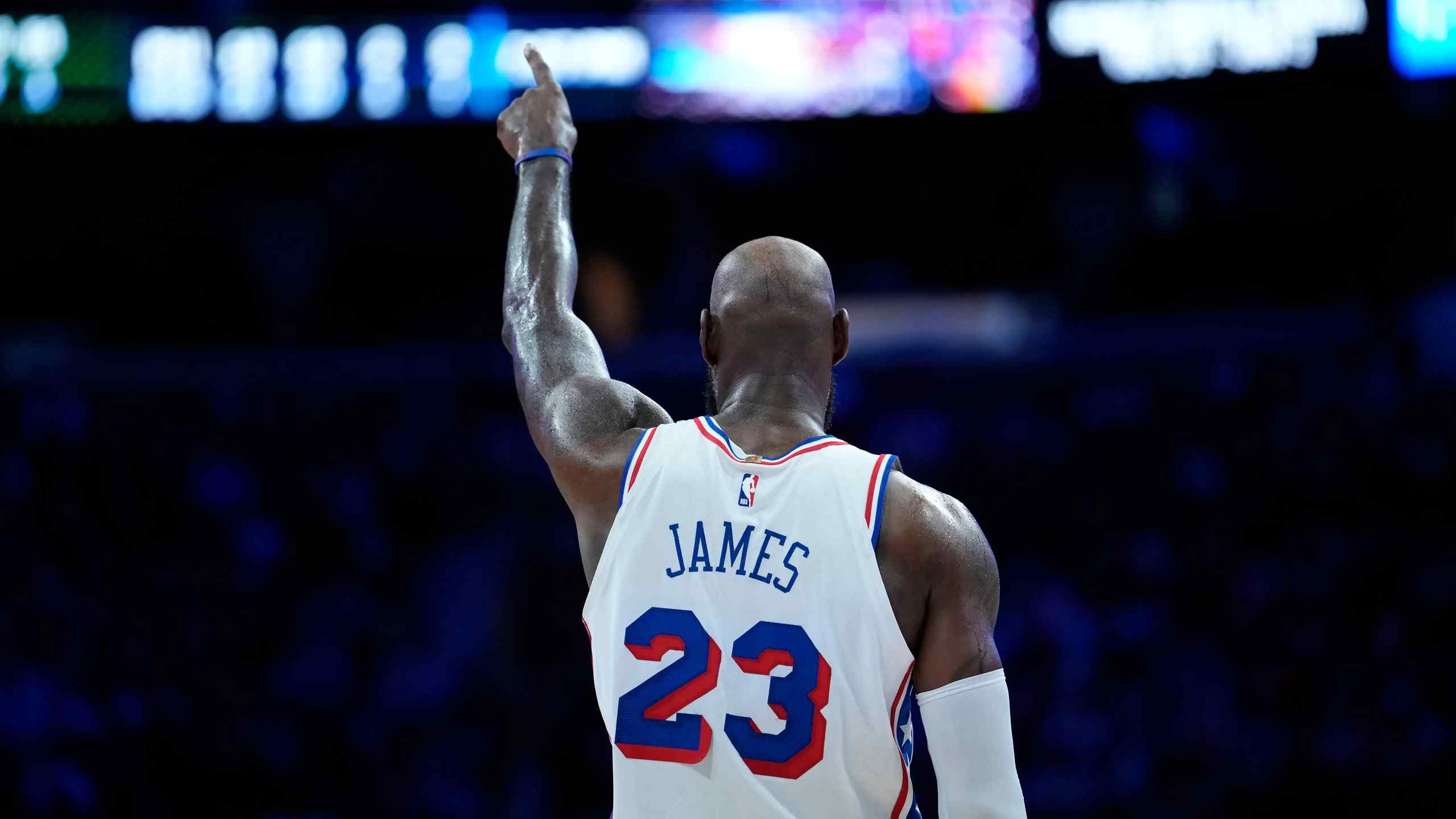
LeBron to Giannis: Ranking 5 NBA Offseason Stunners
LeBron to Philly, Giannis to Miami, and Wemby staying put. Which NBA offseason move will pay off the most?
By Bill Gelman
NFL Fans Spend $900 to Watch Games. WWE Fans Pay Even More
Think watching every NFL game is expensive? WWE fans would argue otherwise.

By James Guill
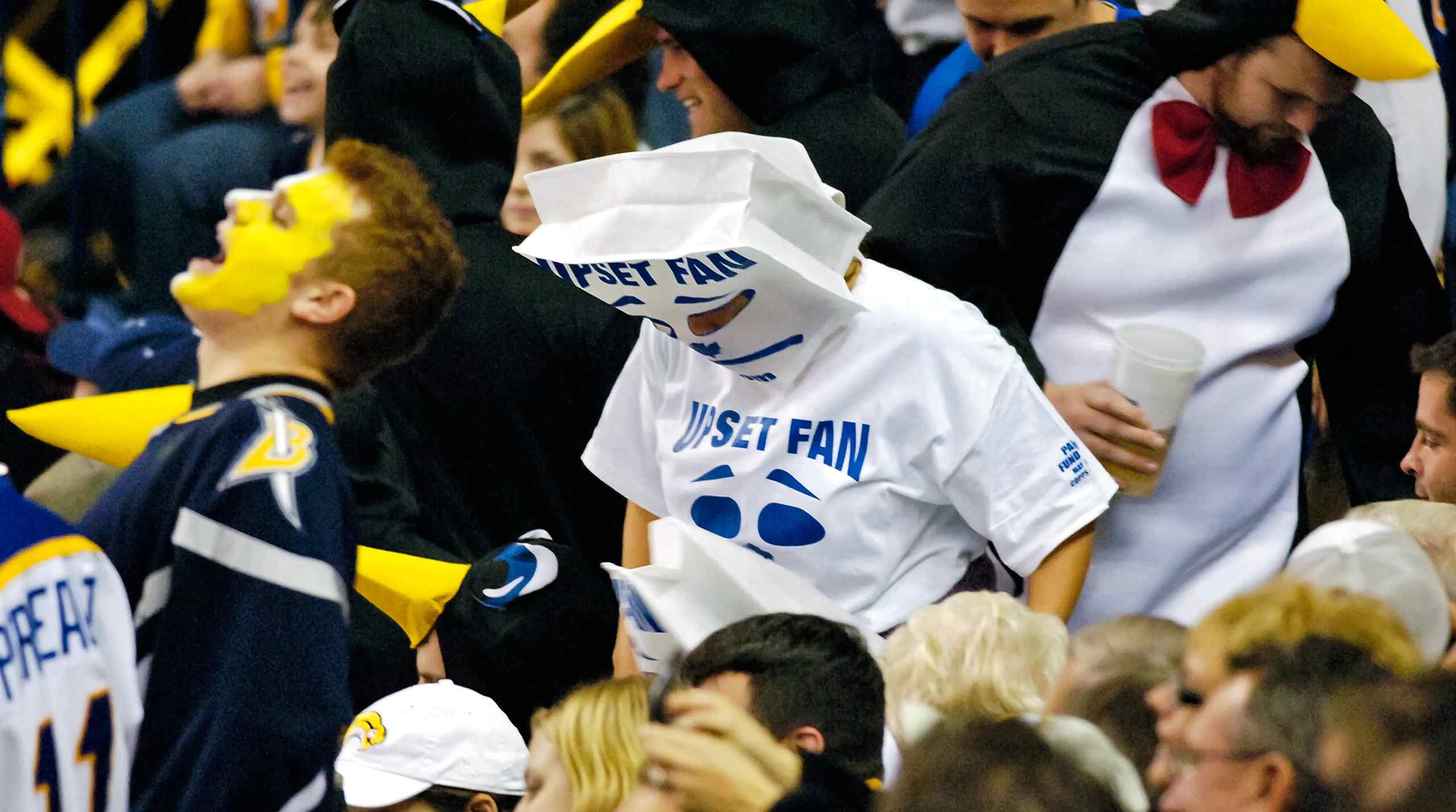
How Bad Is It? Ranking the NHL's Original Six by Fan Misery
Nearly 60 years without a Stanley Cup is just the beginning. We rank the NHL's Original Six teams by how much misery their fans have endured.
By Bill Gelman
Why Does Everybody Hate Us? 10 Most Hated Sports Teams Ever
Some teams always win; others get caught breaking the rules. Either extreme is a surefire way to become universally hated, as these 10 sports teams can attest to.
By Stuart Hughes