
.webp)
What Is a Prop Bet?
A direct, sourced explainer on what a prop bet is, how player, team, and novelty props work, and how they compare to spreads and moneylines.

A prop bet is a sports betting wager on a specific occurrence within a game, such as a player's stat line or a team milestone, that has no direct bearing on the final score. It stands apart from spreads, moneylines, and totals because it isolates one moment or number instead of the game's overall result.
Prop Bet: Key Takeaways
- A prop bet, short for proposition bet, targets an event inside a game rather than the final outcome.
- Prop bets fall into four main groups: player props, team props, game props, and novelty props.
- Most props use over/under or yes/no formats priced around standard -110 odds.
- Prop markets carry wider "juice" than spreads because sportsbooks price so many of them at once.
- Some states restrict college prop bets following integrity concerns raised in 2024.
Quick Facts
| Category | Detail |
|---|---|
| Difficulty Level | Beginner-friendly |
| Estimated Time to Learn | 10 to 15 minutes |
| Best Suited For | Casual bettors, stat-driven fans, fantasy players |
| Related Topic | Live and micro-betting on individual in-game moments |
Why Does Understanding Prop Bets Matter?
Understanding prop bets matters because these markets reward specific knowledge rather than general team support. A bettor who tracks usage rates, matchups, or weather conditions can find mispriced lines that sportsbooks haven't fully modeled.
Prop betting is often the best way to find positive expected value because sportsbooks don't have the capacity to track every single player's usage, matchup, or injury status.
Prop Bet Types at a Glance
| Prop Bet Type | What It Tracks | Typical Format | Example |
|---|---|---|---|
| Player Prop | Individual performance stats | Over/Under or Yes/No | Quarterback passing yards over 249.5 |
| Team Prop | Team-level totals | Over/Under or moneyline | Team total rushing yards over 110.5 |
| Game Prop | Whole-game occurrences | Yes/No or Over/Under | Will the game go to overtime |
| Novelty Prop | Non-sport related events | Yes/No or multi-outcome | Length of the national anthem |
What Types of Prop Bets Can You Place at a Sportsbook?
The types of prop bets available at a sportsbook break down into player props, team props, game props, and novelty props, each targeting a different layer of the action. Player props focus on one athlete's statistics, such as rebounds or receiving yards, while team props track a squad's collective totals. There are typically three main categories to bet on: player props, game props, and team props.
Novelty props step outside the game entirely and cover things like the coin toss or the color of the Gatorade dumped on the winning coach. A related market worth knowing is the spot bet, which narrows the wager to a single moment inside one play rather than a full statistical range, a distinction covered in detail in Bodog's breakdown of what a spot bet is.
How Does Live Prop Betting Work During a Game?
Live prop betting lets you wager on proposition outcomes after kickoff, tip-off, or first pitch, with odds shifting in real time as the action unfolds. A passing yards prop might move from 249.5 to 265.5 by halftime if the quarterback is on pace to blow past the original number.
This constant repricing is possible because sportsbooks recalculate probability continuously rather than locking a single pregame numb. The mechanics behind that recalculation are explained further in the resource on how live betting works.
Why Are Prop Bets Growing Alongside Micro-Betting Trends?
Prop bets are expanding quickly because they fit naturally into micro-betting, the practice of wagering on a single play instead of an entire game. Next-pitch, next-corner, and next-possession markets are essentially rapid-fire prop bets stacked one after another.
This shift toward granular wagering is reshaping how sportsbooks build their boards each week. Bodog's analysis of why micro-betting is taking over traces how this trend grew directly out of prop betting's popularity.
How Are Prop Bet Odds and Payouts Calculated?
Prop bet odds are calculated the same way as any other market: a sportsbook sets a line and prices both sides using American odds, usually near -110. In an NBA example, if a rebounding line is set at 7.5 at -110 for the Over, a $100 wager would profit $90.91 if the player records at least 8 rebounds, for a total return of $190.91.
Most prop bets carry odds known as juice or vig that reflect implied probability and the sportsbook's liability, so an Over/Under receiving prop set at 65.5 yards might price both sides at -115. That means risking $1.15 to win every $1 of profit.
Where Did Prop Betting Come From?
Prop betting traces back to a single wager that became a Las Vegas legend. Proposition bets first popped up for Super Bowl XX in 1986, when Las Vegas oddsmakers took bets on whether Chicago defensive tackle William "The Refrigerator" Perry would score a touchdown.
The unique nature and excitement of that market quickly gained popularity, and prop bets became a staple of Super Bowl betting before spreading to regular-season contests across every sport. What began as a novelty side bet is now a permanent fixture of modern sportsbooks.
What Are Some Real Prop Bet Examples?
Example 1: NFL Passing Yards Prop. A quarterback's line is set at 249.5 passing yards. Betting the Over means you win if he throws for 250 or more; betting the Under means you win at 249 or fewer.
Example 2: NBA Player Prop. A center's scoring line is set at 29.5 points at -110, so an Over bettor wins if he scores 30 or more, an Under bettor wins at 29 or fewer, and -110 means risking $110 to profit $100.
Example 3: Managing a Losing Position. If a live prop starts moving against your original bet, some bettors offset the risk by placing an opposing wager once the odds shift enough to guarantee a smaller, locked-in outcome. That strategy is explained step by step in the guide on how to hedge a bet.
What Common Mistakes Do Prop Bettors Make?
The most common mistake with prop bets is treating every market as equally reliable, when sportsbooks can't price hundreds of props with the same precision as a single point spread. Bettors who ignore that gap often take bad numbers on thin markets.
- Assuming a "fun" novelty prop carries the same value as a well-researched player prop.
- Betting a prop without checking injury reports or usage trends first.
- Parlaying too many correlated props together, which compounds variance instead of value.
- Ignoring line movement on live props and betting a stale number.
- Confusing a prop bet with a spot bet, which narrows the wager to a single play rather than a full statistical range.
How Does a Prop Bet Compare to a Point Spread or Moneyline?
A prop bet differs from a point spread or moneyline because it never depends on which team wins. A point spread and moneyline both settle based on the final score, while a prop settles on an isolated event inside the game.
Comparing Prop Bets
| Bet Type | Depends on Final Score? | Typical Use | Example |
|---|---|---|---|
| Prop Bet | No | Player or team stats, novelty events | Player over 6.5 assists |
| Point Spread | Yes | Margin of victory | Team -6.5 |
| Moneyline | Yes | Straight-up winner | Team +170 |
| Futures | Yes (season-long) | Championship or award odds | Team to win division |
Bodog Insight: What Should You Remember About Prop Bets?
A prop bet gives you a way to wager on the details of a game instead of just the scoreboard. It rewards bettors who study stat lines, injury reports, and matchup trends rather than blind team loyalty.
Bodog's markets cover player, team, game, and novelty props across every major sport, giving sharp bettors room to find value the oddsmakers missed. Treat every prop like its own small research project, not a coin flip, and the math starts working in your favor.
Prop Bet FAQs
What does prop mean in betting?
Prop is short for proposition, a wager on a specific event inside a game rather than the final score.
Are prop bets legal in every state?
Not entirely; NCAA president Charlie Baker called for a ban on prop bets in college sports in early 2024, and some states adjusted their laws while others did not.
What is the difference between a player prop and a team prop?
A player prop tracks one athlete's individual statistics, while a team prop tracks a whole squad's combined totals.
Can you parlay prop bets together?
Yes, most sportsbooks allow same-game parlays combining multiple props, though correlated combinations are often restricted.
Why do prop bets have worse odds than spreads?
Sportsbooks price hundreds of props for every game, so lines are wider and less precisely calculated than a single point spread.
What happens if a player doesn't play in a game with an active prop?
If a player included in a prop bet does not participate, the bet is typically voided and the stake refunded, though rules vary by sportsbook.
Do prop bets exist outside of sports?
Yes, novelty props extend to award shows, elections, and reality television finales at many sportsbooks.
Continue Learning
- British gambling terms: a glossary that helps decode UK betting slang you'll encounter alongside prop markets.
- The psychological trap of rivalry betting: a look at how emotion skews judgment on props tied to rivalry games.
- Betting on everything: an exploration of how prop-style wagering has expanded into prediction markets beyond sports.
Sources & Review
The Bodog editorial team is comprised of experts in the iGaming, Sportsbetting, Lifestyle, Travel Wellness and Casino space.
More Articles like this
Does a 4-0 NFL Start Mean You're Playoff Bound?
A 4-0 start can put your team on the fast track to the playoffs, but history shows that even Super Bowl champions don't always start strong.
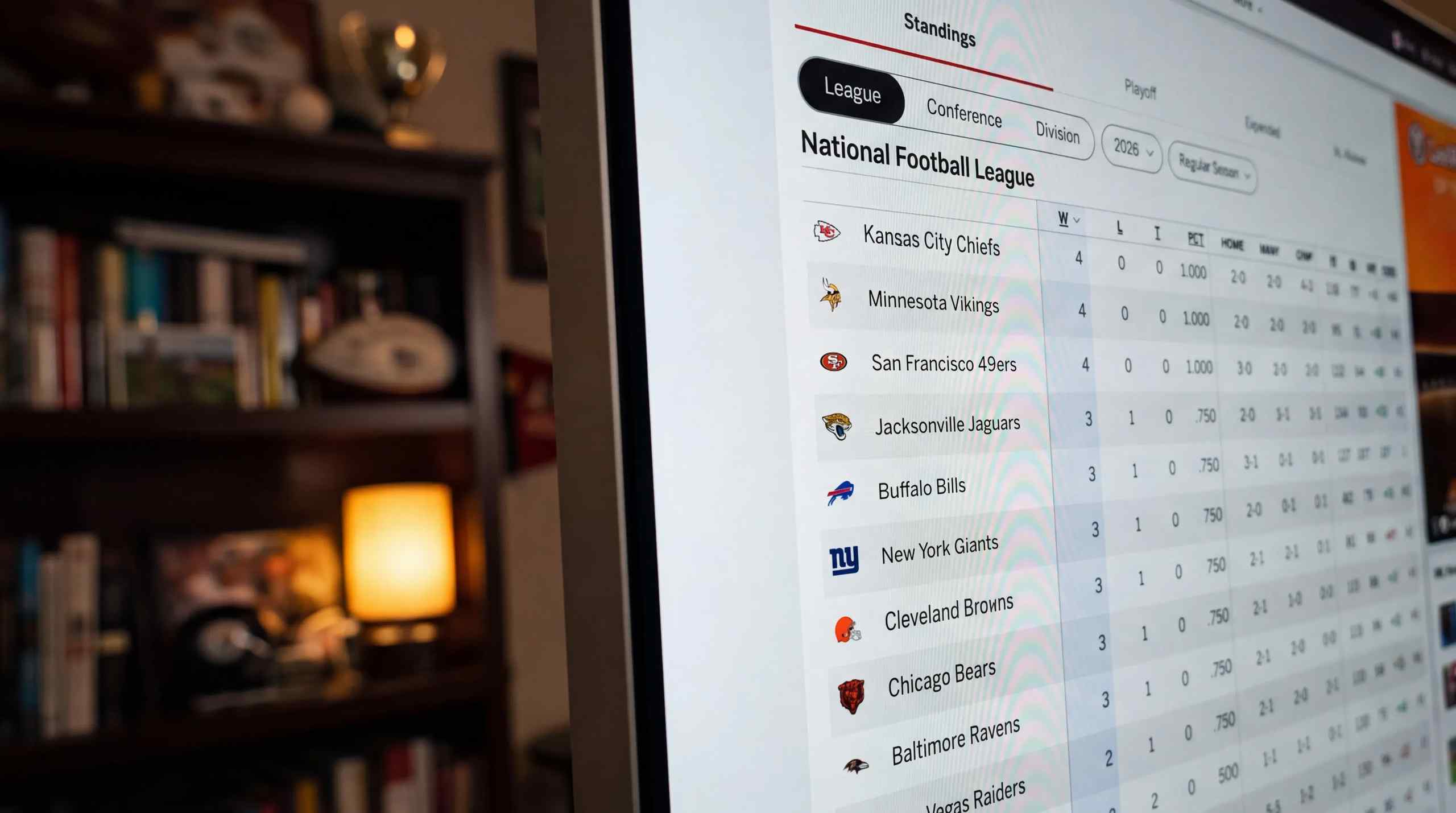
By Marcus Mosher
The 8 Greatest Sports Movies Ever Made, Ranked
Rocky isn't No. 1 by default. We ranked the eight greatest sports movies ever made, from a boxing warhorse to a table tennis fever dream, weighing critical scores against what actually stuck.
By Cole Rush
Which Sports Punish Losing Teams the Most?
From a punishing relegation to first draft pick optimism, discover which sporting leagues have the highest penalties for a losing season and those that feel comparatively lenient.
By Stuart Hughes
MLB Playoff Byes Aren't the Advantage You Might Think
Since baseball went to its current 12-team playoff format, the results show that bye teams only hold a slight Division Series advantage over Wild Card winners.

By Bill Gelman
McKenna, Martone Lead 5 NHL Rookies to Watch
Gavin McKenna and Porter Martone enter as the favorites, but a deep 2026-27 rookie class gives the Calder Trophy race plenty of potential challengers.

By Bill Gelman
Parlaymint Wants to Turn Parlays Into a Team Sport
Parlaymint turns the group parlay into a social sport, giving every bettor one pick, a share of the payout and potentially the entire bill if their leg is the only one that loses.

By Charlon Muscat