

How to Hedge a Bet
A practical breakdown of how to hedge a bet, including the math, timing, and real scenarios bettors use to lock in profit or limit losses.

In sports betting, hedging a bet means placing a new wager on the opposite outcome of an existing bet to guarantee a profit or shrink a potential loss. It works on futures, parlays, and live markets whenever odds shift enough to make the other side worth backing.
Hedging a Bet: Key Takeaways
- Hedging a bet means betting the opposite side of an existing wager to lock in profit or cap a loss.
- The hedge stake is calculated with a simple formula: (original stake x original decimal odds) / hedge decimal odds.
- Futures bets, multi-leg parlays, and live in-game markets create the most common hedge opportunities.
- Hedging always costs a little value because you pay the sportsbook's margin twice.
- Shopping multiple sportsbooks for the best hedge price protects more of your guaranteed return.
- Hedging isn't the same as arbitrage betting, though the math behind both strategies overlaps.
Quick Facts
| Category | Detail |
|---|---|
| Difficulty Level | Intermediate |
| Estimated Time to Learn | 15 to 20 minutes |
| Best Suited For | Bettors holding futures, big parlays, or live in-game positions |
| Related Topic | Live and in-play betting markets |
Why Does Knowing How to Hedge a Bet Matter?
Knowing how to hedge a bet matters because it gives you control over outcomes that would otherwise be all-or-nothing. A six-leg parlay or a season-long futures ticket can swing from a huge payday to a total loss in one afternoon.
Hedging turns that binary risk into a managed decision. You choose between chasing the full payout or locking in a smaller, guaranteed win. That choice matters more as parlay betting and long-shot futures tickets keep growing in popularity.
Hedge Bet Payout Comparison
This table shows how hedging changes outcomes for a bettor holding a $100 futures wager at +750 odds once the market shifts and a hedge becomes available at +200 on the opposing side.
Quick Comparison
| Scenario | Original Bet Result | Hedge Bet Result | Final Profit |
|---|---|---|---|
| No hedge, original bet wins | +$750 | Not placed | $750 |
| No hedge, original bet loses | -$100 | Not placed | -$100 |
| Hedge placed, original bet wins | +$750 | -$283.33 | ~$466.67 |
| Hedge placed, opposing side wins | -$100 | +$566.66 | ~$466.66 |
What Does It Mean to Hedge a Bet?
Hedging a bet means placing a second wager against your original pick so that you come out ahead, or at least lose less, no matter which side wins. The strategy applies to point spreads, moneylines, totals, futures, and parlays alike.
The trade-off is simple: you sacrifice some upside for certainty. A hedge never grows your maximum win, but it protects you from walking away with nothing after a bet that once looked like a guaranteed winner starts to wobble.
How Does Live Betting Change the Way You Hedge a Bet?
Live betting changes the way you hedge a bet by giving you a real-time window to react as odds move during the event itself. Instead of waiting for a pregame line to shift, you can watch a game unfold and jump on the opposing number the moment it offers value. Understanding how live betting odds update as a game progresses is essential before trying to hedge mid-event, since prices can swing sharply on a single injury or scoring run.
How Do You Calculate the Right Amount to Hedge a Bet?
You calculate the right amount to hedge a bet using one formula: hedge stake equals your original stake multiplied by your original decimal odds, divided by the hedge decimal odds. That number produces roughly equal profit no matter which side of the bet wins. Bettors increasingly lean on smarter tools for this math, and platforms built around AI-assisted betting analysis can speed up how quickly you spot a hedge opportunity before the line moves again.
When Should You Actually Hedge a Bet?
You should actually hedge a bet when the guaranteed profit outweighs the emotional and financial cost of possibly missing a bigger win. Three situations come up most often: a futures bet nearing the finish line, the last leg of a large parlay, and a live bet where momentum has clearly shifted against your original pick.
Confidence matters here too. If your conviction in the original bet has genuinely dropped, hedging protects you from a decision you no longer believe in.
What Are Real Examples of Hedging a Bet?
A futures hedge shows the strategy at its clearest. A bettor puts $100 on a team at +750 odds to win a championship. Once that team reaches the final, the opposing side is priced at +200, and hedging locks in roughly $466 in profit regardless of the result.
A parlay hedge works the same way on a smaller scale. A bettor with a six-leg NFL spread parlay worth $474 on a $10 ticket can bet a portion of that potential payout on the final game's opponent, guaranteeing a smaller but certain return if the last leg misses.
Live totals betting offers a third example. A bettor takes the under at -110 on a game total of 45.5 points. Once the score climbs and the live total drops to 32.5 points, hedging the new number locks in profit no matter how the rest of the game plays out. This tactic overlaps with the rise of micro-betting on individual plays and possessions, which creates even more in-game price swings worth hedging.
What Common Mistakes Do Bettors Make When Hedging a Bet?
The biggest mistake bettors make when hedging a bet is treating it as a way to guarantee a win rather than a way to guarantee an outcome. A hedge can still lock in a loss, just a smaller one than going down with the original bet.
- Hedging at the same sportsbook instead of shopping for better odds elsewhere.
- Forgetting that the hedge bet also carries the sportsbook's built-in margin, called vig.
- Hedging too early, before the line has moved enough to make it worthwhile.
- Miscalculating the stake and ending up with unequal profit across outcomes.
- Hedging every single bet out of anxiety rather than strategy, which erodes long-term returns.
How Does Hedging a Bet Compare to Arbitrage and Prediction Markets?
Hedging a bet differs from arbitrage betting mainly in timing and intent. Hedging adjusts an existing position after conditions change, while arbitrage bets both sides of a market at once specifically to exploit a pricing gap between sportsbooks.
Prediction markets add another layer worth understanding, since the mechanics of buying and selling contracts overlap with traditional hedging math. Comparing how prediction markets differ from traditional sports betting helps clarify why hedge stakes are calculated the same way across both formats.
Comparing Strategy
| Strategy | Starting Point | Goal | Risk Level |
|---|---|---|---|
| Hedging | Existing bet already placed | Guarantee profit or limit loss | Low once executed correctly |
| Arbitrage | No prior position | Exploit odds gaps for guaranteed profit | Low, but requires speed and multiple accounts |
| Prediction markets | Contract-based position (yes/no) | Profit from price movement on an outcome | Varies by contract liquidity |
Bodog Insight on How to Hedge a Bet
Hedging a bet rewards discipline over emotion. The math is fixed once you know the formula, but the decision to use it depends on your risk tolerance and how much certainty you actually want.
Bodog's take is straightforward: hedge when the guaranteed number beats the stress of watching a bigger number ride on one final outcome. Treat hedging like insurance, not a shortcut to easy money, and it becomes one more tool for smarter, more controlled betting.
Hedging FAQs
Is hedging a bet always profitable?
Hedging a bet is not always profitable. It guarantees a fixed outcome, which sometimes means locking in a small loss rather than losing the entire original stake.
Can you hedge a bet on the same sportsbook?
You can hedge a bet on the same sportsbook, though shopping multiple books usually gets you better hedge odds and a larger guaranteed profit.
What is the difference between hedging and cashing out?
Hedging involves placing a separate bet on the opposite side, while cashing out means the sportsbook buys back your original bet at a set price it offers.
Does hedging work on parlays?
Hedging works on parlays, most commonly on the final leg once every earlier leg has already won and a large payout is on the line.
How much vig do you lose by hedging a bet?
The vig lost by hedging a bet varies by sportsbook, but it typically shaves a small percentage off your total guaranteed profit compared to a theoretical no-vig market.
Should beginners hedge their bets?
Beginners should learn the hedge stake formula before hedging bets regularly, since miscalculating the amount can produce uneven or disappointing results.
Can you hedge a bet during a live game?
You can hedge a bet during a live game as odds shift with the score, injuries, or momentum, often creating better hedge value than waiting for the final minutes.
Continue Learning
- Betting on Everything: a look at how prediction markets are expanding beyond sports into everyday events.
- Life's a Gamble: What Jeopardy Champs Teach Us About Betting Strategy: lessons on risk management from elite competitors.
- The Psychological Trap of Rivalry Betting: how emotion distorts betting decisions and why discipline matters.
Sources & Review
- OddsShark: How To Hedge A Sports Bet (And How Much): Hedge Betting Explained
- OddsJam: Hedging Bets - How to Hedge a Bet?
- BetMGM: What's Hedging a Bet? How & When To Hedge in Sports Betting
- The Action Network: Sports Betting Hedging Calculator
- Sports Illustrated: Sports Gambling 101: What Is Hedging A Bet? The Complete Guide and How To
The Bodog editorial team is comprised of experts in the iGaming, Sportsbetting, Lifestyle, Travel Wellness and Casino space.
More Articles like this
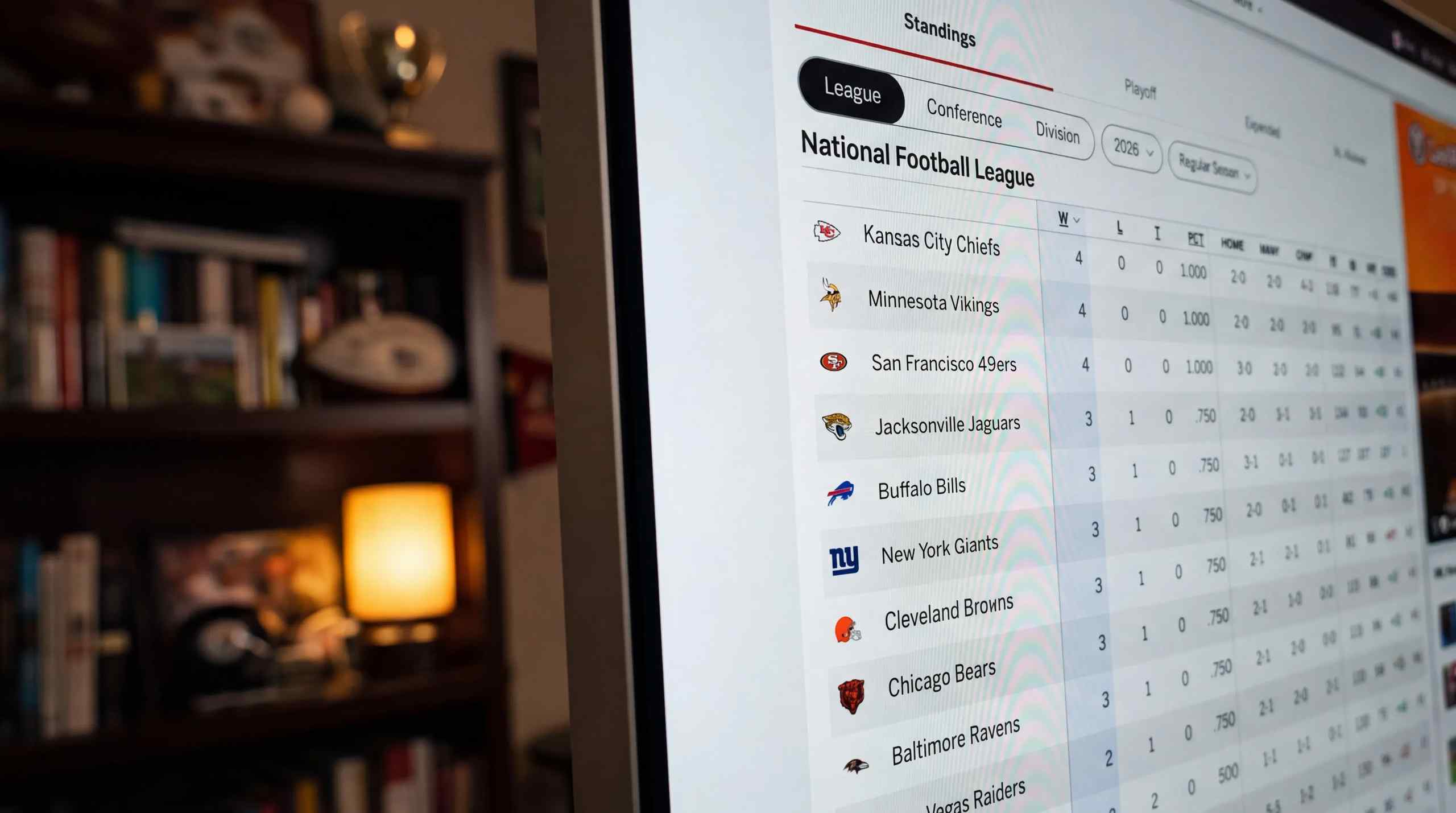
Does a 4-0 NFL Start Mean You're Playoff Bound?
A 4-0 start can put your team on the fast track to the playoffs, but history shows that even Super Bowl champions don't always start strong.
By Marcus Mosher
The 8 Greatest Sports Movies Ever Made, Ranked
Rocky isn't No. 1 by default. We ranked the eight greatest sports movies ever made, from a boxing warhorse to a table tennis fever dream, weighing critical scores against what actually stuck.
By Cole Rush
Which Sports Punish Losing Teams the Most?
From a punishing relegation to first draft pick optimism, discover which sporting leagues have the highest penalties for a losing season and those that feel comparatively lenient.
By Stuart Hughes
MLB Playoff Byes Aren't the Advantage You Might Think
Since baseball went to its current 12-team playoff format, the results show that bye teams only hold a slight Division Series advantage over Wild Card winners.

By Bill Gelman
McKenna, Martone Lead 5 NHL Rookies to Watch
Gavin McKenna and Porter Martone enter as the favorites, but a deep 2026-27 rookie class gives the Calder Trophy race plenty of potential challengers.

By Bill Gelman
Parlaymint Wants to Turn Parlays Into a Team Sport
Parlaymint turns the group parlay into a social sport, giving every bettor one pick, a share of the payout and potentially the entire bill if their leg is the only one that loses.

By Charlon Muscat