
Which Sports Punish Losing Teams the Most?
From a punishing relegation to first draft pick optimism, discover which sporting leagues have the highest penalties for a losing season and those that feel comparatively lenient.

Regardless of whom you support, in the crazy world of professional sports, one thing is for certain – at some point in time, your team's going to have a disastrous season.
That being said, failure comes with wildly different consequences depending on which league your favorite team plays in. From being awarded first dibs on the next potential NFL superstar to being relegated from the EPL and losing your spot in the richest sports league in the world - here's how the sporting powers-that-be treat the last-place finishers at the end of every season.
What Happens When You Finish Last?
It’s fair to say a dreadful season always hurts long before the playoff brackets have been decided. Whether it’s the result of inept coaching, poor form, or a series of season-wrecking injuries to key players, it doesn’t take long for attendance to start to dwindle when one bad result follows another all season long.
No matter the sport, the consequences of this will no doubt worry any fanbase, but for franchise owners the implications can be more profound, including:
- Shrinking future game day revenues
- Top talent jumping ship
- Sacking coaches with hefty contract payouts
- Sponsorship money drying up
- Season ticket renewals taking a hit
Nevertheless, whereas relegation from the EPL can start an unstoppable spiral into the lower leagues of the English soccer system, for US-based franchises, abject failure often puts them first in line to pick the next season’s draft’s hottest prospect. So, how do the leagues square up for teams and individual athletes who are unfortunate enough to finish bottom of the table...
The Cost of Losing Across Sports
| Sport | Biggest Consequence | Reward for Finishing Last | Chance of No. 1 Draft Pick |
|---|---|---|---|
| EPL Soccer | Relegation; approx. $132M in lost annual revenue | Parachute payments | N/A |
| NFL | Lost revenue, possible coaching changes | First overall draft pick | 100% |
| NBA | Missed playoffs, reduced revenue | Draft lottery entry | 5.4% (2027 rules) |
| NHL | Missed playoffs, reduced revenue | Draft lottery entry | 25.5% |
| MLB | Missed playoffs, lengthy rebuild | Draft lottery entry, if eligible | Varies; 0% for ineligible teams |
| Tennis | Lost prize money, falling rankings | No formal reward | N/A |
Soccer: The Financial Trap Door of Relegation
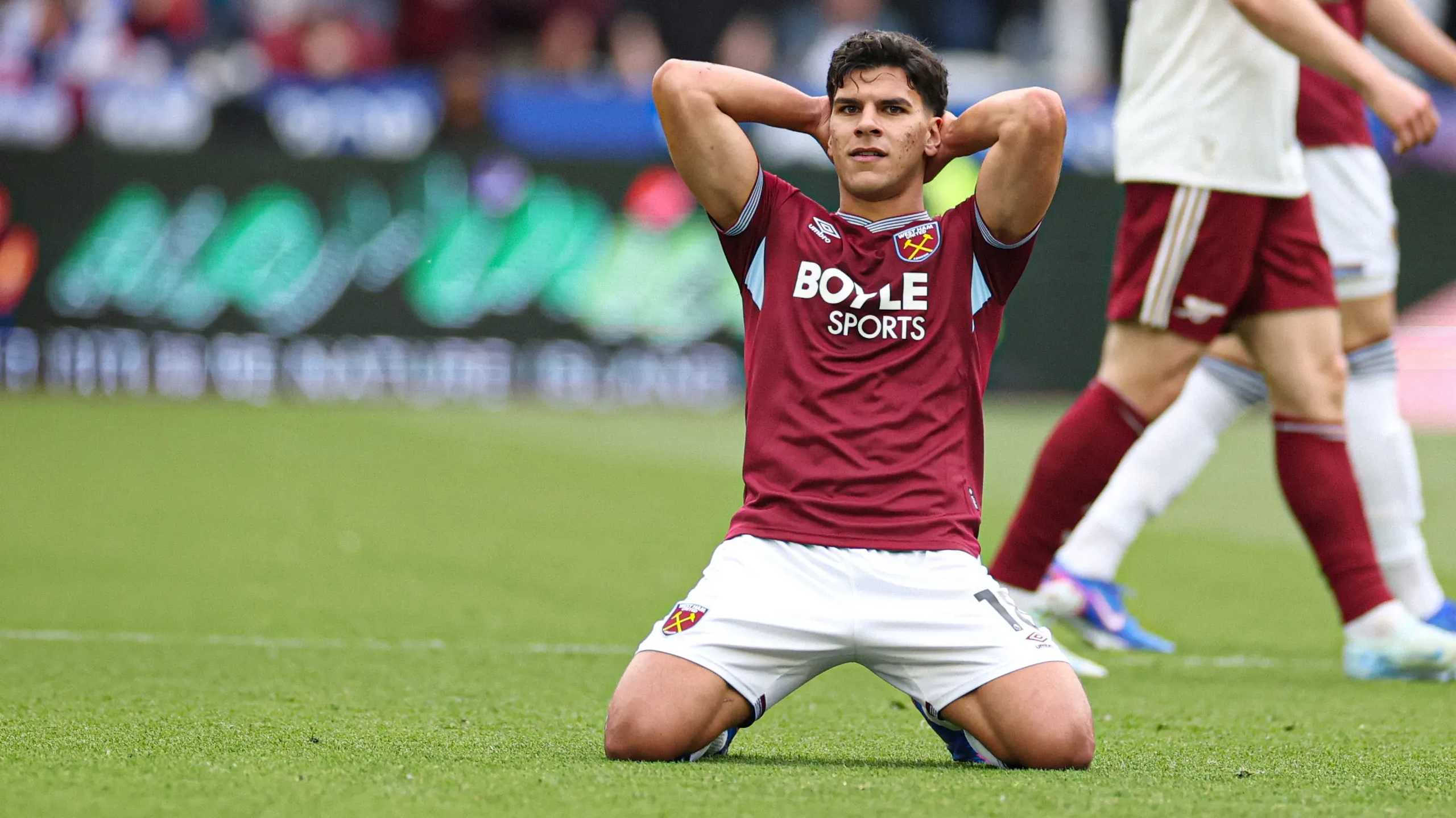
Soccer may be one of the easiest sports to bet on, but it’s also the most ruthless for teams who have to deal with being relegated after a torrid season. For instance, if a relegated EPL club doesn’t bounce back the following season, at best they may face a prolonged spell in Championship purgatory, or worse, a financial crisis that can see them enter administration.
So severe is the scale of getting relegated from the Premier League, soccer finance experts claim this costs teams approximately $132 million in lost revenue alone the following season. The majority of this is in lost broadcasting revenue, but attendances and game-day revenues also suffer the lower down the league system they fall.
Of course, the Premier League parachute payments that come with being relegated help to soften the blow, but when clubs face star players heading for the exit, and the need to honor legacy contracts for those who stay, the odds quickly stack up against them making an immediate return to the EPL.
NFL: A First-Pick Lifeline for Last-Place Teams
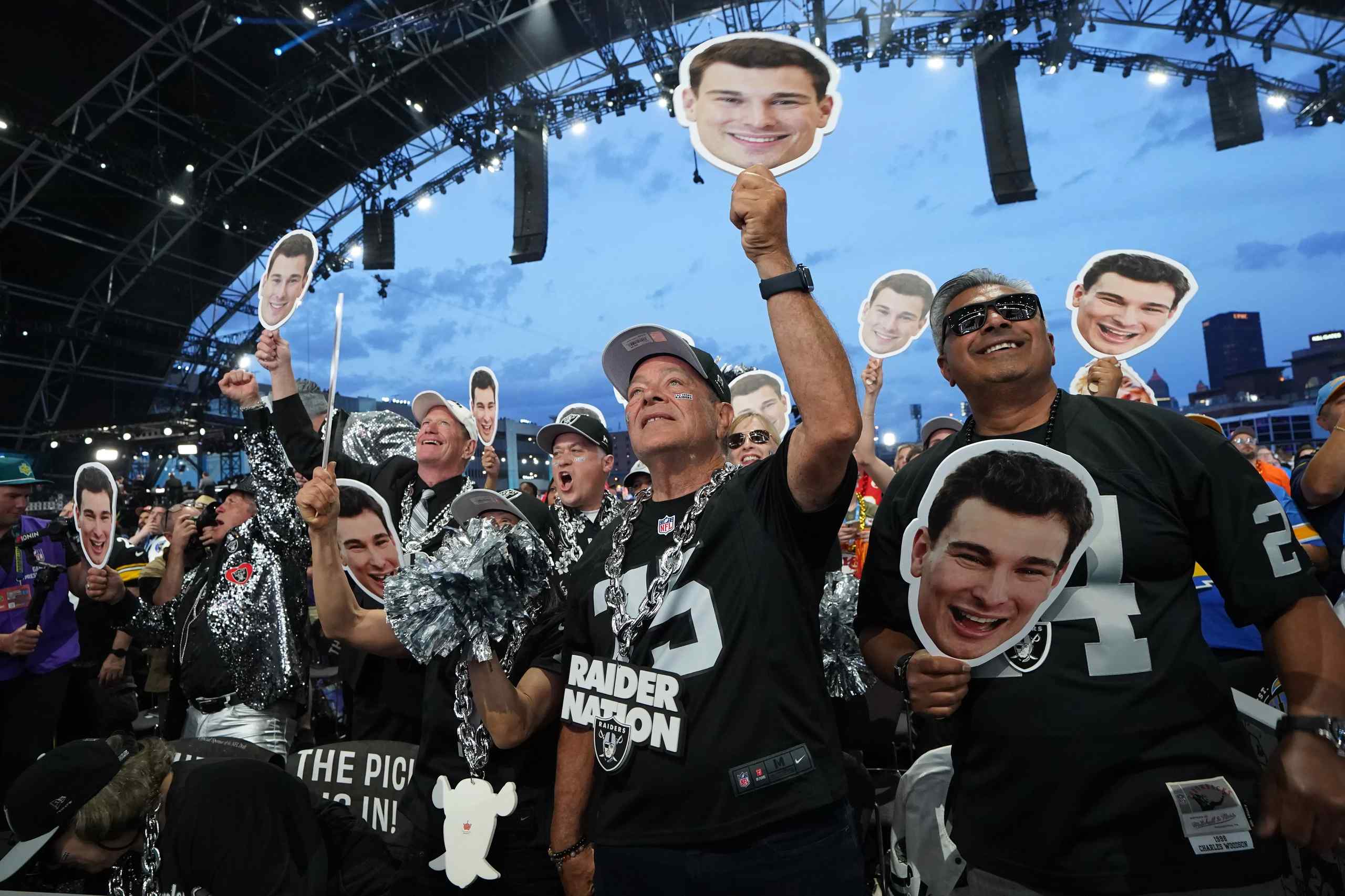
In stark contrast to soccer’s relegation woes, posting the worst record in the NFL may be a bruising experience for the fans, but at least the prospect of securing the first overall draft pick does offer a ray of hope for the future.
However, such is the reward for finishing last, there have been incidents over the years of coaches reportedly being offered financial incentives to tank a season with the promise of being charged with building a new team from the ground up. Yet, despite the allure of potentially securing a franchise-defining QB, it’s rare that a rookie can single-handedly compensate for poor coaching, years of bad recruitment, let alone plug the gaps elsewhere that were the catalyst for the poor season to start with.
Nonetheless, at the end of the day, at least every team remains in the league and technically in Super Bowl contention - no matter how dire they were the year before.

NBA and NHL: The Uncertain Rewards of Finishing Rock Bottom
When it comes to leagues such as the NBA and NHL, the consequences of finishing last aren't anywhere near as severe as soccer's, but neither are they as prominent as the NFL's.
While both have a lottery-like format, the 2027 NBA draft changes mean the worst three teams will receive fewer entries to land the first draft pick in comparison to the seven teams who preceded them in the standings. Furthermore, there will also be a limit on repeated high picks, which again proactively weakens the appeal of finishing with the worst record in the league.
Likewise in the NHL, draft lotteries provide no guarantee that teams finishing at the bottom of the pile get the pick of the best prospects ahead of the new season, and even if they do, breakthrough performances in the juniors don't always translate to top-flight success.
MLB: Slower Returns Limit the Draft's Appeal to Rebuild
Just like in the NBA and NHL, a team finishing bottom of the MLB has no guarantees of being awarded next season's top draft pick. Not only that, but the league's tighter restrictions on trades combined with its rigid signing bonus pools can hamstring a team's maneuverability, made all the worse by the fact that falling foul of these regulations can also jeopardize future draft pick privileges.
Furthermore, even if a team does secure the hottest starlet, it can take years of player development in the minor leagues before a team can reap the rewards of being granted a top draft pick. Given the challenges facing teams without the financial muscle of the likes of the Dodgers and Yankees, it's easy to see why the principles of Moneyball are still so valuable for GMs hoping to avoid two catastrophic seasons on the trot.
Tennis: The Season-long Gauntlet After a Slide in the Rankings
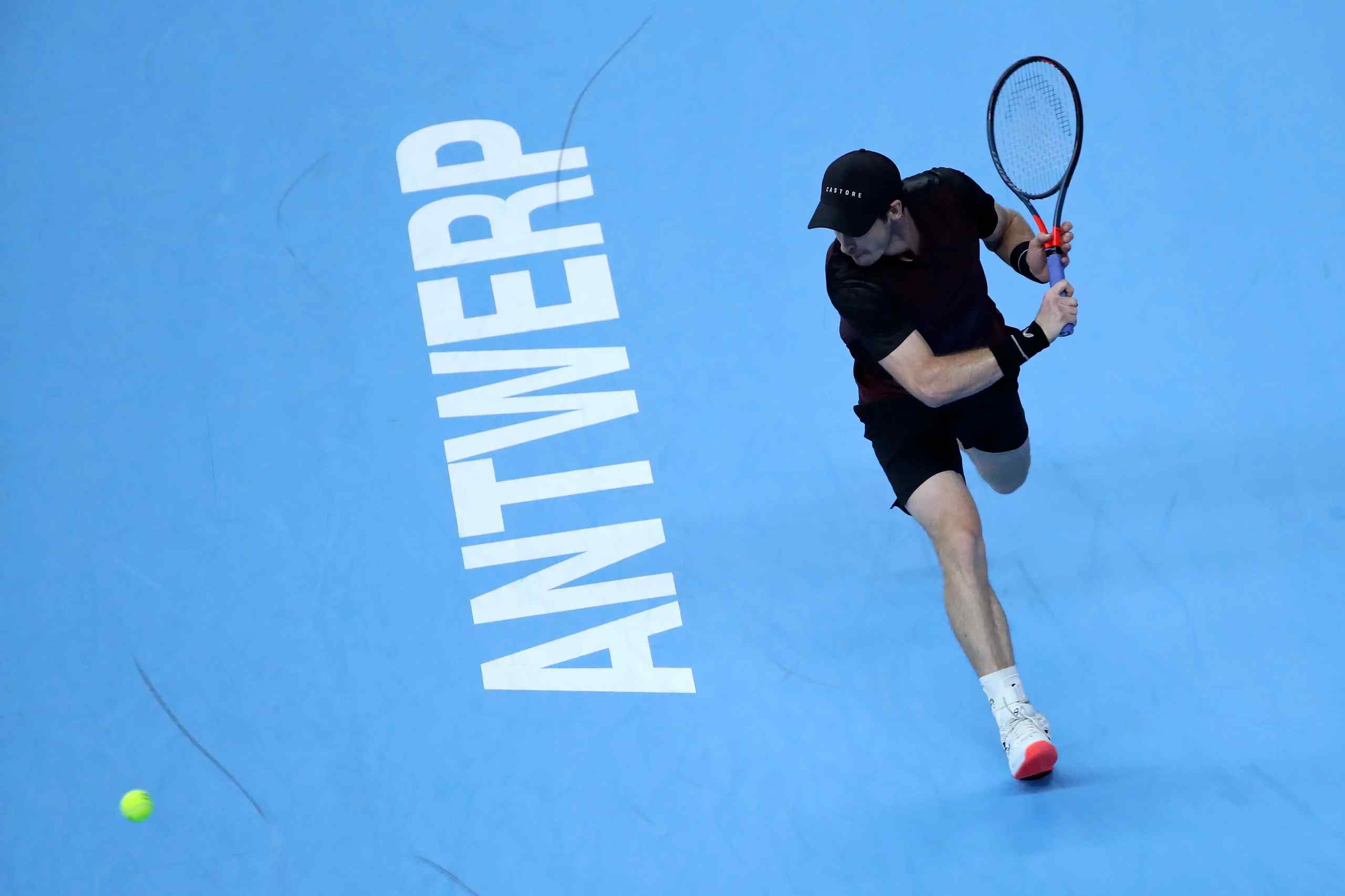
Unlike team sports, coming off a rotten season is far more impactful on an individual tennis player. Sure, they don’t have the concerns of being relegated; neither do they have the benefit of drafting a brand-new tennis racquet - instead, they face a more brutal uphill battle the following season as they plummet down the rankings.
In fact, tennis players don’t even need to play badly, as a season-long injury means they’re unable to top up their ranking points, which can see them being placed as a lower seed in major Grand Slam tournaments, or more humiliatingly having to rely on a wildcard or earn their place through qualifying. Additionally, as a lower seed, players suddenly face a daunting season of playing world-class players like Sinner, Alcaraz, Rybakina and Sabalenka in the opening rounds, which makes rebounding from a nightmarish season even harder.
Which Sport Is Harshest on Its Worst Performers?
Undoubtedly, the contrasting fortunes the following season for those who end up at the bottom of the table couldn’t be starker. For team franchises in the American leagues, in spite of the likely drop in revenues, the prospect of rebuilding is an obvious incentive, but for soccer teams and tennis players the financial implications can be crippling, if not career-ending.
The Bottom Line
Okay, so finishing bottom of the NFL is unlikely to bankrupt a franchise individually, but it will certainly impact its bottom line, not to mention its appeal when attracting big-name signings. The genuine peril of an abysmal season ultimately impacts soccer teams and individual tennis stars far greater than it does teams in leagues such as the NBA and MLB.
However, the degree of severity can depend on how deep the pockets are of those who suffer the misfortune of being relegated in soccer or sliding down the tennis rankings. Whereas teams such as EPL stalwarts West Ham can perhaps afford a season in the Championship after being relegated, for tennis players who don’t have the financial reserves of the likes of Novak Djokovic, restricted access and tougher draws in the bigger tournaments could repeat the same misfortunes of the season before.
Stuart Hughes is a London-based freelance journalist covering sports, travel, lifestyle, and technology. He’s worked with brands like Lenovo, Best Western, and Frontier Airlines, bringing a global perspective shaped by years of travel.
More Articles like this
MLB Playoff Byes Aren't the Advantage You Might Think
Since baseball went to its current 12-team playoff format, the results show that bye teams only hold a slight Division Series advantage over Wild Card winners.

By Bill Gelman
McKenna, Martone Lead 5 NHL Rookies to Watch
Gavin McKenna and Porter Martone enter as the favorites, but a deep 2026-27 rookie class gives the Calder Trophy race plenty of potential challengers.

By Bill Gelman
Parlaymint Wants to Turn Parlays Into a Team Sport
Parlaymint turns the group parlay into a social sport, giving every bettor one pick, a share of the payout and potentially the entire bill if their leg is the only one that loses.

By Charlon Muscat
A Whole New X Game: Inside the XGL Winter League
X Games is no longer just about one weekend. XGL adds clubs, standings and a season-long title race, and now the format is heading to the snow.

By Charlon Muscat
Five Can't Miss Prospects Who Became Historic Draft Busts
A top-five draft pick can change a franchise. It can also become a spectacularly expensive mistake. These five highly touted prospects rank among the biggest draft busts in sports history.
By Bill Gelman
Fury vs. Joshua Is Finally Here. Is It Five Years Too Late?
Tyson Fury vs. Anthony Joshua is finally happening. Will we get one last great heavyweight fight, or has boxing waited too long?
By James Guill