
What Is a Same Game Parlay?
A direct, evidence-based breakdown of what a same game parlay is, how sportsbooks price it, and what bettors need to know before building one.

In sports betting, a same game parlay is a single bet that combines multiple wagers, such as a moneyline, a total and a player prop, from one game into one ticket, where every selection must win for the bet to pay out. Sportsbooks price these bets differently than standard parlays because the outcomes inside a single game are often connected to each other.
Same Game Parlay: Key Takeaways
- A same game parlay combines two or more bets from a single game into one wager that only cashes if every leg hits.
- Sportsbooks adjust same game parlay odds for correlation, meaning connected outcomes pay less than the same legs would if they were independent.
- Multi-leg same game parlays carry a higher house edge than straight bets or standard parlays.
- Most major sportsbooks cap same game parlays at 10 to 15 legs and restrict certain combinations, such as a team's moneyline and its own spread.
- Comparing odds across sportsbooks matters more for same game parlays than for straight bets, since correlation pricing varies by operator.
Quick Facts
| Category | Key Feature |
|---|---|
| Difficulty Level | Beginner-friendly concept, intermediate strategy |
| Estimated Time to Learn | 10 to 15 minutes for the basics |
| Best Suited For | Bettors who follow a single game closely and want bigger payout potential from it |
| Related Topic | Correlated parlay pricing |
Why Does Understanding a Same Game Parlay Matter?
Understanding a same game parlay matters because it changes how much of your money the sportsbook keeps before you ever place a bet. Sportsbooks promote same game parlays heavily because they are extremely profitable, with opaque pricing meaning most bettors cannot calculate fair SGP odds and simply accept whatever the book offers. Knowing how correlation pricing works lets you spot which same game parlays actually offer fair value and which ones quietly tax your payout.
How Does a Same Game Parlay Compare to a Traditional Parlay?
| Feature | Same Game Parlay | Traditional Parlay |
|---|---|---|
| Source of legs | One single game | Multiple games or sports |
| Correlation between legs | Often correlated | Typically independent |
| Odds calculation | Adjusted for correlation, usually paying less than straight math would suggest | Multiplied implied probabilities of each leg |
| Typical house edge | Higher, often 10 percent to 30 percent or more on longer tickets | Lower, but still compounds with each added leg |
| Settlement if a leg is void | Some books void the entire parlay | Voided leg is usually removed and odds recalculated |
What Exactly Is a Same Game Parlay in Sports Betting?
A same game parlay in sports betting is a single wager that stacks multiple bets, such as a spread, a total and a player prop, from one game onto a single ticket. A same-game parlay, also known as an SGP, is a parlay in which all of the legs are bets from a single game. Every leg still has to win, just like any other parlay, but the entire slip lives inside one matchup instead of spreading across the board.
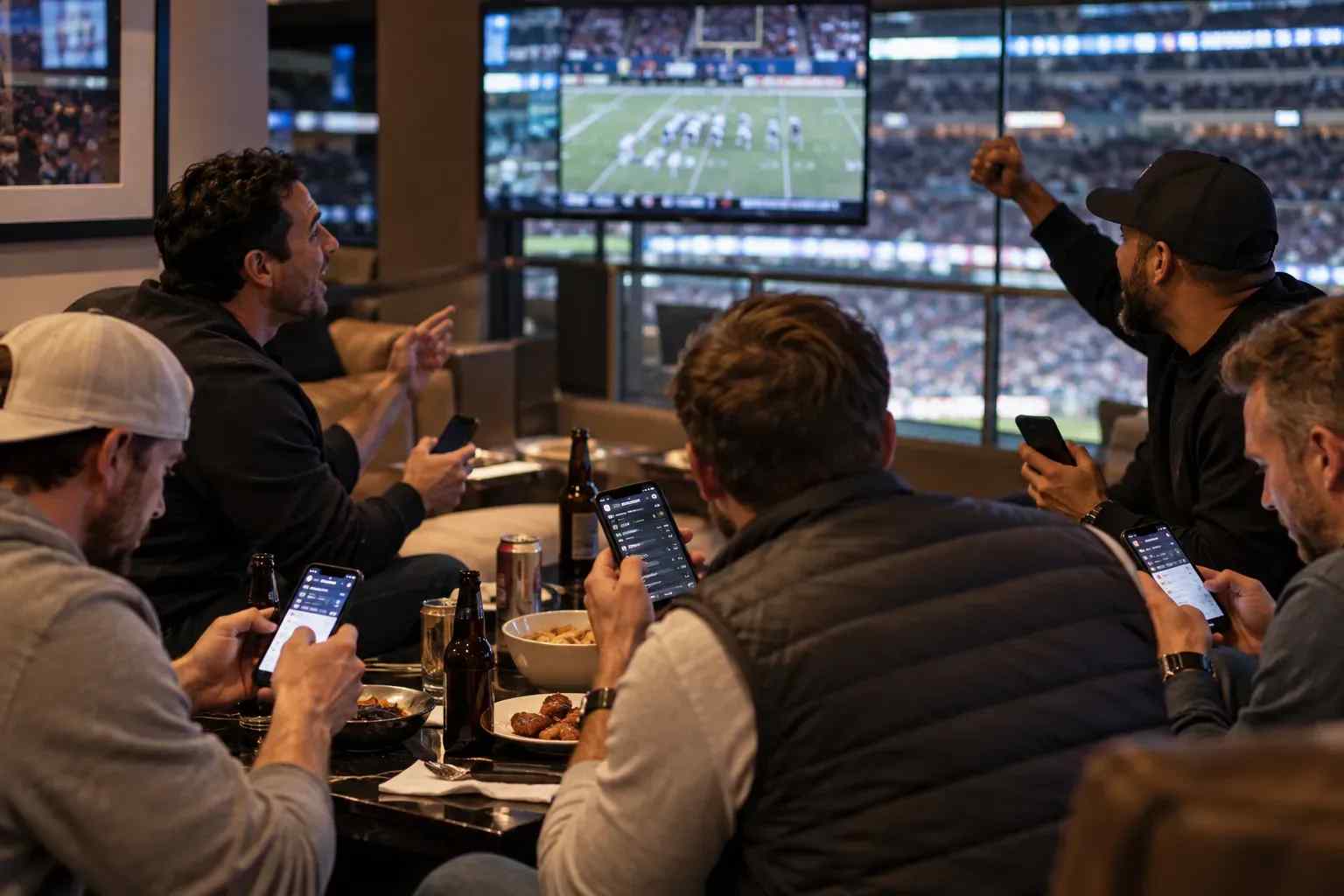
The appeal is obvious: one game, one story, one bigger number if it all comes together. Single-game parlays let you combine multiple bets from the same contest, such as a moneyline, an over/under and a player prop, and just like a standard parlay, every pick needs to be correct or the entire bet loses. That all-or-nothing structure is exactly why sportsbooks market same game parlays so aggressively during marquee broadcasts, and it's part of why the format built around the thrill and the cost that come with stacking legs on one ticket keeps growing in popularity.
How Does a Same Game Parlay Actually Work?
A same game parlay works by pricing every added leg against the others instead of simply multiplying odds together like an independent bet. When you build a same game parlay, you select multiple outcomes from a single game and combine them into one wager, with each selection called a leg, and most sportsbooks require a minimum of two legs with maximum leg limits typically ranging from 10 to 15. The sportsbook's software recalculates the combined price in real time as you add each leg.
The math gets complicated fast because legs from the same game rarely behave independently. In a same game parlay, the legs are not independent because they come from the same game, which means they share underlying factors like game script, pace, weather and player performance. A quarterback throwing for a big total and his top receiver clearing a yardage number tend to happen together, so the book has to price that overlap into the payout.
Why Do Sportsbooks Adjust Odds on a Same Game Parlay?
Sportsbooks adjust odds on a same game parlay because correlated outcomes have a higher chance of occurring together than the independent math suggests. The true combined probability is higher than the naive calculation suggests, which means the fair odds should be lower, so sportsbooks apply a correlation discount to account for that dependency. Skip this adjustment and the book would be handing out free money on every correlated ticket.
This pricing gap is often called the correlation tax, and it can be significant. A 2-leg SGP at reasonable prices might have a house edge around 10 to 15 percent, while an 8-leg SGP on highly correlated props might have an effective house edge of 30 percent or more. The more legs you stack, and the more those legs depend on each other, the more the sportsbook shaves off your potential payout.
What Are Real Examples of a Same Game Parlay in Action?
A real example of a same game parlay shows exactly how correlation changes a payout compared to betting the same outcomes separately. Picture an NFL game where you like the home team to win, the total to go over, and the home quarterback to throw multiple touchdowns.
- Correlated example: In a Bills-Packers game with a total of 54 points, a bettor could build a same game parlay combining the over on total points with both quarterbacks throwing at least two touchdowns each, paying more than the totals wager alone but less than the math would suggest if the legs were independent.
- Uncorrelated example: Betting the Lakers-Clippers game to go over 220.5 points and also parlaying LeBron James to score the first basket would count as an uncorrelated same game parlay, since the two wagers are not dependent on each other.
- Voided leg example: If a player is scratched or a market is cancelled, most sportsbooks remove the voided leg from the parlay and recalculate the odds based on the remaining legs.
What Common Mistakes Do Bettors Make With a Same Game Parlay?
The most common mistake bettors make with a same game parlay is treating the payout as if the legs were independent bets. In a regular parlay the legs are independent, so the book just multiplies the odds, but in an SGP the legs move together, so the book adjusts the price to account for that. Assuming the same math applies to both bet types leads to overestimating true value.
Another frequent error is skipping the price-shopping step entirely. The exact same SGP can pay wildly different odds depending on which book you use, because every book prices the correlation between the legs differently. A third mistake is stacking too many legs at once, since each additional leg compounds the house edge and shrinks the realistic chance of cashing the ticket.
How Does a Same Game Parlay Compare to a Same Game Teaser?
A same game parlay differs from a same game teaser mainly in how the odds move in your favor before the bet is priced. A same game parlay stacks separate outcomes at their standard lines, while a teaser lets you shift the spread or total in your favor across the legs you combine, trading a smaller payout for an easier path to winning.
Same Game Parlay vs. Same Game Teaser
| Feature | Same Game Parlay | Same Game Teaser |
|---|---|---|
| Lines used | Standard posted lines | Adjusted, "teased" lines |
| Payout size | Higher, reflects real risk | Lower, reflects easier legs |
| Correlation handling | Priced directly into combined odds | Built into the adjusted line itself |
| Best use case | Chasing a bigger number on a strong read of the game | Reducing risk on legs you're less sure about |
What's the Bottom Line on a Same Game Parlay?
The bottom line on a same game parlay is that it rewards a strong read on one game with a bigger payout, but it charges a real price for that convenience through correlation pricing. Every leg has to hit, the house edge grows with each addition, and the fairest way to protect your bankroll is comparing odds before you place the bet.
Bodog treats this the same way we treat every wager: know the mechanics before you stake real money. A sharp same game parlay bettor starts small, sticks to two or three legs they genuinely understand, and never assumes a big number on the slip means a fair number underneath it.
Same Game Parlay FAQs
What is a same game parlay in simple terms?
A same game parlay is a single bet combining multiple wagers, such as a spread, total and player prop, from one game, where every leg must win for the ticket to pay out.
How many legs can you add to a same game parlay?
Most sportsbooks require a minimum of two legs for an SGP, with maximum leg limits typically ranging from 10 to 15 depending on the operator.
Why do same game parlay odds seem lower than expected?
Odds seem lower than expected because sportsbooks apply a correlation discount when legs are likely to win or lose together, reducing the payout compared to treating them as independent bets.
Can a same game parlay include bets from more than one game?
Standard same game parlays stick to one game, though many sportsbooks now offer a "plus" version that lets bettors combine multiple same game parlays from different games into a single ticket.
What happens if one leg of a same game parlay is voided?
The voided leg is removed from the parlay, the odds are recalculated based on the remaining legs, and the parlay continues with the adjusted odds.
Are same game parlays a good value compared to straight bets?
Same game parlays can carry a noticeably higher house edge than straight bets, so value depends heavily on shopping odds across sportsbooks and limiting the number of legs you stack.
Which sports offer same game parlays?
Same game parlays are widely available for NFL, NBA, NHL and MLB games, with coverage expanding to soccer and other sports as sportsbooks build out their markets.
Continue Learning
- What Is a Parlay Bet: a foundational breakdown of how standard multi-game parlays work before you tackle single-game versions.
- What Is a Correlated Parlay: a closer look at how linked outcomes affect parlay pricing across bet types.
- What Is a Multi-Leg Parlay: a guide to how adding legs changes payout size and win probability.
Sources & Review
The Bodog editorial team is comprised of experts in the iGaming, Sportsbetting, Lifestyle, Travel Wellness and Casino space.
More Articles like this
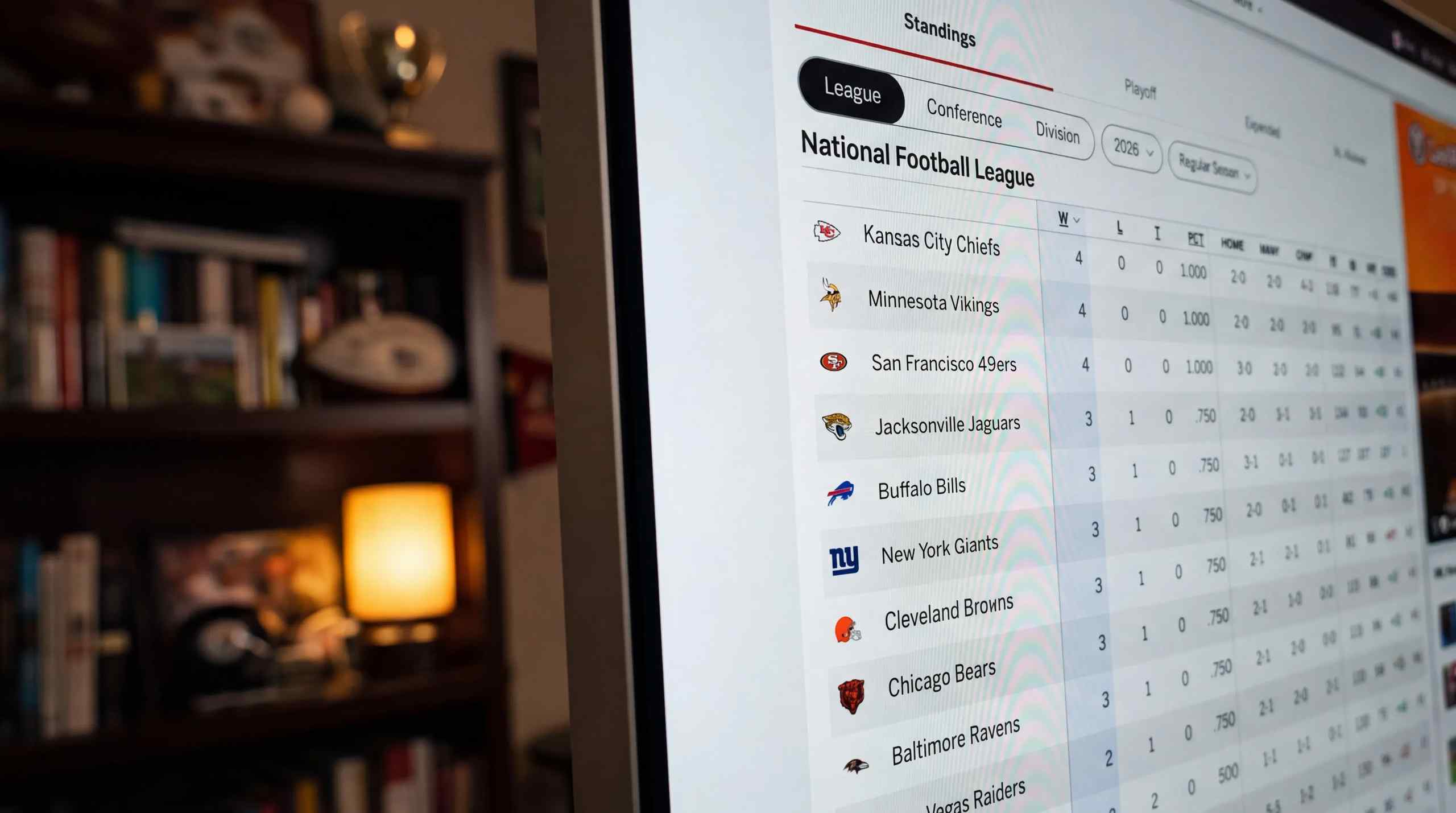
Does a 4-0 NFL Start Mean You're Playoff Bound?
A 4-0 start can put your team on the fast track to the playoffs, but history shows that even Super Bowl champions don't always start strong.
By Marcus Mosher
The 8 Greatest Sports Movies Ever Made, Ranked
Rocky isn't No. 1 by default. We ranked the eight greatest sports movies ever made, from a boxing warhorse to a table tennis fever dream, weighing critical scores against what actually stuck.
By Cole Rush
Which Sports Punish Losing Teams the Most?
From a punishing relegation to first draft pick optimism, discover which sporting leagues have the highest penalties for a losing season and those that feel comparatively lenient.
By Stuart Hughes
MLB Playoff Byes Aren't the Advantage You Might Think
Since baseball went to its current 12-team playoff format, the results show that bye teams only hold a slight Division Series advantage over Wild Card winners.

By Bill Gelman
McKenna, Martone Lead 5 NHL Rookies to Watch
Gavin McKenna and Porter Martone enter as the favorites, but a deep 2026-27 rookie class gives the Calder Trophy race plenty of potential challengers.

By Bill Gelman
Parlaymint Wants to Turn Parlays Into a Team Sport
Parlaymint turns the group parlay into a social sport, giving every bettor one pick, a share of the payout and potentially the entire bill if their leg is the only one that loses.
By Charlon Muscat