
What Is a Multi Leg Parlay?
A clear breakdown of how multi leg parlays work, how their odds multiply, and how Bodog bettors can weigh the payout upside against the added risk of each leg.

A multi leg parlay is a single sports betting wager that links three or more individual bets, called legs, into one combined ticket where every leg must win for the bet to pay out. The odds of each leg multiply together, producing a bigger potential payout than betting each leg separately, but a single loss anywhere in the chain sinks the entire wager.
Multi-Leg Parlay: Key Takeaways
- A multi leg parlay combines three or more bets into one wager, and every leg must hit for the ticket to cash.
- Odds multiply across legs, not add, which is why payouts grow fast as legs increase.
- Win probability drops sharply with each added leg, even when every individual pick looks solid.
- Same-game and correlated legs carry special rules that differ from standard cross-game multi leg parlays.
- Sportsbooks profit more heavily on multi leg parlays than on straight bets, so the house edge compounds with size.
Quick Facts
| Category | Detail |
|---|---|
| Difficulty Level | Beginner to understand, intermediate to use profitably |
| Estimated Time to Learn | 15 to 20 minutes to grasp the mechanics and math |
| Best Suited For | Bettors chasing a bigger payout from a smaller stake, across multiple games or props |
| Related Topic | Same-game parlays, where all legs come from a single event instead of multiple games |
Why Does Understanding a Multi Leg Parlay Matter?
Understanding a multi leg parlay matters because it directly affects your payout, your win probability, and your bankroll's long-term health. A bettor who treats a five-leg parlay like five easy wins is misreading the math entirely, since combined probability shrinks fast even with strong picks on paper.
Knowing how legs multiply lets you set realistic expectations before you stake real money. It also helps you spot when a sportsbook's payout undervalues your actual chances, which is the only scenario where a multi leg parlay makes long-term sense.
Multi Leg Parlay Payout Table: How Odds Grow With Each Leg
| Number of Legs | Approximate Odds | $100 Bet Profit | Win Probability at 50% Per Leg |
|---|---|---|---|
| 2 legs | +264 | $264 | 25% |
| 3 legs | +596 | $596 | 12.5% |
| 4 legs | +1,232 | $1,232 | 6.25% |
| 5 legs | +2,500 | $2,500 | 3.13% |
The numbers make the trade-off obvious. Adding a fourth leg means converting all four American odds values and multiplying the four numbers, and the payout increases substantially, but so do your chances of losing.
How Does a Multi Leg Parlay Actually Work?
A multi leg parlay works by taking each individual bet you select, converting its odds into a common format, and multiplying those figures together to produce one combined price. A parlay is a single bet that links together two or more individual wagers, and winning it depends on all of those wagers winning together, so if any of the bets lose, the entire parlay loses. That all-or-nothing structure is what separates a parlay from placing the same bets individually.
The math behind a multi leg parlay is straightforward once you see it step by step. You convert the American odds to decimal odds, multiply all the decimal odds together, multiply the result by your bet amount, and subtract your original stake to get the parlay odds. This is the same formula every sportsbook uses behind the scenes when it fills your bet slip, and it's the reason bettors comparing a straightforward multi leg parlay to a standard parlay bet will notice the payout scaling identically once three or more legs are involved.
What Counts as a Leg in a Multi Leg Parlay?
A leg in a multi leg parlay is any single selection you add to the bet slip, whether it's a point spread, moneyline, total, or player prop. Most sportsbooks allow spreads, moneylines, and totals, and many now allow for the addition of player props. Bettors building a wager that spans multiple sports should also understand how a same-game structure differs, since a same-game parlay keeps every leg inside a single event rather than spreading them across different games.
How Many Legs Can a Multi Leg Parlay Have?
A multi leg parlay can typically include anywhere from three legs up to a sportsbook-imposed cap that often sits between 12 and 25 selections. These can go as high as the player chooses, including 7-team parlays, 8-team parlays and beyond, though some sportsbooks may have a limit on the number of selections, which is usually set at around 20. More legs mean a bigger possible payout, but the realistic sweet spot for most bettors stays much smaller than the maximum allowed.
What Are Real Examples of a Multi Leg Parlay?
A real example of a multi leg parlay helps show exactly how the math and risk play out in practice. Consider these two scenarios built the way a bettor would actually construct them on a Sunday slate.
- Three-leg NFL parlay: Leg 1 is a 49ers moneyline at -160, Leg 2 is Jaguars +3.5 at -110 against the Titans, and Leg 3 is the Dolphins-Jets game going over 47.5. The combined odds of this parlay is +492, so a $100 wager results in a profit of $492, but all three legs have to be correct to win, and if a single leg misses, the entire bet is lost.
- Four-leg cross-sport parlay: A bettor correctly picked the 2024 champions in NBA, NHL, MLB, and NFL betting at parlay odds of +171260, turning a $5 wager into $8,568, though a win like this is incredibly rare and underscores some of the risks of parlay betting, since missing even one leg would have sunk the entire ticket.
Both examples share the same lesson. Bigger payouts come from stacking legs, but every added leg is another chance for the whole bet to collapse.
What Common Mistakes Do Bettors Make With a Multi Leg Parlay?
The most common mistake bettors make with a multi leg parlay is assuming that stacking heavy favorites creates a near-guaranteed win. Many bettors believe that if they have very safe bets with teams that are heavily favored, they will have a guaranteed path to higher profits if they put them together, but there is always a chance that the favored team will not win or that the game will end a draw. Combining four "sure things" still multiplies risk instead of eliminating it.
Another frequent error is ignoring how much the house edge compounds as legs increase. Sportsbooks price parlays using fixed payout tables or calculations of true odds using the prices of the bets involved, so in many cases the payouts do not reflect the actual likelihood of the outcomes happening together. Bettors who don't check the math often overpay for the thrill without realizing it.
A third mistake involves misunderstanding pushes and voided legs. If one selection ties or gets canceled, most books don't cancel the whole ticket. Instead, that leg is typically removed and the payout recalculates for the remaining selections, which surprises bettors expecting a full refund. Bettors weighing whether to protect a large multi leg parlay mid-slate sometimes look into how to hedge a bet as a way to lock in partial profit before the final leg settles.
How Does a Multi Leg Parlay Compare to Other Bet Types?
A multi leg parlay compares to other bet types primarily in how risk and payout scale, since parlays multiply odds while straight bets keep each wager isolated. The table below lines up the main differences bettors should weigh before building a ticket.
Risk Level Based on Bet Type
| Bet Type | Legs Required | Payout Behavior | Risk Level |
|---|---|---|---|
| Straight bet | 1 | Fixed odds on a single outcome | Lowest |
| Multi leg parlay | 3 or more | Odds multiply across every leg | High, rises with each leg |
| Same-game parlay | 2 or more, one event | Adjusted for correlation within a game | High, event-specific |
| Teaser | 2 or more | Adjusted lines, reduced payout | Moderate |
| Round robin | 3 or more | Multiple smaller parlays on one slip | Moderate, spreads risk |
Bodog Insight: What Should You Remember About a Multi Leg Parlay?
A multi leg parlay rewards bettors who understand the multiplication behind the odds and punishes those who treat it as a shortcut to easy money. Every leg you add increases the potential payout and simultaneously shrinks your realistic chance of cashing the ticket, a trade-off that no amount of favorite-stacking can undo.
The smartest approach treats a multi leg parlay as a small, entertainment-focused stake rather than a bankroll strategy. Keep legs to a manageable number, know the math before you submit the slip, and remember that Bodog bettors who separate the fun of a long-shot ticket from the discipline of steady straight betting tend to protect their bankroll far better over a full season.
Multi Leg Parlay FAQs
What is the minimum number of legs for a multi leg parlay?
Most sportsbooks require at least two legs to form any parlay, though the term "multi leg parlay" is typically used for tickets with three or more selections combined.
Do all legs in a multi leg parlay have to be from different games?
Most major sportsbooks allow cross-sport parlays, so you can combine an NFL spread, an NBA moneyline, and an NHL over/under on the same ticket. Legs can also come from the same game under separate same-game parlay rules.
What happens if one leg of a multi leg parlay pushes?
If one or more selections is a tie, postponed, incomplete, cancelled, or rescheduled for another day, the wager reverts to the next lowest number, so a five-team parlay with four winners and a tie pays out as a four-team parlay.
Why do sportsbooks favor multi leg parlays?
While most bets on parlays are smaller than straight bets and they are still a minority of bets placed by volume, they add up and have proven lucrative for casinos due to the huge house edge many times stronger than for other bet types.
Can you lose a multi leg parlay even if most legs win?
Yes. You could bet a nine-leg parlay and get eight of the nine games right, but you'd still lose your bet thanks to the one loss. Every single leg must win for the ticket to pay out.
Is a multi leg parlay a good long-term betting strategy?
Generally no. Without an edge on the underlying picks, parlays are mathematically losing propositions, since you need to win more than roughly 27.4% of your two-leg parlays just to break even at -110 odds. Most professional bettors use them sparingly rather than as a core strategy.
How many legs should a beginner include in a multi leg parlay?
Beginners generally get the best balance of payout and realistic win chance by sticking to two or three legs rather than chasing the massive payouts offered by seven or eight-leg tickets.
Continue Learning
- What Is a Parlay Bet: a foundational look at how standard parlays combine wagers and calculate payouts.
- What Is a Correlated Parlay: an explanation of how linked outcomes within a parlay get priced differently.
- What Is a Same Game Parlay: a guide to combining multiple legs from a single matchup.
- How to Hedge a Bet: strategies for locking in value before a multi leg parlay's final outcome settles.
Sources & Review
The Bodog editorial team is comprised of experts in the iGaming, Sportsbetting, Lifestyle, Travel Wellness and Casino space.
More Articles like this
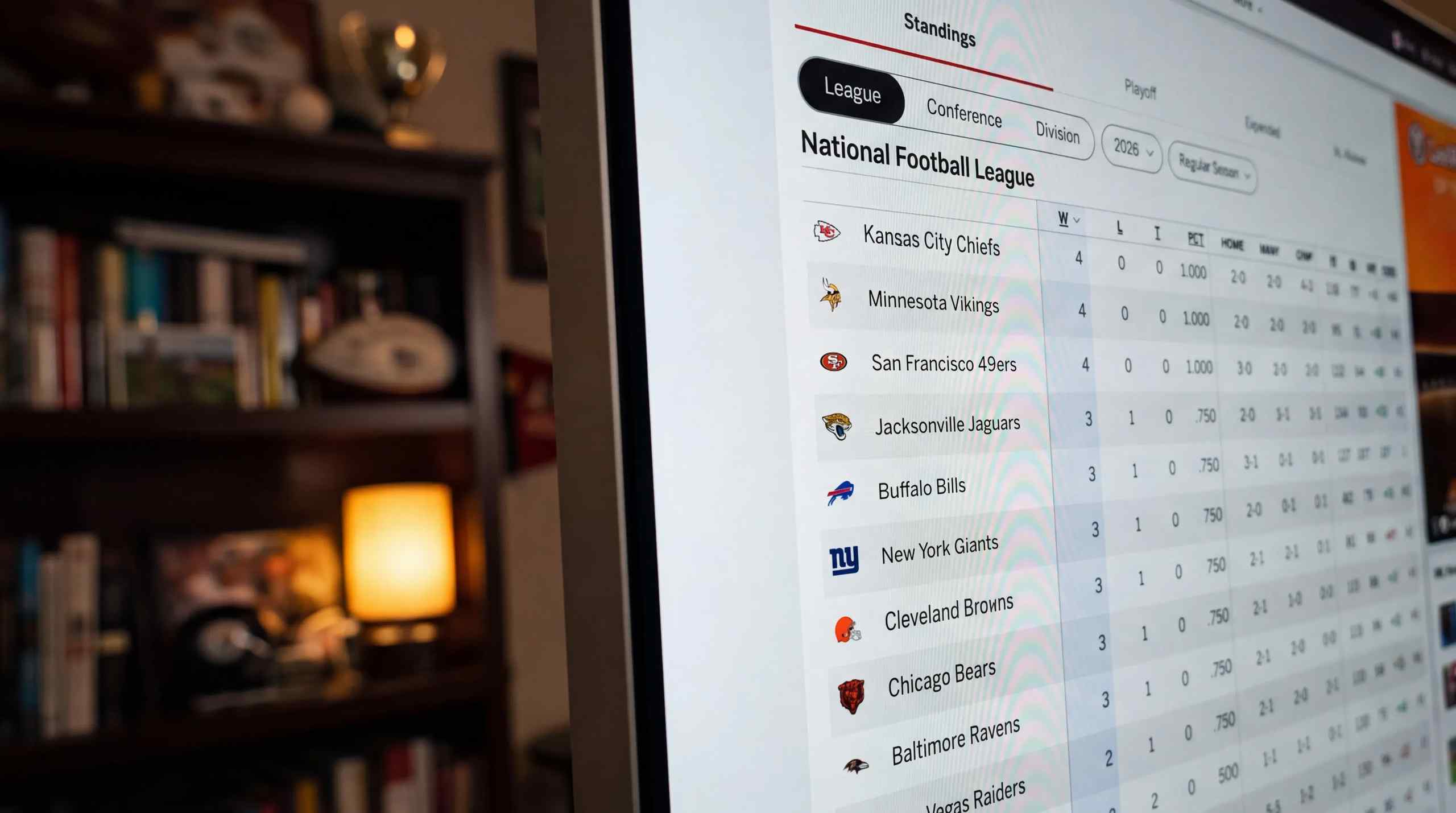
Does a 4-0 NFL Start Mean You're Playoff Bound?
A 4-0 start can put your team on the fast track to the playoffs, but history shows that even Super Bowl champions don't always start strong.
By Marcus Mosher
The 8 Greatest Sports Movies Ever Made, Ranked
Rocky isn't No. 1 by default. We ranked the eight greatest sports movies ever made, from a boxing warhorse to a table tennis fever dream, weighing critical scores against what actually stuck.
By Cole Rush
Which Sports Punish Losing Teams the Most?
From a punishing relegation to first draft pick optimism, discover which sporting leagues have the highest penalties for a losing season and those that feel comparatively lenient.

By Stuart Hughes
MLB Playoff Byes Aren't the Advantage You Might Think
Since baseball went to its current 12-team playoff format, the results show that bye teams only hold a slight Division Series advantage over Wild Card winners.

By Bill Gelman
McKenna, Martone Lead 5 NHL Rookies to Watch
Gavin McKenna and Porter Martone enter as the favorites, but a deep 2026-27 rookie class gives the Calder Trophy race plenty of potential challengers.

By Bill Gelman
Parlaymint Wants to Turn Parlays Into a Team Sport
Parlaymint turns the group parlay into a social sport, giving every bettor one pick, a share of the payout and potentially the entire bill if their leg is the only one that loses.

By Charlon Muscat