
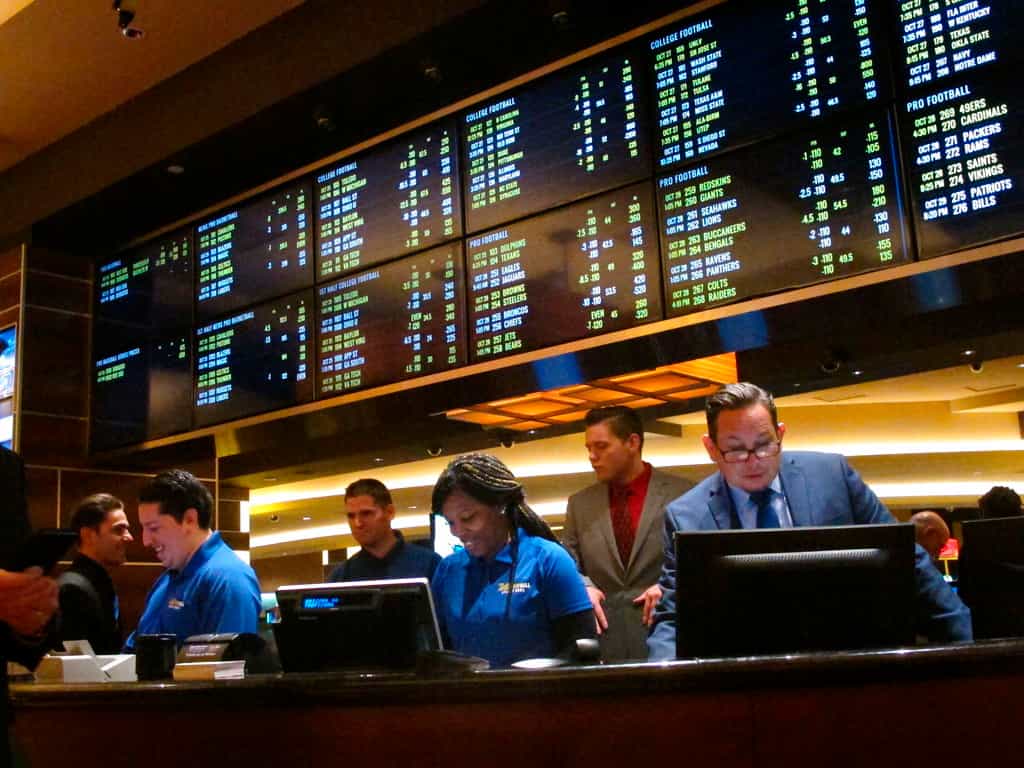
How Sportsbooks Manage Liability
A breakdown of how sportsbooks manage liability through odds pricing, line movement, betting limits and layoff bets, showing bettors what actually drives the numbers on the board.

Sportsbooks manage sports betting liability by pricing in the vig, moving lines to balance action, capping limits on sharp bettors, and laying off excess risk with other operators. Every tool exists to protect the book from a single lopsided outcome, whether the bets fall on spreads, moneylines or totals.
Key Takeaways
- Sportsbooks build a margin called the vig into every price, which covers losses even when action is split.
- Line movement is mostly a liability tool, not a prediction update, aimed at balancing money on each side.
- Betting limits protect books from bettors who show a consistent, measurable edge.
- Layoff bets let one operator offload excess risk to another book or liquidity pool.
- Live betting multiplies liability risk because odds must reprice within seconds of real-time events.
Quick Facts Box
| Category | Detail |
|---|---|
| Difficulty Level | Beginner to intermediate |
| Estimated Time to Learn | 15-20 minutes |
| Best Suited For | Bettors who want to understand why odds move and limits get set |
| Related Topic | Reverse line movement and sharp betting action |
Why Does Understanding Liability Management Matter for Bettors?
Understanding how sportsbooks manage liability matters because it explains why odds shift even when nothing happens on the field. A line move often signals money flow, not new information about the game. Knowing this helps bettors read the board instead of guessing at it.
How Do Sportsbooks Balance Liability Across Betting Markets?
| Liability Tool | What It Does | Effect on Bettors |
|---|---|---|
| Vig / Hold | Builds a profit margin into every price | Raises the win rate needed to break even |
| Line Movement | Shifts odds to attract money to the light side | Creates better or worse prices depending on timing |
| Betting Limits | Caps stakes on volatile or sharp-heavy markets | Restricts how much winning bettors can wager |
| Layoff Bets | Shifts excess risk to another operator | Rarely visible to bettors but stabilizes pricing |
What Does It Mean When a Sportsbook Manages Liability?
Managing liability means a sportsbook actively limits how much money it could lose on any single outcome. A book that takes bets on both sides of a game carries exposure the moment those wagers land. Risk teams track that exposure market by market, adjusting prices before it becomes unmanageable.
How Does the Vig Help Sportsbooks Manage Liability on Every Bet?
The vig, also called the hold or juice, helps sportsbooks manage liability by guaranteeing a margin regardless of which side wins. A standard -110 price on both sides of a spread creates a combined implied probability above 100 percent, and that overage is the book's built-in edge. Straight bets on major sports typically carry lower holds near 4.5 percent, while parlays and props can push holds past 10 percent.
How Does Line Movement Help Sportsbooks Manage Liability Across Markets?
Line movement helps sportsbooks manage liability by nudging bettors toward the side that carries less risk for the book. If one team draws a landslide of money, the price shifts to make the other side more attractive. This dynamic plays out differently depending on region and market depth, and the growing overlap between domestic and global pricing models, detailed in how U.S. and European betting lines are converging, has changed how quickly books react to heavy action.
How Do Betting Limits Help Sportsbooks Manage Liability From Sharp Bettors?
Betting limits help sportsbooks manage liability by capping stakes before a single bettor's edge turns into a costly pattern. A book that notices consistent profit from one account, or bets that reliably beat the closing line, will lower that account's ceiling rather than absorb repeated losses. Bettors weighing how far to push their stakes should consider how much betting volume actually makes sense before testing a book's tolerance.
How Does Live Betting Add New Liability Challenges for Sportsbooks?
Live betting adds new liability challenges for sportsbooks because odds must reprice within seconds of a play, leaving little room for error. A stale number left on the board for even a moment can be exploited before the system catches up. That speed problem is central to how live betting odds get generated and updated, which is why in-play limits tend to run tighter than pregame limits.
How Do Sportsbooks Use Layoff Bets to Manage Liability With Other Operators?
Layoff bets let one sportsbook offload part of its exposure by placing a wager with another operator. If a book is overloaded on one side of a game, it can bet that same side elsewhere to reduce net risk. This practice mirrors how commodities traders hedge inventory, and it happens quietly behind the scenes rather than through any bettor-facing feature.
What Are Real Examples of Sportsbooks Managing Liability?
Two scenarios show how sportsbooks manage liability in practice. First, imagine an NFL spread opens at Chiefs -7 with balanced early action, then a wave of late public money pushes millions onto Kansas City. The book raises the number to -8.5 or higher to slow that side and attract Lions bets before kickoff.
Second, a bettor who backed a favorite before the line moved against that team might place a hedge bet on the underdog to lock in guaranteed profit regardless of the final score. That single decision, explained in how to hedge a bet effectively, shifts a small piece of liability back toward the sportsbook on the opposite side.
What Common Mistakes Do Bettors Make About Sportsbook Liability?
- Assuming every line move reflects new injury or weather news rather than money flow.
- Believing betting limits only target cheaters, when they usually target consistently profitable accounts.
- Ignoring that parlays and props carry far higher holds than straight spread or total bets.
- Thinking layoff bets are visible or bettor-facing, when they happen entirely between operators.
How Does Liability Management Compare to a Betting Exchange Model?
Liability management at a traditional sportsbook differs sharply from the peer-to-peer model used by betting exchanges. A sportsbook prices both sides itself and carries the risk, while an exchange simply matches opposing bettors and collects a small commission. British operators often describe their version of this liability process with distinct vocabulary, and bettors moving between markets benefit from knowing British gambling terms such as starting price and each-way alongside the more familiar layoff and hold.
Models of Betting: At a Glance
| Model | Who Carries Risk | Profit Source |
|---|---|---|
| Traditional sportsbook | The operator | Vig built into both sides of a market |
| Betting exchange | Bettors, matched against each other | Small commission on winning bets |
The Bodog Insight on Sportsbook Liability
Sportsbooks manage liability through a layered system: pricing margin, line movement, limits and layoffs all work together to protect the book from any single outcome. None of these tools exist because a sportsbook is guessing wrong. They exist because a well-run book treats every market like a balance sheet, not a coin flip.
Bodog's take: the sharpest bettors don't fight these mechanics, they read them. Watching where limits tighten and where lines resist public money tells you more about a game than any prediction model.
Sportsbook Liability FAQs
What is liability in sports betting?
Liability is the amount a sportsbook stands to lose on a given outcome based on the bets already placed against it.
Why do sportsbooks move betting lines?
Sportsbooks move lines primarily to balance money on both sides of a market and reduce their liability, not just to reflect new information.
What is the vig and how does it relate to liability?
The vig is the built-in margin on a price, typically around 4.5 percent on standard -110 markets, that guarantees profit regardless of the liability split.
Why do sportsbooks limit winning bettors?
Sportsbooks limit winning bettors because a consistent edge becomes a measurable, ongoing liability that threatens the book's margin.
What is a layoff bet?
A layoff bet is a wager one sportsbook places with another operator to offload part of its own risk on a lopsided market.
Does live betting increase liability risk?
Yes, live betting increases liability risk because odds must update within seconds, leaving a narrow window for stale prices to be exploited.
Are betting limits the same at every sportsbook?
No, betting limits vary widely by sport, market type and the sportsbook's own risk tolerance and liquidity.
Continue Learning
- Sports Betting Hub: a starting point for the core concepts behind odds, markets and strategy.
- Why People Love Betting on Sports They Barely Understand: a look at the psychology behind casual wagering.
- Why Sports Stars Keep Making the Same Money Mistakes: lessons on risk and discipline from athlete money missteps.
- Sports Interaction Review: a closer look at how one licensed operator structures its markets.
Sources & Review
James Guill is an experienced iGaming journalist with a diverse background spanning IT, poker, and online gambling media. With over 20 years in the industry, he’s covered a wide range of gaming topics and has been featured in outlets like USA Today and G4 TV.
More Articles like this
Do NHL Stars Lose Their Edge After Signing Huge Contracts?
Do NHL stars really take their foot off the gas after a big payday? We analyzed 29 major contracts to find out.
By Charlon Muscat
Five Iconic World Series Moments Since the Brewers' Appearance
The Brewers are back in the World Series after 44 years. From Bill Buckner's error to the Cubs ending their curse, plenty has happened since 1982.
By Bill Gelman
LeBron to Giannis: Ranking 5 NBA Offseason Stunners
LeBron to Philly, Giannis to Miami, and Wemby staying put. Which NBA offseason move will pay off the most?
By Bill Gelman
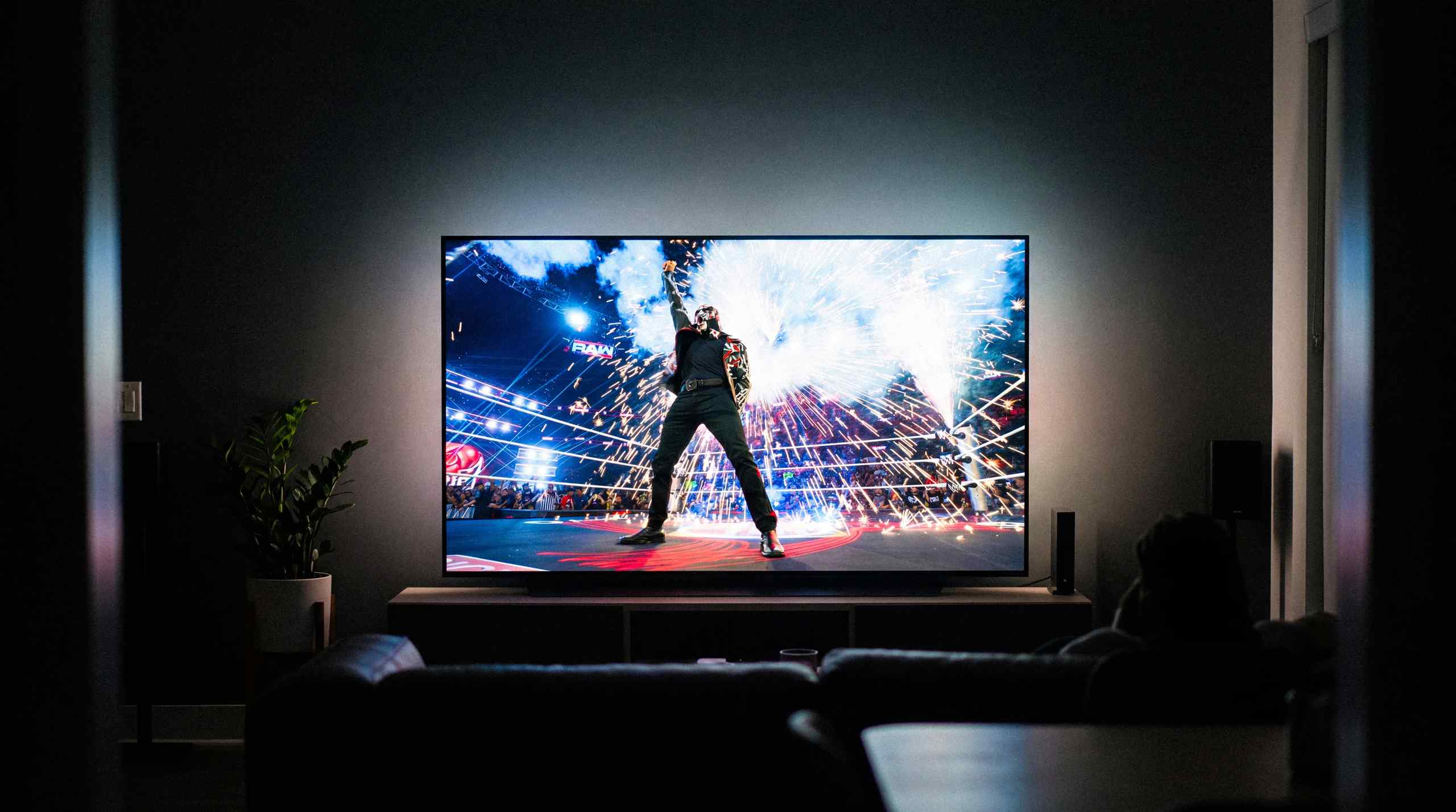
NFL Fans Spend $900 to Watch Games. WWE Fans Pay Even More
Think watching every NFL game is expensive? WWE fans would argue otherwise.
By James Guill
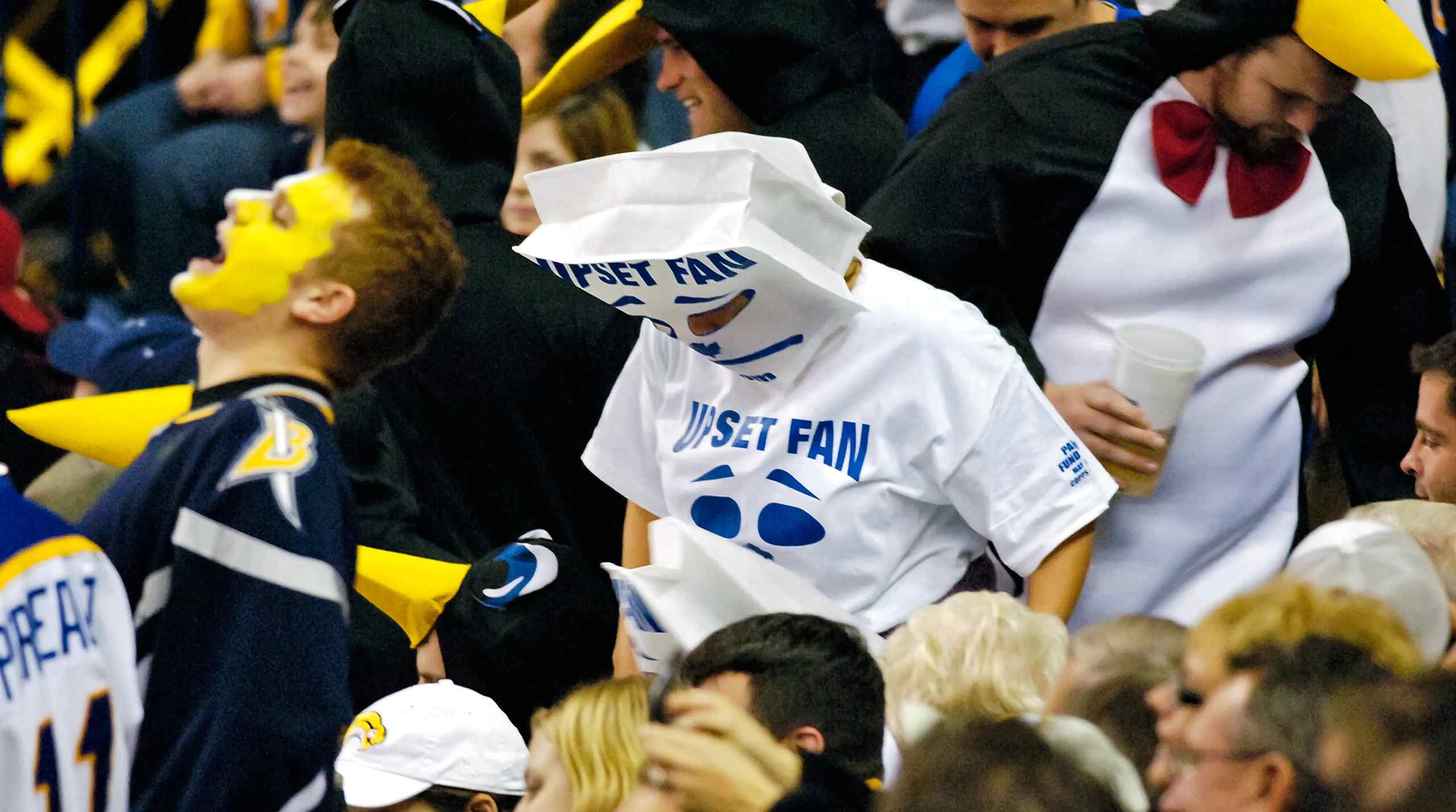
How Bad Is It? Ranking the NHL's Original Six by Fan Misery
Nearly 60 years without a Stanley Cup is just the beginning. We rank the NHL's Original Six teams by how much misery their fans have endured.
By Bill Gelman
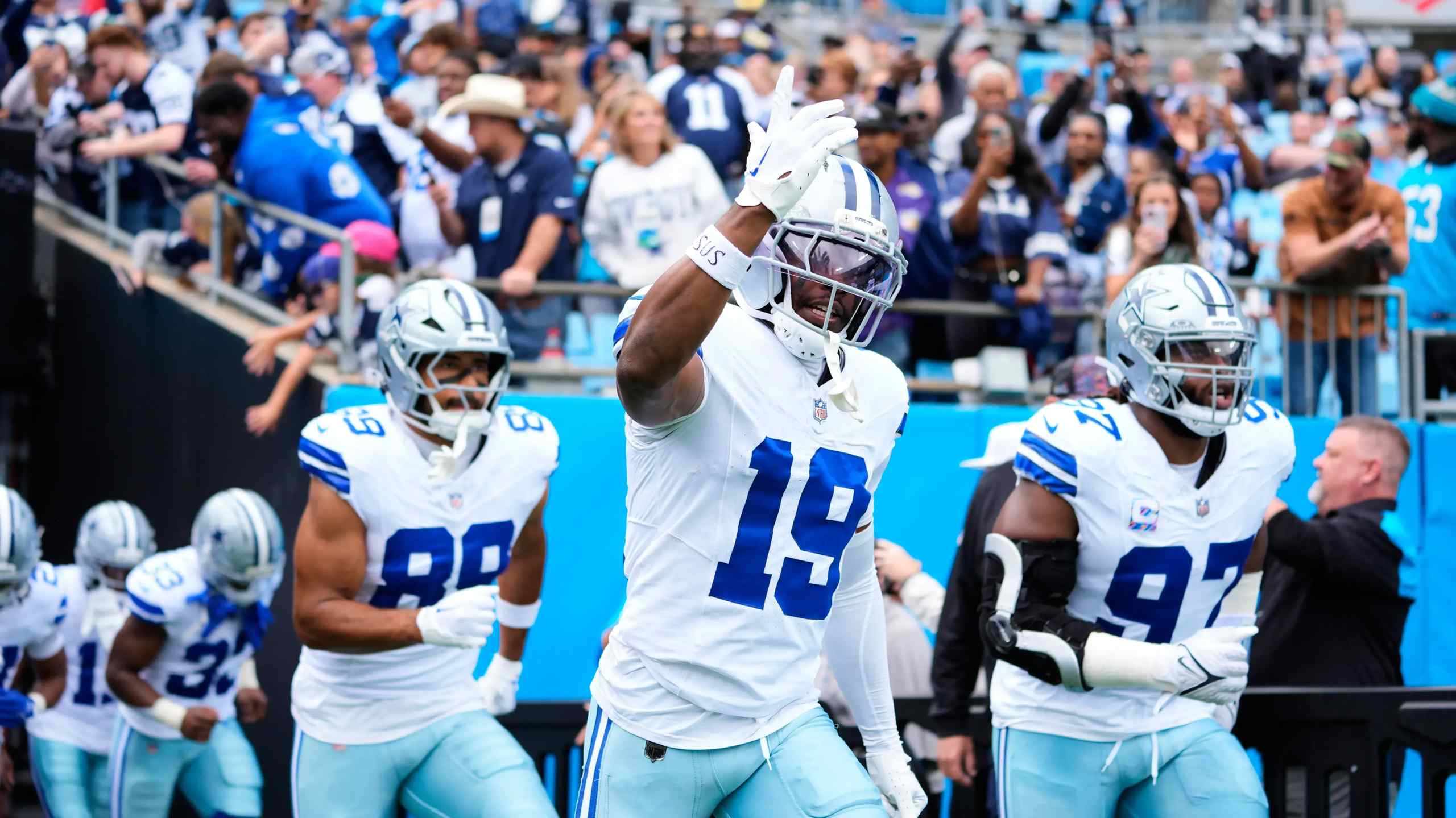
Why Does Everybody Hate Us? 10 Most Hated Sports Teams Ever
Some teams always win; others get caught breaking the rules. Either extreme is a surefire way to become universally hated, as these 10 sports teams can attest to.
By Stuart Hughes