
Why More Tennis Pros Are Finding a Second Act in Pickleball
Pickleball is becoming more than a second sport for tennis pros. It’s opening doors to new careers, businesses, and ownership opportunities off the court.
%20(1).webp)
Emir Hamzic was watching television when he saw people getting paid to play a sport that looked, to him, like a backyard game with delusions of grandeur.
"You have to be kidding me," he remembers thinking. "People are actually making money playing this?"
Two weeks later, he entered his first professional pickleball event.
It sounds impulsive, almost mythical, like a David and Goliath storyline. Until you realize Hamzic was basically a tennis Goliath before he set his sights on pickleball.
Hamzic's tennis career was built on Futures events and main draws, an NJCAA national championship, and a coaching stint that helped Chicago State's women's team win a Horizon League title and reach the NCAA Tournament for the first time in school history. He walked into pickleball already knowing how to turn a racquet into a successful career.
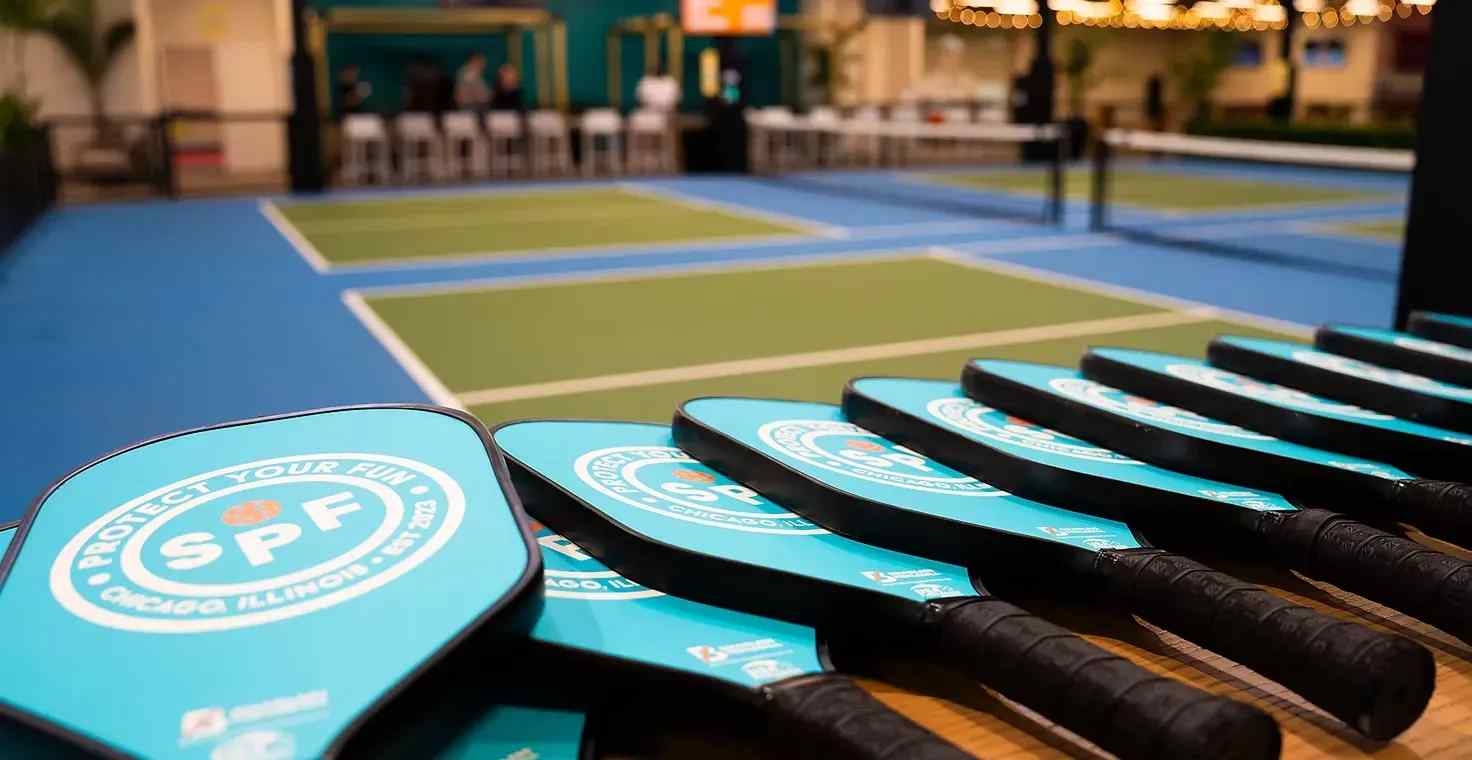
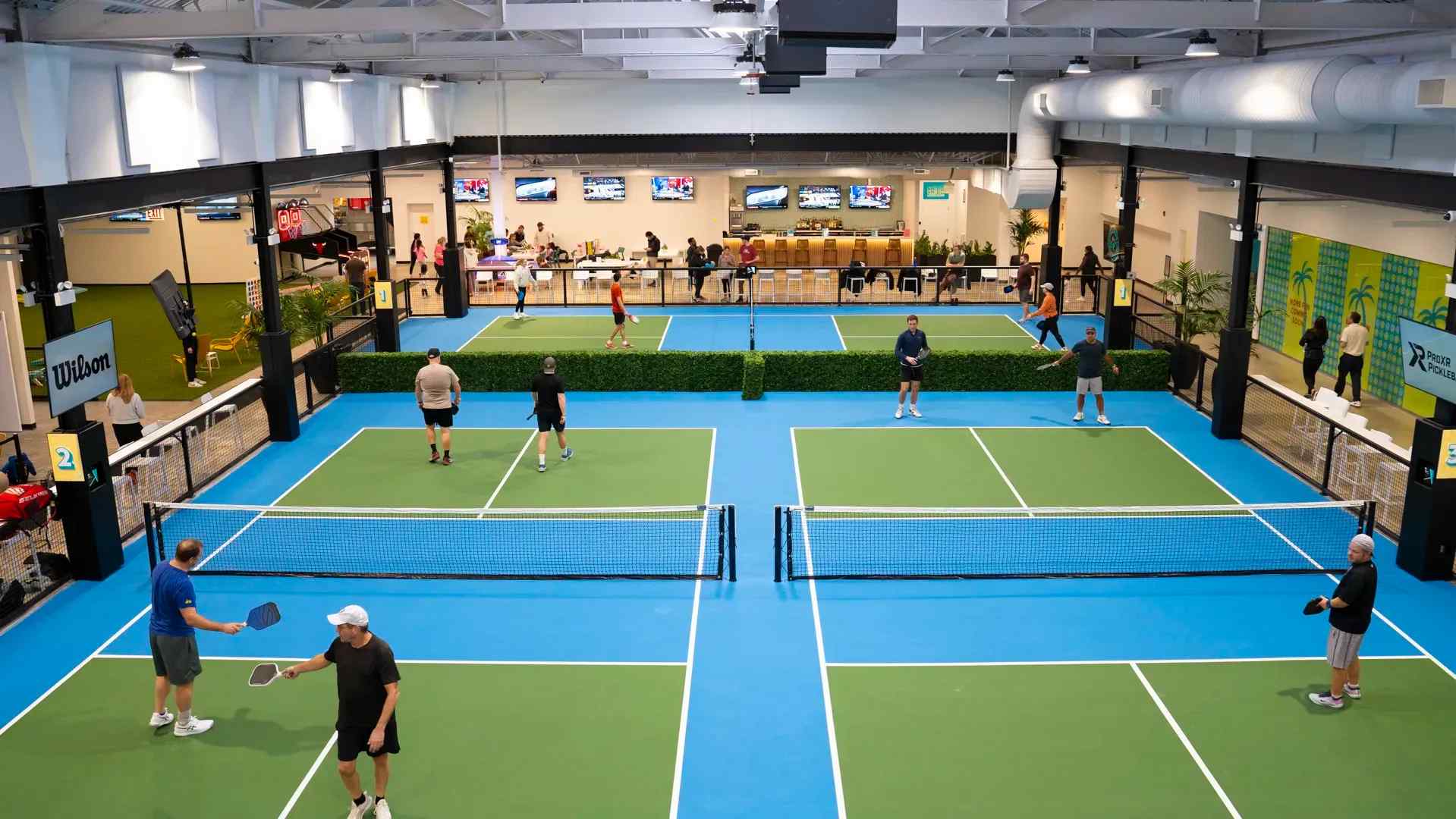
These days, that career looks less like a tennis resume and more like a small portfolio. Hamzic is a programming partner at the massive indoor pickleball facility SPF All Day, where his coaching and programming revenue comes from, and an equity partner and investor in SPF West Loop, the company’s newest venture in Chicago.
Hamzic also runs his own coaching operation, Hamzic All American Training. He books corporate events through Real Picky Club, leaning on relationships built across the racquet-sports world, and he's writing a memoir, From Racquets to Riches, about turning a childhood promise into an actual business.
As pickleball continues to explode, more and more tennis pros will likely contemplate the path that Hamzic has taken over the years.
Not Exactly Love at First Sight
Hamzic will be the first to admit that his relationship with pickleball didn't start as a love story.
"The first time I saw it was in New Jersey, and it was a group of much older people playing," he said. "I remember joking to myself, 'Look at these little weirdos.' They were also extremely territorial and aggressive about their courts, so my first impression did not exactly make me want to join them."
That skepticism is exactly why he's careful about how other tennis players get introduced to the sport now.
"You do not understand how great the game is until you experience it for yourself," he said. "That is why I tell tennis players they need the right person to introduce them to pickleball. If your first experience is competitive, energetic, and played at the right level, you immediately see why people become addicted to it."
It's a version of the same conversion happening across the sport right now. A generation of tennis players who once side-eyed pickleball the way Hamzic did are showing up to their first competitive session and leaving as pickleball converts.
A Promise Kept
Hamzic started playing tennis at eight, but it wasn't his choice.
"It was the only sport my father allowed me to play," he said.
"I was just happy that I was allowed to play something. I didn't care what the sport was. I knew I wanted to become a professional athlete. Tennis just happened to become my ticket to that destination."
What started as the only option available became an internal desire to dominate on the court.
"Becoming a professional tennis player was a promise I had made to my inner child," he said.
"Regardless of how difficult the journey became, I needed to prove to that eight-year-old boy that his dream was possible, and I kept that promise."
Turns out, promises of that caliber don't come cheap or easy. Hamzic trained in Europe, competed in Futures events, and financed the whole operation by starting a tennis coaching company on the side. That turned out to be his real introduction to the business instincts that would define the next decade.
"That was my introduction to entrepreneurship," he said. "I learned how to turn my knowledge of the game into a business that could support my playing career."
The results were real: an NJCAA All-American nod and a national doubles championship at Brookdale Community College, NJCAA Division III Men's Tennis Player of the Year honors, a degree in Exercise Science from Kean University, and eventually a return to the sport as a coach, helping Chicago State's women's program win a Horizon League title and reach the NCAA Tournament for the first time in school history.
Pickleball Provides a New Path
By 2022, after his final tennis Futures event, Hamzic had to admit something that had nothing to do with talent.
"I no longer had the desire to make the sacrifices required to keep improving in tennis," he said.
"In truth, there were times when I did not even want to continue through college, but I couldn't walk away without accomplishing something in the sport. I had made a promise to my inner child, and I needed to leave tennis knowing I had fulfilled that promise in some meaningful way."
But without a racquet, without a ranking, without something to play for, who was he?
"I still did not completely know who I was outside of being an athlete," he said. "I knew I wanted to become a successful entrepreneur, even a mogul, but sports had always given me an arena in which I could work on myself, test my limits, and better myself."
Pickleball didn't answer that question so much as give him somewhere to keep asking it.
"Pickleball became another vehicle for growth, personally, competitively, and professionally," he said.
"I have always believed that if I am going to invest my time, energy, and identity into something, I need to earn lasting returns from that investment."
Those returns could be financial, sure, but also physical, mental, and emotional.
From Tennis To Pickleball, With Love
Ask Hamzic what transferred cleanly from tennis to pickleball, and the answer starts with strokes and ends somewhere much more interesting.
"The tennis skills that carried over most naturally were my groundstrokes," he says.
"I could immediately use that foundation on my drives and my serve, but beyond that, pickleball required me to become much more like a ping-pong player. The court is smaller, the exchanges are faster, and the technique has to be more compact. Over time, that completely changed how I use my hands and construct points."
The bigger carryover wasn't technical, however.
He's blunt about what pickleball demands that tennis lets you fake.
"In tennis, there are moments when you can mentally drift, stand a little taller, or conserve energy between balls and still get away with it," he says.
"In pickleball, everything happens so quickly and at such close range that you have to stay low, engaged, and ready almost constantly. One moment of poor positioning or lost concentration can end the point immediately. The sport may look casual from the outside, but at a high level, the focus and reaction demands are relentless."
That accessibility, though, is exactly what makes the sport worth taking seriously as a second act for tennis players.
"We have seen talented athletes reach approximately a 6.0 level within two years of beginning pickleball," Hamzic says.
"You would almost never see someone start tennis and become a legitimate professional two years later. That accessibility is one of pickleball's greatest strengths: it is easier to begin, faster to improve at, and still extremely difficult to master at the highest level."
He doesn't buy the framing of the two sports as rivals, either, and he's built a business around proving it. At Hamzic All American Training, the philosophy runs opposite to the discourse.
"I believe juniors can begin with pickleball, develop their coordination, confidence, and understanding of strategy, and eventually transition into tennis," he says.
"A lot of the rivalry comes from people judging pickleball from the outside rather than experiencing it at a competitive level."
Player to Partner
The real pivot in Hamzic's story isn't tennis to pickleball. It's player to owner, and it happened because of how he showed up long before there was anything to own. His role at SPF All Day grew from coach into programming partner, and separately, he became an equity partner and investor in SPF West Loop after meeting founder Richard Green early in the project and betting on the vision.
"Owning part of a club opened doors, put me in rooms where I previously didn’t have an invite,” he said. “People began to see the operator, entrepreneur, and business partner behind the athlete."
That access has already turned into business well beyond SPF. Hamzic has done corporate event work for brands like BluePrint through Real Picky Club, the corporate-events company he's built around that same brand recognition, and he's started putting money into a few companies through connections made across the racquet-sports world.
These days his calendar reflects a guy managing a transition in real time: two hours of on-court training four days a week, six days in the gym, and 25 to 30 hours coaching, on top of managing coaches and overseeing programming at the club. Eventually Hamzic wants to transition to be mostly behind the scenes, managing and developing other coaches.
That doesn't mean he's done competing, exactly (I should know, Hamzic has regularly kicked my butt on the court). It means competing is no longer the thing paying the bills.
"I am building a life where my businesses support my competitive ambitions," he says, "rather than having to depend on tournament income to finance everything."
He's not ruling out a run at representing Serbia if pickleball makes the 2032 Olympic program, but it's a long-term target sitting behind a much more immediate one: building something that outlasts whatever his knees allow.
The Vehicle, Not the Destination
Hamzic is writing a memoir, From Racquets to Riches, and the title does most of the explaining. It's not a book about a kid who got good at tennis and stayed good at tennis.
"It's about a kid who used racquet sports to build a financial foundation, gain access to rooms he otherwise may never have entered, and ultimately create a life beyond the court," he says.
He's specifically aiming the book at a stereotype he's watched plenty of talented players fall into: the lifer teaching pro who earns a comfortable living and never builds anything past it.
"There are talented racquet-sports professionals who work incredibly hard, but many are never taught how to turn their knowledge, relationships, and access into ownership and long-term success," he says.
"I want this book to show them that they do not have to remain only a coach or player forever. The court gave me more than a playing career. It gave me the foundation on which I could build my life."
That's the actual pipeline. Not tennis players discovering pickleball. A kid who figured out early that a racquet was never the point; it was just the first tool he picked up.
Cole Rush is a freelance writer, crossword constructor, and creative tinkerer with more than 10 years of experience writing about anything and everything. Cole’s primary area of expertise is the gambling industry, covering the expansion of sportsbooks and online casinos alongside emerging spaces like sweepstakes casinos and prediction markets.
More Articles like this
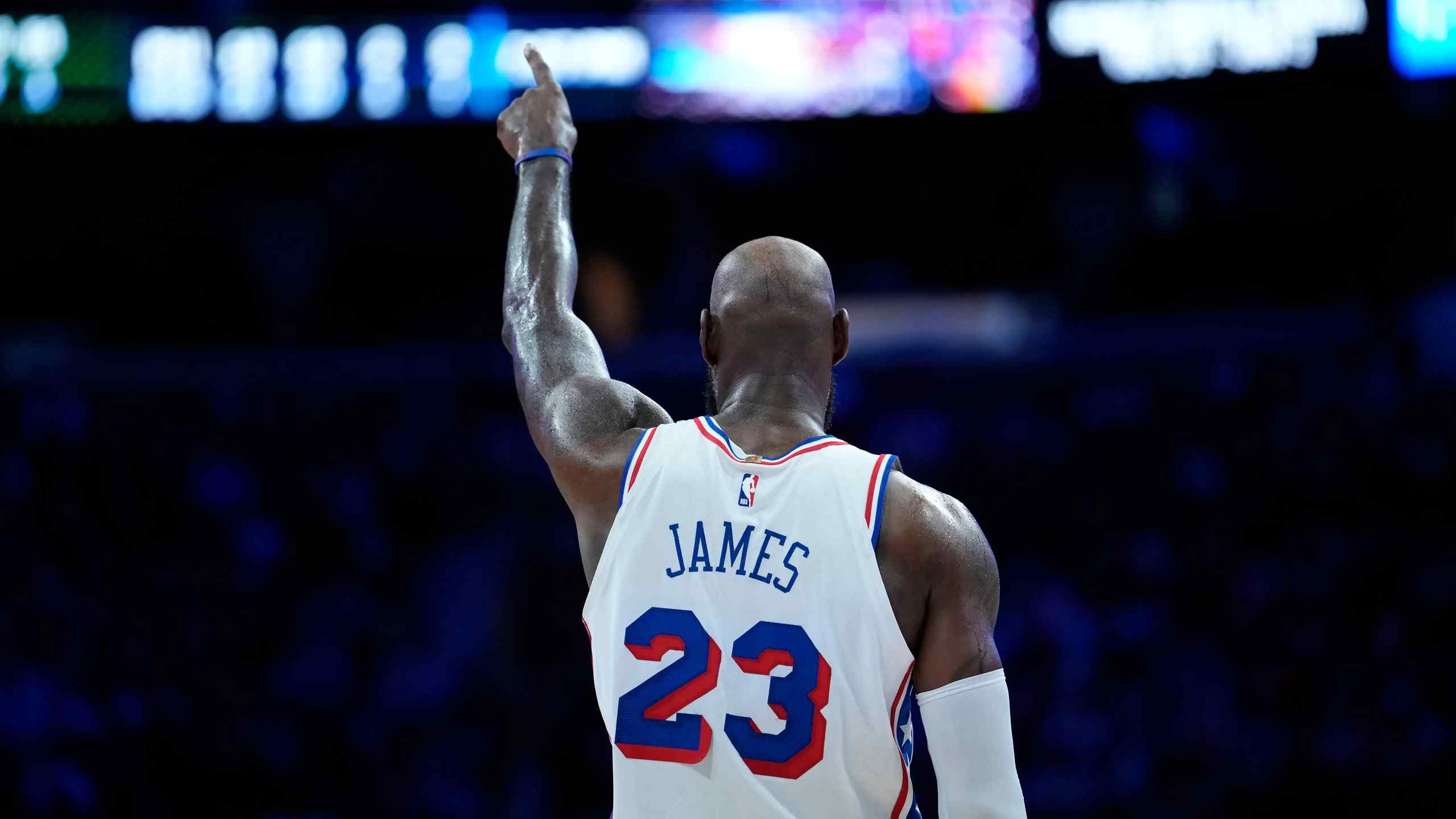
LeBron to Giannis: Ranking 5 NBA Offseason Stunners
LeBron to Philly, Giannis to Miami, and Wemby staying put. Which NBA offseason move will pay off the most?
By Bill Gelman
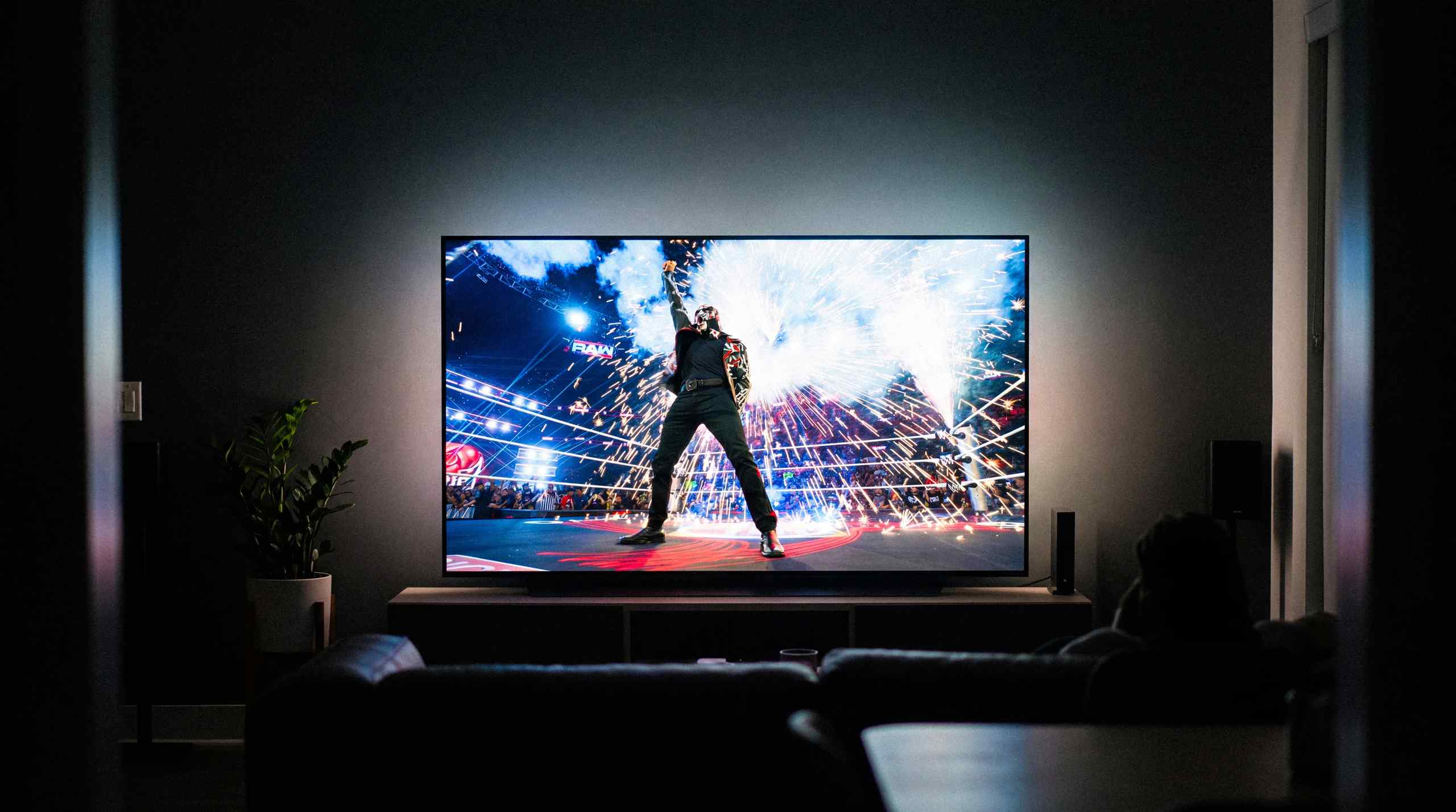
NFL Fans Spend $900 to Watch Games. WWE Fans Pay Even More
Think watching every NFL game is expensive? WWE fans would argue otherwise.
By James Guill
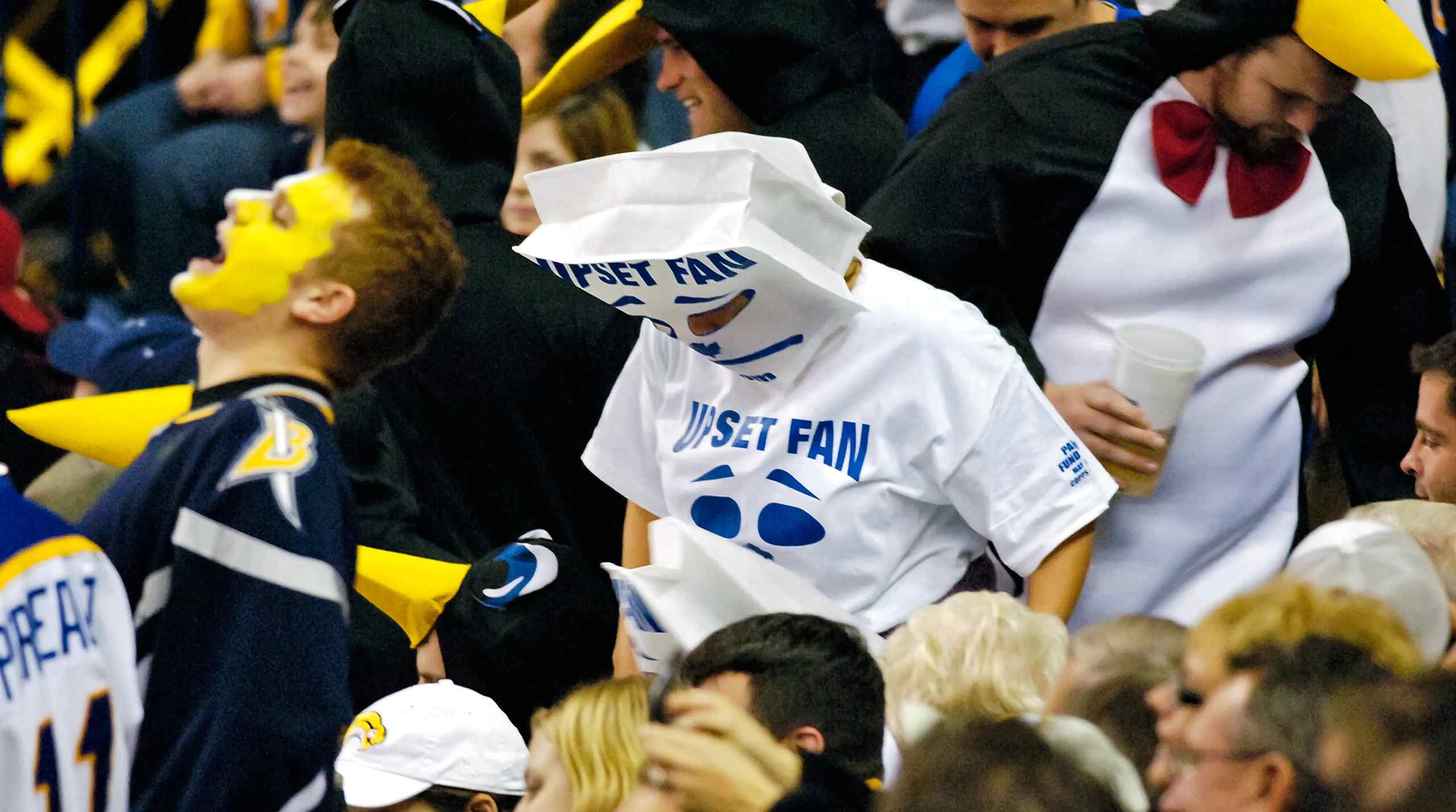
How Bad Is It? Ranking the NHL's Original Six by Fan Misery
Nearly 60 years without a Stanley Cup is just the beginning. We rank the NHL's Original Six teams by how much misery their fans have endured.
By Bill Gelman
Why Does Everybody Hate Us? 10 Most Hated Sports Teams Ever
Some teams always win; others get caught breaking the rules. Either extreme is a surefire way to become universally hated, as these 10 sports teams can attest to.
By Stuart Hughes
5 Outrageous Sports Rules That Need to Die
From a missed signature disqualification to a two-minute penalty for a tucked-in jersey, find out about the top five dumbest rules in sport that leave common sense in the locker room.
By Stuart Hughes
The 10 Most Unforgettable Quotes in Sports History
From Jordan's hard truths to Healy's cheeseburger dig, these legendary greats uttered 10 iconic quotes that turned out to be as memorable as their sporting achievements.

By Stuart Hughes