
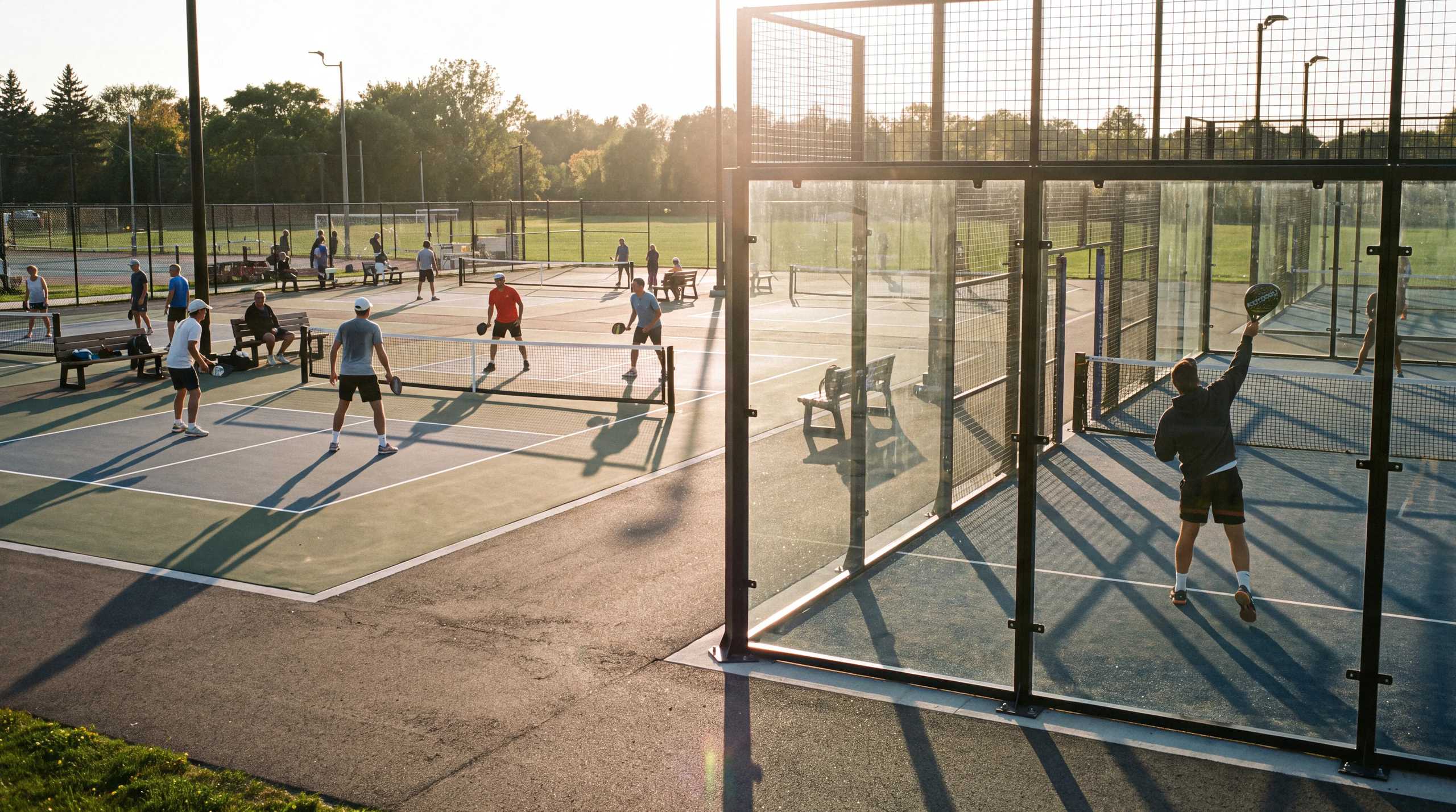
Pickleball vs. Padel: Which Wins the Next Decade?
Pickleball dominates America on accessibility. Padel has the bigger global footprint and pro potential. Which racket sport is better built for the next decade?

Padel is everywhere in celebrity circles. Cristiano Ronaldo, David Beckham, Lily James, and Stormzy have all been seen picking up a racket. Worldwide, the International Padel Federation counts more than 35 million active players and 77,300 courts. America has only around 770 of those, 41% of them being concentrated in Florida.
Pickleball, meanwhile, has a much bigger foothold stateside, thanks in no small part to how easily a game can get going. To see which sport is better placed to reign supreme from here, I looked at the strength of their grassroots base and long-term commercial potential.
Britain goes padel mad as pickleball explodes across America
If there was any doubt about which way the wind is blowing, England has supplied the numbers. A Guardian analysis of Sport England’s live facilities database found more than 2,200 padel courts in September, up from just 382 in 2023, while tennis headed in the opposite direction, losing a net 183 playing sites nationwide. And the crowds have followed, because the Lawn Tennis Association said in May that Britain now had 1 million padel players, an extraordinary leap from just 15,000 in 2019.
On this side of the pond, the Sports & Fitness Industry Association estimates that 24.3 million Americans played pickleball last year. Back in 2020, that number was only about 4.2 million, meaning participation has grown nearly sixfold since then. The rush for new courts, meanwhile, is beginning to cool. Trust for Public Land data reported by Axios put growth across the 100 largest US cities at just 4% in 2026, well below the 13% and 14% recorded over the previous two years, though the overall count remains nearly 900% above where it stood in 2017.
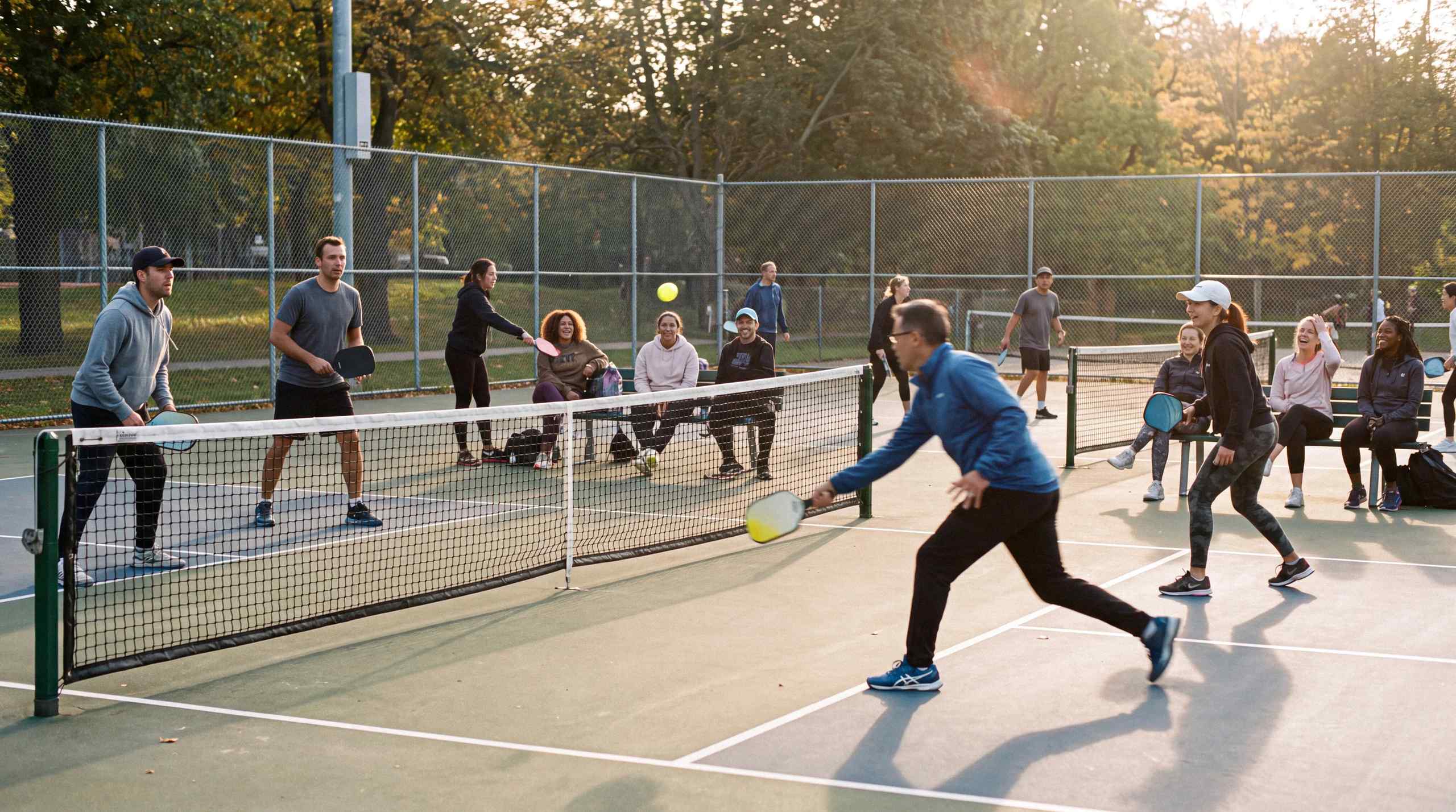
Padel vs. pickleball court setup
For all they have in common, padel and pickleball put very different demands on the space around them. I broke down what each one requires before you can get out there and play.
| Setup | Pickleball | Padel |
|---|---|---|
| Playing surface | Flat hard court or gym floor | Dedicated synthetic court surface |
| Court size | 20 × 44 feet inside the lines; larger run-off area preferred | 10 × 20 meters |
| Lines | Can be added to an existing court | Built into the court |
| Net | Portable or permanent | Permanent |
| Walls | None required | Rebound walls are part of play |
| Fencing | None required | Full mesh enclosure required |
| Overhead space | Standard outdoor or indoor clearance | Clear height required above the enclosure |
| Existing space usable? | Often yes, including tennis courts and gyms | Generally no; a purpose-built court is needed |
| Fastest way to start | Adapt an existing hard court or gym | Book an installed court at a club |
➡️ Read more: New Car vs. Used — What’s the Smartest Move?
Pickleball wins on accessibility
What I keep coming back to with pickleball is how little the setup asks of the surroundings. Got a court, a gym floor, some open space that can be marked up? You’re most of the way there. The ability to piggyback on existing facilities lowers the barrier across schools, clubs, parks, or even a group of friends looking for an easy going workout outside the gym. With padel, there’s more of a commitment from day one, because once a venue adds a court, that footprint is pretty much spoken for.
The latest USA Pickleball figures put the count at 82,613 known courts across 18,258 locations. I couldn’t track down a current breakdown showing how many are dedicated versus shared or temporary. Best available comparison goes back two years. A 2023 SFIA/Pickleheads infrastructure report said more than 70% of US pickleball courts at the time were “temporary in nature.”
On home soil, the pickleball vs. padel contest is pretty one-sided. A more recent report by the same organization found the former had a participation base about 22.7 times larger. Padel, by comparison, counted just 1.07 million players in 2025. SFIA also says ages 13 to 24 now have the highest participation rate of any pickleball age group, while women make up 42.9% of the crowd, up from 38.6% in 2020.
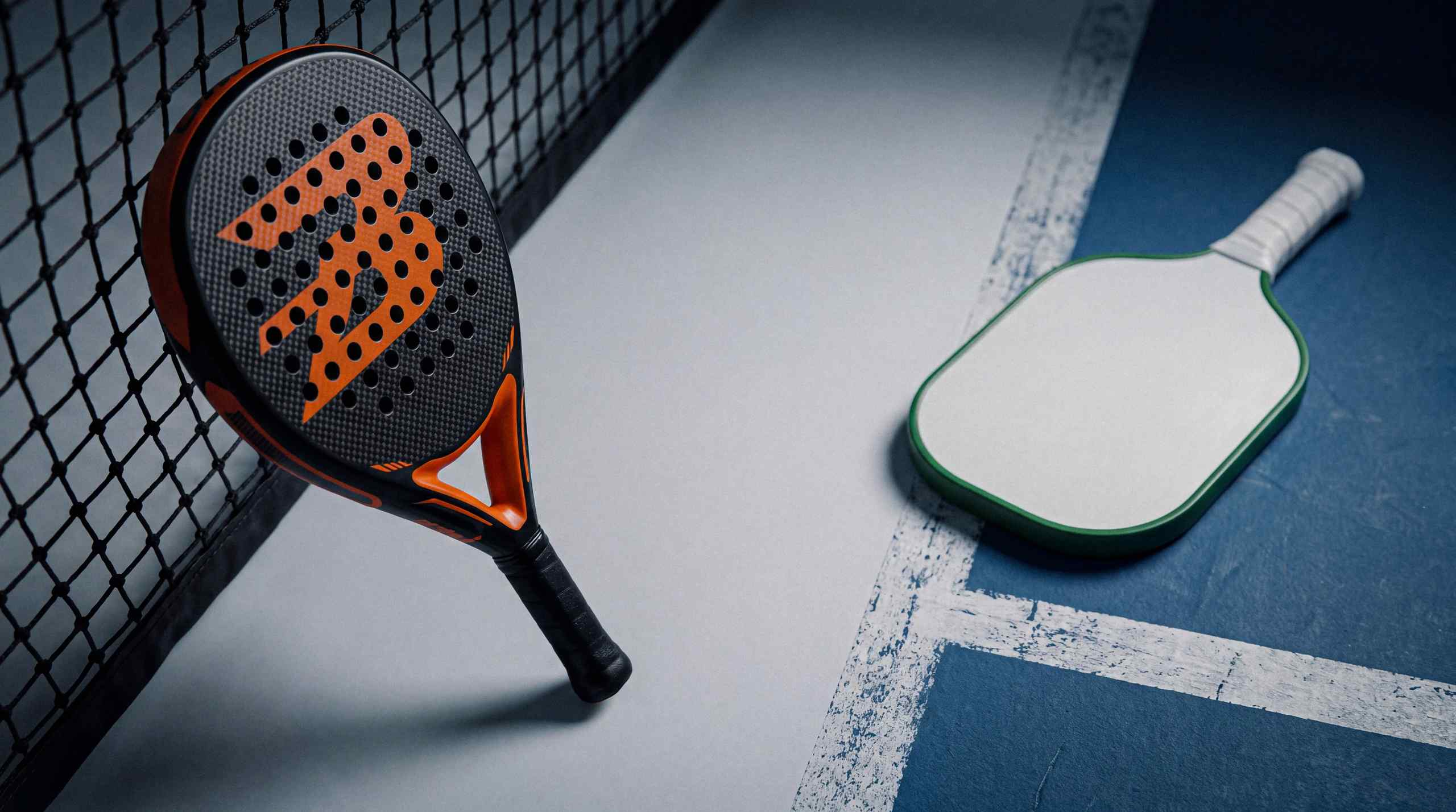
Opening a club? I’d pick padel
Then again, from the business side, padel’s infrastructure isn’t necessarily a drawback. At least when the operation works. Because, okay, getting one off the ground is expensive, but once it’s there, the cage can be sold by the hour. And that’s before adding coaching, memberships, leagues, events, and hospitality
Playtonic’s 2026 Global Padel Report says well-run clubs can hit around 70% occupancy and earn back their investment in roughly three years. Stateside, as per Inc., Padel Haus locations bring in between $1 million and $4 million annually. Pickleball venues offer all of that too, though when people can put a game together almost anywhere, getting them to keep choosing one particular operator is a harder ask.
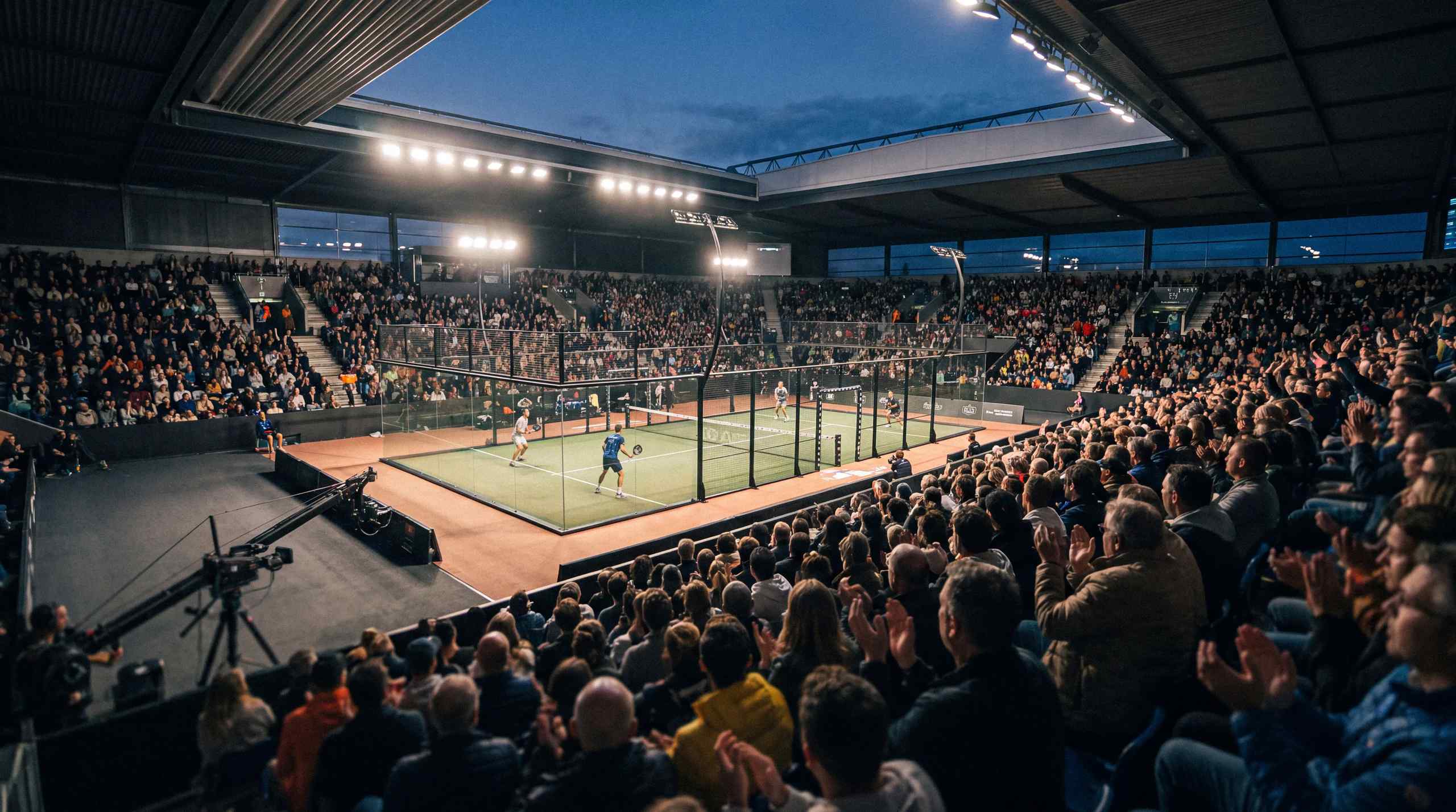
Padel has the stronger shot at becoming a global pro sport
In recent years, padel and pickleball have both developed much bigger top-level circuits.
A $225 million Apollo-led investment in Pickleball Inc. poured fresh money into the parent company behind both the Professional Pickleball Association (PPA) and Major League Pickleball (MLP). The latter has players competing for city-based teams, giving local sports fans somebody to get behind even if they don’t know the names on the court yet. The PPA, meanwhile, looks more like a traditional individual-sports circuit, with players chasing rankings and titles from stop to stop. Its 2026-27 season has 20 main events on the US schedule and more than 25 international ones, while a CBS broadcast of the Masters peaked above 1 million viewers, according to the organization.
Padel’s advantage is the international structure around the game. Premier Padel scheduled 26 tournaments in 18 countries in 2026. According to reports, the one in London had no less than 20,000 fans in the stands. Last year, the first 10 events pulled in 48.6 million live views across 244 territories.
Starting this season, the International Padel Federation introduced the Star Point after two deuces, partly to make match duration more predictable. USA Pickleball’s rally scoring, although it has not replaced the standard system, has been provisionally approved and brings many of the same benefits.
Having a more reliable match window helps, especially as streaming platforms carve up more of the live sports market. For broadcasters, knowing roughly how long a contest will last makes scheduling a whole lot easier and gives the sport one more thing working in its favor when airtime decisions are made.
My pick for the next decade
Pickleball probably isn’t giving up its participation lead in the United States anytime soon. Padel would need cages popping up across neighborhoods nationwide just to compete on access. But “reign supreme” is a global question, and there I’d back padel. The sport already has a broader international footprint, backed by a unified professional structure and an established route for athletes through sanctioned competition into major events. None of that guarantees where the next decade ends up, but padel has more of the pieces in place to turn rapid growth into something lasting.
Charlon Muscat is an established iGaming expert who entered the space in 2019 and went on to build a name across both casino and sportsbook content.
More Articles like this
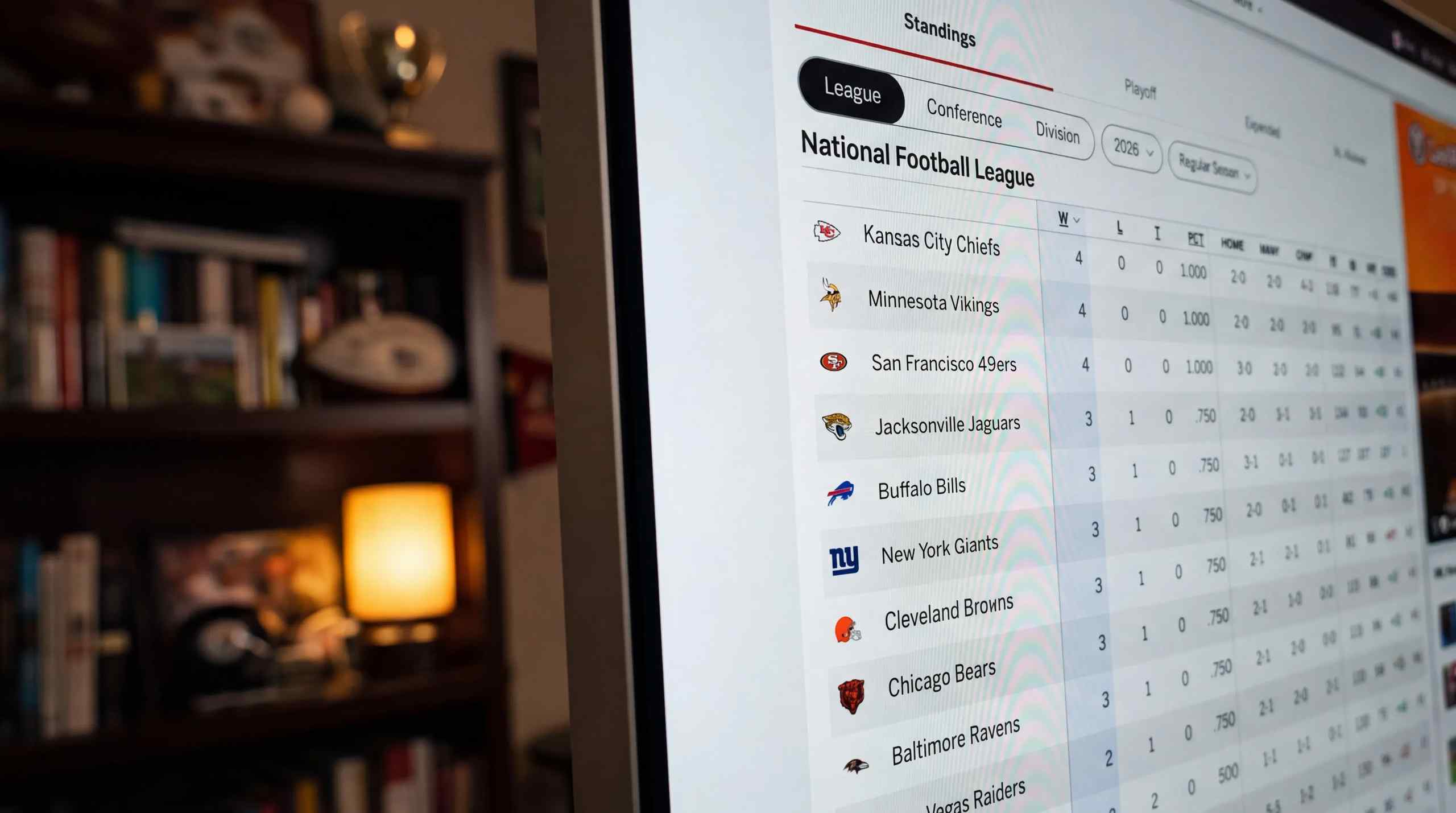
Does a 4-0 NFL Start Mean You're Playoff Bound?
A 4-0 start can put your team on the fast track to the playoffs, but history shows that even Super Bowl champions don't always start strong.
By Marcus Mosher
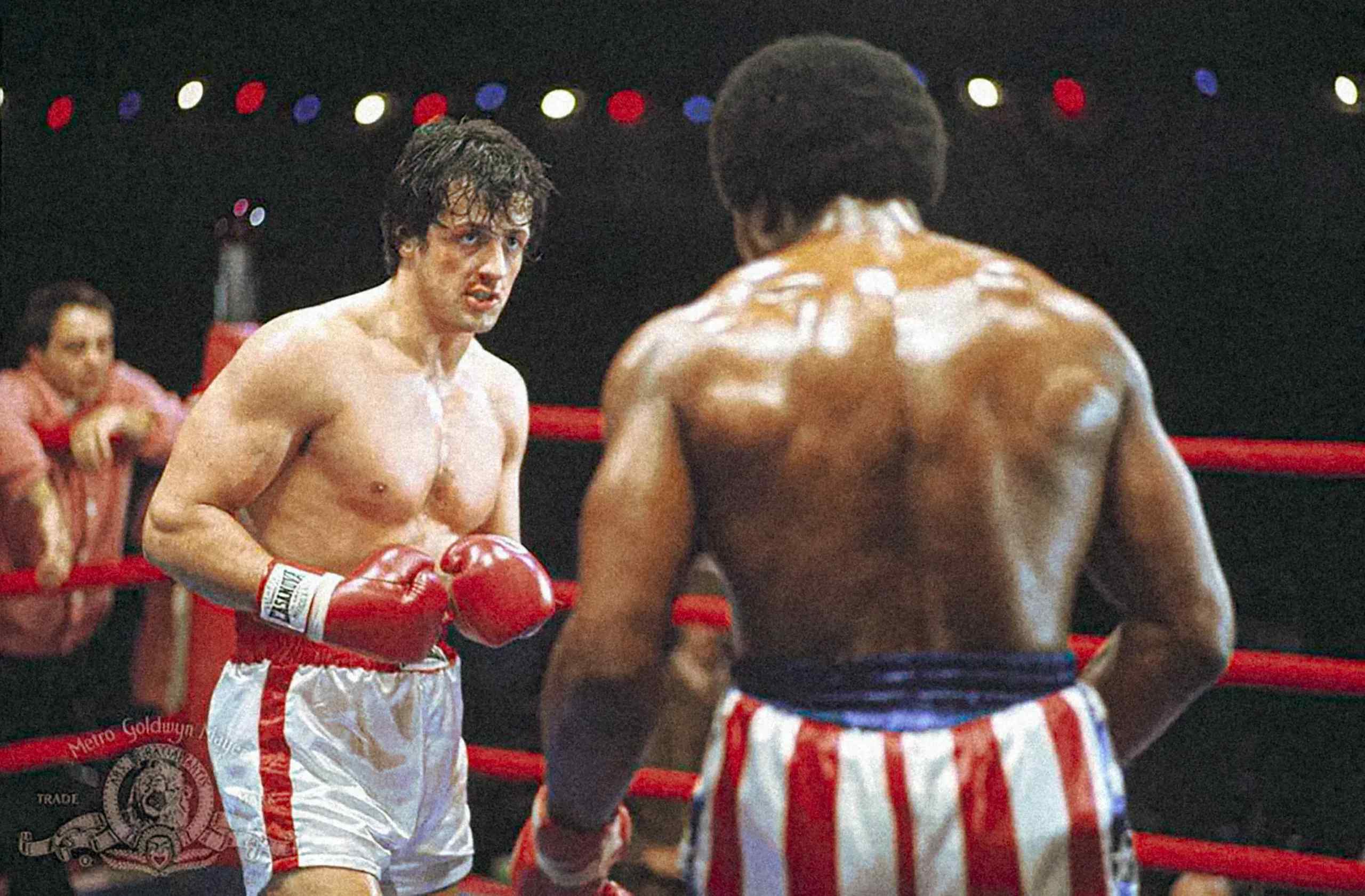
The 8 Greatest Sports Movies Ever Made, Ranked
Rocky isn't No. 1 by default. We ranked the eight greatest sports movies ever made, from a boxing warhorse to a table tennis fever dream, weighing critical scores against what actually stuck.
By Cole Rush
Which Sports Punish Losing Teams the Most?
From a punishing relegation to first draft pick optimism, discover which sporting leagues have the highest penalties for a losing season and those that feel comparatively lenient.

By Stuart Hughes
MLB Playoff Byes Aren't the Advantage You Might Think
Since baseball went to its current 12-team playoff format, the results show that bye teams only hold a slight Division Series advantage over Wild Card winners.
By Bill Gelman
McKenna, Martone Lead 5 NHL Rookies to Watch
Gavin McKenna and Porter Martone enter as the favorites, but a deep 2026-27 rookie class gives the Calder Trophy race plenty of potential challengers.

By Bill Gelman
Parlaymint Wants to Turn Parlays Into a Team Sport
Parlaymint turns the group parlay into a social sport, giving every bettor one pick, a share of the payout and potentially the entire bill if their leg is the only one that loses.
By Charlon Muscat