

Why Sports Stars Keep Making the Same Money Mistakes
Behind the million-dollar sporting contracts and luxury lifestyles lies a seemingly endless stream of sports stars filing for bankruptcy. From bad investments to gambling, pricey divorces and overspending, why does it keep happening?

From Montana and Jordan in the 80s to today's stars like Mahomes and Ronaldo, for decades now sports' biggest hitters have been signing eye-watering player contracts and sponsorship deals that have vaulted them to become multi-millionaires several times over.
Yet despite the headline-grabbing sums involved, the rollcall of star athletes that inevitably still end up broke, buried in debt, or desperately trying to scratch a living once they step away from the limelight is alarming.
The reality is, earning millions of dollars is only really half the battle, as countless sporting superstars have discovered; making money can be easy… It's holding onto it that's the problem. Join us as we look back to see which sporting legends have fallen foul of bankruptcy in the past and what today's sporting heavyweights are doing to avoid the same pitfalls.
The Truth About Million-Dollar Sports Contracts
Of course, while anything north of $100 million sounds like the stuff dreams are made of, the truth of the matter is, these sums can be deceiving.
Straight off the bat, taxes, agent fees, and management commissions quickly erode the amount of cash the athlete actually receives. Then you need to factor in potential player injuries or worse, off-field controversies and bans, which can be detrimental to a player's performance-related bonus - meaning they might only see a fraction of that headline amount agreed if things go pear-shaped.
Elite Earners - Largest Sporting Contracts Per Sport
| Sport | Athlete | Organization | Contract Length | Contract Value |
|---|---|---|---|---|
| Baseball | Juan Soto | New York Mets | 15 years | $765M |
| Football | Patrick Mahomes | Kansas City Chiefs | 12 years | $504M |
| Soccer | Cristiano Ronaldo | Al Nassr | 2 years | $470M |
| Boxing | Canelo Alvarez | DAZN | 5 years | $365M |
| Formula 1 | Max Verstappen | Red Bull Racing | 6 years | $330M |
| Basketball | Jayson Tatum | Boston Celtics | 5 years | $314M |
In extreme cases, as with Albert Haynesworth – famous for being the worst free agency signing in the history of the NFL - Washington managed to reclaim a lot of his $100 million contract back after a disastrous lack of commitment on Haynesworth's part, which saw him traded away halfway through his second season.
Furthermore - particularly among younger star athletes and rookies - the desire to fund a new, unfamiliar luxury lifestyle can quickly eat into the initial contract payouts. Not only that, but given sporting careers can often be fleeting - lasting on average between five and ten years (if they're lucky) - even enormous bank balances can be rapidly depleted after retirement.
Why and How Elite Athletes Love to Spend Their Money
As revealed in the groundbreaking GQ series, ‘How I Spent My First Million’, the one takeaway was that not all sports personality stereotypes are true. Sure, some stars do head off to buy overpriced supercars and jewelry, but others focus on more practical purchases such as financial investments, property, or dividing their first paychecks among family members.
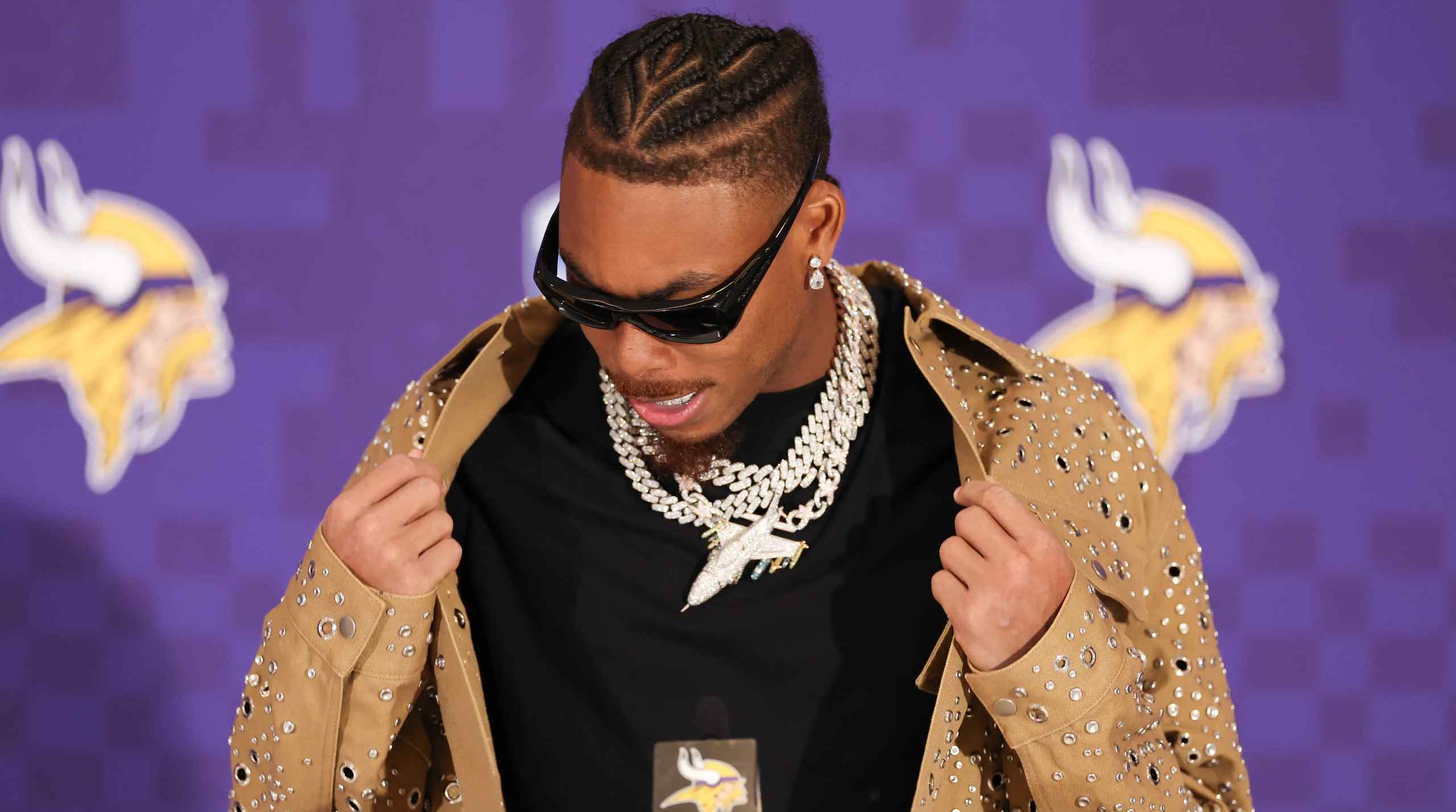
For instance, NFL superstar Justin Jefferson admitted he celebrated his early success by procuring his very own $150,000 Mercedes-AMG GT 63 and a $405,000 home after signing his rookie contract. Meanwhile, UFC champion Israel Adesanya rewarded himself with a presidential Rolex worth around $200,000, oh, and a McLaren worth nearly half a million dollars.
Alternative recipients of these life-changing sports contracts opted to focus on the future, with NFL running back Austin Ekeler investing over $800,000 of his first million-dollar payday into real estate. Taking an entirely different route, Jarvis Landry, on the other hand, prioritized paying off his mother's debts and buying her a new car before he started spending any money on himself.
The Multitude of Reasons Why Some Athletes Go Broke
This might surprise some, but the majority of the biggest financial disasters suffered by millionaire athletes relate less to excessive extravagant purchases and more to poor money management. This is often the case when stars front failed business ventures or get suckered by poor investment or tax advice.
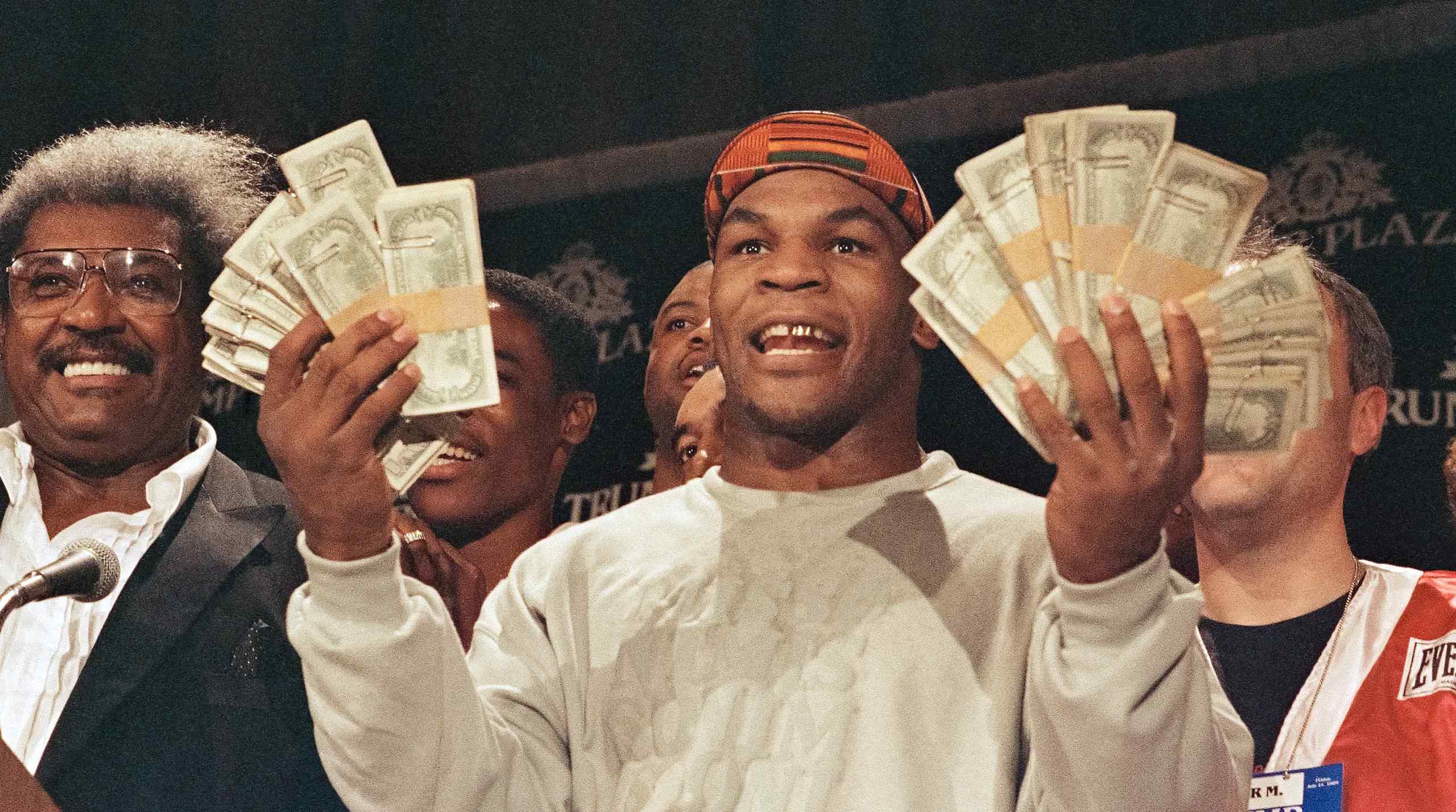
Moreover, just like any of us mere mortals, sports stars too can often become embroiled in expensive divorces, complex tax issues, and legal problems, not to mention gambling and drug addiction, which can see them lose everything they own. You only need to look at the likes of Mike Tyson and Tennis’ Boris Becker to realize that being the G.O.A.T. doesn’t mean you’re immune to financial ruin.
While Becker’s monetary shenanigans also led to an eight-month stint in a UK prison, the assortment of sporting legends who have fallen foul of poor financial oversight having had to file for bankruptcy appears almost endless, including:
- Antoine Walker (NBA)
- Curt Schilling (MLB)
- Leon Spinks (Boxing)
- Sir Bradley Wiggins (Cycling)
- John Daly (Golf)
- Warren Sapp (NFL)
- Terrell Owens (NFL)
In fact, so prevalent is this trait that 15.7% of NFL players have filed for bankruptcy within 12 years of retiring, according to the National Bureau of Economic Research.
How Modern-Day Pro Athletes Are Protecting Their Fortunes
It’s fair to say that while the problematic trend hasn’t fully been squashed there is little doubt that today's athletes are better equipped to navigate the financial minefields ahead now – irregardless of the sums involved. No doubt, the horror stories of the past, coupled with the availability of superior financial planning resources, ensure most young stars are better prepared for life after sport these days.
Granted, any sizable investments may still come back to haunt a star, however, athletes are now more akin to diversifying their wealth potential beyond just their sporting salaries, pivoting to acquire property and longer-term financial investments.
While luxury spending certainly hasn’t disappeared, savvier mindsets now tend to favor widespread investment portfolios over ostentatious jewelry, and garages packed with lavish, high-priced sports cars.
Let That Be a Lesson for Us All
Some might say there’s an air of schadenfreude - German for deriving pleasure from another person's misfortune - whenever a story breaks about a millionaire sports person going bankrupt. Although, in most cases, perhaps it’s just utter shock at the sums involved, but needless to say, we should all take note of their misfortune.
Okay, so the vast majority of us will never headline a UFC fight card or sign a multimillion-dollar NFL contract, but the financial lessons that can be learned are surprisingly universal. Of these, the most notable is remaining in control of things like making sensible, future-proof investments and limiting emotional spending, which applies to anyone, whether you’re earning $30,000 or $30 million.
The Bottom Line
Ultimately, sport has created some of the richest individuals on the planet based on their individual athletic talents and performances - but it has also made for some of the most spectacular financial debacles of all time too.
With hundred-million-dollar fortunes wasted away based on poor decision-making and shocking advice, whether you’re spending wisely or saving for a rainy day, the lesson remains the same – your talents get you paid, but critical thinking can help your money last far longer.
Stuart Hughes is a London-based freelance journalist covering sports, travel, lifestyle, and technology. He’s worked with brands like Lenovo, Best Western, and Frontier Airlines, bringing a global perspective shaped by years of travel.
More Articles like this
Why Does Everybody Hate Us? Top 10 Most Hated Sports Teams Ever
Some teams always win; others get caught breaking the rules. Either extreme is a surefire way to become universally hated, as these 10 sports teams can attest to.
By Stuart Hughes
5 Outrageous Sports Rules That Need to Die
From a missed signature disqualification to a two-minute penalty for a tucked-in jersey, find out about the top five dumbest rules in sport that leave common sense in the locker room.

By Stuart Hughes
The 10 Most Unforgettable Quotes in Sports History
From Jordan's hard truths to Healy's cheeseburger dig, these legendary greats uttered 10 iconic quotes that turned out to be as memorable as their sporting achievements.

By Stuart Hughes
Eight Years, Eight NBA Champions. Is Parity Here to Stay?
Eight different teams have won the NBA championship in eight years, the longest such streak in league history. Can the Knicks finally break the cycle, or will another contender claim the crown?
By Bill Gelman
Is This the Biggest Acquisition Era in Sports Betting History?
Sportsbooks, prediction markets, and sweepstakes apps are fighting for the same customers. We compared 11 welcome offers to see who's offering the biggest incentives.

By Cole Rush
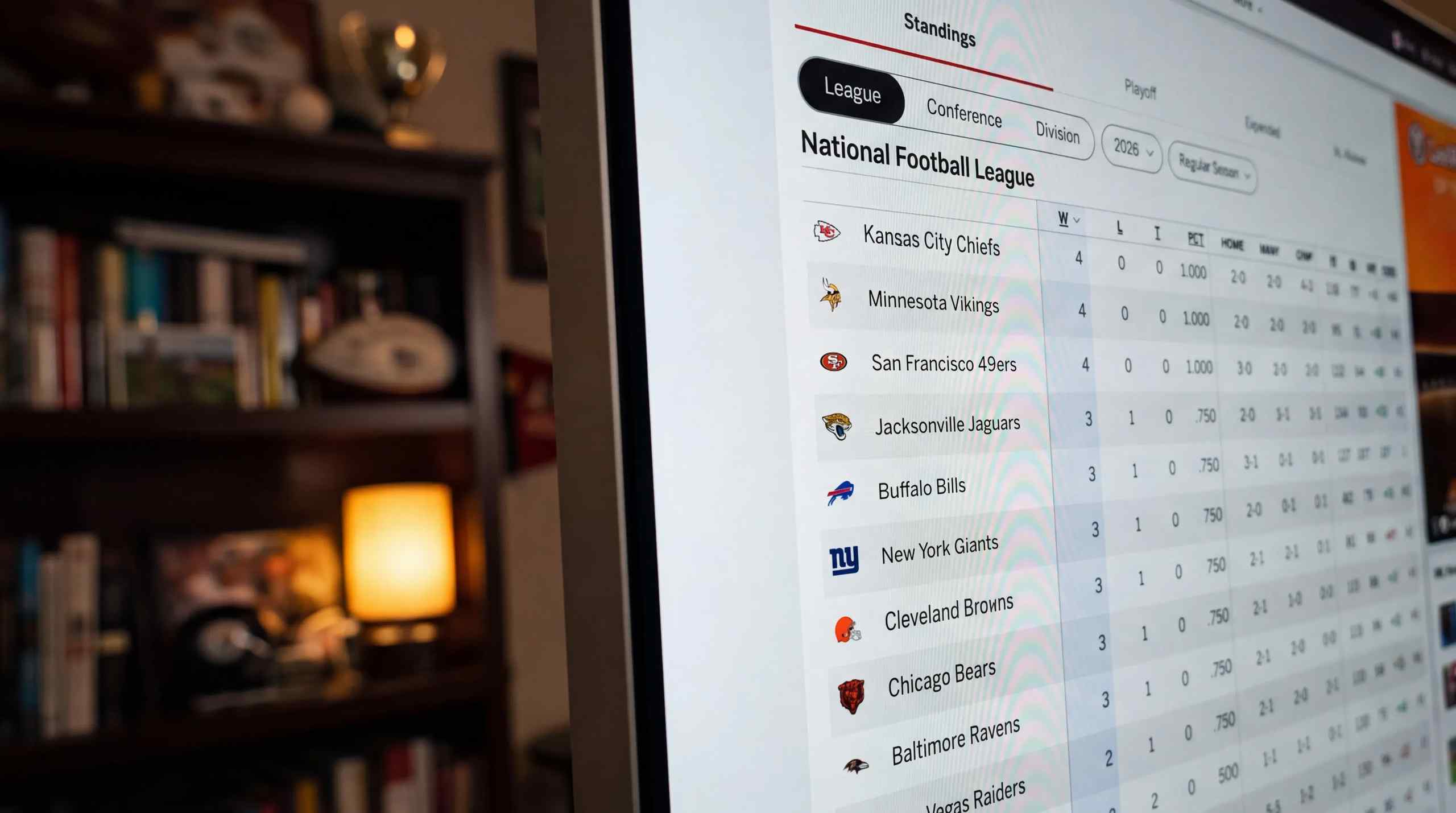
Does a 4-0 NFL Start Mean You're Playoff Bound?
A 4-0 start can put your team on the fast track to the playoffs, but history shows that even Super Bowl champions don't always start strong.
By Marcus Mosher