
Prediction Market Election Odds: How to Read on Kalshi and Polymarket
Kalshi and Polymarket turn contract prices into real-time election probabilities — here's exactly how to read those numbers before the next vote.

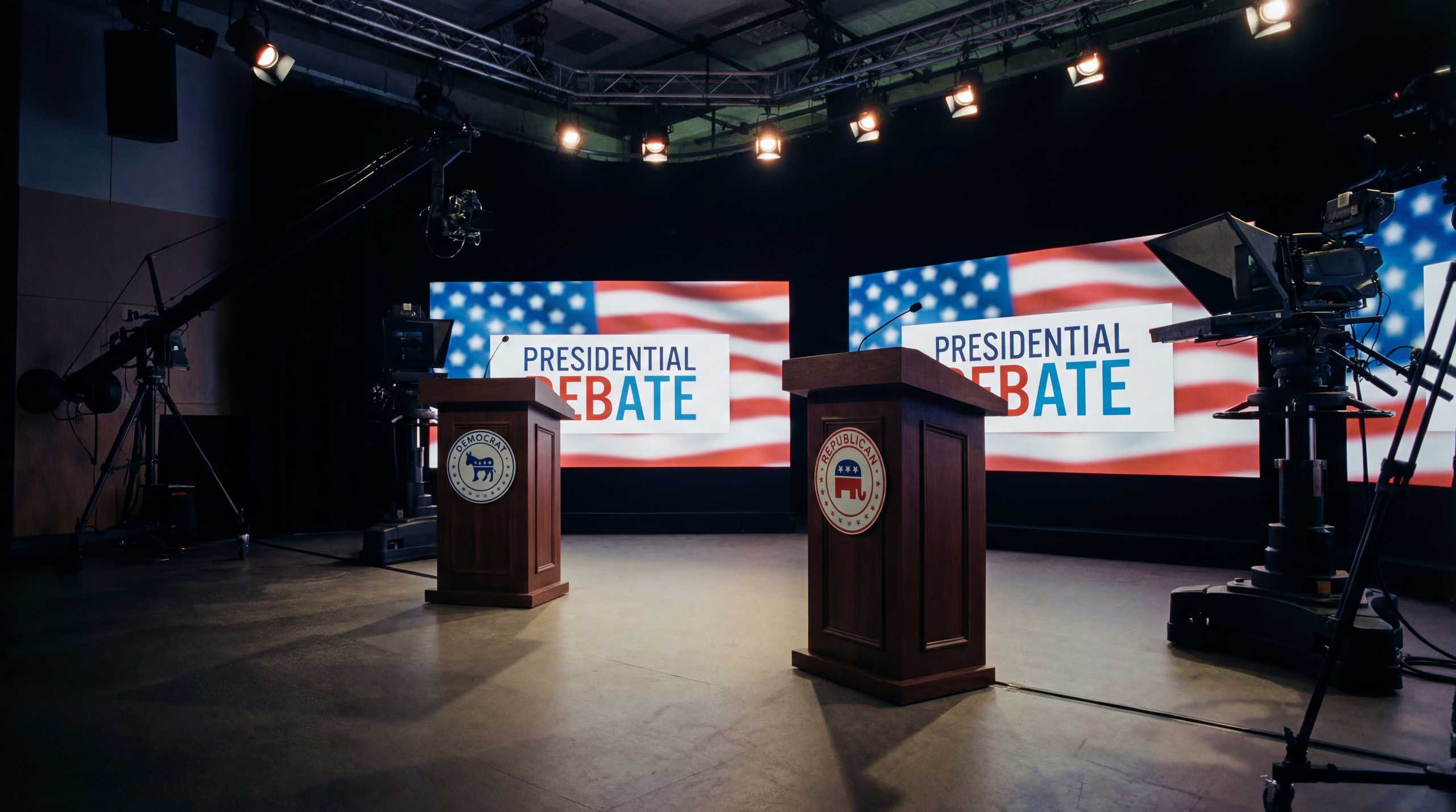
Election prediction markets turn political outcomes into tradable contracts, creating real-time probability forecasts from trader sentiment. Platforms like Kalshi and Polymarket now offer extensive 2028 election coverage: presidential winner, congressional control, Senate races, and state battlegrounds in key states, including past and upcoming elections.
Unlike static polls, these markets react instantly to news, debates, and data releases. A candidate trading at $0.62 reflects 62% implied probability of victory, updated continuously as traders buy/sell positions. Prediction markets have become an important tool in modern politics, providing insights into how political events and developments influence public sentiment and financial markets.
This guide explains election contract structure, common markets, platform interfaces, and how markets move, with Kalshi/Polymarket examples so you can read live odds immediately.
What Are Election Prediction Markets?
Election prediction markets let traders buy/sell event contracts tied to political outcomes. Price = market probability.
Simple example: "Will Republicans control the House after 2028 midterms?"
- YES $0.58 = 58% chance Republicans win House majority
- NO $0.42 = 42% chance Democrats retain control
- Traders buy YES if they think >58% odds (potential $0.42 profit/contract), which is similar to placing a bet on the outcome of the election.
Why they matter: Markets aggregate thousands of informed traders with skin in the game. People from diverse backgrounds participate in these markets, bringing a wide range of perspectives. Wrong predictions lose money, creating self-correcting forecasts. 2024 election markets beat FiveThirtyEight final polls by 8 points on presidential odds.
Markets react faster than polls to:
- Debate performances (instant 5-15 point swings)
- Polling releases (Nate Silver aggregates markets > polls)
- Scandals/endorsements (Trump 2024 VP odds flipped overnight)
How Election Odds Work in Prediction Markets
No vig, pure probability: YES + NO always = $1.00. $0.75 YES = 75% odds, $0.25 NO.
Three ways to profit:
- Buy low: Place a trade at YES $0.55 → election happens → $1 payout ($0.45 profit)
- Sell high: Place a buy at $0.45 → sell at $0.72 pre-election ($0.27 locked profit)
- Arbitrage: Exploit Kalshi vs Polymarket price gaps ($0.62 vs $0.58) → instant edge
vs Sportsbook odds: -150 (60%) includes 4.5% vig. Prediction markets = 50.5% breakeven.
Trading example:
- Oct 15: Harris 48¢ (48%)
- Oct 20 debate: Drops to 42¢
- Oct 22 indictment news: Traders pile in, hits 58¢
- Sell at 58¢ = 16¢/contract profit, no waiting for Election Day
Most Common Election Markets
Presidential Election Winner
Question: "Which candidate wins the 2028 election?"
- Separate contracts per candidate (Trump $0.42, Newsom $0.28, Vance $0.15…), these contracts represent bets on who will become the next president
- Sum of probabilities >100% (multi-outcome market)
- Most liquid market ($100M+ volume cycles)
Party Control of Congress
House Control: "Republicans majority post-2028?" YES/NO binaryWhy popular: Aggregates 435 races into single probability. Reacts to generic ballot polls.
Senate Control Markets
Question: "Republicans 51+ Senate seats 2028?"
- Tracks 33 competitive races (AZ, PA, WI battlegrounds)
- Lower volume but tighter spreads
Electoral Vote Totals
Ranges: "Democratic nominee 270-300 EVs?" $0.23 (23% odds)Granular: Trump wins AZ? $0.67 standalone contract
Individual State Races
Examples:
- "Democrats win AZ Senate?" $0.52
- "GOP flips WI Governor?" $0.38
- 15-20 battlegrounds are typically listed
Example: Reading Election Odds on Kalshi
Kalshi displays a clean exchange-style interface. Here's 2028 Senate control:
Kalshi Senate Market (Recreated):
text
"Republicans control Senate post-2028?"
YES: $0.61 (61%) Volume: $2.4M OI: 18K
NO: $0.39 (39%) 24h Change: +4¢
[Price chart: 55¢ → 61¢ past week]
What it means:
- 61¢ YES = market sees 61% chance GOP Senate majority
- $2.4M volume = serious money (not retail noise)
- +4¢ move = recent polling favors GOP (Cook PVI shifts)
Trade logic:
- Buy YES if your model says >61% (potential $0.39/contract)
- Buy NO if <61% ($0.61 potential)
- Watch chart: Steady climb signals conviction
Example: Election Odds on Polymarket
Polymarket emphasizes percentages + order book depth:
Polymarket Presidential Market:
Polymarket is a leading tech platform that leverages blockchain for secure trading. It allows users to trade on prediction market election odds with transparent order books and real-time price updates.
"2028 Presidential Winner - Trump?"
62% YES ($0.62) $8.2M volume
38% NO ($0.38) Liquidity: $1.9M
[Bids: $0.61/$0.60 Asks: $0.63/$0.64]
[24h chart: 58% → 62%]
Key differences:
- Percentage-first display (62% > $0.62)
- Deeper order book visible (bids/asks)
- Higher volume ($8M vs Kalshi $2M)
- Crypto wallet required (USDC/Polygon)
Users can trade on a variety of topics, including politics, sports, and finance.
Trade screen: See exact bid $0.61 vs ask $0.63. Fill limit orders or market buy.
Why Election Prediction Markets Move Quickly
Instant reaction to catalysts:
Debate performance: 5-15¢ swing (30 min)
Polling release: 3-8¢ swing (2 hrs)
Indictment: 10-25¢ swing (overnight)
Endorsement: 2-5¢ swing (intraday)
Example timeline (hypothetical 2028):
- Mon 9AM: NYT/Siena poll → Dems -2 generic ballot → GOP House YES +6¢
- Tue 8 PM: VP debate → Trump VP odds jump 12¢
- Wed 2 AM: Scandal breaks → 18¢ reversal
Markets clear information faster than polls; wrong traders lose money immediately.
Prediction Markets vs Election Polls
| Factor | Prediction Markets | Traditional Polls |
|---|---|---|
| Update Speed | Real-time (seconds) | Weekly/monthly |
| Incentive | Money on line | Survey completion |
| Sample | Informed traders | Random voters |
| Bias | Herding possible | +/– 4% MO |
| 2024 Accuracy | Trump +8 EV edge | Harris +2 EV edge |
Risks of Trading Election Prediction Markets
- Low liquidity traps: AZ Senate $50K volume swings 10¢ on $5K trade
- Overreaction: Debate hype fades 48 hours later (15→8¢ reversion)
- Black swans: Indictments, health events (20-40¢ uncorrelated moves)
- Resolution disputes: "control" definitions contested (Kalshi arbitration)
- Platform risk: Polymarket geo-blocks, Kalshi state suits
Mitigation: Size 1% risk/trade. Stick to $1M+ volume markets. Fade day-trader panics.
Why Election Prediction Markets Are Growing
$3.2B traded in the 2024 cycle. 2026 midterms project $1.5B. Catalysts:
- Media addiction: CNN/MSNBC live tickers
- Analyst validation: Nate Silver: "Markets > polls late cycle."
- Sportsbook crossover: FanDuel/DraftKings election props
- Institutional: Hedge funds allocate 1-2% (Citadel, Millennium)
The rise of prediction markets in election coverage has led to growing influence on both media and financial sectors. Recent cycles have been unprecedented in the history of U.S. elections, marking a significant shift in how election odds are tracked and analyzed.
2028 projection: $5B+ volume. Blockchain + CFTC clarity = explosive growth.
Final Thoughts
Election prediction markets convert political expectations into tradable probabilities updated every second. $0.62 ≠ prediction. $0.62 = what traders pay for a $1 payout.
Master reading YES/NO prices, volume spikes, and platform differences → interpret real-time election forecasts better than cable news.
To stay ahead with the latest prediction market election odds and insights, sign up for our newsletter and get updates delivered directly to your inbox.
Frequently Asked Questions About Prediction Market Election Odds
What are the prediction market election odds?
Prediction market election odds represent the probability of a specific election outcome as determined by the trading prices of contracts on prediction market platforms. For example, a contract priced at $0.62 implies a 62% chance of that event occurring.
How do Kalshi and Polymarket differ in election prediction markets?
Kalshi offers a regulated exchange-style interface with clean visuals and focuses on federal policy and economic indicators alongside elections. Polymarket leverages blockchain technology, provides a transparent order book with real-time price updates, and requires a crypto wallet for trading.
Can I profit from trading election prediction markets?
Yes. Traders can profit by buying contracts at a low price and selling them at a higher price before the event resolves or by holding contracts that pay out $1 if their predicted outcome occurs.
Are prediction markets more accurate than traditional polls?
Prediction markets often react faster and can be more accurate than traditional polls because they aggregate the financial convictions of informed traders and update in real-time based on new information.
What risks are involved in trading election prediction markets?
Risks include low liquidity causing price swings, overreactions to news or events, unexpected developments ("black swans"), disputes over outcome definitions, and platform-specific risks like geo-blocking or regulatory issues.
How do real-world events affect prediction market odds?
Events such as debates, scandals, endorsements, or polling releases can cause immediate and sometimes significant swings in market prices, reflecting changing trader sentiment and updated probabilities.
How much volume do election prediction markets handle?
For example, in the 2024 cycle, Polymarket saw over $3.2 billion wagered on election outcomes, indicating strong trader engagement and liquidity.
James Guill is an experienced iGaming journalist with a diverse background spanning IT, poker, and online gambling media. With over 20 years in the industry, he’s covered a wide range of gaming topics and has been featured in outlets like USA Today and G4 TV.
More Articles like this
Kalshi Wants Margin Trading. What Could Go Wrong?
Kalshi’s proposed margin system would let eligible traders put up less than the full value of some positions, freeing capital for other trades while also introducing a new layer of leverage and risk.

By Charlon Muscat
Kalshi, Polymarket Starting to Price the Midterms as Blowout
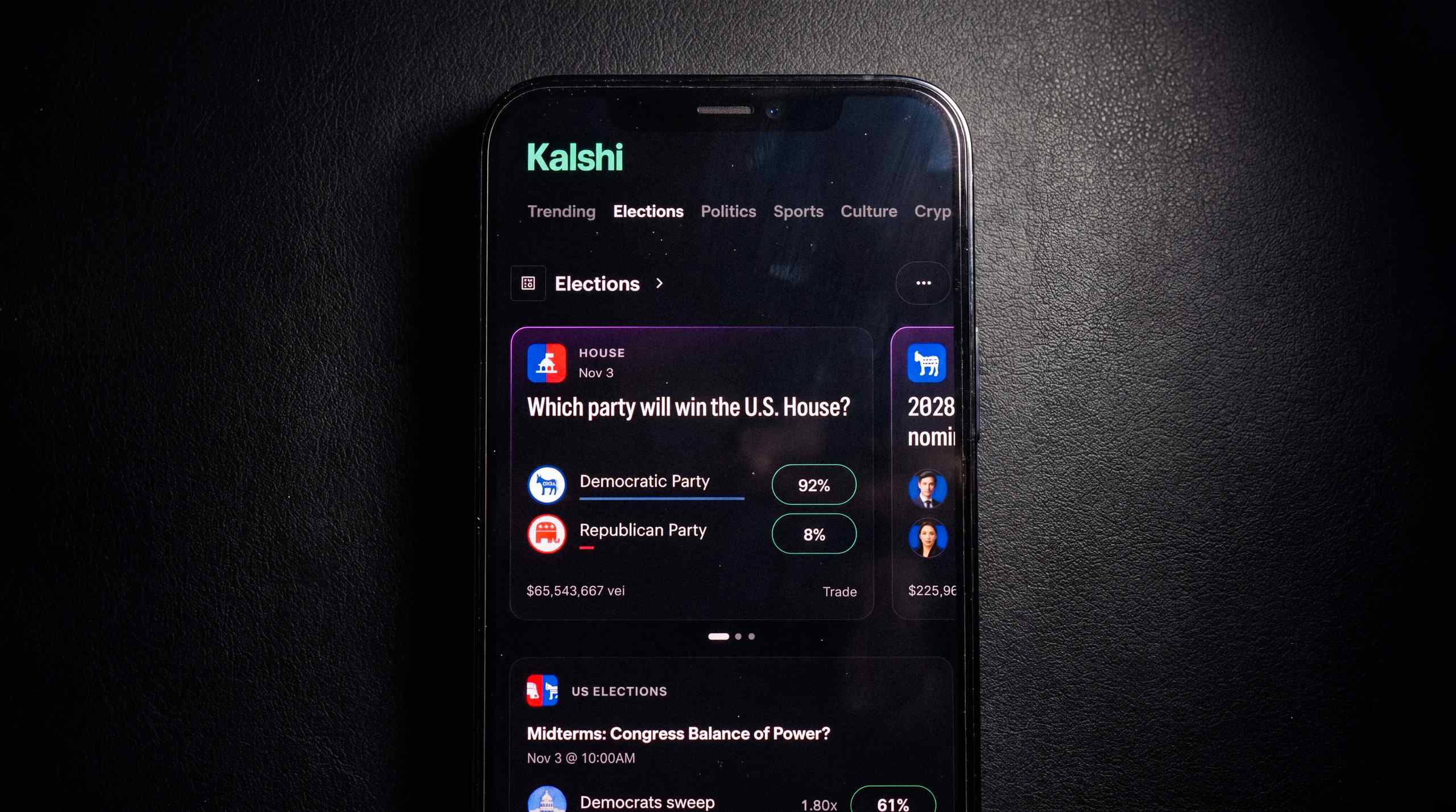
With just over five weeks to go, Kalshi and Polymarket now heavily favor Democrats for the House and give them the edge in the Senate.
By Stuart Hughes
Kalshi’s NFL Volume Is Exploding. Should Sportsbooks Be Worried?
The NFL season is barely underway, but prediction markets have already handled multiple billions in football trading volume. Is that enough to make sportsbooks nervous?

By Charlon Muscat
Best Prediction Market Apps of 2026
Compare the best prediction market apps and platforms for sports, politics and other events, ranked by market selection, fees, liquidity, user experience and availability.

By James Guill
Prediction Markets vs Sports Betting: Key Differences
Prediction markets vs sports books: odds, vig, trading vs fixed bets, legality by state, combos vs parlays. Which is better for sports bettors?

By Arthur Crowson
Sydney Sweeney to LeBron: Prediction Markets Bet on Star Power
Sydney Sweeney just became an equity partner at Novig. She joins a growing list of A-listers cashing massive checks from prediction markets, including LeBron James, Timothée Chalamet and many others.

By Cole Rush