

Pop Culture Prediction Markets: Betting on Awards, Reality TV, and More
Oscar envelopes, Survivor finales, Spotify's #1 song. It's all tradeable now. We break down how pop culture prediction markets work, why they're booming, and the leaks and fraud following the money.
%20(1).webp)
Prediction markets are firmly embedded in our culture right now, both in watercooler talk and in the gambling industry's legal battles. While many hot-topic markets make headlines (think elections, sports, finance), there's a quieter revolution underway. Reality shows, streaming numbers, awards ceremonies, and other pop culture touchstones are available to trade on platforms like Kalshi and Polymarket.
Like any other prediction market, though, these pop culture options beg some important questions. Are they more than just a fun way to engage? What negative impacts could they have on the shows and content we love?
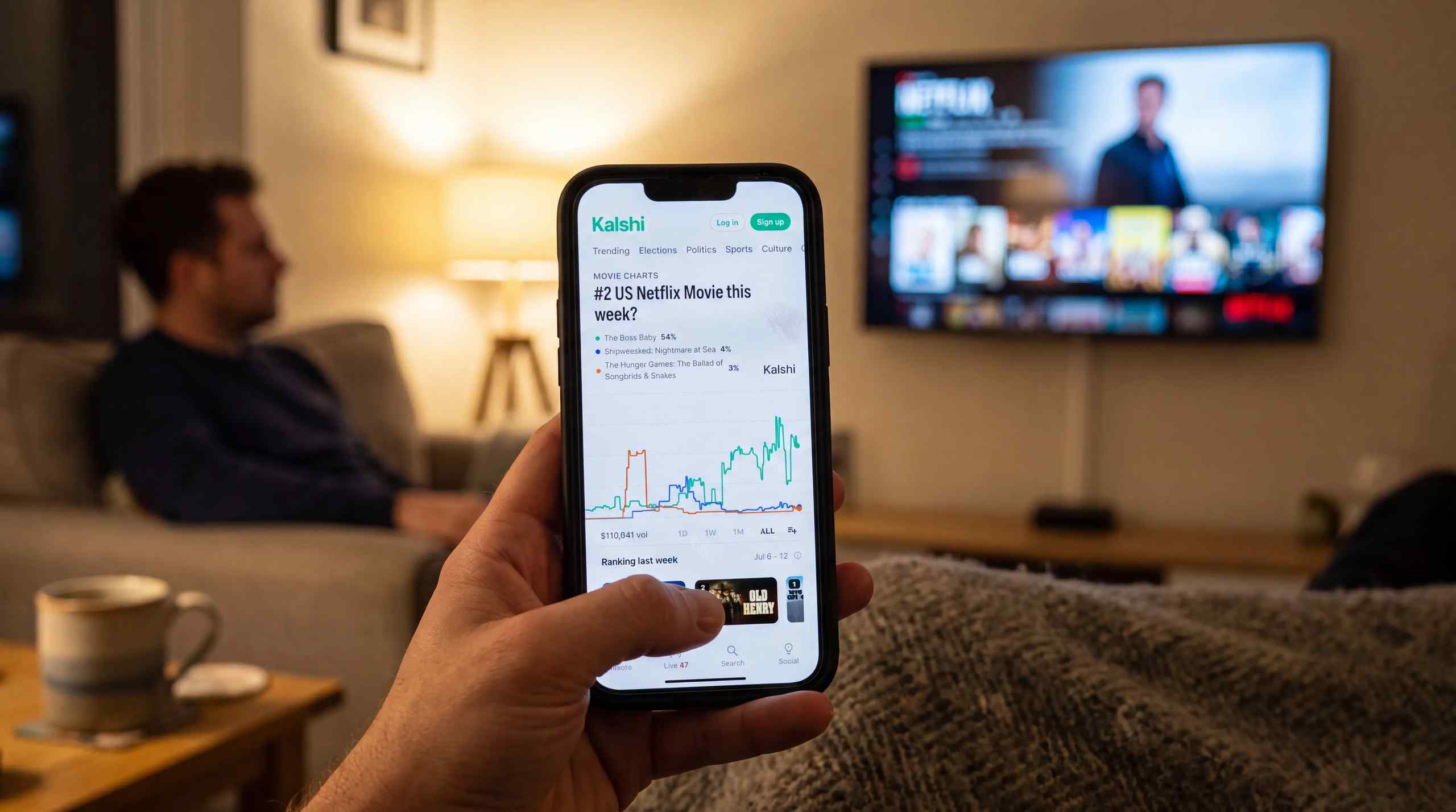
How Pop Culture Markets Work
Pop culture markets on prediction platforms function the same way as in other categories. You trade on a yes/no outcome, but it's tied to an event in an awards show or reality program rather than a sport or election. Settlement is tied to a verifiable, publicly announced outcome. Think of a live broadcast announcing a Grammy winner or the winner of Survivor.
These are peer-to-peer markets, so you are trading against other predictors instead of a house setting the odds.
Awards Shows As Betting Markets
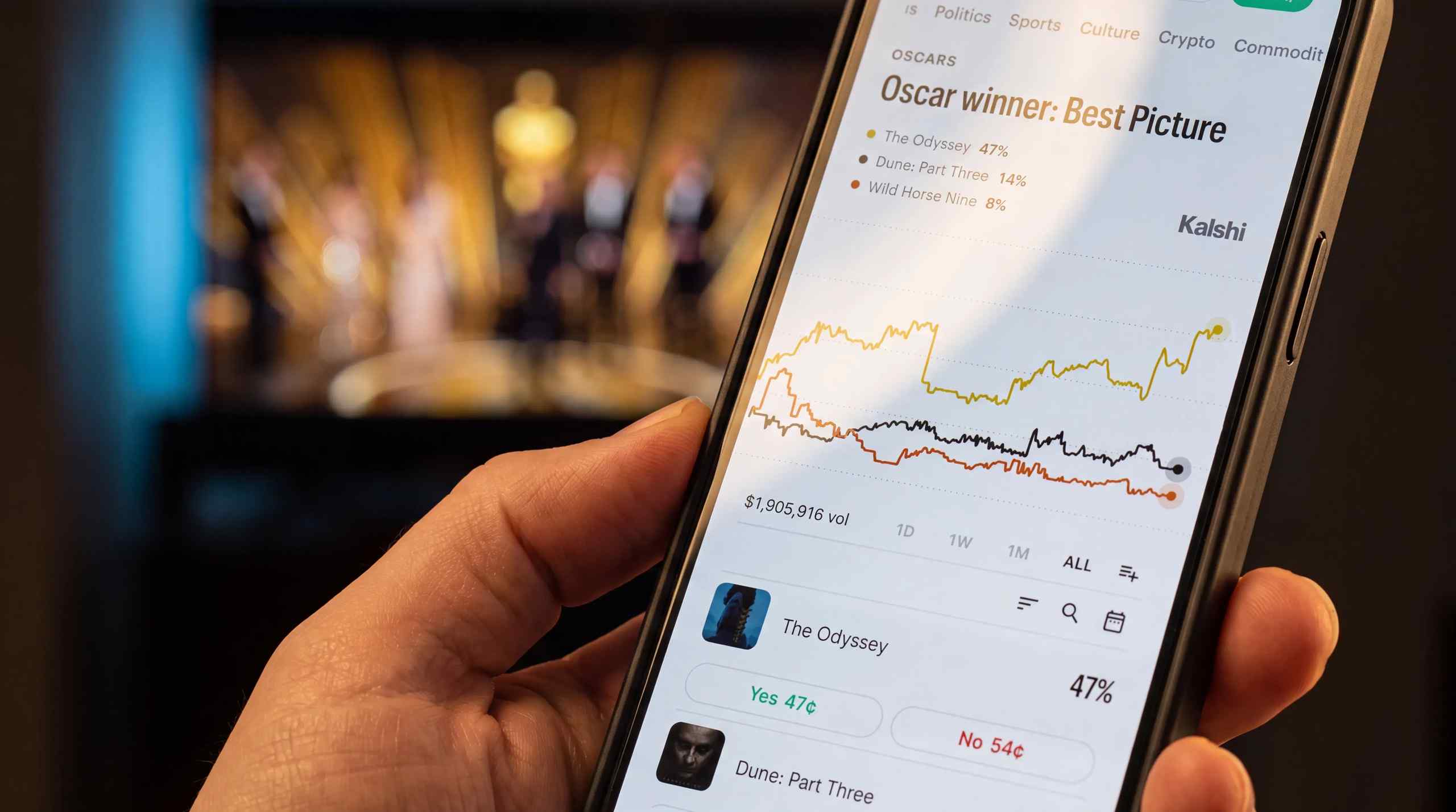
Award shows are the friendliest entry point into pop culture markets. Oscar, Grammy, and Emmy markets tend to track tightly with critics' consensus and industry guild winners, aka the same signals awards pundits have used for decades to make their picks.
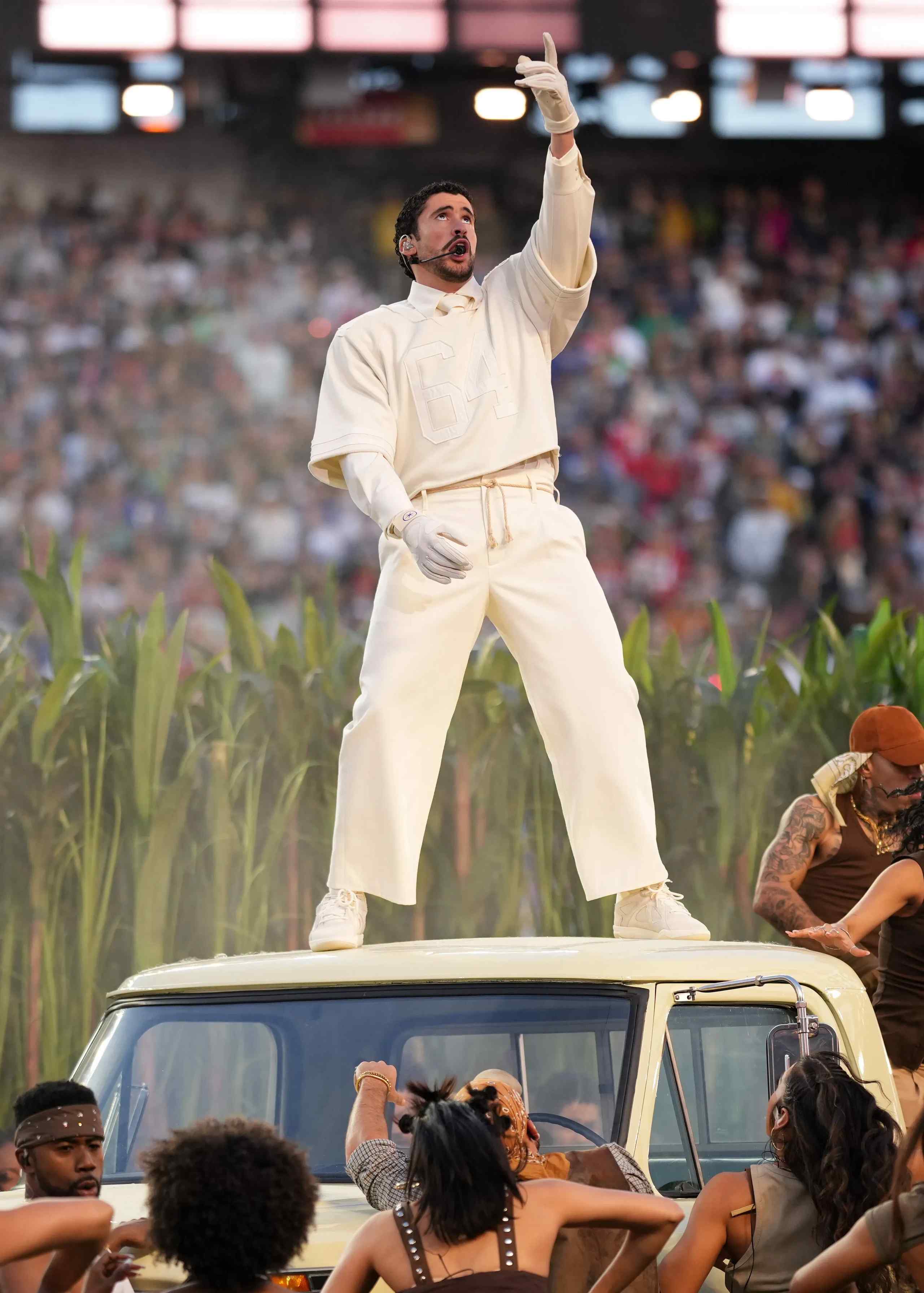
Take the Grammys. Heading into this year's ceremony, Kalshi and Polymarket both had Bad Bunny's DeBÍ TiRAR MáS FOToS priced around 67 cents for Album of the Year, well ahead of Lady Gaga's Mayhem (21%) and Kendrick Lamar's GNX (11%). Those numbers track almost exactly with what Billboard, Rolling Stone, and Complex had been saying for months.
That's the real difference between awards markets and what's coming next. Voting bodies for the Oscars, Grammys, and Emmys are large, comprising thousands of members, not a handful of producers sitting on a result. That doesn't make the outcome unpredictable, but it makes it a lot harder to leak. You'll still see prices swing hard around a surprise nomination or a late-breaking campaign controversy, but that's hype, not insider knowledge.
Reality TV and the Dark Side Of Culture Markets
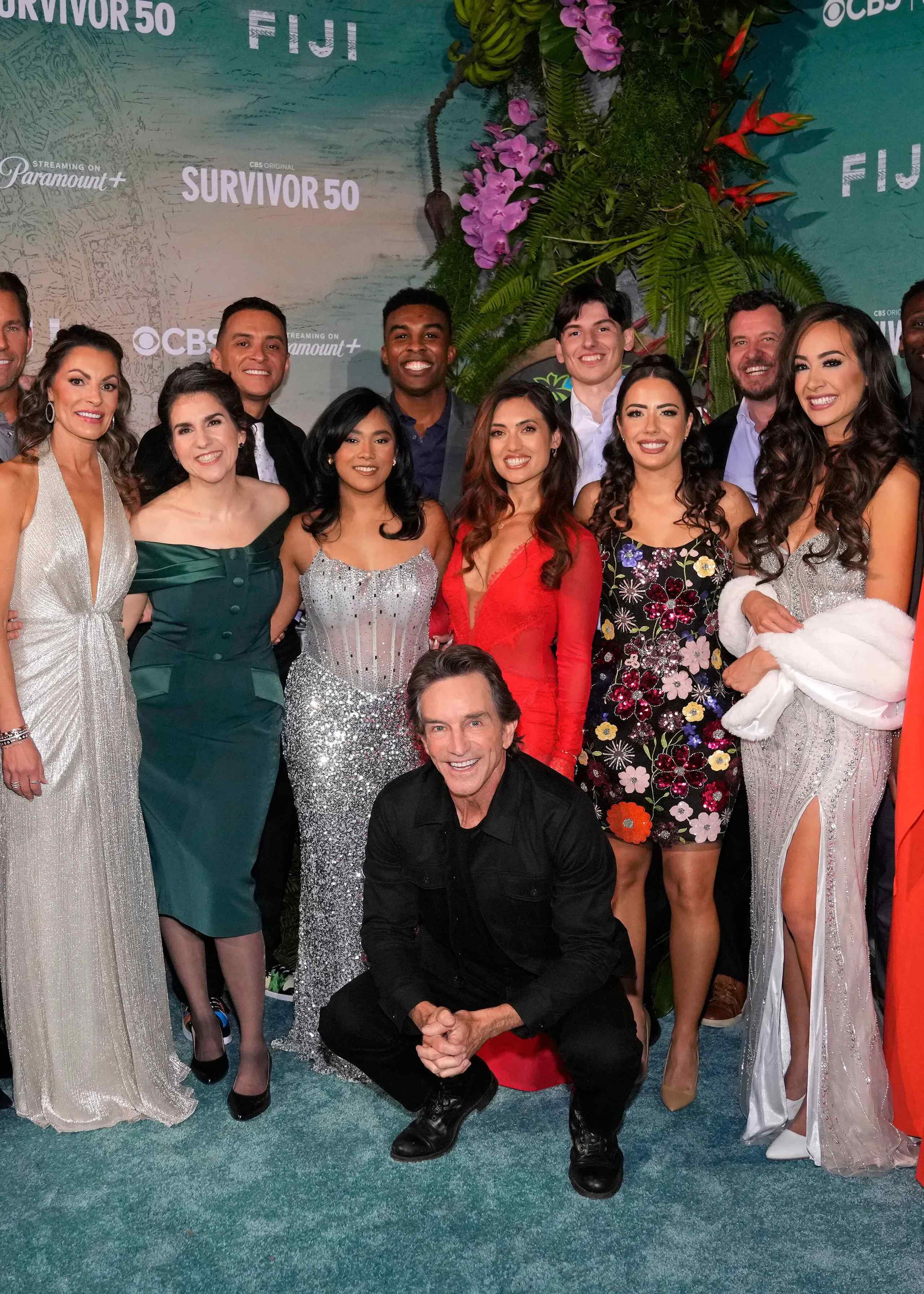
I'm a massive Survivor fan. That fandom was put in direct competition with prediction markets this past season (Survivor 50) when Kalshi's odds predicted the winner (and final three) with stunning accuracy weeks before the premiere.
So, yes, you can trade on pre-recorded reality TV outcomes, but is it worth it when you're a fan? I'd argue, staunchly, no.
A few weeks before the finale aired, eventual winner Aubry Bracco sat at 86% to win the season on Kalshi. As the contestants dwindled, those numbers just kept going up until Bracco sat at 97% days before air.
Someone knew something, and it's hard to pin down. Host Jeff Probst publicly chided these platforms, decrying anyone who leaked the info that swayed the market and arguing that these markets incentivized people to "lie, cheat, and steal to get ahead."
Kalshi has stated it couldn't find any evidence of a knowledgeable, verified insider swaying the market. Instead, the company attributed it mostly to online speculation. That doesn't account for the fact that verified insiders could sway public opinion on Reddit threads or other forums, of course.
I don't want to whine about it ad nauseam, but these markets genuinely tempered my excitement for Survivor 50's finale. I think there needs to be a happy medium at the very least. Markets about specific happenings or phrases in a given episode, perhaps, could be fun. And there's precedent for such things in other prediction market spaces, like politics.
Streaming and Music Markets
Kalshi's music markets have exploded: roughly $70 million in volume in 2025, already north of $400 million in 2026. You can trade on weekly Spotify streams for artists like Drake, Taylor Swift, Bad Bunny. You can trade on album release timing, featured-credit rumors, chart positions, even which song opens a Super Bowl halftime show (Bad Bunny's halftime opener alone pulled in $110 million in wagers).
Then came Malcolm Todd's "Earrings." In late June, the song jumped roughly 70% in streams in a single day and hit No. 1 on Spotify's US chart, a spike so statistically bizarre that Spotify's own team called it an "11.24 sigma event," or about a 1-in-77-octillion chance of happening naturally. Spotify traced it to bots, pulled more than 500,000 fake streams, and opened an investigation. Those inflated numbers had already settled a $3 million Kalshi market on June's most-streamed song before anyone caught the fraud.
Kalshi trader Caleb Davies, who claims $1.2 million in winnings across prediction platforms, helped blow the whistle. Spotify, for its part, demanded that Kalshi and Polymarket pull its logo and branding, making clear there's no partnership.
It's a different flavor of dark side than Survivor. Nobody's necessarily leaking real chart data here, but someone's just paying to fake the outcome directly.
More Markets Worth Mentioning
New pop culture markets pop up (pun very much intended) constantly. This list isn’t comprehensive, but it’s a good glimpse at other markets you can trade.
- Box office: Opening-weekend grosses and "highest-grossing movie of the year" markets.
- Fashion and red carpets: Met Gala guest-list and appearance markets have pulled in $750,000-plus across Kalshi and Polymarket.
- Late-night TV: SNL host and guest markets are a real thing. One spiked hard after fans decoded blurry index cards in a behind-the-scenes clip from Lorne Michaels' office and correctly called the season's final three guests before the show announced them.
- Culture-adjacent politics: Kalshi also runs markets on public figures' social media habits. Think "will [public figure] post X times this week?" which blurs the line between pop culture and current events.
Where This Leaves Us
Prediction markets are supposed to be fun because they can turn something casual into a game with stakes. But Survivor and Spotify are the same lesson in different packages. Once real money sits atop information or a metric that's supposed to stay hush-hush, someone's going to try to game it. Congress is already sniffing around insider trading on these platforms, and studios are starting to write "no leaking to prediction markets" clauses into contracts. Until that catches up, my advice as a fan: enjoy the fun ones, and maybe skip trading on the show you actually love.
Cole Rush is a freelance writer, crossword constructor, and creative tinkerer with more than 10 years of experience writing about anything and everything. Cole’s primary area of expertise is the gambling industry, covering the expansion of sportsbooks and online casinos alongside emerging spaces like sweepstakes casinos and prediction markets.
More Articles like this
Kalshi Wants Margin Trading. What Could Go Wrong?
Kalshi’s proposed margin system would let eligible traders put up less than the full value of some positions, freeing capital for other trades while also introducing a new layer of leverage and risk.
By Charlon Muscat
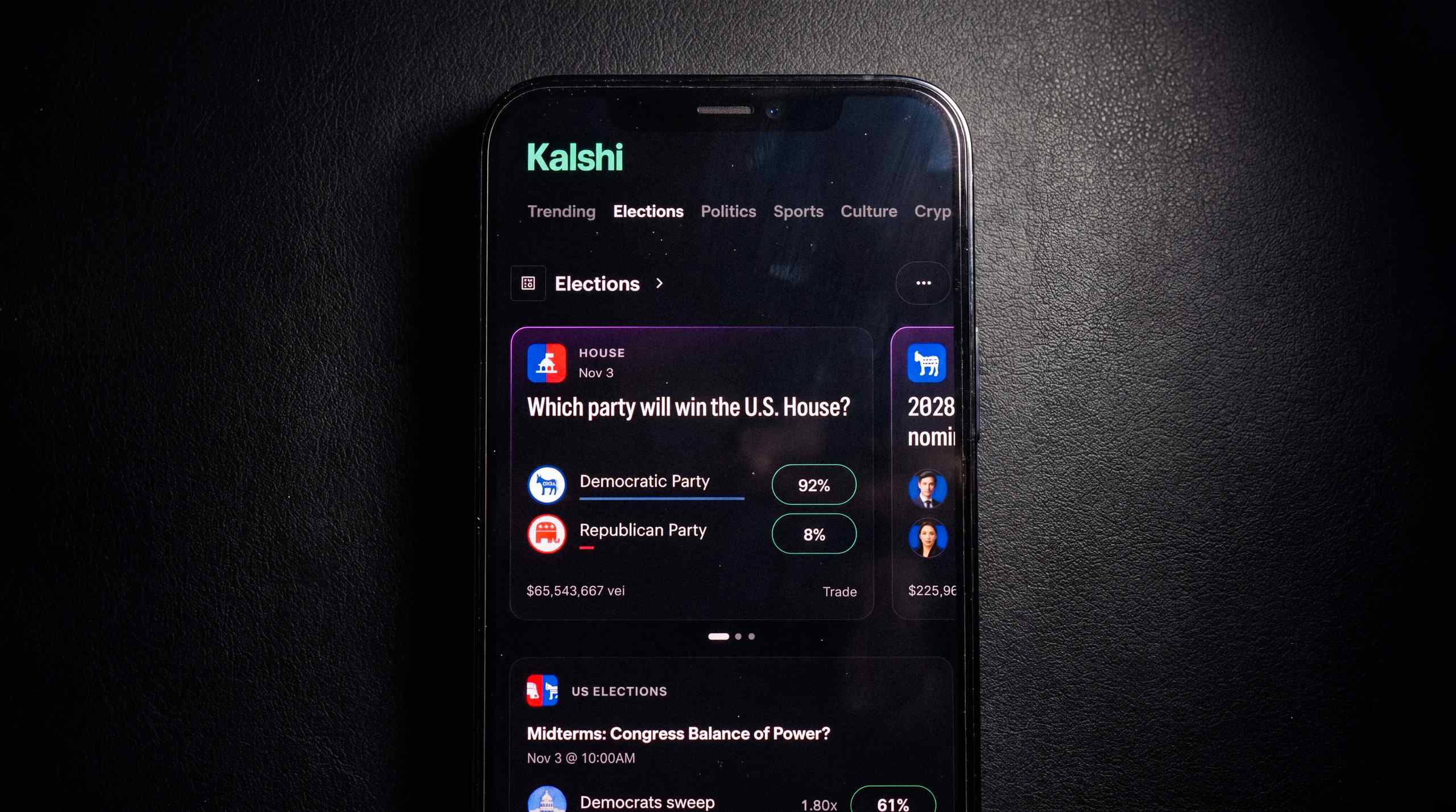
Kalshi, Polymarket Starting to Price the Midterms as Blowout
With just over five weeks to go, Kalshi and Polymarket now heavily favor Democrats for the House and give them the edge in the Senate.
By Stuart Hughes
Kalshi’s NFL Volume Is Exploding. Should Sportsbooks Be Worried?
The NFL season is barely underway, but prediction markets have already handled multiple billions in football trading volume. Is that enough to make sportsbooks nervous?
By Charlon Muscat
Best Prediction Market Apps of 2026
Compare the best prediction market apps and platforms for sports, politics and other events, ranked by market selection, fees, liquidity, user experience and availability.

By James Guill
Prediction Markets vs Sports Betting: Key Differences
Prediction markets vs sports books: odds, vig, trading vs fixed bets, legality by state, combos vs parlays. Which is better for sports bettors?

By Arthur Crowson
Sydney Sweeney to LeBron: Prediction Markets Bet on Star Power
Sydney Sweeney just became an equity partner at Novig. She joins a growing list of A-listers cashing massive checks from prediction markets, including LeBron James, Timothée Chalamet and many others.
By Cole Rush