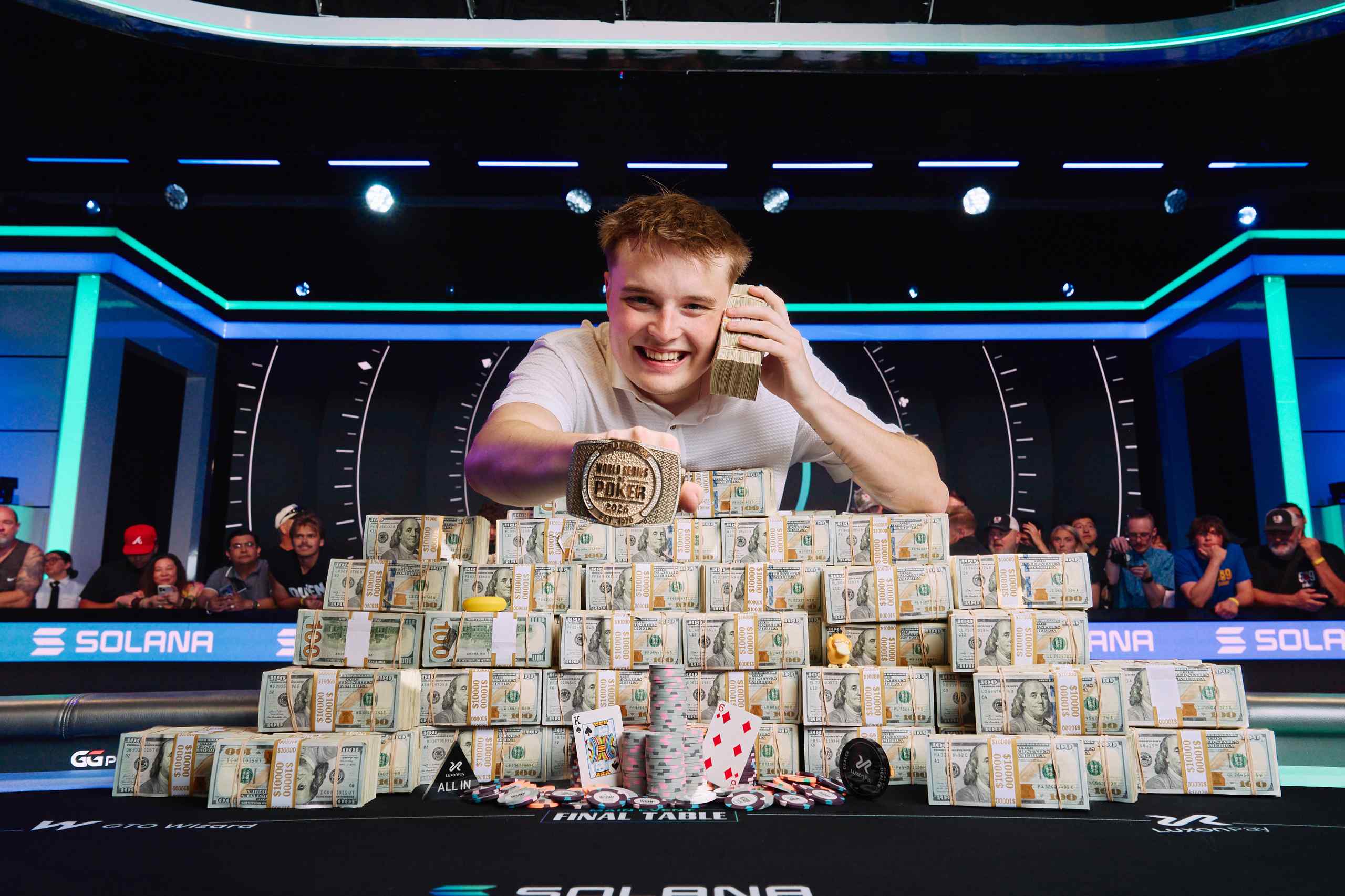
Life's A Gamble: Survivor Is The Ultimate Poker Game
From bluffing to risk management, Survivor uses the same core principles as poker. The biggest difference is simply the presentation.
%20(1).webp)
Survivor is currently in the middle of its 50th season. I’ll give you a moment to process the implications of that sentence, especially if you were thinking, “That show is still on?” Survivor has been going strong since its May 31, 2000, premiere, and season 50 is a celebration of the game viewers (and contestant-hopefuls like me) have come to adore. It’s appointment viewing. It’s the epicenter of the reality TV boom. And it’s the ultimate poker game, even if it takes place on the islands of Fiji, and the cards are people.
Let’s explore the cultural impact of Survivor as a game that blends skill, chance, deception, and risk. Plus, let’s look at a few ways Survivor has worked its way into core gambling culture directly.
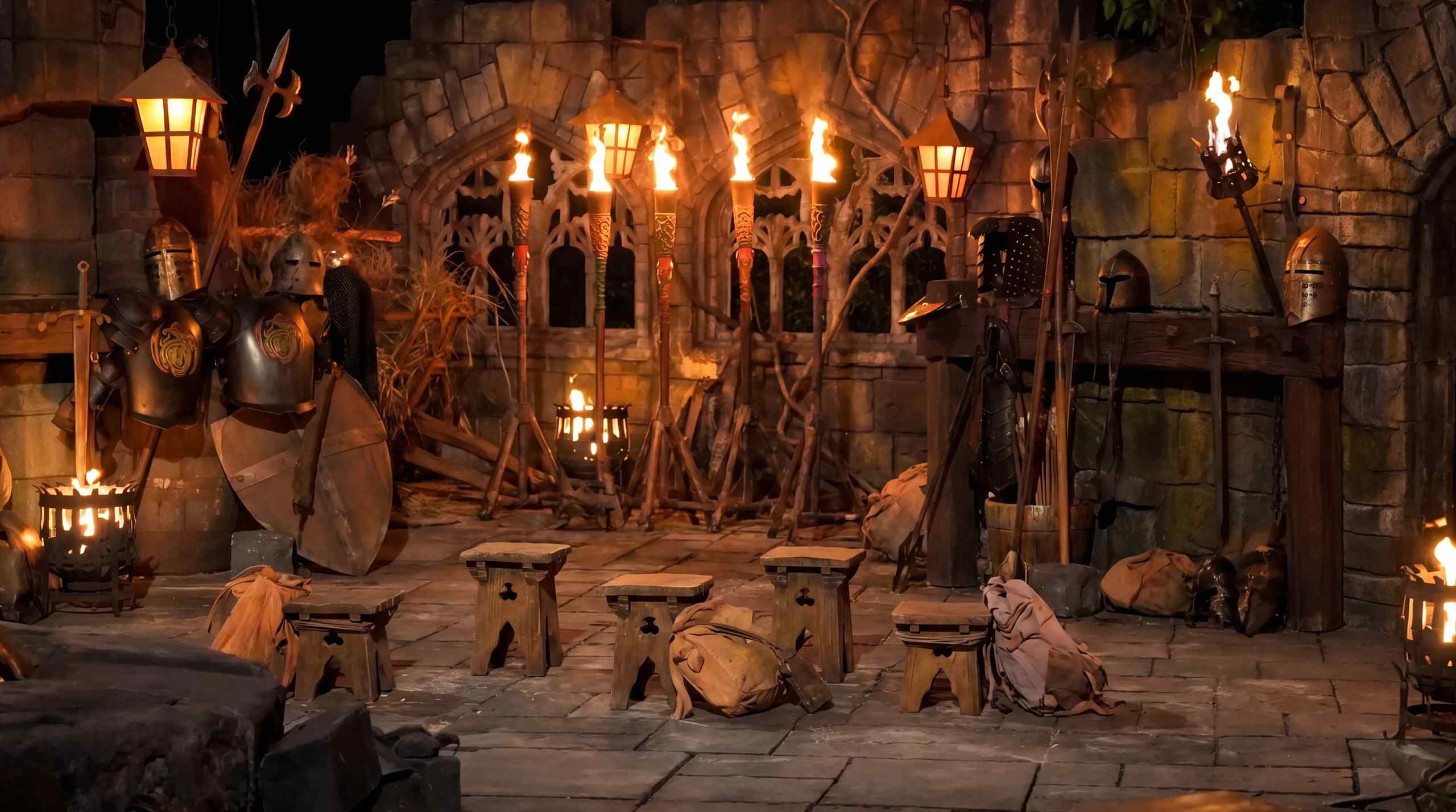
Survivor’s Mechanics Mirror Poker
On Survivor, players are plopped onto a beach and forced to compete in challenges, then sent home, only for many of those eliminated players to vote for a winner at the end of the game.
Further complicating the game are twists and turns, such as advantages (extra votes, vote steals, etc.) and hidden immunity idols that can save a player from going home if played correctly.
It all brews into an aromatic stew of bluffing, hidden information, and risk management. Sound familiar? Survivor is essentially a poker game, but instead of chips and cards, its currency is information and people.
Survivor vs. Poker
| Gameplay Element | Poker | Survivor |
|---|---|---|
| Incomplete Knowledge | Players make decisions without seeing the opponent’s cards | No player knows everything about the game |
| Bluffing/Deception | Players can bluff opponents with bad hands or vice versa | Lying is built into the game, including blindsides and fake alliances |
| Competition | Players can be eliminated when they’re out of chips | Players vote each other out directly |
| Risk Management | Choosing bets, calls, and when to fold | Players manage idols, advantages, and jury votes |
| Stamina | Sessions that can last for multiple days | 26 days of physical challenges with very little food |
Thanks to these comparisons (and others), watching Survivor can feel like spectating a beachside poker game, but the gameplay features a lot more talking and external deception. If you need a break from stoic guys in sunglasses fiddling with their chips, Survivor might be for you.
Survivor and Gambling Crossover
The crossover between Survivor and gambling is sometimes more direct than it first appears. Gamblers have been a staple of many Survivor seasons. Professional poker player Garrett Adelstein appeared on Season 28, but the wheeling and dealing proved to be too much for him to handle (no further spoilers, I promise). “Boston” Rob Mariano is a Survivor legend, and he’s turned his skill at the game into a larger reality TV and poker career, playing in celebrity games on the felt.
These skills are symbiotic because the games are fundamentally similar in so many ways. Poker players can bring their bluffing and deception skills to the island, often (but importantly not always) leading to a modicum of success in following other contestants.
Survivor differs, though, in its need for the social game. If you sit at a poker table saying the bare minimum, you can still win. In Survivor, you have to manage other players and their plans and expectations. For me, it adds the extra oomph I would otherwise miss when watching a high-stakes poker game.
The crossover doesn’t stop there, though. Survivor has worked its way into the core gambling world recently. The influence of daily fantasy sports, for example, has extended its tendrils into the reality TV arena. Platforms like Bracketology and Fantasy Survivor games allow you to run leagues with your friends based on the outcome of each Survivor episode. You can earn points based on confessional count, challenge wins, vote-outs, and more. DFS platforms have proven popular, and companies are now tapping into the crossover market with reality TV.
Additionally, Survivor outcomes are occasionally available on prediction market sites like Gemini. As our culture begins to accept gambling and related platforms, touchstones like Survivor inevitably serve as connective tissue between the platforms and reality fans.
Why It’s Still On Air: Psychology, Personality, and Game Theory
Survivor is equal parts game theory and storytelling vehicle. The former is a large part of what made the game successful. Unpredictable rewards or outcomes can trigger pleasure responses in our brains, even if we’re just watching them on TV.
In poker, success comes from processing uncertainty and staying unpredictable. In Survivor, the same principles apply. Unpredictable voting outcomes, “live tribals,” and twists make for riveting TV. The production team knows this and can edit episodes around particularly wavering narratives to keep the audience on their toes.
Meanwhile, the contestants have a way to share their stories, challenges, and outlooks. Survivor gains fans not just of the show, but of specific players. I get giddy thinking about watching Cirie Fields play again, just as a poker fan may tune into their favorite player’s latest tournament.
Building On The Survivor Blueprint
The impact of Survivor on pop culture is undeniable. It wasn’t the very first reality show, but it popularized the reality competition format we now take for granted. Thanks to Survivor, we now have similar games like The Traitors, House of Villains, Big Brother, and The Circle, to name a few.
I think of these shows like poker variants. They’re unique iterations on the core format Survivor made popular, and in many cases, they blaze new ground in the space.
Conclusion
As Survivor’s landmark 50th season reaches its climax, it’s a perfect time to reflect on the show's influence not just in reality TV but in the wider culture. This beachy people-poker game reflects a broader cultural shift toward risk and deception in our entertainment. That shift is the reason we now have fantasy-style platforms specifically for Survivor and related shows. It’s the reason we now see Survivor odds on prediction platforms. And it’s the reason players who excel at poker or other gambling formats will always be intriguing to watch on the island.
Survivor may not deal cards or dole out chips, but it spiritually resembles everything that makes poker interesting.
Cole Rush is a freelance writer, crossword constructor, and creative tinkerer with more than 10 years of experience writing about anything and everything. Cole’s primary area of expertise is the gambling industry, covering the expansion of sportsbooks and online casinos alongside emerging spaces like sweepstakes casinos and prediction markets.
More Articles like this
Why Poker Keeps Surviving Every New Gambling Trend
New gambling trends come and go, but poker keeps finding a way to stay in the game.
By Lucie Turner
Lucas Jumalon Wins: The Highs and Lows of the 2026 WSOP Final Table
Lucas Jumalon led throughout the final table to capture the 2026 WSOP Main Event bracelet and $10 million. Here’s how the final table unfolded, plus the biggest broadcast highs and lows.
By James Guill
Who Will Win the 2026 WSOP Main Event?
Lucas Jumalon heads into the 2026 WSOP Main Event final table as the overwhelming chip leader. Is his chip lead truly overwhelming or will someone else rise to win?
By James Guill
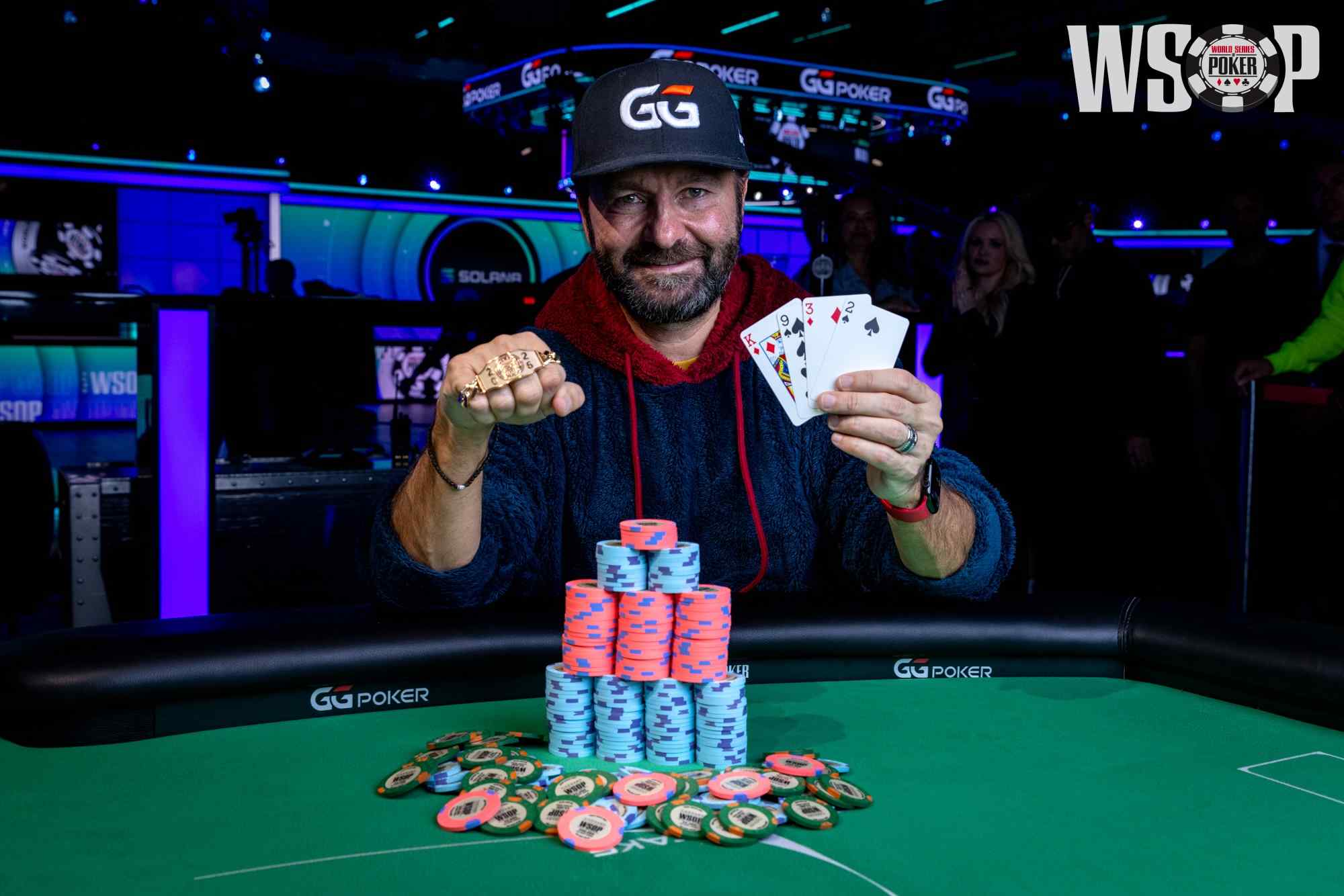
Ranking Daniel Negreanu's Eight WSOP Bracelet Wins
Daniel Negreanu's eighth WSOP bracelet adds another chapter to one of poker's greatest careers. We rank every bracelet win by prestige, competition, historical significance, and legacy.
By Lucie Turner
2026 WSOP Main Event Final Table Set. Who Wins $10 Million?
A $10 million first prize is on the line as nine players return in August to battle for poker's biggest championship. Meet the 2026 WSOP Main Event finalists.

By Arthur Crowson
What Is a Bad Beat in Poker?
Bodog explains what a bad beat is in poker, why it happens, how bad beat jackpots work, and how players can manage the emotional and strategic fallout of a tough loss.
By Arthur Crowson