

Why Sportsbooks Limit Winning Bettors
This article breaks down why sportsbooks limit winning bettors, covering closing line value, risk management, and how sharp players get flagged.

Sportsbooks limit winning bettors because consistent sports betting winners threaten profit margins built on recreational losses. Once a bettor's picks start beating the closing line, the operator treats that account as a liability rather than a customer worth keeping unrestricted.
Key Takeaways
- Sportsbooks track closing line value (CLV), not win-loss record, to identify sharp bettors worth limiting.
- Retail books rely on recreational losses to cover their thin 4-6% margins, so consistent winners drain that model directly.
- Limits can be soft (lower max bets) or hard (account restrictions or bans), and they often hit specific markets like player props before spreading further.
- Market maker books such as Pinnacle and Circa tolerate sharp action longer because they use it to sharpen their own lines.
- Spreading action across multiple books and varying bet patterns can delay limiting but rarely prevents it long-term.
Quick Facts Box
| Category | Detail |
|---|---|
| Difficulty Level | Intermediate |
| Estimated Time to Learn | 15-20 minutes |
| Best Suited For | Bettors tracking their own results and wondering why limits appeared |
| Related Topic | Closing line value (CLV) and sharp betting patterns |
Why Does Understanding Sportsbook Limits On Winning Bettors Matter?
Understanding why sportsbooks limit winning bettors matters because it changes how you interpret your own results and plan your bankroll across books. A bettor who doesn't know how limiting works might assume a reduced max bet means they did something wrong, when it usually means the opposite: their picks are sharp enough to worry the book. Knowing this distinction helps you avoid overreacting, keep perspective on variance, and make smarter decisions about how much betting volume is sustainable across multiple accounts. It also helps you recognize early warning signs before a soft limit turns into a full account restriction.
Comparing Retail Sportsbooks And Market Maker Books On Limiting Winning Bettors
Retail sportsbooks and market maker books handle winning bettors in fundamentally different ways because their business models don't rely on the same source of profit. Retail books like DraftKings, FanDuel, and BetMGM build lines off other markets, advertise heavily to casual players, and depend on recreational losses to cover the vig, so sharp winners get flagged and limited fast. Market maker books, most notably Pinnacle, instead use sharp bettors to help price their own markets efficiently and often keep a winner's welcome policy in place, since understanding common bet types like moneylines, spreads, and props matters just as much as understanding which sportsbook model rewards or punishes accuracy.
Retail Sportsbooks vs. Market Makers: Key Differences
| Factor | Retail Sportsbook | Market Maker Book |
|---|---|---|
| Primary Revenue Source | Recreational losses and thin vig margins | Vig on sharp, high-volume, two-way action |
| Response to Winning Bettors | Reduce limits, restrict markets, or ban accounts | Use sharp bets to sharpen own lines |
| Marketing Focus | Bonuses and promos targeting casual bettors | Reputation for high limits and fair pricing |
| Typical Limit Trigger | Consistent positive closing line value | Rarely triggers limits from skill alone |
What Signals Cause A Sportsbook To Limit A Winning Bettor?
A sportsbook flags a winning bettor for limiting when specific behavioral signals appear in their betting history rather than simple profit totals. The single biggest signal is closing line value, the gap between the odds a bettor took and where the line closed before the game started. As one industry breakdown put it, "Sportsbooks closely monitor Closing Line Value to identify sharp bettors. They want to limit or restrict those who consistently beat the closing line because it indicates that these bettors have a superior understanding of the market." Beyond CLV, books also watch bet sizing patterns, sudden large wagers on niche markets, and how quickly a bettor moves before a line shifts, since bet sizing and market selection matter too. If a bettor typically places small bets and suddenly makes a large wager on a less popular market, it raises red flags.
How Do Sportsbooks Actually Limit A Winning Bettor's Account?
Sportsbooks limit a winning bettor's account through a graduated set of tools rather than an instant ban, starting with quiet reductions and escalating if the pattern continues. The most common tactic is simply lowering the maximum wager allowed on certain events or markets, and this often one of the most common tactics is lowering the amount you can wager on certain events well before any full restriction happens. Some books also introduce bet delays, sometimes called spooling, that hold a wager briefly so the book can adjust odds before confirming it. In more severe cases, accounts can be restricted or outright banned, and access to certain markets, such as live betting or niche events, might be removed entirely, a pattern worth understanding alongside how in-game wagering markets adjust odds in real time as new information comes in.
Soft Limits Versus Hard Limits
Soft limits and hard limits represent two different stages of a sportsbook's response to a winning bettor, and the distinction matters for anyone trying to read the warning signs. A soft limit typically arrives first, quietly capping how much a bettor can wager on specific markets like player props while leaving mainline bets mostly untouched. Hard limits come later and signal a firmer decision, since a book has effectively classified the account as high risk with no interest in expanding exposure again.
Why Do Sportsbooks Treat Player Props And Niche Markets Differently From Main Lines?
Sportsbooks treat player props and niche markets differently from main lines because those markets are thinner, less liquid, and harder to price accurately. Mainline markets like spreads and totals on major games attract enough volume that a book can absorb a sharp bettor's action and let the market correct itself. Niche markets don't get that same volume, so in illiquid markets there isn't a lot of additional money that comes in and the sportsbooks are exposed, and they might be left with a position on a game that isn't the side they want, paying out winning players without taking enough money from losing bettors to cover it. This is why a bettor can get hammered with limits on player props while still placing sizable wagers on a straightforward point spread, a nuance worth knowing before diving into heavier prop and playoff betting volume during the postseason.
Examples Of How Winning Bettors Actually Get Limited
Real-world limiting cases follow recognizable patterns that show how quickly a book can act once it identifies sharp behavior. Consider a bettor who deposits a modest amount, wins only a handful of dollars overall, but consistently beats the closing number on NBA player props. Despite a nearly break-even bankroll, the account gets severely restricted on those specific markets because the pattern, not the profit, triggered the response.
A second example involves regulatory scrutiny rather than an individual account. Massachusetts regulators pulled sportsbook representatives into a public roundtable after receiving dozens of complaints, and a BetMGM compliance director told the commission the operator limits approximately 1% of Massachusetts patrons, calling it "our ability to limit that small minority of advantage players that allows us to continue to offer competitive lines, competitive odds in a wide variety of markets for 99% of non-advantage players that play with us." That statement captures the entire business logic behind limiting in one line: protect the model that serves the majority by restricting the minority who beat it.
Common Mistakes Bettors Make About Sportsbook Limits
- Assuming limits only happen to big winners. Accounts can get limited while barely profitable, or even slightly down, if the pattern shows consistent positive closing line value.
- Believing one big win triggers a ban. Hard limits typically arrive after a sustained pattern, not a single lucky result.
- Ignoring market-specific limits. A bettor can be heavily restricted on props while still betting freely on mainlines, and missing that distinction leads to confusion about why one market feels shut down and another doesn't.
- Assuming all sportsbooks behave the same way. Retail books and market maker books have opposite incentives when it comes to sharp action.
- Thinking limits are personal punishment. Limiting is a risk-management decision built into the retail sportsbook model, not retaliation for embarrassing the book.
How Does Limiting Winning Bettors Compare To Casino House Edge Models?
Limiting winning bettors works completely differently from how casinos handle winning players, because the two business models manage risk in opposite ways. Casino games like blackjack, slots, and roulette carry a fixed mathematical edge built into every hand or spin, so the house wins over time regardless of who sits at the table. Sportsbooks don't get that guarantee. Instead, they price risk on markets where skilled bettors can genuinely find an edge, which is why operators actively manage exposure through limits rather than relying on a static advantage. That distinction also explains why strategies like hedging a bet to lock in guaranteed value matter more in sports betting than in a casino, where the math never shifts in the player's favor.
How Different Gambling Models Generate an Edge
| Model | How Edge Is Generated | Response To Skilled Players |
|---|---|---|
| Casino Games | Fixed mathematical house edge on every wager | No limiting needed; the edge holds regardless of skill |
| Retail Sportsbook | Thin margins from balanced two-sided action and vig | Active limiting of bettors who beat the closing line |
| Market Maker Sportsbook | Sharp money helps price efficient lines | Tolerates or even welcomes skilled bettors longer |
The Bodog Take On Why Sportsbooks Limit Winning Bettors
Sportsbooks limit winning bettors because the retail model depends on recreational losses, and a bettor who consistently beats the closing line threatens that math directly. The signal that matters most isn't your win total, it's whether your bets beat the market before kickoff. Bodog's take: treat a limit as information, not an insult. It tells you your process has an edge, and the smart response is adjusting your approach across books, not chasing the same market until the door closes entirely.
Sportsbook Limits FAQs
Do sportsbooks limit bettors just for winning?
Sportsbooks rarely limit bettors purely for winning; they limit based on patterns like beating the closing line consistently, not the raw size of a profit.
What is closing line value and why does it trigger limits?
Closing line value measures whether the odds a bettor took were better than the final odds before the game started, and consistently positive CLV is the strongest signal sportsbooks use to identify sharp bettors worth limiting.
Can I get limited on some markets but not others?
Yes, it's common to get limited on niche markets like player props while still being able to place sizable wagers on mainline spreads or totals.
Do all sportsbooks limit winning bettors the same way?
No, retail sportsbooks tend to limit aggressively since they rely on recreational losses, while market maker books often tolerate sharp action longer because it helps sharpen their lines.
What's the difference between a soft limit and a hard limit?
A soft limit quietly reduces how much you can wager on specific markets, while a hard limit signals the book has classified your account as high risk with little interest in expanding exposure again.
Does spreading bets across multiple sportsbooks prevent limiting?
Spreading action across several sportsbooks can delay detection since no single book sees your full pattern, but it doesn't guarantee you'll avoid limits long-term.
Are sportsbook limits regulated by state gaming commissions?
Some states have begun examining the practice; Massachusetts regulators held a public roundtable with major sportsbooks specifically to discuss limiting and consumer transparency.
Continue Learning
- How Much Betting Is Too Much For Sports: a practical look at managing volume and bankroll before limits or losses become a problem.
- Betting Types: a breakdown of spreads, moneylines, props, and other markets referenced throughout this guide.
- How To Hedge A Bet: a strategy guide for locking in value, useful once you understand how sportsbooks price risk.
- How Does Live Betting Work: an explainer on in-game markets, which face some of the tightest limiting scrutiny.
Sources & Review
- ESPN: Sportsbooks defend practice of limiting how much sharp customers can bet
- The Washington Post: Sportsbooks use limits to restrict sharp bettors
- Outlier: Understanding Closing Line Value: Your Key to Sports Betting Success
- Pinnacle Odds Dropper: What is Closing Line Value? (sports betting)
- Birches Health: Limiting Bettors: MA's Peek into Sportsbook Limits Process
James Guill is an experienced iGaming journalist with a diverse background spanning IT, poker, and online gambling media. With over 20 years in the industry, he’s covered a wide range of gaming topics and has been featured in outlets like USA Today and G4 TV.
More Articles like this
Do NHL Stars Lose Their Edge After Signing Huge Contracts?
Do NHL stars really take their foot off the gas after a big payday? We analyzed 29 major contracts to find out.

By Charlon Muscat
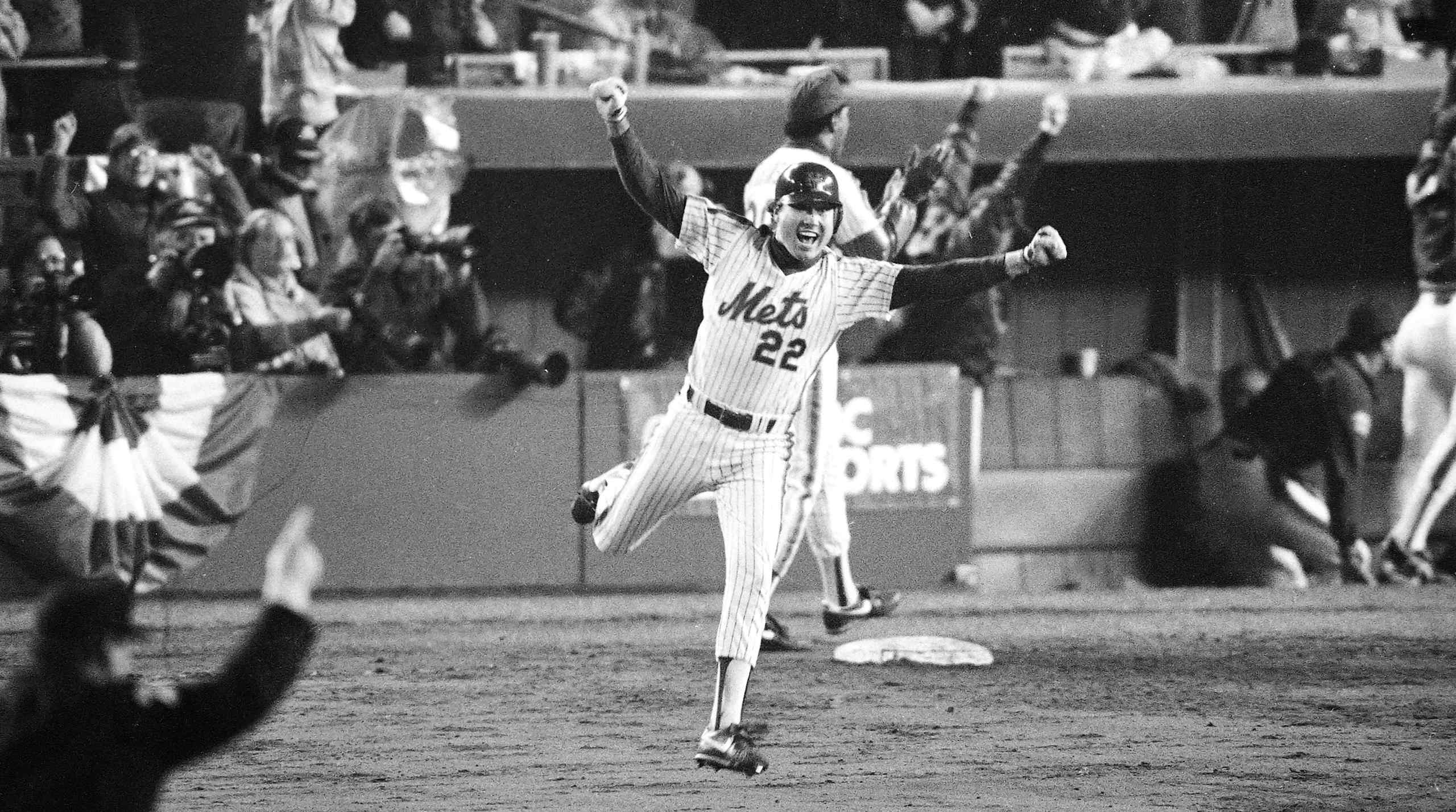
Five Iconic World Series Moments Since the Brewers' Appearance
The Brewers are back in the World Series after 44 years. From Bill Buckner's error to the Cubs ending their curse, plenty has happened since 1982.
By Bill Gelman
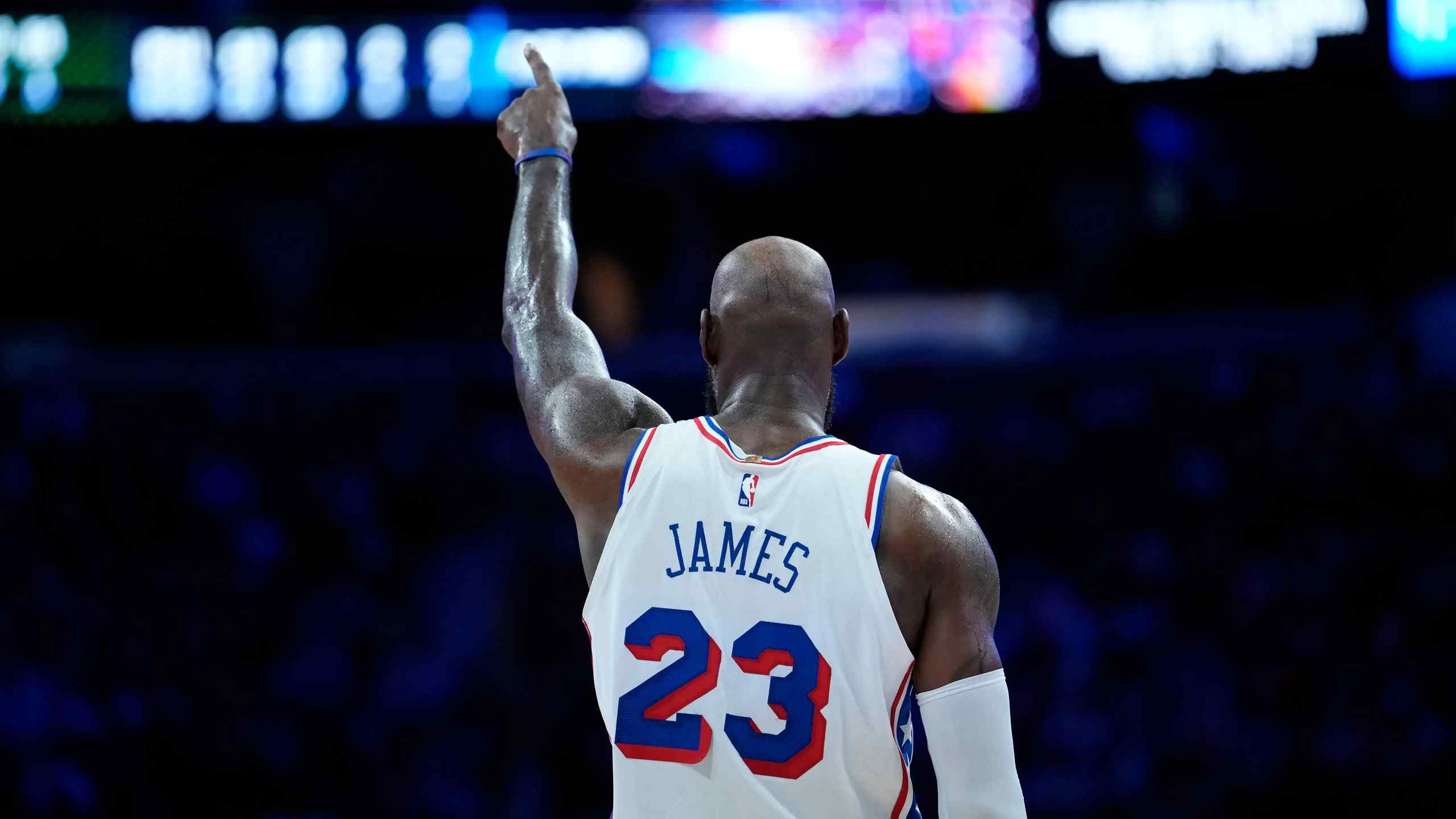
LeBron to Giannis: Ranking 5 NBA Offseason Stunners
LeBron to Philly, Giannis to Miami, and Wemby staying put. Which NBA offseason move will pay off the most?
By Bill Gelman
NFL Fans Spend $900 to Watch Games. WWE Fans Pay Even More
Think watching every NFL game is expensive? WWE fans would argue otherwise.

By James Guill
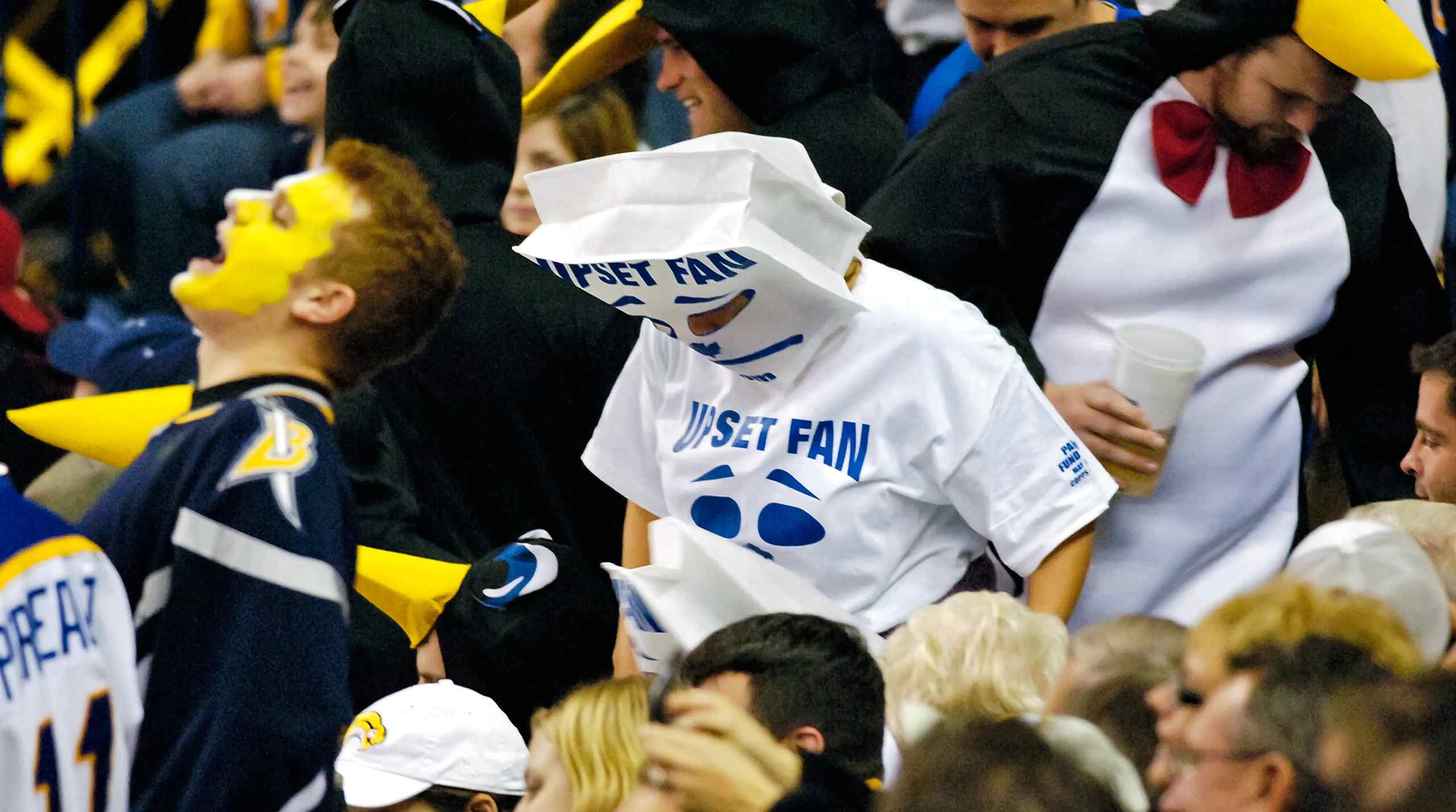
How Bad Is It? Ranking the NHL's Original Six by Fan Misery
Nearly 60 years without a Stanley Cup is just the beginning. We rank the NHL's Original Six teams by how much misery their fans have endured.
By Bill Gelman
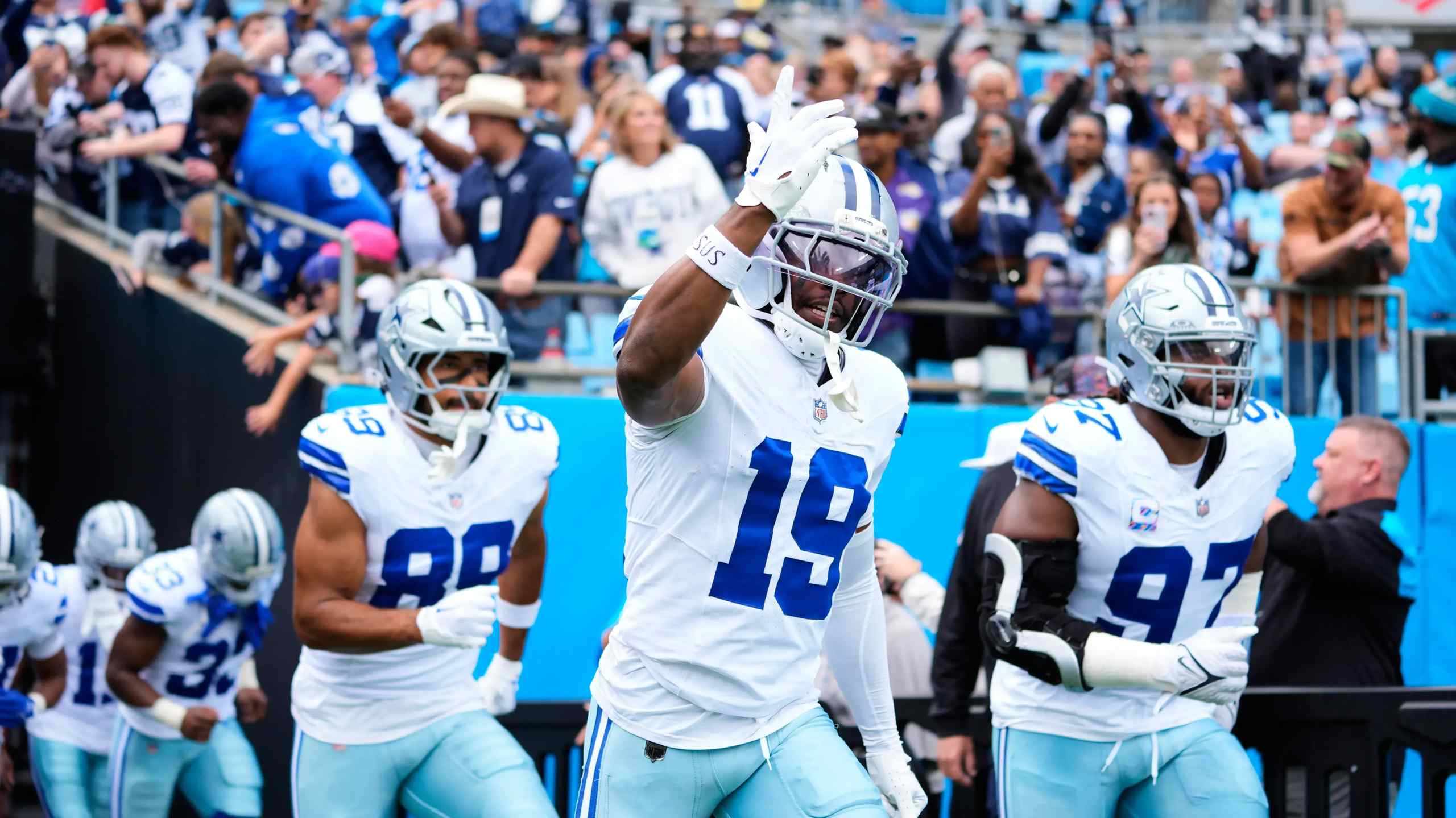
Why Does Everybody Hate Us? 10 Most Hated Sports Teams Ever
Some teams always win; others get caught breaking the rules. Either extreme is a surefire way to become universally hated, as these 10 sports teams can attest to.
By Stuart Hughes