
What are Betting Limits?
This article explains what betting limits are, why sportsbooks set them, and how they shape strategy for casual and sharp bettors alike.

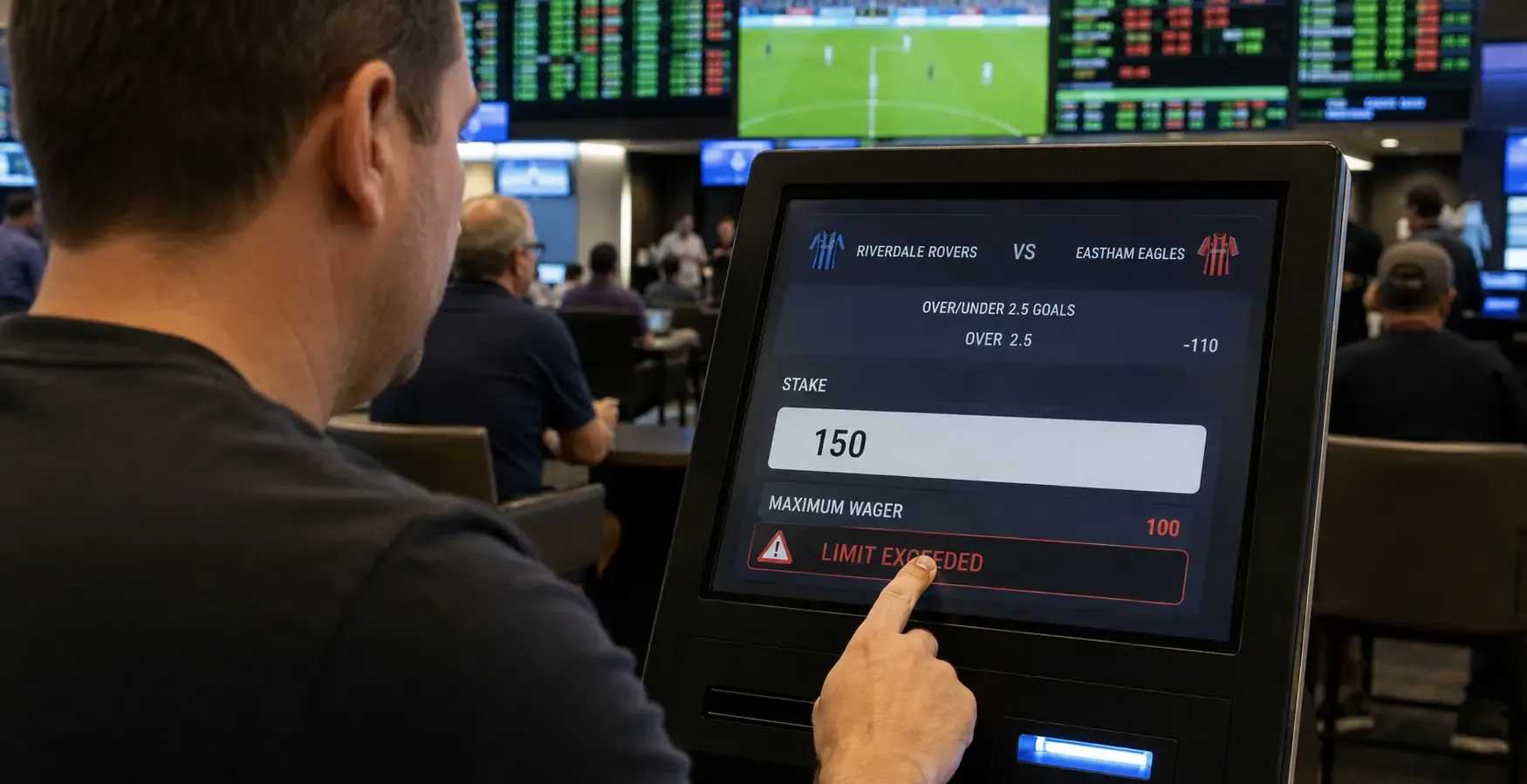
Betting limits are the maximum and minimum amounts a sportsbook allows on a single sports wager, payout, deposit, or withdrawal. Sportsbooks set them to control risk, protect their margins, and in many cases, comply with state gaming regulations.
Key Takeaways
- Betting limits cap how much you can wager on a single bet, a payout, or an account over time.
- Limits shift based on the sport, the bet type, the event's popularity, and your account history.
- Sportsbooks lower limits on bettors who consistently beat the closing line, not just those who win big once.
- Live betting and prop markets usually carry tighter limits than mainstream spreads and moneylines.
- Deposit and loss limits protect bettors, while wager and payout limits protect the sportsbook's balance sheet.
Quick Facts Box
| Category | Detail |
|---|---|
| Difficulty Level | Beginner to intermediate |
| Estimated Time to Learn | 5 to 7 minutes |
| Best Suited For | New sports bettors and bankroll-conscious players tracking their wager caps |
| Related Topic | Bankroll management and responsible betting habits |
Why Does Understanding Betting Limits Matter?
Understanding betting limits matters because it determines how much of your bankroll you can actually put into play on any given bet. A bettor who plans a $2,000 wager on a niche prop market may discover the cap is $200, forcing a rethink of strategy mid-plan. Knowing limits ahead of time keeps you from getting surprised at the bet slip and helps you size wagers realistically across a season.
How Do Betting Limits Compare Across Bet Types?
Betting limits vary sharply depending on the type of bet placed, with straight bets on major sports carrying far higher caps than parlays or props. The table below shows typical ranges reported across the industry for popular markets.
Bet Types and Risk Levels
| Bet Type | Typical Maximum Wager | Risk Level for Sportsbook |
|---|---|---|
| NFL/NBA moneyline or spread | $5,000 to $50,000+ | Lower (high liquidity) |
| Player props | $100 to $1,000 | Higher (thin markets) |
| Same-game parlays | $50 to $500 | Highest (compounded variance) |
| Live/in-play bets | Often 50 to 90 percent lower than pre-game | Elevated (fast-moving odds) |
| Niche sports or lower leagues | $50 to $500 | Higher (limited betting volume) |
What Factors Determine Betting Limits at a Sportsbook?
Betting limits at a sportsbook are shaped by the sport, the specific event, the type of wager, and the bettor's own account history. Major events like the Super Bowl typically carry much higher maximum bets than a midweek game in a smaller league. The type of wager matters just as much: straight bets on popular sports draw the highest limits, while parlays, teasers, and player props tend to face lower caps because they carry more variance for the book. Bettors exploring these differences can compare how limits shift across formats in a broader breakdown of common sports betting types and how each one carries its own risk profile.
Why Do Sportsbooks Lower Betting Limits for Winning Bettors?
Sportsbooks lower betting limits for winning bettors because consistent profit, not a single lucky score, signals to the book that its odds are being outmaneuvered. Books that rely on recreational customers to lose over time often see a bettor's edge as a direct threat to their model, so they trim stakes or restrict accounts once a pattern emerges. Bettors who chase bigger wagers to make up for a shrinking limit can slide into the same warning signs covered in Bodog's breakdown of how much sports betting becomes too much for a bankroll. Regulators have pushed back on the practice, and sportsbooks maintain the restrictions target betting patterns, not just winning results.
How Do Betting Limits Work During Live and In-Play Betting?
Betting limits during live and in-play betting are almost always lower than pre-game limits because odds shift constantly and sportsbooks have less time to price risk accurately. A book might allow a $5,000 pre-game wager on an NFL spread but cap the same market at $500 once the game is underway. This tighter control lets a sportsbook manage volatile moments like a red card, an injury, or a late-game swing, which ties directly into how live betting works from a pricing standpoint.
Do Betting Limits Change During High-Stakes Playoff Games?
Betting limits during high-stakes playoff games typically rise for popular markets but stay tight on riskier side bets. Increased public interest in the NBA and NHL postseasons pushes sportsbooks to raise maximums on moneylines and spreads to meet demand. Bettors sizing up bigger playoff wagers should weigh that shift against the guidance in Bodog's look at how much is too much for NBA and NHL playoff betting, since higher limits don't remove the need for discipline.
Examples of Betting Limits in Action
A bettor tries to place $1,500 on an under total for a college basketball game priced at a modest limit. The sportsbook's slip caps the wager at $200, forcing the bettor to either accept the smaller stake or find the same line elsewhere.
A recreational bettor places small same-game parlays every week without issue. A sharp bettor betting the same market size, but consistently beating the closing number, gets flagged within a month and sees the limit on player props on that market shrink from $500 to $25, a pattern that mirrors the shift toward faster, smaller wagers described in Bodog's piece on why micro-betting is reshaping in-play markets.
A high-limit player wants to bet six figures on a marquee NFL matchup. The book accepts it without hesitation because it recognizes the player as a source of two-sided liquidity rather than a threat to its model.
What Are Common Mistakes Bettors Make With Betting Limits?
- Assuming a limit is personal. Most caps apply to a market or bet type before they apply to any single account.
- Betting the max every time. Consistently hitting the ceiling draws faster scrutiny from risk teams than varied stake sizes do.
- Confusing wager limits with payout limits. A stake might be accepted in full, yet the payout itself gets capped separately.
- Ignoring account verification. Skipping identity checks can quietly cap access to higher limits before a bettor ever notices.
- Overlooking deposit and loss limits. These are responsible-gambling tools, not the same thing as a sportsbook's wager caps.
How Do Betting Limits Compare to Deposit and Loss Limits?
Betting limits control how much a sportsbook will accept or pay on a wager, while deposit and loss limits control how much money a bettor chooses to risk over time. The table below separates the two concepts clearly.
Betting Limit vs. Deposit/Loss Limit
| Feature | Betting Limit | Deposit/Loss Limit |
|---|---|---|
| Who sets it | The sportsbook | The bettor (self-imposed) |
| Purpose | Manage the book's financial risk | Manage the bettor's personal spending |
| Can it be raised? | Only at the book's discretion | Usually adjustable by the bettor, with a cooling-off delay |
| Applies to | Single wagers and payouts | Total deposits or losses over a set period |
The Bodog Take on Betting Limits
Betting limits are not arbitrary roadblocks. They reflect how a sportsbook manages risk across thousands of markets, from marquee NFL spreads down to a niche prop on a Tuesday night game. Knowing how limits shift by sport, bet type, and account history turns a frustrating surprise into a predictable part of planning a wager.
The smartest move is treating limits as information, not an insult. Bodog's take: a bettor who studies how and why limits move is already playing a sharper game than one who only notices them after getting capped.
Betting Limits FAQs
What is the difference between a betting limit and a payout limit?
A betting limit caps the stake you can place, while a payout limit caps the total winnings a sportsbook will pay on that stake.
Why did my betting limit suddenly drop?
A drop usually follows a pattern of wagers that beat the closing line or hit market-moving prices, signaling sharp betting rather than casual play.
Can I ask a sportsbook to raise my betting limit?
Yes, some books allow verified, high-volume customers to request higher limits, though approval depends on the operator's risk policies.
Are betting limits the same for every sport?
No, limits vary widely, with major sports like NFL and NBA carrying far higher caps than niche leagues or lower-tier events.
Do betting limits apply to parlays the same way as straight bets?
No, parlays and same-game parlays typically carry lower maximum wagers because combining outcomes increases variance for the book.
Is getting limited the same as being banned?
No, a limited account can usually still place smaller wagers, while a banned account is shut out of betting entirely.
Do betting limits protect bettors or just sportsbooks?
Wager and payout limits mainly protect the sportsbook's finances, while separate deposit and loss limits exist specifically to protect bettors.
Continue Learning
- How much is too much for NBA and NHL playoff betting: a closer look at bankroll discipline when limits rise for postseason action.
- A guide to British gambling terms: useful for bettors comparing how UK sportsbooks describe limits and odds differently than US books.
- How the lines between US and European betting are blurring: context on why limit structures and market styles are converging globally.
Sources & Review
James Guill is an experienced iGaming journalist with a diverse background spanning IT, poker, and online gambling media. With over 20 years in the industry, he’s covered a wide range of gaming topics and has been featured in outlets like USA Today and G4 TV.
More Articles like this
Do NHL Stars Lose Their Edge After Signing Huge Contracts?
Do NHL stars really take their foot off the gas after a big payday? We analyzed 29 major contracts to find out.
By Charlon Muscat
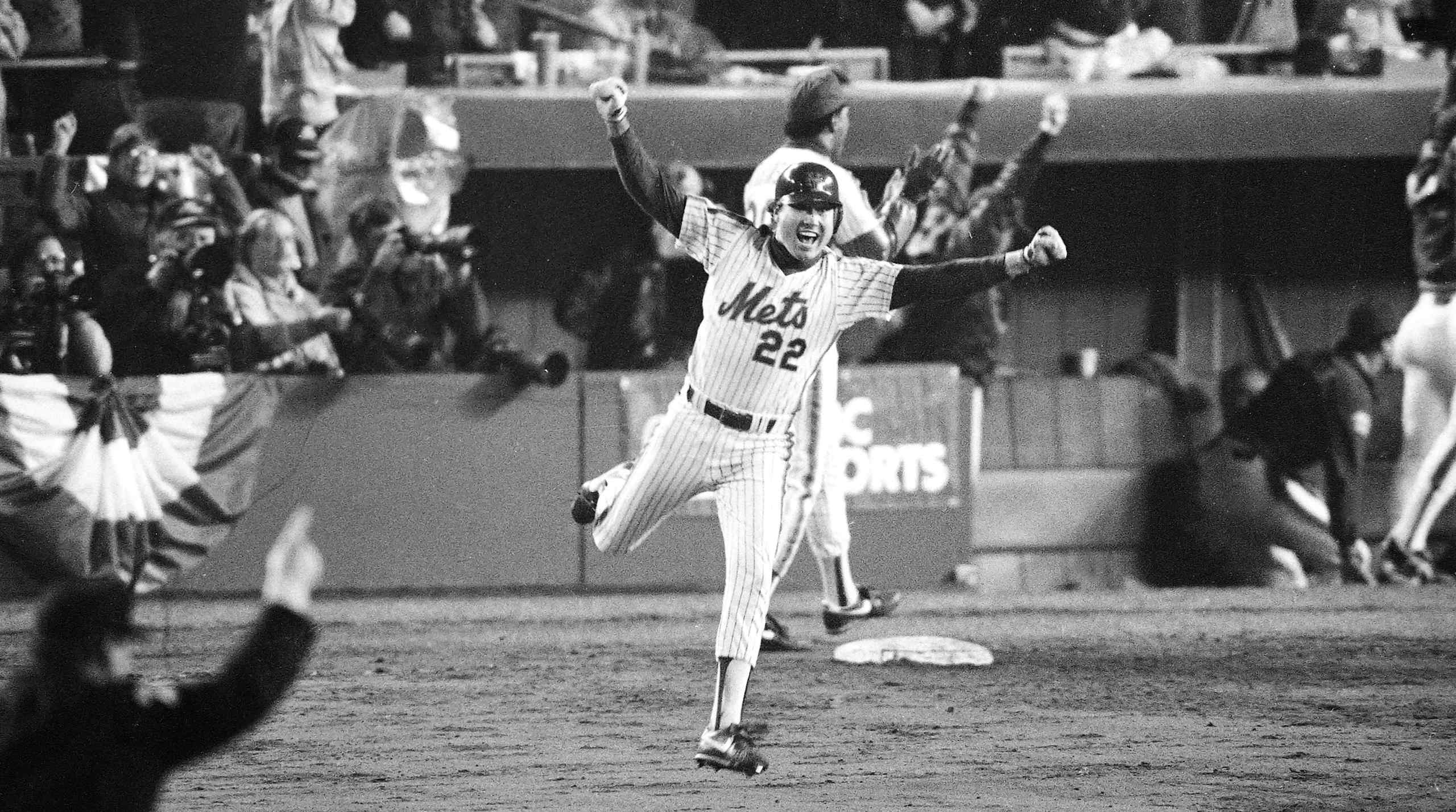
Five Iconic World Series Moments Since the Brewers' Appearance
The Brewers are back in the World Series after 44 years. From Bill Buckner's error to the Cubs ending their curse, plenty has happened since 1982.
By Bill Gelman
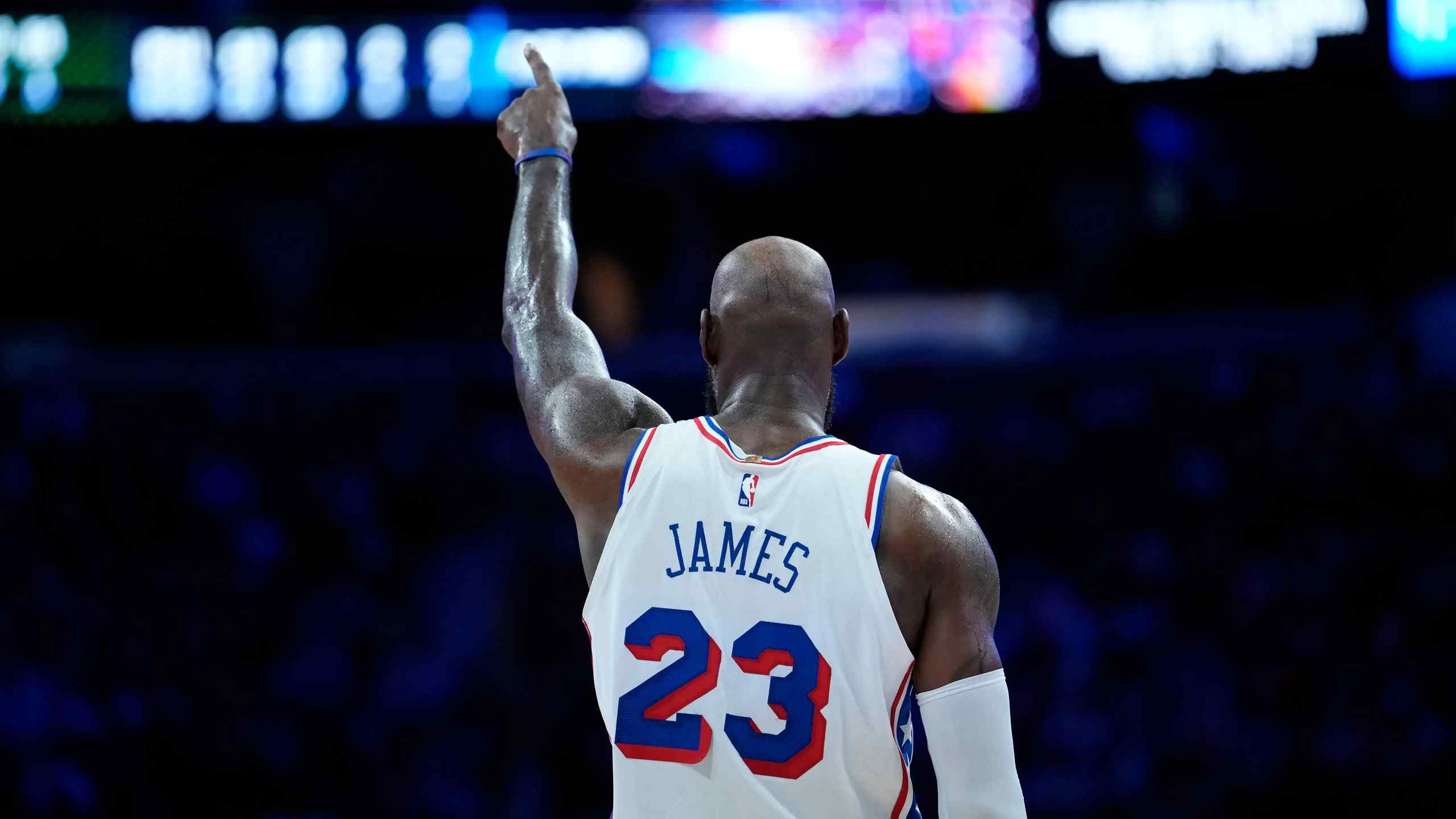
LeBron to Giannis: Ranking 5 NBA Offseason Stunners
LeBron to Philly, Giannis to Miami, and Wemby staying put. Which NBA offseason move will pay off the most?
By Bill Gelman
NFL Fans Spend $900 to Watch Games. WWE Fans Pay Even More
Think watching every NFL game is expensive? WWE fans would argue otherwise.

By James Guill
How Bad Is It? Ranking the NHL's Original Six by Fan Misery
Nearly 60 years without a Stanley Cup is just the beginning. We rank the NHL's Original Six teams by how much misery their fans have endured.
By Bill Gelman
Why Does Everybody Hate Us? 10 Most Hated Sports Teams Ever
Some teams always win; others get caught breaking the rules. Either extreme is a surefire way to become universally hated, as these 10 sports teams can attest to.
By Stuart Hughes