
Could AI Chips Become the Next Oil? Kalshi Thinks So
Kalshi wants traders betting on the future cost of AI computing power, but a dispute involving federal regulators could complicate its plans.

From their inception, prediction markets have always famously courted controversy - from their first-of-a-kind presidential election result markets to their industry-disrupting NFL sports event contracts, nothing, it seems, is technically off the table.
However, news that Kalshi has turned to the Commodity Futures Trading Commission (CFTC) for permission to trade on the future cost of graphics processing units (GPUs) -- the processor chips currently powering the AI revolution - could spark one of the greatest investment crazes since the emergence of Bitcoin.
In a sector already worth billions, here's how the GPU prediction markets would likely work and why there's a genuine buzz among traders about its potential.
What The Hell Is A GPU Prediction Market?
Given all the hype surrounding AI's rapid advancement, you can certainly see why traders would jump at the chance to speculate on the future rental cost of GPUs.
Responsible for powering everything from the biggest titles in esports gaming to the latest AI breakthroughs, the humble GPU chip has skyrocketed in value thanks to its ability to process massive amounts of data in the blink of an eye. However, GPUs aren't cheap, so many firms now simply opt to rent access to GPUs through cloud computing hubs rather than purchasing the expensive hardware outright.
Originally developed to accelerate graphics rendering engines, GPUs have since become critical to companies like OpenAI, Anthropic, and Meta to train their increasingly sophisticated AI models. It's this very demand that Kalshi is hoping to capitalize on by creating a platform to trade contracts tied to future GPU rental prices, which can be affected by:
- Global demand for AI
- New chip releases and advancements in GPU computing capacity
- The pace of data center expansion
- Fluctuations in energy costs
- Pricing competition among cloud providers

How Exactly Would A GPU Prediction Market Work?
Put simply, the concept behind the GPU prediction market is more straightforward than the technology powering it.
In this scenario, Kalshi would present a series of markets about the hourly cost of renting GPU units, say, for example, the Nvidia H200 GPU, which at today's prices currently hovers between $2.50 and $5.50 (although large hyperscalers have been known to charge upwards of $10 per hour).
Now, as a trader, if you think the cost of the rental will be more than, say, $3.50 on a given date, then you can buy a 'Yes' contract based on the fact that you believe the rental price will exceed that figure.
Just like with Kalshi's other prediction markets, the prices for this will typically range from $0.01 to $0.99, so depending on where you entered a position.
For example, if you buy a Yes contract for 40 cents and the GPU rental price finishes above the specified threshold, you'll receive $1, making a 60-cent profit before fees. If the prediction is wrong, you'll lose the 40 cents you paid.
GPU Prediction Markets vs. Traditional Prediction Markets
| Key Metric | GPU Prediction Markets | Traditional Prediction Markets |
|---|---|---|
| What's being traded? | Future GPU rental prices | Elections, sports, economic events |
| Example contract | H200 rental above $3.50/hr? | Will Team A win the Super Bowl? |
| Typical contract price | 0.01–0.99 | 0.01–0.99 |
| Winning payout | $1 per contract | $1 per contract |
| Key price drivers | AI demand, chip supply, energy costs | Polling, team performance, economic data |
| Potential participants AI firms, data centers, speculators | AI firms, data centers, speculators | Retail traders, professional traders |
So Why Would Anyone Want To Trade GPU Prices?
Granted, to an outsider, the concept of wagering on the rental cost of a GPU may sound slightly insane, but it inevitably taps into two red-hot trends -- that of the prediction markets themselves, and our never-ending fascination with AI’s advancement.
Remarkably, should Kalshi eventually gain approval from the CFTC to open GPU prediction markets, you can guarantee it won’t just be individual traders capitalizing on the price swings. That’s because beyond speculation, these unique GPU prediction markets could offer AI firms, data center operators, and infrastructure investors a proactive way to hedge against fluctuations in their business-critical computational costs -- a factor which could potentially pump billions into individual markets.
Why Is the US Commerce Department Dead Set Against the Proposal?
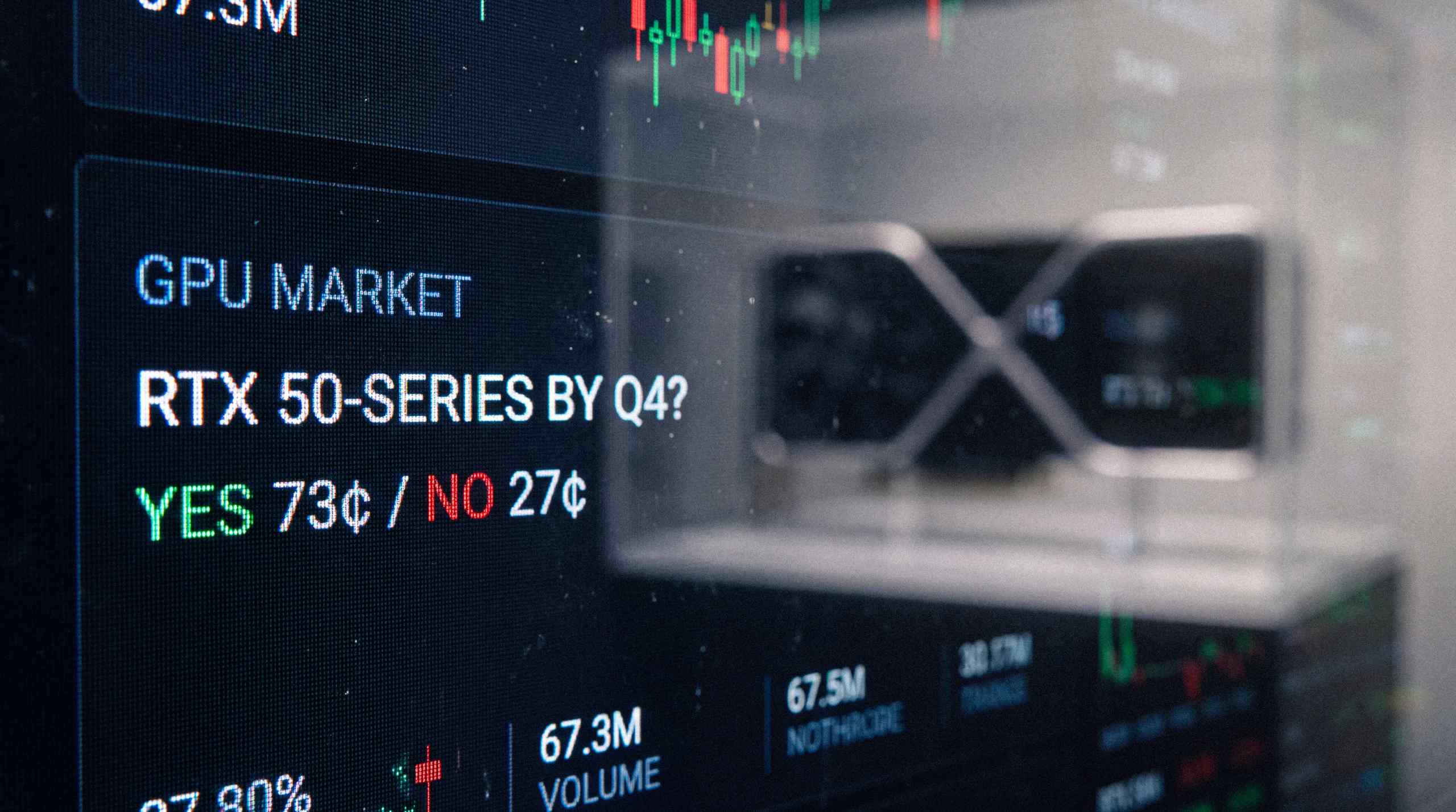
Kalshi is seeking the CFTC's backing after reports emerged that the US Commerce Department had ordered its earlier GPU markets removed over national security concerns. However, the Commerce Department has denied issuing such an order.
Kalshi, openly disputes national security concerns, arguing that trading contracts tied to GPU processing power isn’t any different from speculating on commodities already available on the exchanges, including crude oil, natural gas, and precious metals.
In addition to this, supporters of the re-listing of Kalshi’s GPU-linked prediction markets also argue that it will improve price transparency across the board, while also enhancing opportunities for firms to protect themselves against the volatility of surging computational costs.
Meanwhile, those opposed to Kalshi’s proposition state that not only will it open the door to mass-market manipulation and insider trading, but it also continues to blur the lines between speculative financial trading and gambling.
The Bottom Line: Could GPU Computing Power Be the Next Major Tradable Commodity?
It’s fair to say Kalshi has a point, as just like many other essential resources like oil, gas, and electricity, GPU rental prices share the same core underlying economic characteristics. Of course, there is a financial incentive for the prominent prediction market to get this proposal over the line, but there is undoubtedly a market for trading GPU rental price derivatives.
The potential for GPU prediction markets is enormous, because they could appeal to both speculative traders and AI enterprises keen to hedge against the uncertainty of rising costs. Sure, there are a few regulatory hurdles to overcome first, but should Kalshi win out, the next trading craze could very well be wagering on the escalating cost of keeping the planet’s AI engines running.
Stuart Hughes is a London-based freelance journalist covering sports, travel, lifestyle, and technology. He’s worked with brands like Lenovo, Best Western, and Frontier Airlines, bringing a global perspective shaped by years of travel.
More Articles like this
Can Prediction Markets Stop Traders From Harassing Athletes?
Kalshi and Novig are taking steps to identify and punish traders who harass athletes, but can these programs effectively reduce abuse?
By James Guill
NBA Targets Risky Bets. Will Kalshi, Polymarket Play Ball?
The NBA is banning several easily manipulated bets at sportsbooks. But will Kalshi and Polymarket follow suit?

By Stuart Hughes
Kalshi Wants Margin Trading. What Could Go Wrong?
Kalshi’s proposed margin system would let eligible traders put up less than the full value of some positions, freeing capital for other trades while also introducing a new layer of leverage and risk.

By Charlon Muscat
Kalshi, Polymarket Starting to Price the Midterms as Blowout
With just over five weeks to go, Kalshi and Polymarket now heavily favor Democrats for the House and give them the edge in the Senate.
By Stuart Hughes
Kalshi’s NFL Volume Is Exploding. Should Sportsbooks Be Worried?
The NFL season is barely underway, but prediction markets have already handled multiple billions in football trading volume. Is that enough to make sportsbooks nervous?

By Charlon Muscat
Best Prediction Market Apps of 2026
Compare the best prediction market apps and platforms for sports, politics and other events, ranked by market selection, fees, liquidity, user experience and availability.

By James Guill