
Can Prediction Markets Stop Traders From Harassing Athletes?
Kalshi and Novig are taking steps to identify and punish traders who harass athletes, but can these programs effectively reduce abuse?

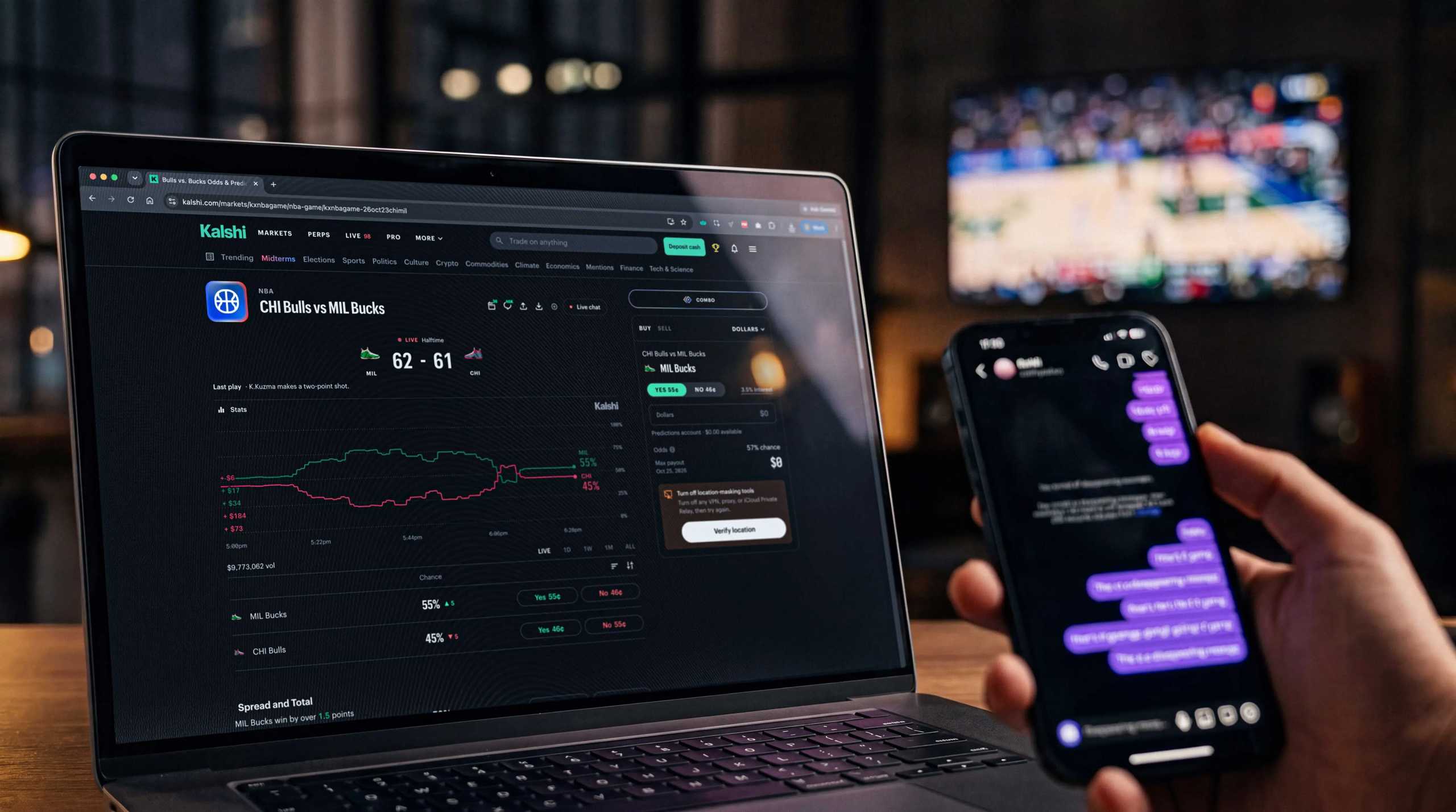
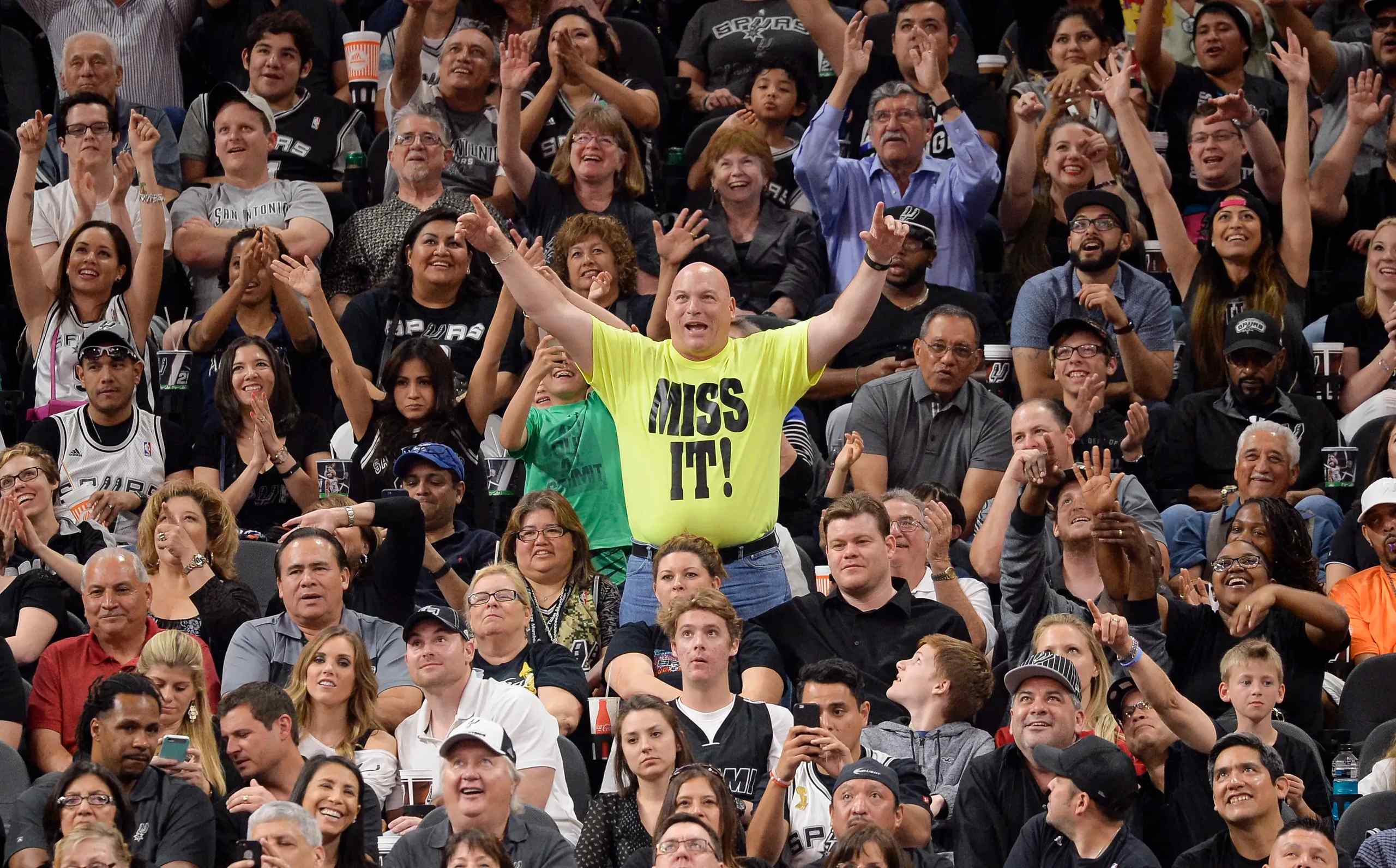
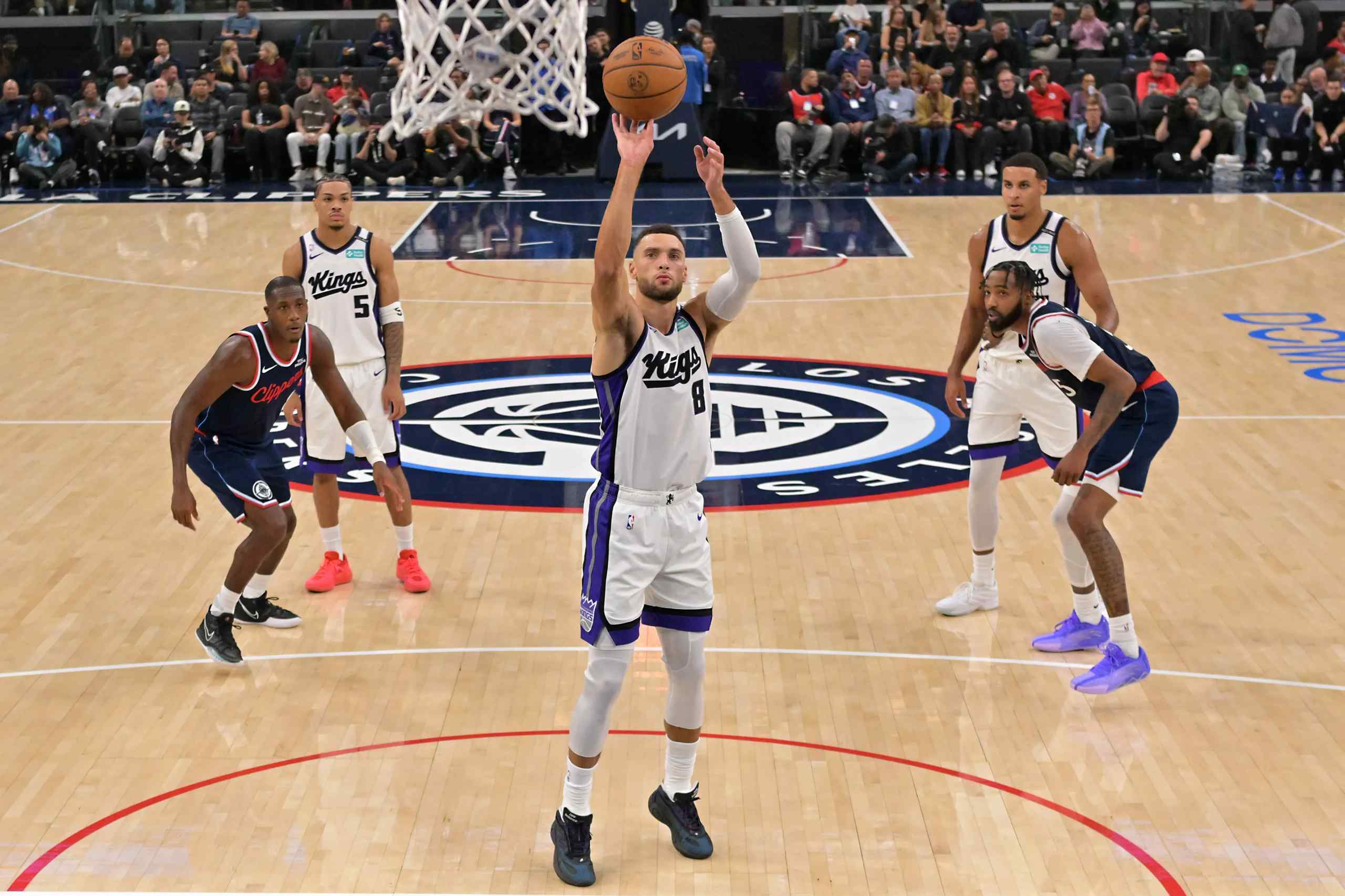
Losing money on a prediction contract because a player missed a free throw or a quarterback threw an interception can be frustrating. However, some traders take out that frustration on the offending players. They head to social media to blame the athlete, sometimes resorting to personal attacks, harassment, and even threats.
Athlete harassment isn't new, but the growth of sports betting and prediction markets has given some fans a financial reason to become angry about what happens during games. Athletes are increasingly speaking out about the abuse, and sports organizations are looking for ways to protect their players.
Now, prediction markets are getting involved.
On October 14, Kalshi announced a partnership with Signify Group to identify individuals who threaten or harass athletes. The program could result in offenders having their Kalshi accounts permanently closed.
Five days later, Novig announced an expanded partnership with IC360 that includes similar protections.
The programs aim to hold abusive traders accountable. Whether they can reduce athlete harassment remains to be seen.
Kalshi Wants to Identify Traders Who Threaten Athletes
Kalshi's partnership with Signify Group uses technology to identify individuals who threaten or harass athletes, coaches, and other sports personnel.
The program covers five major sports organizations:
Signify's Threat Matrix technology monitors public social media for abusive content. The system uses artificial intelligence to identify potential threats across 32 categories of harmful behavior in more than 100 languages.
Afterward, human analysts assess potentially abusive posts and determine whether they warrant further investigation. Investigators can then try to identify the individuals responsible and gather evidence of their behavior.
This information can help determine whether an offender has a Kalshi account. If investigators can establish that a Kalshi customer engaged in prohibited behavior, the exchange can take disciplinary action, including permanently closing the person's account.
The exchange may also refer serious cases to sports organizations or law enforcement. Kalshi is also introducing a new exchange rule that prohibits abuse and threats tied to trading activity. The rule is scheduled to take effect on October 27.
Robert DeNault, Kalshi's head of enforcement, said the partnership is intended to create consequences for people who threaten athletes because they have a financial interest in a sporting event.
The program isn't designed to punish ordinary criticism of an athlete's performance. Its focus is on threats, harassment, and other serious abusive behavior.
Novig Joins the Effort to Combat Athlete Harassment
Kalshi isn't the only prediction market taking action. On October 19, Novig announced an expanded partnership with Integrity Compliance 360 (IC360), including technology designed to identify individuals who threaten or harass athletes.
Novig is integrating IC360's ProhiTrade Bad Actor technology, which maintains an encrypted registry of confirmed offenders.
Signify also participates in the initiative, helping to identify and investigate individuals responsible for abusive behavior. The system lets operators check whether individuals under investigation have accounts on their platforms.
Novig can then restrict trading privileges for customers who violate its policies against athlete abuse and violence. The arrangement also covers threats against coaches, referees, and sports organizations.
Novig CEO Jacob Fortinsky said protecting athletes from harassment is part of maintaining trust in sports prediction markets.
Kalshi and Novig are part of a broader effort that could let operators identify offenders operating on multiple platforms. The program doesn't guarantee that someone banned from one prediction market will be banned from another. Individual platforms still determine what enforcement actions are appropriate.

Athletes Are Speaking Out About Gambling-Related Harassment
These announcements coincide with athletes increasingly discussing how sports betting and prediction markets affect their personal safety.
WNBA star Nneka Ogwumike addressed the issue during Fortune's Most Powerful Women Summit in October.
Ogwumike said WNBA players have faced significant harassment tied to prediction markets, with some incidents raising safety concerns. She also explained that the abuse can affect athletes beyond social media, potentially influencing their performance and well-being.
While players have access to resources through the WNBA and its players association, those protections don't prevent harassment.
The problem extends beyond professional basketball. Research released by the NCAA in February found that 51% of Division I men's basketball players reported experiencing social media abuse related to their athletic performance.
Another 46% reported receiving negative or threatening messages from someone who had wagered on a game they participated in.
While these findings aren't specific to prediction markets, they illustrate the problem prediction-market operators are trying to address.
The NBA and WNBA Are Also Taking Action
Professional basketball organizations are introducing additional measures to address gambling-related risks and protect athletes. On October 13, the NBA and WNBA announced a responsible gaming campaign in partnership with the National Council on Problem Gambling.
The campaign will educate fans about the financial and personal risks associated with sports betting and prediction markets. It will emphasize responsible participation, including setting spending limits and recognizing when gambling-related behavior becomes problematic.
The NBA has also restricted certain types of wagers offered by its authorized sportsbook partners. The changes restrict specific player-prop combinations and wagers tied to players expected to receive limited playing time.
These measures address concerns over gambling integrity and certain wagering practices.
Interestingly, on Oct. 26, the NBA announced a new partnership with Kalshi and Polymarket, making them the official prediction markets of the league. As part of the partnership, prediction markets will provide “significant integrity protections for NBA-related markets.”
We’ll have more on the new partnership as it develops.
Can These Programs Actually Stop Athlete Harassment?
The biggest question is whether identifying abusive traders and restricting their accounts will meaningfully reduce harassment.
There are reasons to believe the programs could help.
Financial Consequences Could Discourage Abuse
If an individual can be identified and linked to a trading account, abusive behavior could result in losing access to the platform. The potential for account restrictions across multiple participating platforms could provide an additional deterrent.
If platforms can consistently identify and ban abusive traders, it may make some think twice before taking aggressive action against players.
Identifying Anonymous Offenders Could Be Difficult
One of the biggest challenges is identifying the people behind abusive social media accounts. Some individuals use anonymous profiles, false names, or accounts that contain little identifying information.
Signify's investigators can review publicly available information and try to link online accounts to real individuals. However, they can't guarantee they can identify every offender.
The program’s success is limited to people with prediction market accounts, meaning anonymous trolls who don't trade will face little repercussions.
Account Bans Won't Stop Every Offender
Another limitation is that, for now, bans apply only to Kalshi and Novig. A banned trader could simply switch platforms and keep harassing.
Individuals who trade through other platforms might avoid restrictions if those platforms don’t have similar policies. Abusive traders will likely seek platforms they know won’t ban them and continue their behavior.
Measuring Success Could Be Complicated
Perhaps the biggest challenge will be determining whether the programs actually work. Kalshi and Novig can track how many accounts they investigate, restrict, or close.
Those figures would demonstrate enforcement activity, but they wouldn't necessarily prove that athletes are experiencing less harassment. A stronger measure would involve tracking whether threatening messages decline over time, particularly during major sporting events.
It may be helpful to track whether offenders identified through the programs continue engaging in abusive behavior after losing access to trading platforms.
Tracking whether these programs reduce player abuse may be complicated, so operators will need clear reporting and transparency.
A Step Toward Accountability But Not a Complete Solution
Athlete harassment has existed for decades, but sports betting and prediction markets have added financial motivations for abusive behavior.
Kalshi and Novig are attempting to address that problem by connecting online threats to consequences on their platforms. Signify and IC360’s involvement gives both exchanges access to technology and investigative resources that could help identify and block offenders.
However, the programs cannot prevent every abusive message, and their effectiveness will depend on accurate investigations, consistent enforcement, and participation from additional operators. Kalshi and Novig are taking the right steps towards trader accountability, but they will not provide the ultimate solution to making athletes safer.
James Guill is an experienced iGaming journalist with a diverse background spanning IT, poker, and online gambling media. With over 20 years in the industry, he’s covered a wide range of gaming topics and has been featured in outlets like USA Today and G4 TV.
More Articles like this
NBA Targets Risky Bets. Will Kalshi, Polymarket Play Ball?
The NBA is banning several easily manipulated bets at sportsbooks. But will Kalshi and Polymarket follow suit?

By Stuart Hughes
Kalshi Wants Margin Trading. What Could Go Wrong?
Kalshi’s proposed margin system would let eligible traders put up less than the full value of some positions, freeing capital for other trades while also introducing a new layer of leverage and risk.
By Charlon Muscat
Kalshi, Polymarket Starting to Price the Midterms as Blowout
With just over five weeks to go, Kalshi and Polymarket now heavily favor Democrats for the House and give them the edge in the Senate.
By Stuart Hughes
Kalshi’s NFL Volume Is Exploding. Should Sportsbooks Be Worried?
The NFL season is barely underway, but prediction markets have already handled multiple billions in football trading volume. Is that enough to make sportsbooks nervous?
By Charlon Muscat
Best Prediction Market Apps of 2026
Compare the best prediction market apps and platforms for sports, politics and other events, ranked by market selection, fees, liquidity, user experience and availability.

By James Guill
Prediction Markets vs Sports Betting: Key Differences
Prediction markets vs sports books: odds, vig, trading vs fixed bets, legality by state, combos vs parlays. Which is better for sports bettors?

By Arthur Crowson