
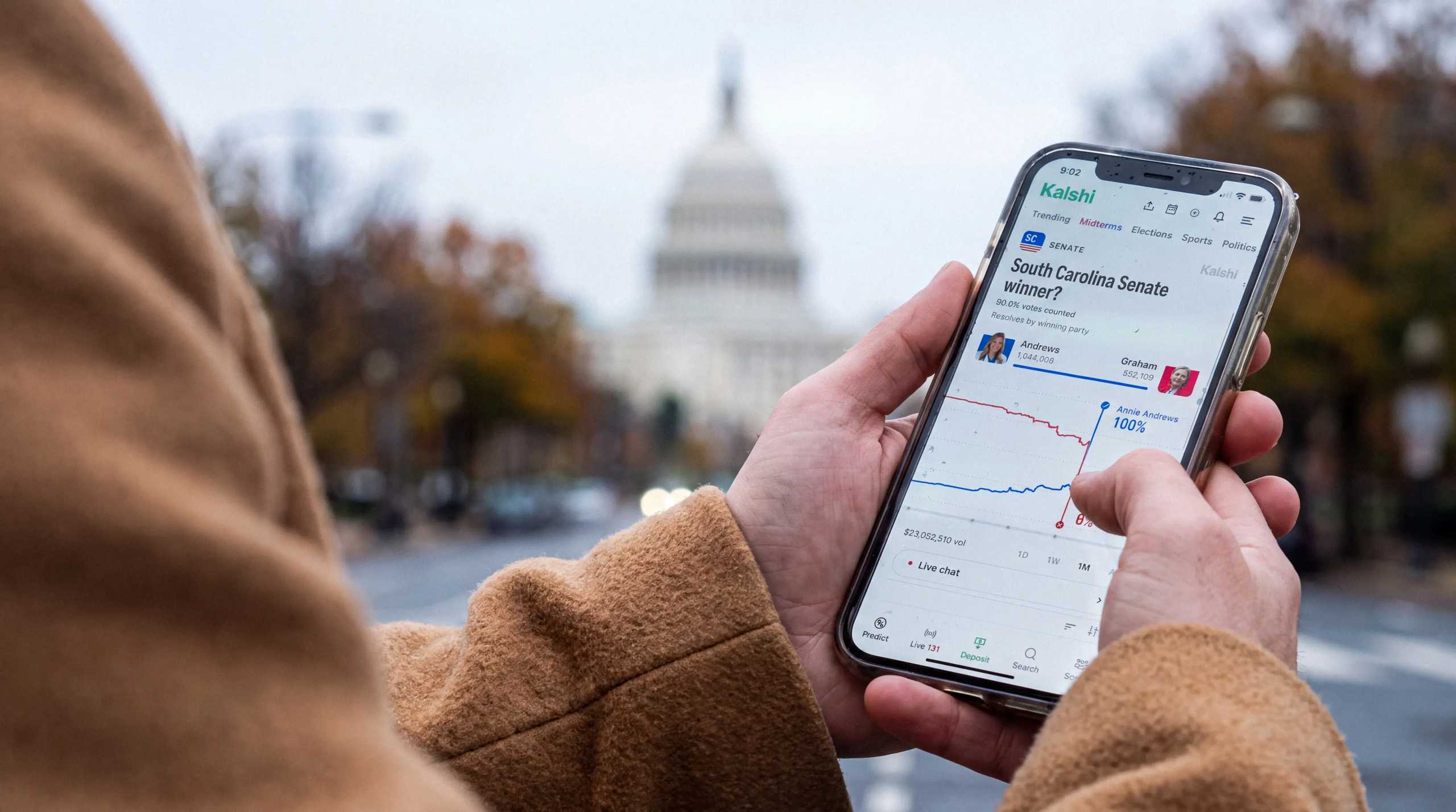
Did Kalshi Get the Midterms Correct? (Spoiler: Yes)
Prediction markets backed Trump in 2024 and now the Democrats in 2026, but will Kalshi's winning streak soften opposition to election betting?

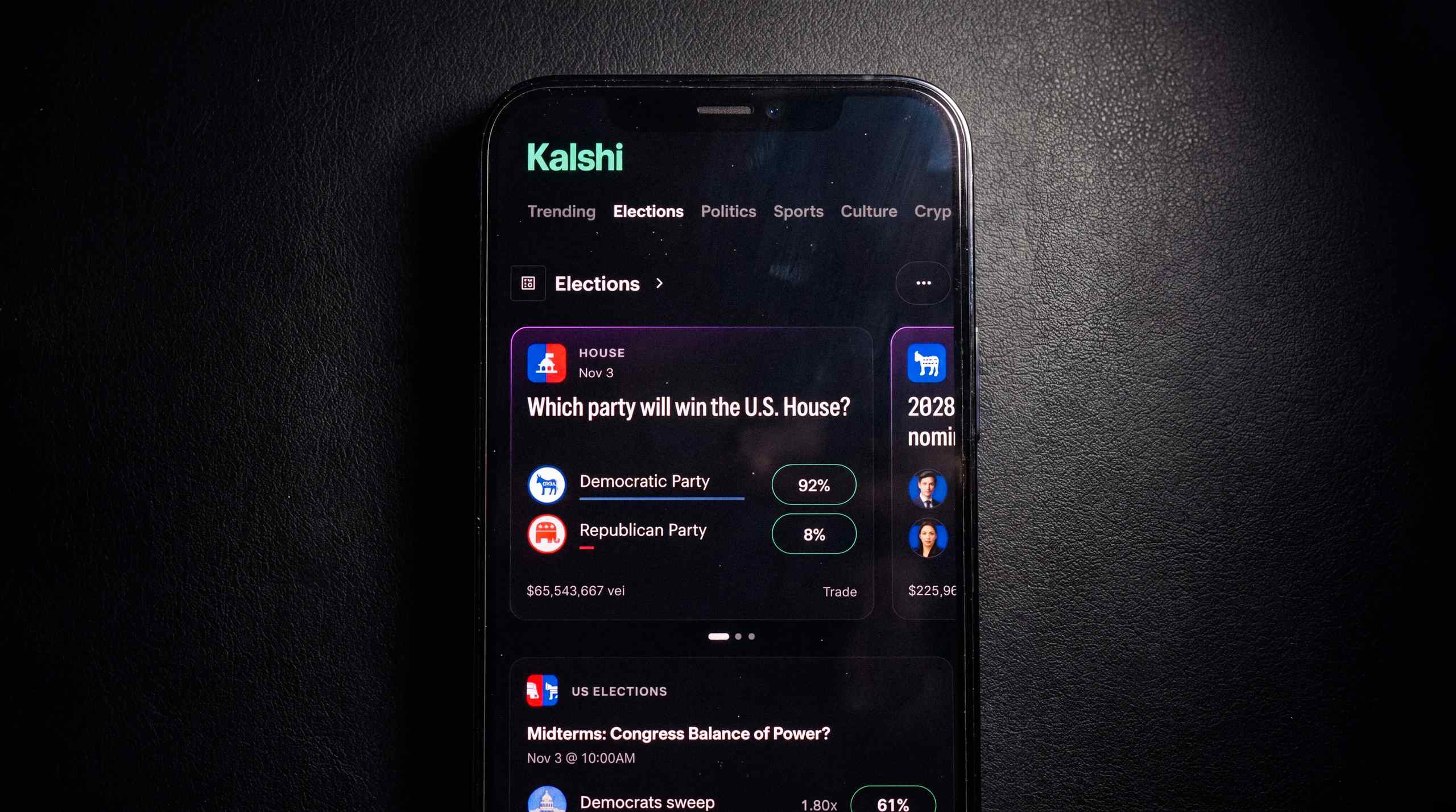
Just two years after the prediction markets made global headlines for anticipating Trump would retake the White House in 2024, Kalshi has yet again pulled off another stunning election-night performance… only this time tipping the Dems.
Nevertheless, while Kalshi can once again tout its forecasting pedigree with back-to-back election successes, it amplifies the billion-dollar question as to whether their continued success will translate into bipartisan acceptance, or that, with the Democrats in control, it may in fact be their undoing.
How Kalshi Crushed The Midterms in 2026
Undoubtedly, Kalshi's headline statistic is almost as stunning as the Midterm results themselves, as the platform accurately forecasted 479 out of the 487 resolved races so far - for the number crunchers among you, that represents a whopping 98.36% hit rate.
Perhaps more impressive, though, is how Kalshi has seemingly leapfrogged the mainstream polls in terms of gauging the true sentiment of the electorate - a political barometer whose own credibility has taken a beating after some spectacular election-night blunders in the last few cycles.
Having accurately forecast 356 of 360 House races, 32 of 33 Senate races, and 33 of 34 gubernatorial contests prior to the polls closing on November 3, call it market efficiency or the wisdom of the crowd, but one thing is for sure: Kalshi is smashing it.
2026 Midterm Elections at Kalshi
| Kalshi Market | Closing Kalshi Probability | Actual Result |
|---|---|---|
| Democratic House control | 93.3% | Democrats won |
| Democratic Senate control | 75% | Democrats won |
| James Talarico wins Texas Senate | 75% | Talarico won |
| Sherrod Brown wins Ohio Senate | 81% | Brown won |
| Abdul El-Sayed wins Michigan Senate | 88% | El-Sayed won |
| Troy Jackson wins Maine Senate | 73% | Jackson won |
And if calling Democratic upsets deep in Republican heartland states wasn't impressive enough, the staggering trading volume was equally as impressive. Here, Kalshi reported more than $2.5 billion in midterm trading volume, compared with approximately $1.3 billion in its inaugural 2024 Presidential election.
Needless to say, with numbers like those, prediction markets like Kalshi have surely given their political detractors plenty of food for thought.
Red in 2024, Blue in 2026: So Much for Political Bias
Prediction markets initially seemed to find a more receptive audience among influential Republican supporters. PayPal co-founder Peter Thiel plowed $70 million into Kalshi rival Polymarket ahead of the election.
And while one French trader reportedly pocketed over $80 million in backing Trump’s comeback, Polymarket's initial bullish forecast immediately began fuelling speculation of it having Republican bias.
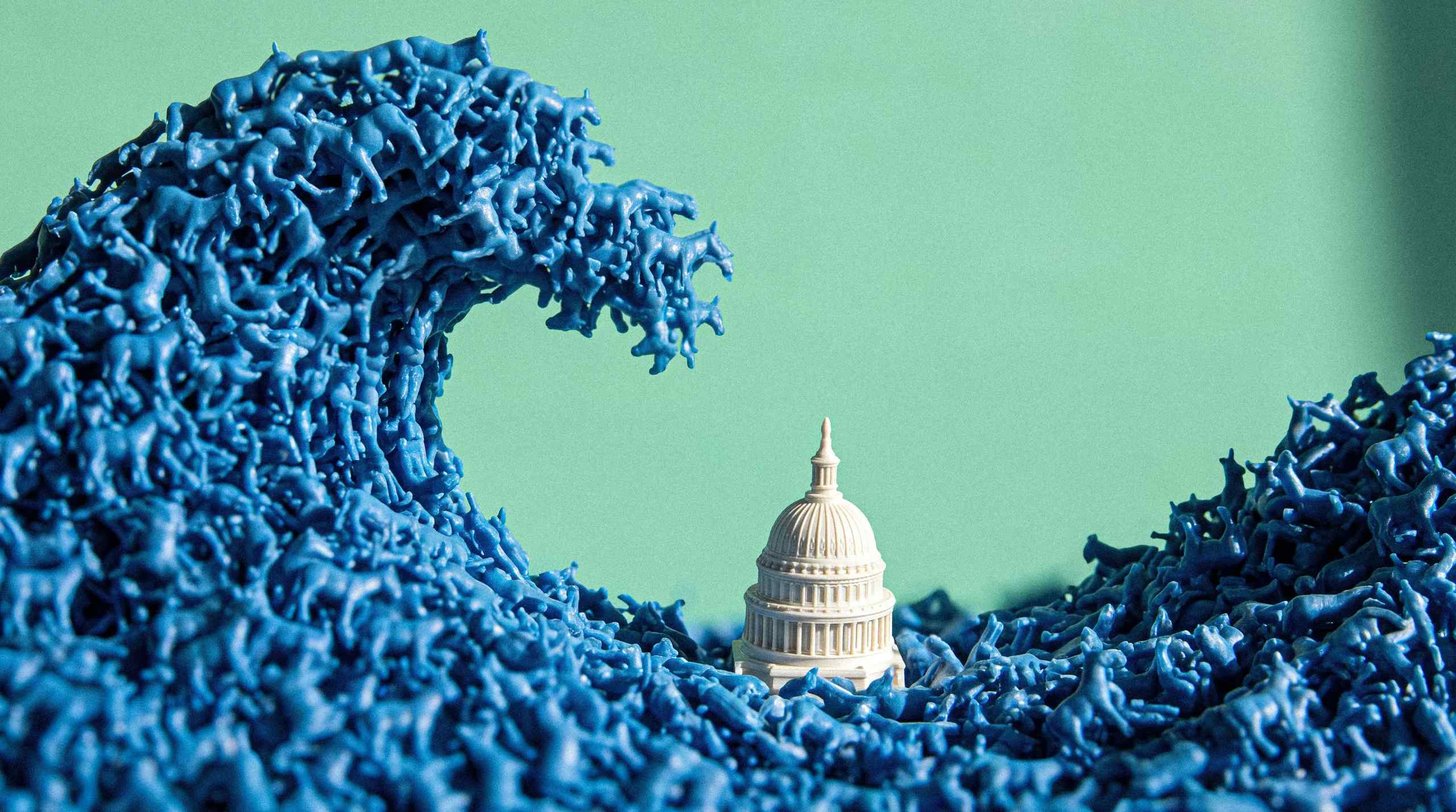
Nevertheless, fast forward to November 2026, and this time around the trading markets have swung full circle. With pre-election market sentiments wholeheartedly backing a strong blue wave - even in the hardiest of Republican strongholds - the latest midterms have justifiably dispelled any notion that prediction markets had any partisan leanings.
So Were Prediction Markets Actually Better Than Polls?
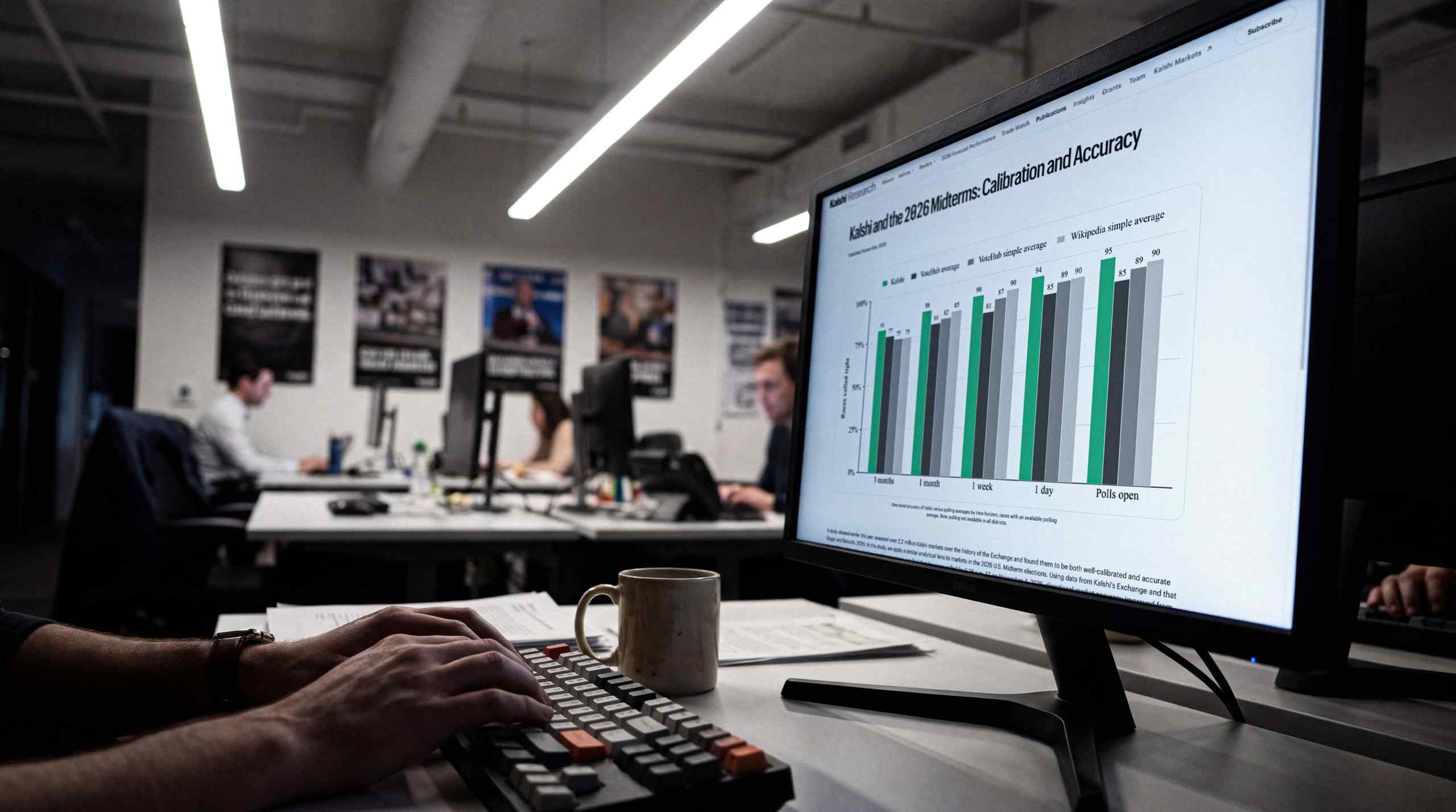
The November 1 New York Times/Siena analysis similarly predicted that the Dems were going to take over both chambers of Congress. They also managed to outshine Kalshi’s forecasts in some races, by correctly predicting Democratic victories where the markets had the candidates as narrow underdogs, namely:
- South Carolina Senate: Annie Andrews (D) defeated Darline Graham (R).
- Iowa Senate: Josh Turek (D) defeated Ashley Hinson (R).
- Texas Governor: Gina Hinojosa (D) defeated Greg Abbott (R).
Prediction markets tended to supersede the majority of polling data. Kashi debuted its US midterm hub so traders could utilize readily available election forecast and polling data, while internal researchers used these averages to evaluate its forecasting performance.
The prediction markets still do have one serious ace up their sleeve when it comes to live monitoring election results, and that’s their real-time responsiveness.
Given the success it demonstrated in the latest midterms, you can be sure future election-based broadcasts will likely monitor the markets in more detail to help make more informed calls next time around.
Will Democrats Start Taking Prediction Markets More Seriously Now?
It won’t be an easy task.
The majority of senators on both sides of the aisle are still likely opposed to prediction markets being allowed to bet on any electoral contests based on an October 2026 Reuters/Ipsos poll.
Of course, the demographics of those surveyed may differ now, but it would take a political shift on the scale of the blue tsunami to change the minds of the 69% of Democrats and 61% of Republicans who previously opposed the concept.
Stuart Hughes is a London-based freelance journalist covering sports, travel, lifestyle, and technology. He’s worked with brands like Lenovo, Best Western, and Frontier Airlines, bringing a global perspective shaped by years of travel.
More Articles like this
Could AI Chips Become the Next Oil? Kalshi Thinks So
Kalshi wants traders betting on the future cost of AI computing power, but a dispute involving federal regulators could complicate its plans.
By Stuart Hughes
Can Prediction Markets Stop Traders From Harassing Athletes?
Kalshi and Novig are taking steps to identify and punish traders who harass athletes, but can these programs effectively reduce abuse?

By James Guill
NBA Targets Risky Bets. Will Kalshi, Polymarket Play Ball?
The NBA is banning several easily manipulated bets at sportsbooks. But will Kalshi and Polymarket follow suit?

By Stuart Hughes
Kalshi Wants Margin Trading. What Could Go Wrong?
Kalshi’s proposed margin system would let eligible traders put up less than the full value of some positions, freeing capital for other trades while also introducing a new layer of leverage and risk.

By Charlon Muscat
Kalshi, Polymarket Starting to Price the Midterms as Blowout
With just over five weeks to go, Kalshi and Polymarket now heavily favor Democrats for the House and give them the edge in the Senate.
By Stuart Hughes
Kalshi’s NFL Volume Is Exploding. Should Sportsbooks Be Worried?
The NFL season is barely underway, but prediction markets have already handled multiple billions in football trading volume. Is that enough to make sportsbooks nervous?
By Charlon Muscat