

A 98% Win Rate on Polymarket Raises Even More Questions
A reported 98% win rate and roughly $2.4 million in profits would be enough to turn heads on their own. The fact that the trades were tied to war-related developments left little room to ignore the national security questions that followed.

A recent report has cast a spotlight on a group of Polymarket accounts that allegedly achieved win rates approaching 98%, generating roughly $2.4 million in profits. While exceptional performance alone is not evidence of wrongdoing, the findings have amplified a debate that has followed prediction markets for years.
Are these platforms simply rewarding skilled forecasting, or do certain participants enjoy advantages unavailable to the broader market?
The Iran trades behind the debate
Investigators at blockchain analytics firm Bubblemaps say they uncovered 80 suspicious bets tied to U.S. military activity involving Iran on the prediction markets platform Polymarket. According to findings cited by CoinDesk, the trades anticipated U.S. strikes, ceasefire developments, and leadership-related scenarios days before those events became public, allegedly posting a 98% win rate.
Bubblemaps CEO Nicolas Vaiman said the consistency and timing of the activity appeared “statistically impossible” to explain through luck alone, prompting questions about whether certain market participants operated with access to non-public information.
The controversy adds fresh pressure on crypto prediction platforms already facing mounting scrutiny from regulators and lawmakers. Rep. Mike Levin, a Member of Congress, recently introduced the DEATH BETS Act. This proposal aims at banning contracts tied to war and armed conflict amid fears that speculative markets may incentivize manipulation or reward insider access.
Polymarket has pushed back several times in the past against accusations that it tolerates insider trading. Speaking to CBS’s 60 Minutes, they emphasized the platform relies on AI-driven surveillance systems and blockchain forensic monitoring to identify suspicious activity.
Why prediction markets are different
Prediction markets are different from traditional gambling because participants trade contracts against each other in an open market.
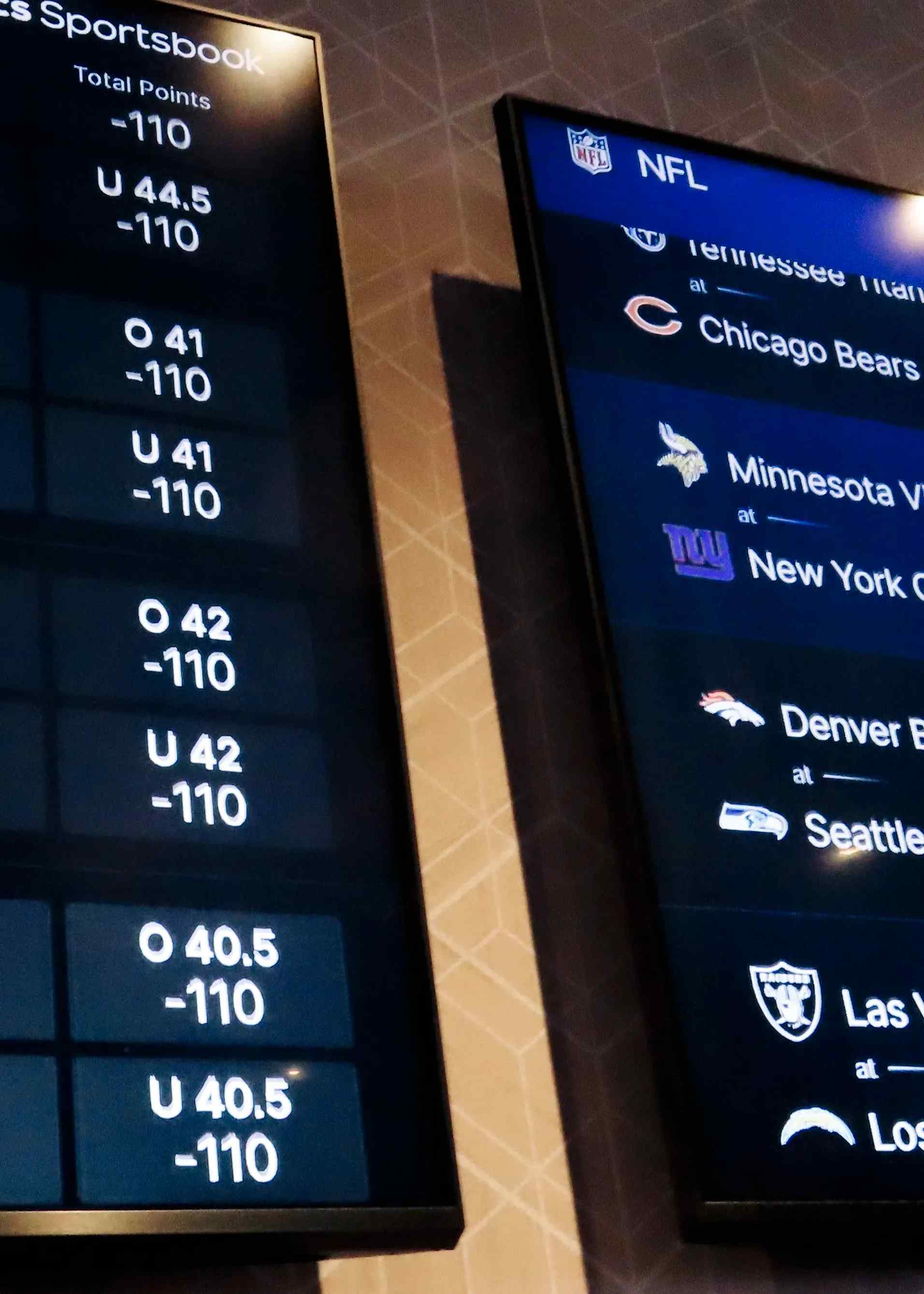
The underlying event itself can look identical. Using soccer as an example, both might offer: Arsenal vs PSG, Arsenal to Win. Sports betting sites would offer fixed odds, like -150. You'd then place a wager against the house.
Prediction markets use positions tied to that specific outcome instead. If a contract is priced at $0.70, the market is effectively implying Arsenal has a 70% chance to win. As sentiment shifts throughout the event cycle, prices move up and down in real time. During that period, you can choose to exit early (by selling) and lock in profit, even before settlement. Once the match officially ends, winning positions settle for $1, while losing ones expire worthless.
Another major difference is that prediction markets operate under a separate regulatory framework, meaning they don’t need a gambling license to operate. They are generally overseen as event-based derivatives markets under CFTC regulation.
➡️ Read more: The Hidden Dangers of Trading Low-Liquidity Prediction Markets
This is also why prediction markets can get into politics, economic data, government decisions, and other areas that state-regulated U.S. sportsbooks are not allowed to touch. A lot of these outcomes can depend on information held by relatively small circles of people.
In sports betting, unless something shady is happening, nobody actually knows who’s scoring first or how a match ends ahead of time. With prediction markets, though, someone close to a company, policy process, regulatory timeline, or industry event might already have a much better idea of what’s coming before the public does.
Insider information and market integrity
A major concern around prediction markets is their ability to turn privileged information into a tradable financial advantage. Those best positioned to benefit are often the ones who understand where an outcome is headed before everyone else.
If that edge comes from public information, no harm no foul. The concern starts when people sitting unusually close to the source gain access before everyone else. Some critics even point to cases where participants appeared able to influence or interfere with the underlying event itself, one case in point being the controversy surrounding the Paris weather market.
This starts looking very similar to insider trading debates in financial markets — getting meaningful details ahead of the wider public can quickly turn into a money-making opportunity. The difference is that traditional securities exchanges operate under decades of established regulation covering disclosure requirements, fiduciary duties, market manipulation, and the misuse of material non-public information. Several politicians are pushing to shape the rules surrounding prediction markets because, so far, the space remains far less mature from a legal and enforcement standpoint.

The national security debate
Perhaps most concerning is not the size of the profits involved, but what the allegations could mean for national security. Deebs, the pseudonymous head of investigations at Bubblemaps, warned in an interview with 60 Minutes that if market watchers can spot suspicious trading activity ahead of major events, America's adversaries may be able to as well.
"Just to put it plainly, this could be putting people's lives at risk," Deebs said. "Other adversaries may be using this information in order to plan their own strategy."
Is this actually unique to prediction markets?
Insider information concerns are hardly unique to prediction markets. Similar issues have long surfaced in stock trading, sports betting, cryptocurrency, and commodities.
Categories with Insider Trading Risk
| Category | Example | Can insiders profit from non-public information? |
|---|---|---|
| Corporate trading | Stocks, bonds | Yes. Entire insider-trading laws exist because confidential business developments can affect share prices. |
| Commodity & currency trading | Oil, wheat, foreign exchange | Yes. A few hours' head start on market-moving data is often worth millions in trading activity. |
| Sports wagering | NFL, NBA, soccer betting | Yes. Oddsmakers routinely adjust lines when new information (like injury reports and lineup changes) emerges. |
| Crypto trading | Tokens, exchanges, blockchain projects | Yes. Prices react within minutes of major announcements, rewarding those who know first. |
| Political betting | Elections, policy outcomes | Yes. The closer participants are to campaigns or government decision-makers, the more informational advantages can emerge. |
The next chapter for prediction markets
Too many controversies have put prediction markets in the spotlight for decision-makers to ignore. In March, the U.S. Commodity Futures Trading Commission launched an advance notice of proposed rulemaking, seeking public comment on which event contracts should be permitted and whether additional safeguards are needed.
At the same time, regulators have begun clarifying how existing rules apply in this space. CFTC Enforcement Director David Miller warned that traders who profit from confidential information obtained through their jobs or professional relationships could face liability under current law. The issue quickly moved from theory to practice this week when the U.S. Department of Justice charged a Google software engineer with using insider information to rig bets tied to Google's most-searched list on Polymarket.
The response is not coming solely from Washington. Kalshi, one of the industry's largest players, brought former FBI official Tyler Neff onto its surveillance team as it works to strengthen oversight across its exchange after a run of some of its biggest and most closely watched markets. That effort was on display recently when reports emerged that they referred former Congressman George Santos to federal authorities after allegedly detecting suspicious trading activity linked to his account on the platform.
Charlon Muscat is an established iGaming expert who entered the space in 2019 and went on to build a name across both casino and sportsbook content.
More Articles like this
Kalshi Wants Margin Trading. What Could Go Wrong?
Kalshi’s proposed margin system would let eligible traders put up less than the full value of some positions, freeing capital for other trades while also introducing a new layer of leverage and risk.

By Charlon Muscat
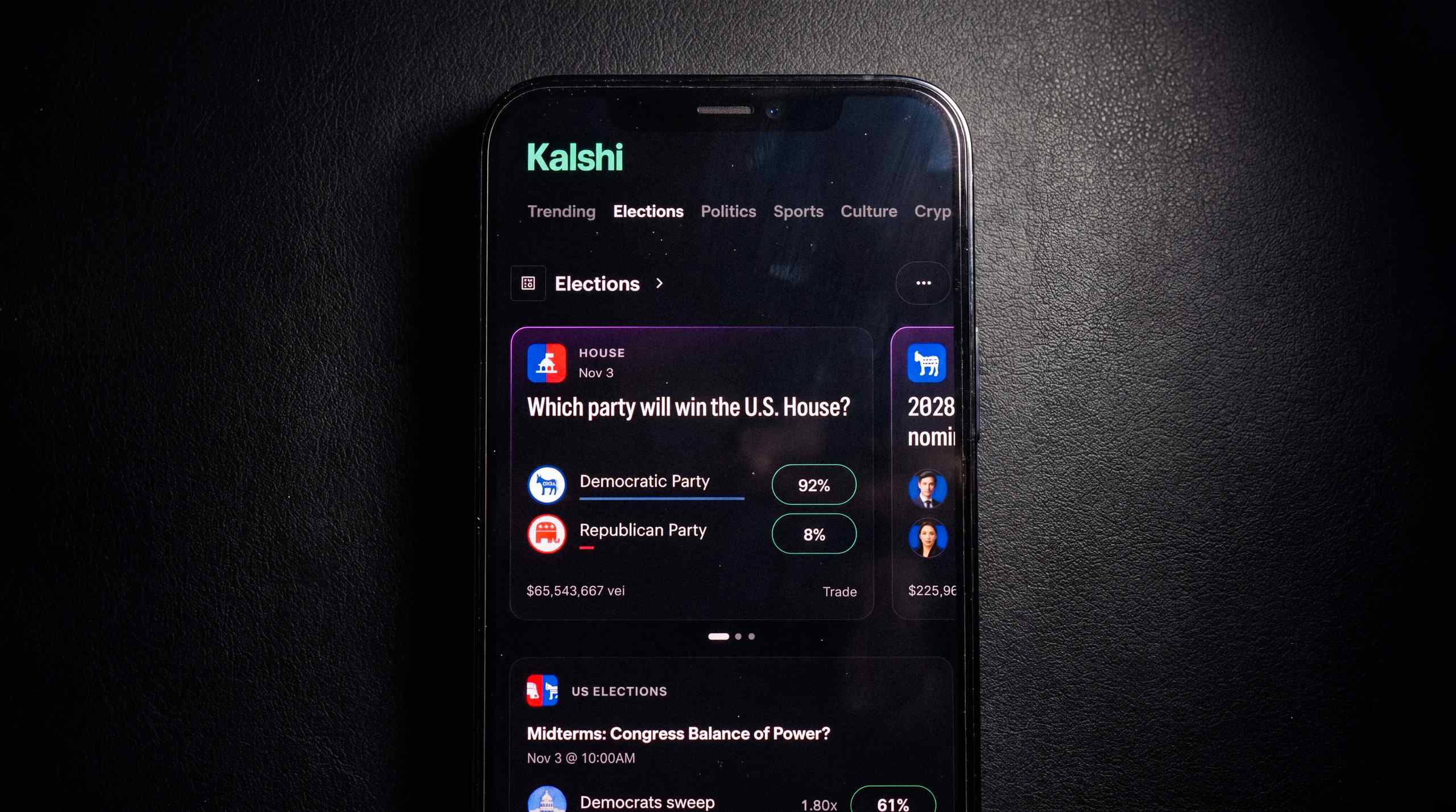
Kalshi, Polymarket Starting to Price the Midterms as Blowout
With just over five weeks to go, Kalshi and Polymarket now heavily favor Democrats for the House and give them the edge in the Senate.
By Stuart Hughes
Kalshi’s NFL Volume Is Exploding. Should Sportsbooks Be Worried?
The NFL season is barely underway, but prediction markets have already handled multiple billions in football trading volume. Is that enough to make sportsbooks nervous?

By Charlon Muscat
Best Prediction Market Apps of 2026
Compare the best prediction market apps and platforms for sports, politics and other events, ranked by market selection, fees, liquidity, user experience and availability.

By James Guill
Prediction Markets vs Sports Betting: Key Differences
Prediction markets vs sports books: odds, vig, trading vs fixed bets, legality by state, combos vs parlays. Which is better for sports bettors?

By Arthur Crowson
Sydney Sweeney to LeBron: Prediction Markets Bet on Star Power
Sydney Sweeney just became an equity partner at Novig. She joins a growing list of A-listers cashing massive checks from prediction markets, including LeBron James, Timothée Chalamet and many others.

By Cole Rush