

The Hidden Dangers of Trading Low-Liquidity Prediction Markets
Low-liquidity markets can be profitable for observant traders on prediction markets, but they come with high volatility and unpredictability that can cost you.

One of the biggest appeals of prediction markets is the ability to capitalize on markets that others aren’t paying attention to. Smaller, niche markets often feel like opportunities hiding in plain sight. If fewer people are trading, pricing is more likely to be wrong.
That’s partially true. However, the same lack of attention also creates risk. Low-liquidity prediction markets don’t behave the same as major betting markets or high-volume trading environments. Prices can fluctuate wildly, information may not spread evenly, and exiting a position may be difficult.
While low-liquidity markets can offer real value, they can also be the easiest to misread. Understanding how low-liquidity markets work is what separates a well-timed play from an expensive mistake.
What Liquidity Actually Means
Liquidity, in a traditional investing sense, refers to how easily you can convert an asset to cash without affecting its price. The same holds true for prediction contracts.
Three things impact liquidity:
- The number of traders.
- The amount of money actively being traded.
- The number of buyers and sellers at various price points.
For markets with high liquidity, there’s constant activity. Prices adjust quickly with minimal fluctuations, and it is easy to buy and sell contracts.
In low-liquidity markets, there are fewer traders, leading to greater price volatility and less stability. Sometimes a single order can cause a drastic price change.
Ultimately, market liquidity determines the reliability of pricing. In high-liquidity markets, also known as deep markets, prices more closely reflect consensus probability. In low-liquidity, or thin markets, prices may simply reflect the last trader’s activity.
Why Low Liquidity Creates Opportunity
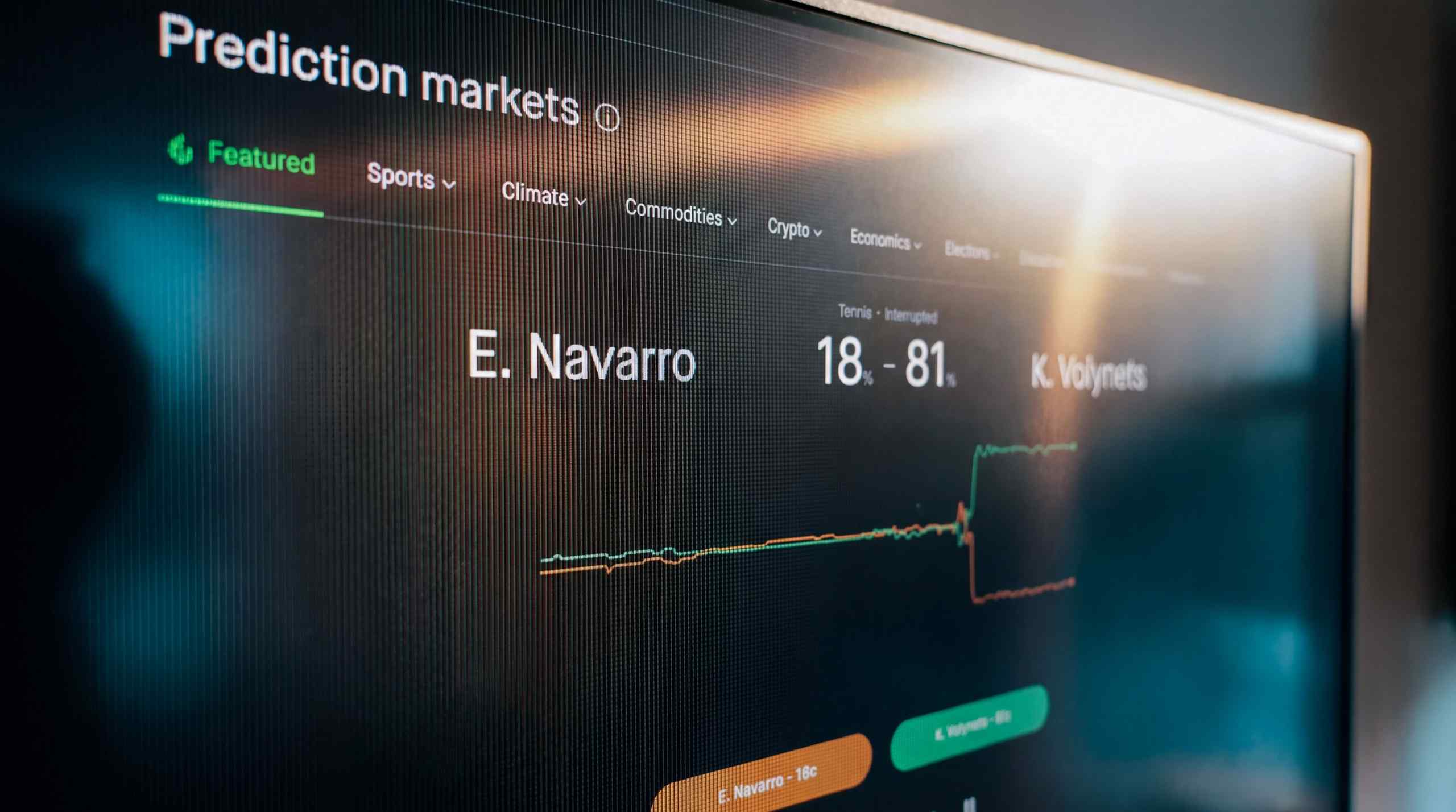
Traders often target thin markets to capitalize on inefficiencies. When there are fewer traders, mispriced contracts take longer to correct. Contract pricing often lags behind real-world developments, and information impacts price changes more slowly. In these instances, pricing often fails to reflect the actual probability.
Thin markets generally have fewer experienced traders. With high-volume markets on sites like Kalshi, there are numerous well-informed and experienced traders. There are also those using algorithms and programs to assist with trading. You also have more true gamblers in thin markets.
Smaller markets are also susceptible to timing. With thin markets, breaking news and data changes aren’t instantly reflected in pricing. Observant traders can take advantage of these delays.
In the end, the early bird gets the worm. When thin markets are wrong, those who act first get the best advantage.
Why It’s Also Dangerous
While inaccurate markets can create opportunities, they come with greater risks due to instability. Low-liquidity markets can be heavily influenced by relatively small amounts of money. A single large order can dramatically distort the market's perceived probability, even if nothing has changed in market conditions.
Also, you may have difficulty exiting a position. In low-liquidity markets, there may not be enough traders on the other side. Even if you are right, there’s not enough money to allow you to cash out, so you can’t lock in profits and are forced to hold positions.
Thin markets can also be highly volatile. Sharp price swings may have nothing to do with real-world events. Traders may enter a market after a dramatic swing just to find out that what they thought was market momentum was simply short-term volatility.
Thin markets may also suffer data quality issues. These markets may rely on localized data and less standardized reporting, which can negatively affect how outcomes are reported. Some markets may have ambiguous settlement criteria, creating contested results. This type of uncertainty is less common in deep markets.
Low-liquidity markets don’t just increase potential edge but also the likelihood of error. It can be difficult to determine whether a contract is mispriced or whether you’ve misunderstood the market entirely.
Real-World Examples
You can see the above dynamics in niche prediction markets. Weather-based markets are a good example. Contracts predicting specific temperature thresholds or rainfall levels often rely on localized data sources. Small discrepancies in measurement or reporting can impact outcomes, and trading volume is usually limited. Prices may not adjust immediately when forecasts change, creating both opportunity and uncertainty.
Localized or niche event markets behave similarly. Examples include regional political outcomes or milestones in a smaller ecosystem, such as the price of certain altcoins. These markets may have pricing gaps that persist longer than they would in more active markets.
Prop-style markets include trades tied to specific, narrow outcomes, such as whether a politician will say a certain word during an interview. They attract attention when first listed, but activity can drop off quickly, leaving prices more vulnerable to swings.
The pattern is the same in each case. Less liquidity can create opportunities and significant price movements, but not all of that movement reflects real information.

A Smarter Approach to Thin Markets
Low-liquidity markets aren’t something to avoid, but they do require a different approach. Position sizing is important. Smaller trades reduce your risk of being overly exposed to volatility.
You also need to plan your exit strategy. Before entering a position, consider whether you’ll be able to get out under realistic conditions. Also, question the underlying data. For thin markets, the reliability of the information driving the outcome matters more than in other markets.
Finally, don’t assume that inefficiency equals profit. Not every mispricing is an opportunity. Sometimes it’s a trap.
Conclusion
Low-liquidity markets are appealing to those seeking an edge. They offer the chance to find value where others aren’t paying attention. In some cases, that value is real.
However, those conditions also make them unpredictable. Pricing is less reliable, volatility is higher, and your ability to exit a position isn’t guaranteed. Ultimately, whether a low-liquidity market is good or bad depends on your ability to filter reality from noise. The factors that create opportunity are also the easiest ways to get burned.
James Guill is an experienced iGaming journalist with a diverse background spanning IT, poker, and online gambling media. With over 20 years in the industry, he’s covered a wide range of gaming topics and has been featured in outlets like USA Today and G4 TV.
More Articles like this
NBA Targets Risky Bets. Will Kalshi, Polymarket Play Ball?
The NBA is banning several easily manipulated bets at sportsbooks. But will Kalshi and Polymarket follow suit?

By Stuart Hughes
Kalshi Wants Margin Trading. What Could Go Wrong?
Kalshi’s proposed margin system would let eligible traders put up less than the full value of some positions, freeing capital for other trades while also introducing a new layer of leverage and risk.

By Charlon Muscat
Kalshi, Polymarket Starting to Price the Midterms as Blowout
With just over five weeks to go, Kalshi and Polymarket now heavily favor Democrats for the House and give them the edge in the Senate.
By Stuart Hughes
Kalshi’s NFL Volume Is Exploding. Should Sportsbooks Be Worried?
The NFL season is barely underway, but prediction markets have already handled multiple billions in football trading volume. Is that enough to make sportsbooks nervous?

By Charlon Muscat
Best Prediction Market Apps of 2026
Compare the best prediction market apps and platforms for sports, politics and other events, ranked by market selection, fees, liquidity, user experience and availability.

By James Guill
Prediction Markets vs Sports Betting: Key Differences
Prediction markets vs sports books: odds, vig, trading vs fixed bets, legality by state, combos vs parlays. Which is better for sports bettors?

By Arthur Crowson