
Wheel of Fortune's 'Bad' Wedge Math Is Worse Than It Looks
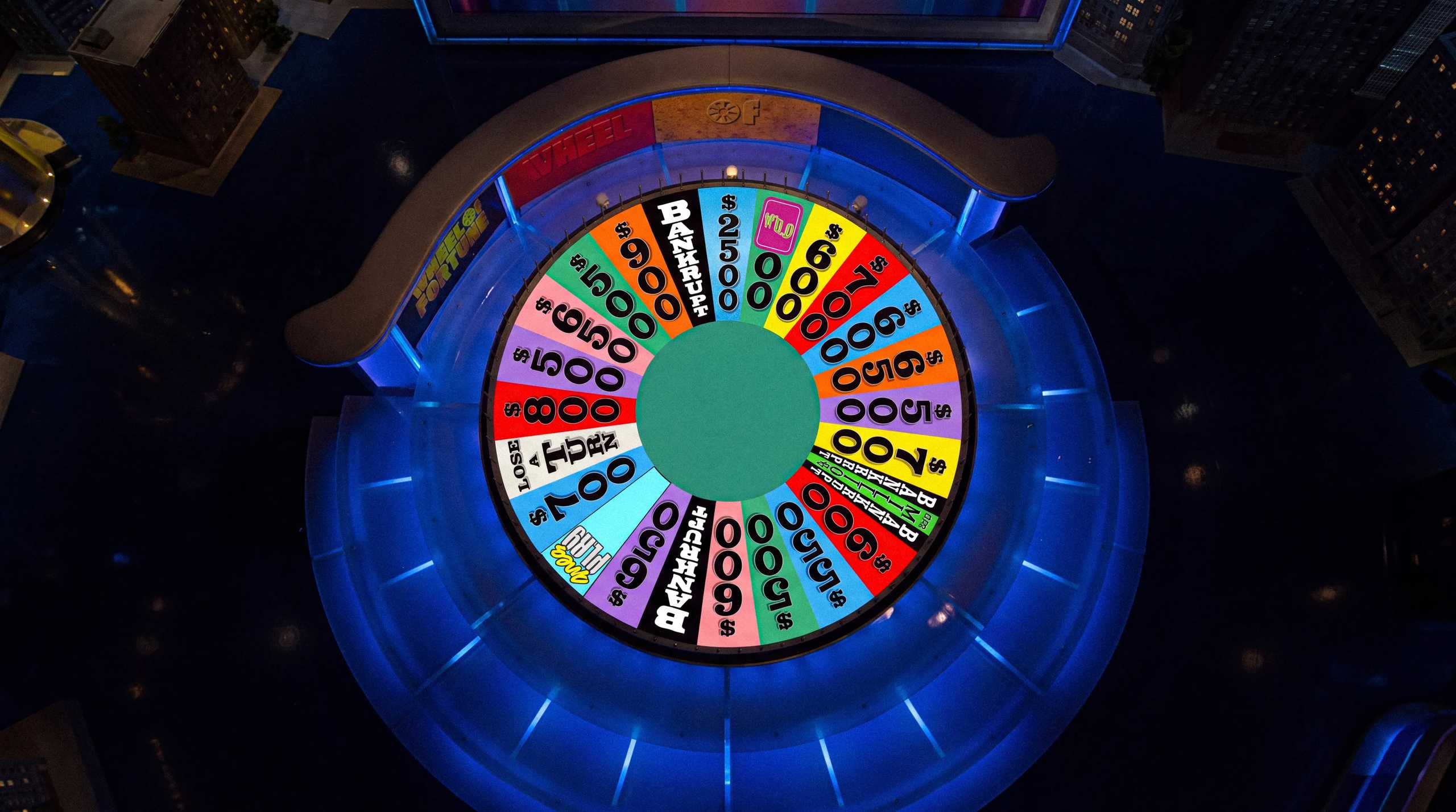
Two black wedges out of 24 sound like a minor annoyance. Run the numbers on Wheel of Fortune's wheel and disaster shows up a lot more than casual viewers assume, especially once a full episode's worth of spins piles up.
%20(1).webp)
WHEEL! OF! FORTUNE! Did you yell along with it like the audience does on the broadcast? I certainly did as I wrote the line. But there’s a more subtle line, uttered by the show’s host, that sparked my exploration into the iconic game show’s math.
"Should we have a conversation with this wheel?" Ryan Seacrest asked, half joking, after three straight contestants spun Bankrupt in the same round. The line got a laugh from the studio audience. It also got a chunk of the internet to do some math.
Fans have spent the past couple of seasons swapping stories about five, six, even seven-spin Bankrupt streaks and wondering if the wheel itself changed when the host did. It didn't. What changed is that more people started paying attention to how often that black wedge actually shows up, and it’s more often than the show's breezy pace lets on. This is the second stop in a look at the math hiding inside America's game shows, following a breakdown of Jeopardy!'s wagering strategy. Where Jeopardy! hands contestants a choice about how much risk to take on, Wheel of Fortune just hands them a wheel and lets physics (or fate, or a combination of both) decide.
The Wheel's Bad Wedges, By the Numbers
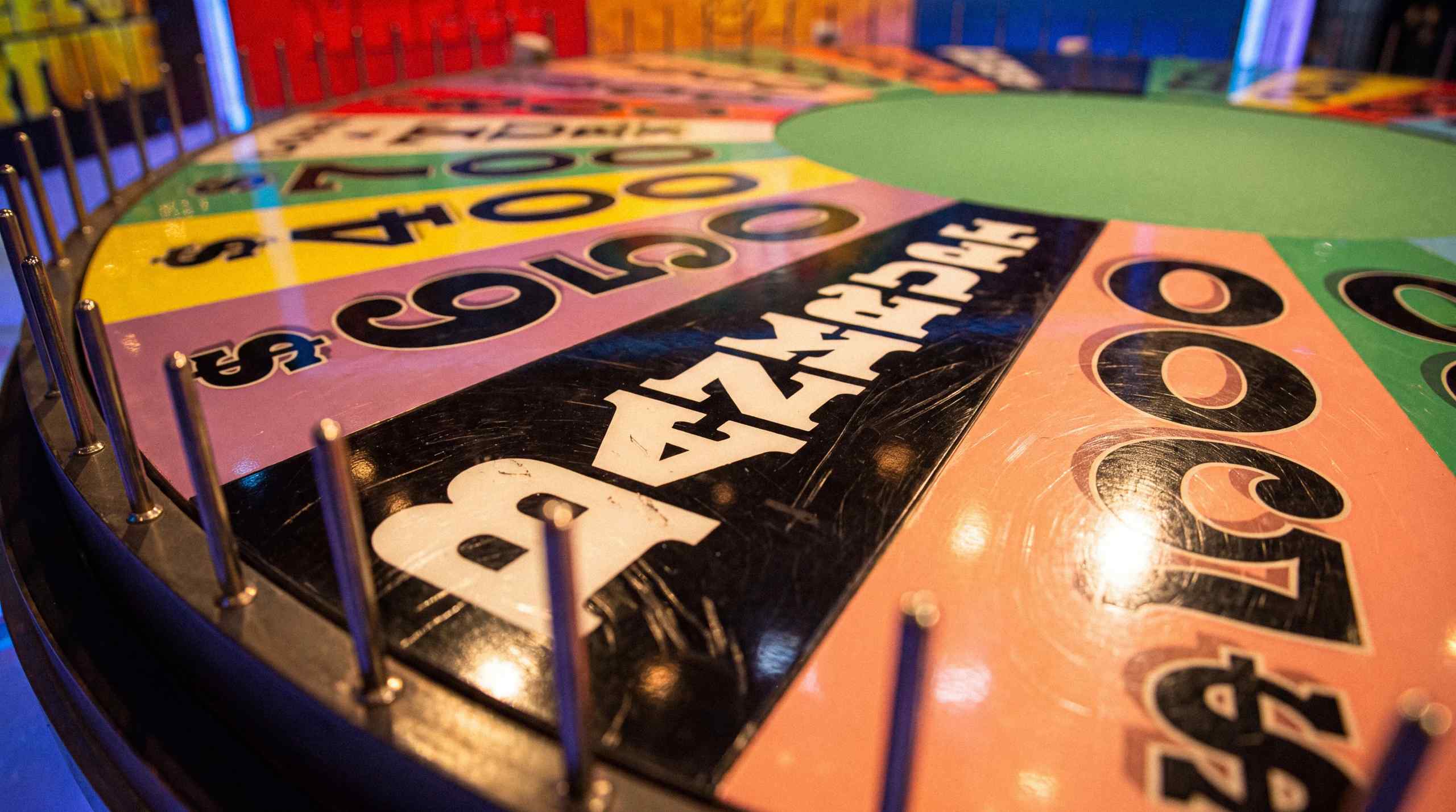
The wheel that anchors every episode carries two Bankrupt wedges, not one. That wasn't always the case. Before 2009, the wheel featured a single Bankrupt space in the first round. A second permanent Bankrupt wedge was added after the show's first million-dollar win, a deliberate move to raise the stakes and slow down runaway contestants, according to Collider's breakdown of the wedge's history. Landing on Bankrupt wipes out every dollar and prize earned in that round and ends the turn on the spot.
A separate wedge, Lose a Turn, does something gentler but still costly. It doesn't touch a contestant's bank, but it unceremoniously hands the wheel to the next player. The distinction matters for the math, since one wedge erases progress and the other just burns a turn.
Since Ryan Seacrest took over hosting duties in 2024, fans have latched onto the idea that Bankrupt outcomes spiked, a running joke some have dubbed the "Seacrest curse." The chatter got loud enough that TV Insider covered fans rallying around the idea that the wheel needed a rule change after watching contestant after contestant go bust. Nothing about the wheel's construction changed with the new host. What likely changed is visibility, since viral clips travel further than a quiet, uneventful spin ever will.
The Per-Spin Math
Two Bankrupt wedges out of 24 total spaces on the wheel put the odds of busting on any single spin at 2 in 24, or roughly 8.3%. Add the Lose a Turn wedge into a broader "something bad happens" bucket and the odds climb to 3 in 24, or 12.5%. That lines up with the premise that kicked off this piece: an 8 to 12% shot at disaster on every spin, and the math holds up.
An 8.3% chance doesn't sound alarming in isolation. It's a little worse than rolling a specific number on a 12-sided die. The problem is that contestants don't spin once. They spin repeatedly throughout a full episode, and each spin carries the same risk, regardless of what happened before.
How the Odds Stack Up Across a Game
Independent probabilities compound fast. Multiply the odds of avoiding Bankrupt by itself for every spin in a game, and the safe outcome erodes quickly even though each individual spin still favors the contestant.
Odds of Avoiding Bankrupt Across Multiple Spins
| Spins in a Game | Odds of Avoiding Bankrupt | Odds of Avoiding Bankrupt or Lose a Turn |
|---|---|---|
| 1 | 91.7% | 87.5% |
| 3 | 77.1% | 66.9% |
| 5 | 64.8% | 51.3% |
| 8 | 49.9% | 34.4% |
| 10 | 41.9% | 26.3% |
| 15 | 25.7% | 13.4% |
Eight combined spins across a game, a realistic tally once multiple contestants and multiple puzzles are factored in, is almost exactly a coin flip for staying Bankrupt-free. Push past that into a puzzle-heavy episode with 10 or more total spins and the odds tilt firmly against a clean run. That's the mechanism behind those brutal streaks fans keep noticing. They aren't rare glitches in the wheel or supernatural intervention in response to Pat Sajak’s retirement. They're what the math predicts will happen fairly regularly.
Why It Feels Like a Curse
Humans are bad at reading streaks. When three contestants in a row hit Bankrupt, it feels like the wheel is broken or the show is rigged against whoever's spinning. In reality, each spin is a fresh, independent event with the same 8.3% Bankrupt odds regardless of what the last five spins did. That instinct to see a pattern in randomness is the same one that fuels the gambler's fallacy, one of several mental traps that shape how people read chance-based games. A coin doesn't remember the last flip, and a wheel doesn't remember the last spin. Our brains do, and that’s the difference.
That doesn't mean the "curse" chatter is baseless noise. A run of three or four Bankrupts back-to-back is exactly the kind of low-probability cluster that shows up more often than intuition suggests once you're watching hundreds of spins across a season. Rare events happen constantly when there's enough volume behind them.

The Jeopardy! Comparison
Jeopardy's wagering math puts control in the contestant's hands. A Daily Double bettor decides how much of their bank to risk, weighing category confidence against the score gap. Wheel of Fortune offers no such choice. Every spin exposes a contestant to the same fixed odds whether they're up big or scraping by, and the wheel doesn't care how the puzzle is going. That structural difference is what makes the wheel's math feel harsher in the moment. Contestants can play a near-perfect round and still watch it evaporate on a bad spin.
The Takeaway
None of this makes Wheel of Fortune rigged or unfair. It turns it into a game with a built-in house edge, disguised as a friendly, colorful wheel, not unlike the wheel-based games that have skyrocketed in popularity at modern live casino game shows. Two black wedges out of 24 look small until they're stacked across a full episode of spins, and the coin flip this piece set out to test turns out to be almost exactly right. The wheel is just doing the math in the open, one spin at a time.
Cole Rush is a freelance writer, crossword constructor, and creative tinkerer with more than 10 years of experience writing about anything and everything. Cole’s primary area of expertise is the gambling industry, covering the expansion of sportsbooks and online casinos alongside emerging spaces like sweepstakes casinos and prediction markets.
More Articles like this
Are eBay's "Spin the Wheel" Listings Just Gambling?
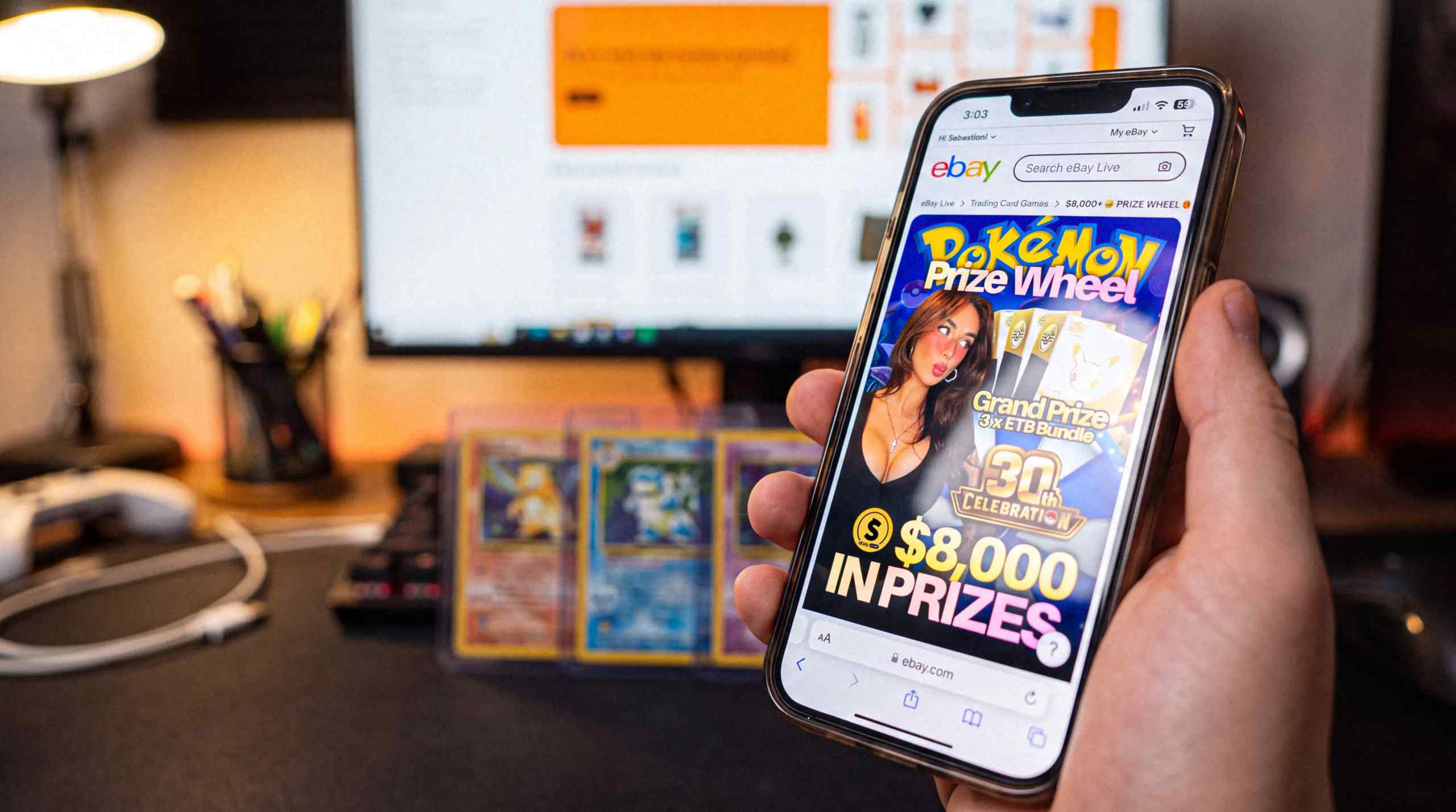
A corner of eBay Live auctions off wheel spins instead of actual items. Bid starts at $1, the price climbs, and the winner finds out what they bought only after the wheel stops. Here's why that's not really shopping.
By Cole Rush
Casino Carpets Are Ugly. But Not for the Reason You Think
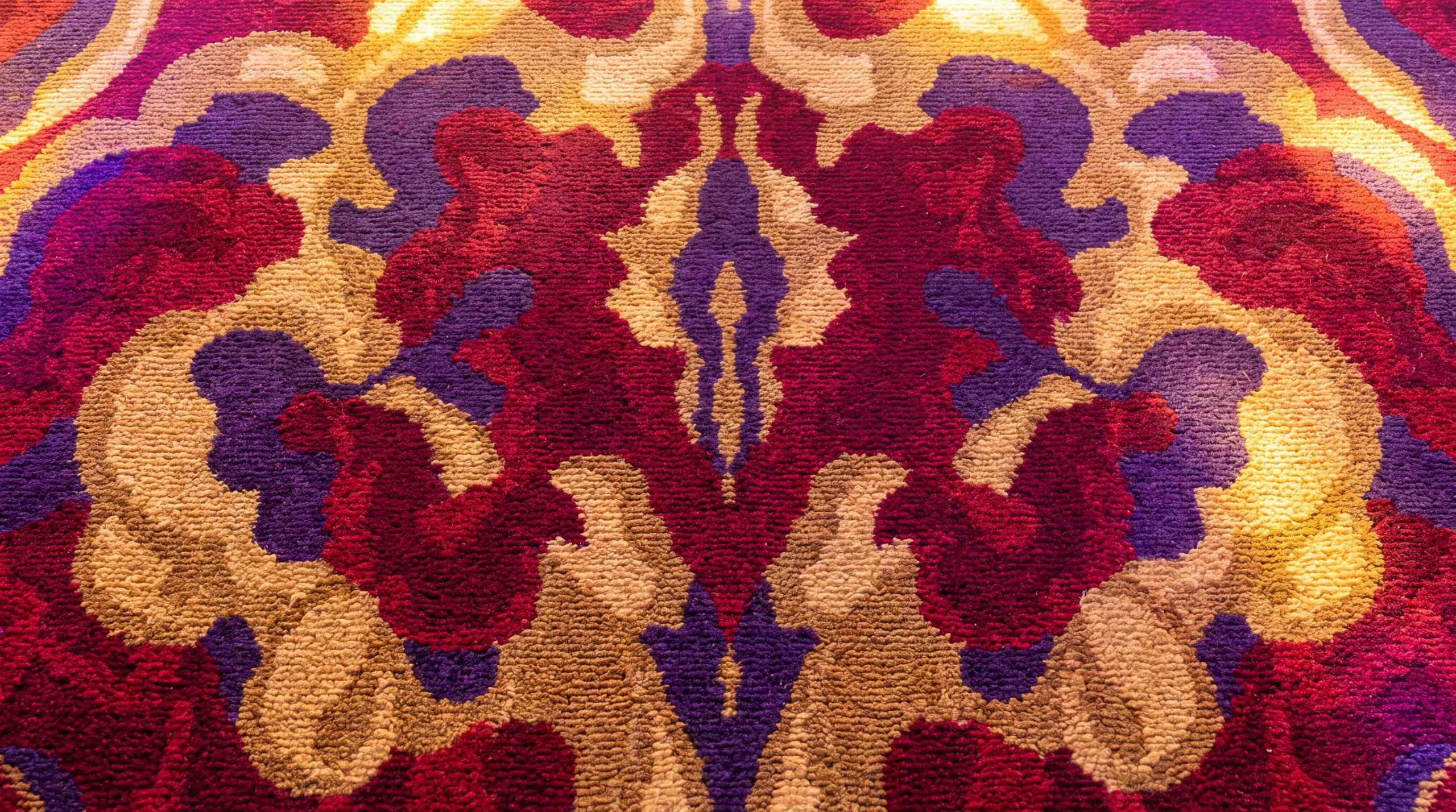
Casino carpets have long been accused of keeping gamblers disoriented and glued to the games. The truth is considerably more practical, though just as strange.
By Cole Rush
The Strange Gambling Laws Behind Cruise Ship Casinos
Cruise ship casinos only open once a ship clears territorial waters, and the odds, oversight, and rules that follow are nothing like a Vegas floor. Here's what actually changes at sea.

By Cole Rush
Six Reasons Bettors Are Starting to Ditch Credit Cards
States are increasingly questioning whether borrowed money has any place in gambling. From instant interest to damaged credit, the risks can extend far beyond the bet itself.

By Charlon Muscat
How Subscriptions Use Gambling Psychology to Hook You
Streaming services, apps, and subscription boxes may look nothing like a casino, but many tap into the same psychological forces that make gambling so hard to walk away from.

By Cole Rush
The Best Gambling Songs Ever Written, Ranked
From Kenny Rogers to Sting, these seven songs go beyond casino clichés to capture the risk, psychology and obsession behind gambling.

By Cole Rush