
Life’s a Gamble: Is Gold a Risky Bet After Stunning 67% Run?
Gold has a reputation as the safe gamble, the bet you make when you don't want to bet at all. A 67% year, a 45% crash, and a 20-year losing streak say otherwise. Here's what the actual numbers say about betting on shiny rocks.
%20(1).webp)
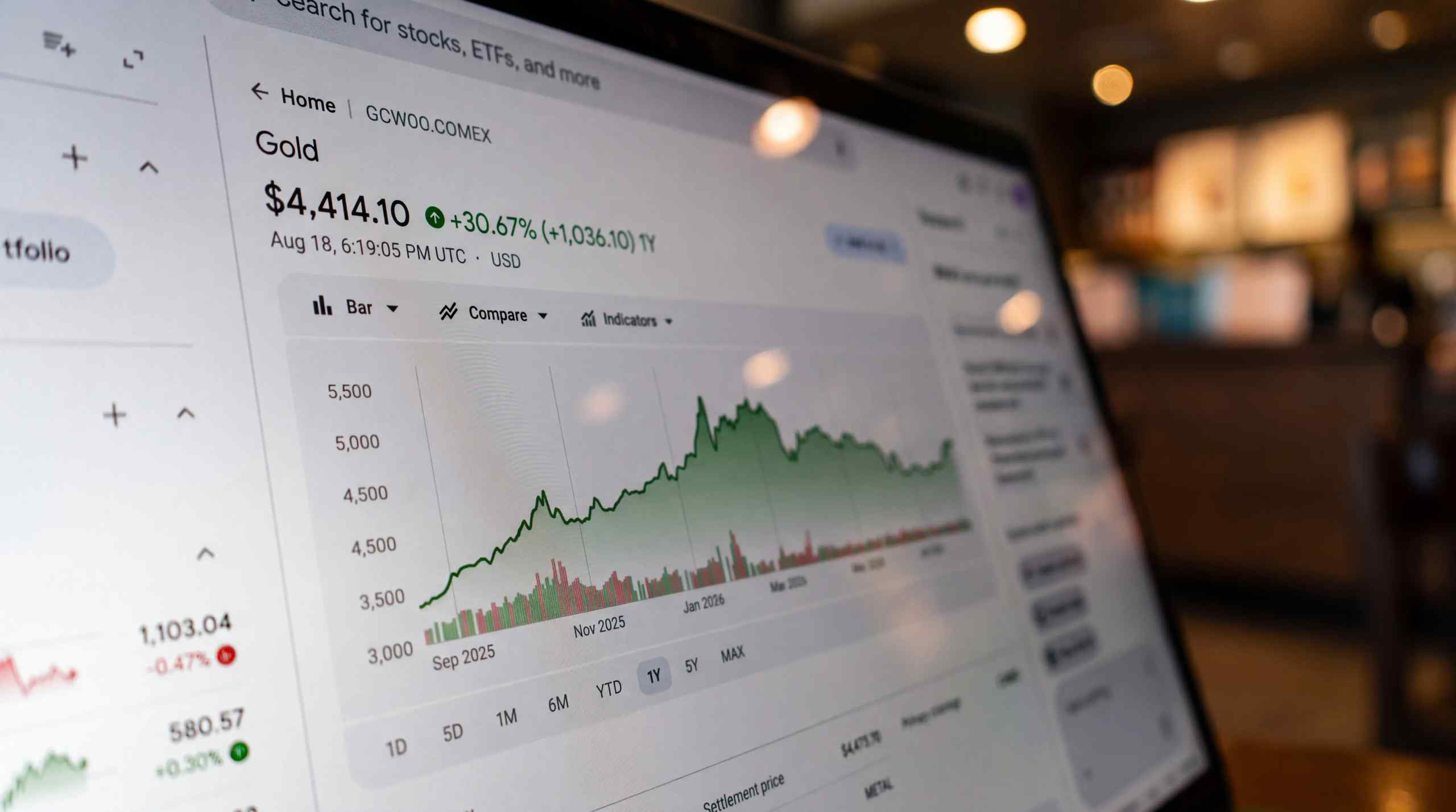
Gold closed out 2025 up roughly 67%, according to the World Gold Council, blowing through record highs at a pace of almost one a week and topping $5,000 an ounce for the first time in January 2026. Ask most people what precious metals are supposed to do, and the answer is something like "sit there quietly and protect your money." Assets that sit there quietly don't have 67% years. So which is it: a safe bet, or just a lucky break?
I get the instinct. Gold and other precious metals feel like the one asset category you can hold without explaining yourself. But that instinct is worth stress-testing the same way this site tests any other surprising reality about gambling. A bet doesn't become “safe” just because it's boring to talk about at parties.
The Case for Safe
Gold’s reputation isn't invented. Its real selling point is that it tends to move independently of, or opposite to, stocks during a crisis. In 2008, while the S&P 500 tanked more than 37%, gold still finished the year with a 2.6% gain. That's essentially how gold is billed: when everything else is on fire, gold is often the asset that isn't.
There's structural support behind that behavior too. Central banks in China, India, and Turkey have been steady, sizable gold buyers in recent years, building a demand floor that doesn't care what charts or trends say. Part of the 2025 run gets pinned on exactly this: emerging-market central banks diversifying away from the dollar, plus tariff and sanctions uncertainty pushing money toward an asset nobody's government can freeze or devalue by decree. Combine a crisis hedge with that kind of buying pressure, and you get an asset that has earned some of its "safe" reputation honestly.
The Case Against Safe
Here's what that reputation leaves out. Gold's 20-year average annualized volatility sits around 17%, per World Gold Council research. This puts it in the same neighborhood as the S&P 500's long-run average and well above it during acute shocks. Gold's realized volatility spiked above 50% in 2026 alone, driven by geopolitical tension, before settling back down. That's not a rounding error. That's a "safe" asset swinging harder than stocks do in a normal year.
Then there are the drawdowns. From 1980 to 1999, gold fell from $850 an ounce to $252, a 70% nominal decline that worked out to roughly an 85% loss in purchasing power once inflation is factored in. That's a two-decade losing streak. More recently, gold peaked near $1,999 an ounce in September 2011 and fell to about $1,049 by December 2015, a 45% crash that took four years to bottom out. Anyone holding gold through either stretch didn't experience a safe asset. They experienced a bad bet that eventually turned around.
Precious Metals Chart
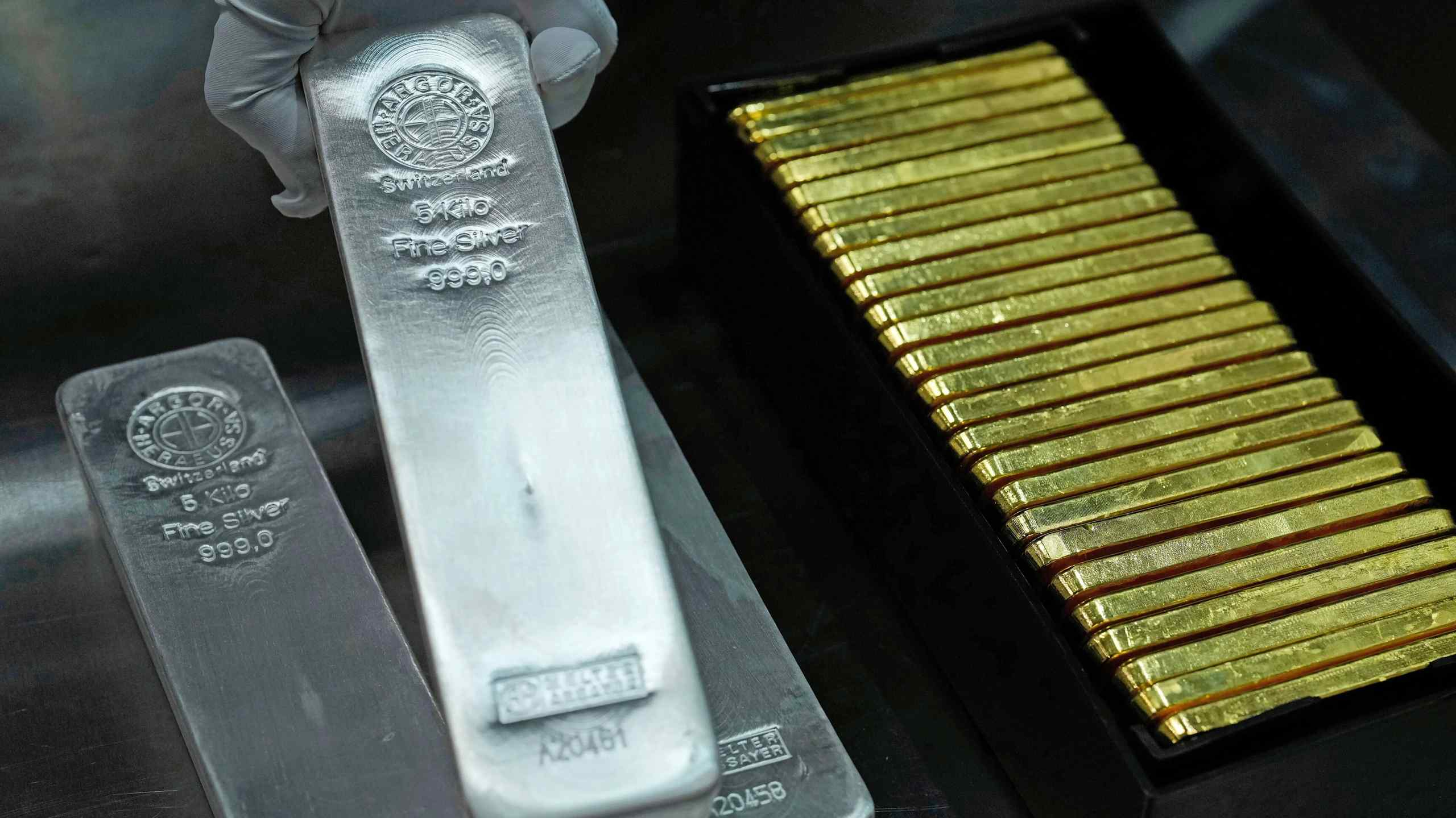
| Asset | Typical Annualized Volatility | Worst Documented Drawdown |
|---|---|---|
| Gold | ~17% (20-year average), spiking above 50% in crisis periods | -70% nominal, 1980 to 1999 |
| Silver | Roughly double gold's, ~106% realized volatility in 2026 | Tracks gold's crashes, amplified |
| S&P 500 | ~14% to 20% average, above 30% in corrections | -57% peak-to-trough, 2007 to 2009 |
Silver, the Same Bet Dialed Up
If gold is a volatile bet, silver is that bet with the stakes raised. Silver tends to track gold's direction but with bigger swings in both directions, since it's a smaller market with heavier industrial demand and less central bank support underneath it. According to BlackRock's 2026 market data, silver's year-to-date realized volatility ran around 106%, versus 46% for gold, more than double. Silver traded in a roughly $57 to $89 range across a single quarter this year. That’s too much movement for a purportedly “safe” bet.
So What Kind of Bet Is This, Really?
Precious metals pay off in specific, identifiable scenarios: currency stress, inflation shocks, a genuine flight to safety when other assets are falling apart. Outside of those windows, gold and silver can sit flat or bleed for years, and history says that's exactly what they've done, twice, in the last 45 years.
That makes precious metals a structurally different bet than the stock market or a sportsbook parlay, not a lower-risk version of either one. The mistake is calling it "safe" instead of "situational." Bettors who chase a hot slot machine because it just paid out are making the same mistake behind plenty of gambling fallacies: remembering the good years and skating past the two decades that weren't.
The Bottom Line
Gold and silver can be a smart piece of a portfolio, and the 2025 run was real money for people who held through it. But ‘safe’ is the wrong word for an asset that lost roughly 45% of its value after its 2011 peak and once spent nearly two decades underwater.” It's a legitimate wager with its own odds, its own triggers, and its own losing streaks, same as anything else on this site's radar.
Cole Rush is a freelance writer, crossword constructor, and creative tinkerer with more than 10 years of experience writing about anything and everything. Cole’s primary area of expertise is the gambling industry, covering the expansion of sportsbooks and online casinos alongside emerging spaces like sweepstakes casinos and prediction markets.
More Articles like this
Are eBay's "Spin the Wheel" Listings Just Gambling?
A corner of eBay Live auctions off wheel spins instead of actual items. Bid starts at $1, the price climbs, and the winner finds out what they bought only after the wheel stops. Here's why that's not really shopping.
By Cole Rush
Casino Carpets Are Ugly. But Not for the Reason You Think
Casino carpets have long been accused of keeping gamblers disoriented and glued to the games. The truth is considerably more practical, though just as strange.

By Cole Rush
The Strange Gambling Laws Behind Cruise Ship Casinos
Cruise ship casinos only open once a ship clears territorial waters, and the odds, oversight, and rules that follow are nothing like a Vegas floor. Here's what actually changes at sea.

By Cole Rush
Six Reasons Bettors Are Starting to Ditch Credit Cards
States are increasingly questioning whether borrowed money has any place in gambling. From instant interest to damaged credit, the risks can extend far beyond the bet itself.
By Charlon Muscat
How Subscriptions Use Gambling Psychology to Hook You
Streaming services, apps, and subscription boxes may look nothing like a casino, but many tap into the same psychological forces that make gambling so hard to walk away from.
By Cole Rush
The Best Gambling Songs Ever Written, Ranked
From Kenny Rogers to Sting, these seven songs go beyond casino clichés to capture the risk, psychology and obsession behind gambling.

By Cole Rush