

The House Always Wins: The Surprising Realities of Gambling
Short-term wins can make it feel like anyone can beat the system. Over time, the house edge, market efficiency, and behavioral mistakes stack up against nearly every player.
%20(1).webp)
I’ll let you in on a little secret to kick off this article: gambling is a business. Sure, you probably knew that deep down. Anyone who’s been to Vegas (or, heck, even seen a picture of it) knows that the glitz and glam are all backed by stacks of cash (and/or numbers in a bank’s computing system). Gambling is a business. Those four words reveal a stronger truth: most gamblers lose. If they didn’t, gambling businesses would all be destitute.
Another hidden truth is that gambling businesses have tons of tricks up their sleeve to make you feel like you’re a winner, even though, long-term, that might not be the case. Let’s dive into all of it: how the house edge creates a winning environment for the casino/gambling site, which behavioral mistakes lead to losing, why “smart” gamblers still fail, and how gambling can twist your perception of reality in the moment.
It’s Just Math: The House Always Wins
The header says it all, folks! The house edge is at the heart of all gambling products you’ll encounter. Online casinos, sports betting, slot machines, table games…they’re all bound by math to make the operator money over time. The house edge (in the casino world) or hold (in the sports betting world) will keep the business on the up-and-up.
In sports betting, the hold percentage is never clearer than on a total or spread bet where the odds are similar for each time. Odds of -110 imply a 4.5% advantage to the house. A real 50/50 shot would give you odds of +100 on either end, but the drop to -110 gives the sportsbook an advantage on both sides of the bet. As the odds move (even slightly), the sportsbook is guaranteeing itself a profit regardless of which side is the true winner.
Casino games have house edges that vary based on the game and player choices. In games like craps or blackjack with small elements of strategy, the house edge can be low. Baccarat’s banker bet has a house edge of around 1.06%. Single-zero roulette is 2.7%. Blackjack can be as low as 0.28% depending on the ruleset and number of decks.

The Real Numbers
The numbers don’t lie. Most gamblers lose. A UC San Diego analysis of more than 700,000 online gamblers showed that only 4% withdrew more money than they originally deposited. A whopping 96% of surveyed gamblers lost money.
Further, betting platforms—particularly those with low hold percentages like sportsbooks—will ban or limit frequent winners. This exacerbates the issue and increases loss percentages. Businesses can do this legally; they can block a winner’s account just because they’re winning.
Not convinced? There are plenty more numbers to consider. Sportsbook revenue in the U.S. reached nearly $17 billion in 2025. Much of that was driven by parlays, which are high-hold bet types. Some sources estimate parlays at 24.2% hold compared to the 4.5% on single-event bets. The promise of big potential wins from parlays also comes with more profits for the operators.
Common Gambling Products and House Edge
| Product | Typical House Edge | Notes |
|---|---|---|
| Straight sports bets (-110) | ~4-5% | Low edge but still negative |
| Parlays | 10%+ | Higher hold due to compounding |
| Same-game parlays | 15%+ | Value tends to be lower over time |
| Slots | 2.5-15% (can vary) | Determined by the game’s RTP percentage |
| American Roulette | 5.26% | Fixed edge |
Why Even “Smart” Gamblers Lose
Smart bettors can occasionally earn some money, but the cold, hard truth is that the system is built for all bettors to lose. Here are some of the reasons why.
Overestimating Edge
If a friend tells you they have an edge, they're lying to you as much as they're lying to themselves. Analyses of huge datasets of sports betting odds have found that no odds-based strategy can yield long-term profits. Some bets can have positive returns, but they aren’t consistent, and they won’t earn you a living.
Variance Is Misunderstood
Short-term winning streaks are entirely possible in any form of gambling. This is just variance at work. Wins can happen, even in quick succession. The reality? Those small streaks can make you feel like you’ve unlocked a secret, but all they're really doing is masking long-term losses. Humans are poor at processing randomness, and we often overinterpret the meaning of patterns. It’s easy to fall into the trap of assuming a small winning streak represents a larger success.
Market Efficiency
Sportsbooks set their lines to attract equal action on both sides of a bet. Line movements may be advantageous to the occasional lucky bettor, but they’re really functioning to make the sportsbook money. Mispriced lines are rare, especially at the big-name sportsbooks like DraftKings, FanDuel, BetMGM, Caesars, and others. They are well-oiled machines designed to make money.
Costs Add Up
No matter the type of betting, there are costs associated with it. In sports betting, some books charge fees for bets. The vig is built into the odds, so you’re essentially paying to place your bet even if there isn’t a concrete fee. Parlays and same-game parlays have even worse hold percentages than straight bets, baking in house edges of up to 30%. IT may not seem like much during a single bet, but those numbers add up over time.

The Psychology: Why People Keep Losing
I’ve spent a good chunk of this article explaining how gambling operators use the system to win. The slightly harder pill to swallow is that our psychological makeup can also lead us to lose while gambling.
Chasing Losses
Losing can sting, and gambling operators make it easy to move on to the next bet or game to recoup those losses. This is a fair emotional reaction, but it’s not advantageous from a behavioral perspective. Stay level-headed to make sound decisions.
Overconfidence
If I had a nickel for each of my buddies who has told me they’re “up on the year” in sports betting, I’d have at least 20 nickels, and those nickels would be worth more than those buddies have actually won. Overconfidence leads to warped perceptions of actual results and can also encourage risky bets.
Recency Bias
The psychology of recency in gambling is crystal clear. Most gamblers tend to overvalue recent results over historical ones. This applies to betting research (e.g., how a team is performing) and betting activity itself (e.g., “I’ve won my last four bets”).
Entertainment Framing
Gambling is built to be fun, and I encourage you to think of it that way. However, it’s also important to bear in mind how that framing works for the operators who stand to make money. If it’s “just entertainment,” you might be inclined to spend more. Set your limits and stick to them, even when faced with temptations like free play or odds boosts to rope you back in.
The Industry Is Designed This Way
None of this is accidental. It’s structural. The gambling industry is designed to make money, and it uses knowledge from other industries to maximize its potential to do so.
Sportsbooks and casinos both optimize for profit. Think of how casinos don’t have clocks. They light their spaces brightly to make it feel like the middle of the day, even when it’s actually 2 a.m. They give you vouchers when you win a slot game, instead of cash you can pocket and take home immediately.
Sportsbooks do the same thing, especially on your phone (where legal). Promotions are designed to promote high-margin behavior. Same-game parlays and unfavorable odds boosts are listed front-and-center on an app’s homepage. App design functions to keep you betting and (ideally for the operator).
If you know these things going in, it’s easy to curb the external behavioral nudges these businesses throw at you.
Is It Possible to Win?
A very, very small fraction of bettors are able to win long-term and make a living doing so. But there’s a reason most bettors have side hustles like YouTube channels or influencer sponsorships. Losing is baked into this tasty-looking cake, and the bakers want you to gobble it up.
Winning long-term at betting requires a ton of work, discipline, and (arguably most importantly) volume. You have to bet large sums backed by tons of research to make this work.
I won’t tell you it’s impossible, but I would encourage you to think about whether it’s worth your time.
Conclusion
The truth is simple and effective when you get down to brass tacks: most gamblers lose. It’s not even their fault (at least, not 100%) because gambling businesses build their model to fill their own coffers.
While short-term wins are possible and a select few knowledgeable bettors can make a living that way, the system favors the house, whether it’s a sportsbook, a casino, or an online betting platform.
The biggest mistake most gamblers make is misunderstanding the odds and their own perceived edge. Just remember: the house always wins.
Cole Rush is a freelance writer, crossword constructor, and creative tinkerer with more than 10 years of experience writing about anything and everything. Cole’s primary area of expertise is the gambling industry, covering the expansion of sportsbooks and online casinos alongside emerging spaces like sweepstakes casinos and prediction markets.
More Articles like this
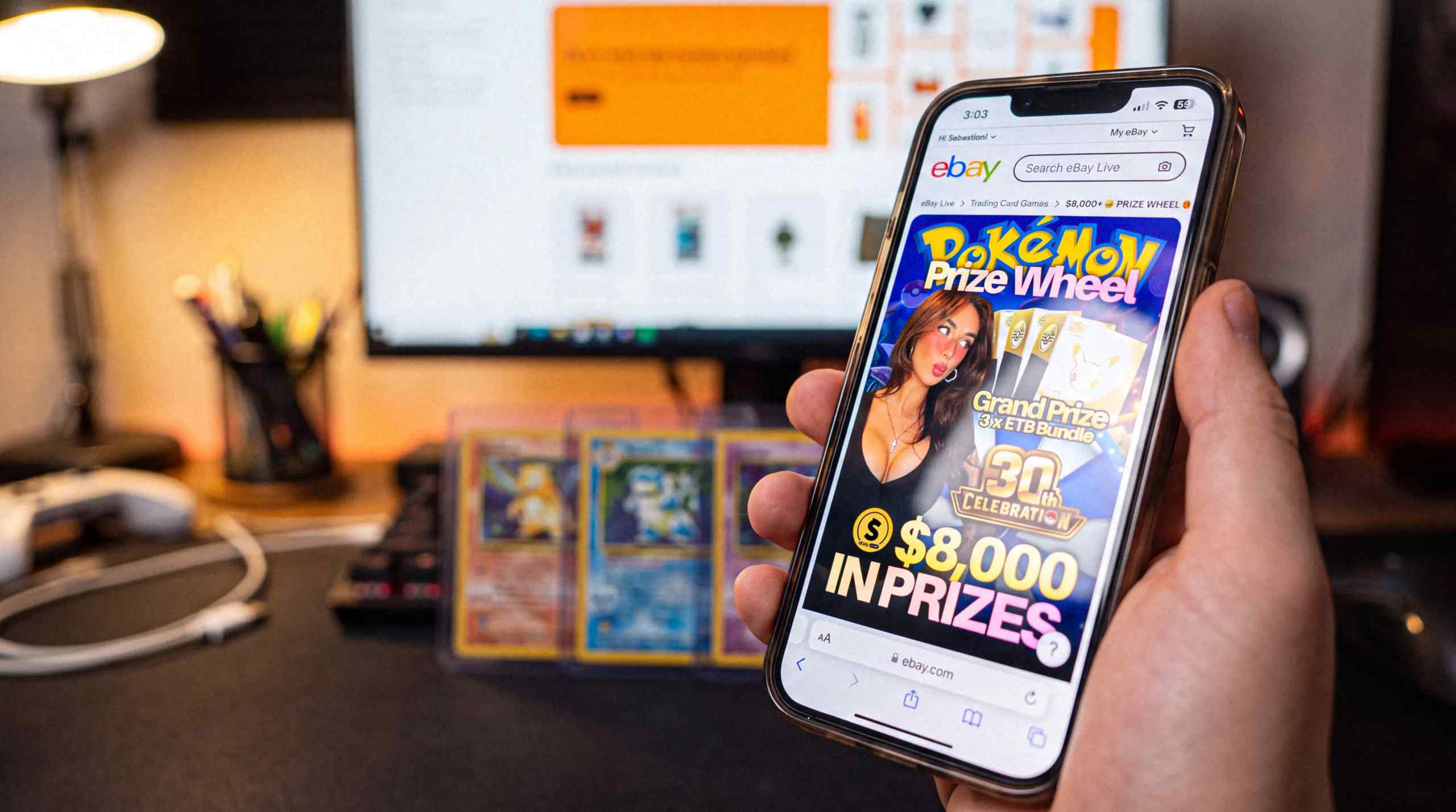
Are eBay's "Spin the Wheel" Listings Just Gambling?
A corner of eBay Live auctions off wheel spins instead of actual items. Bid starts at $1, the price climbs, and the winner finds out what they bought only after the wheel stops. Here's why that's not really shopping.
By Cole Rush
Casino Carpets Are Ugly. But Not for the Reason You Think
Casino carpets have long been accused of keeping gamblers disoriented and glued to the games. The truth is considerably more practical, though just as strange.

By Cole Rush
The Strange Gambling Laws Behind Cruise Ship Casinos
Cruise ship casinos only open once a ship clears territorial waters, and the odds, oversight, and rules that follow are nothing like a Vegas floor. Here's what actually changes at sea.

By Cole Rush
Six Reasons Bettors Are Starting to Ditch Credit Cards
States are increasingly questioning whether borrowed money has any place in gambling. From instant interest to damaged credit, the risks can extend far beyond the bet itself.
By Charlon Muscat
How Subscriptions Use Gambling Psychology to Hook You
Streaming services, apps, and subscription boxes may look nothing like a casino, but many tap into the same psychological forces that make gambling so hard to walk away from.

By Cole Rush
The Best Gambling Songs Ever Written, Ranked
From Kenny Rogers to Sting, these seven songs go beyond casino clichés to capture the risk, psychology and obsession behind gambling.

By Cole Rush