

Sports Leagues Want a Seat at the Table With Prediction Markets
The NBA and other pro sports leagues are pressuring the CFTC to give them more say over prediction markets to prevent manipulation.

Prediction markets allow traders to buy contracts on most major sporting events. The Commodity Futures Trading Commission (CFTC) regulates these markets and works diligently to prevent market manipulation.
In March, the CFTC opened a public comment period on proposed rulemaking for prediction markets. That period closed on April 30th, with over 1,500 individuals and businesses reaching out.
Several pro sports leagues and the NCAA reached out to the CFTC, requesting changes to markets. This includes raising the minimum age for trading and allowing leagues to provide input on the markets offered. Players' unions have also reached out asking for bans on what they call “negative contracts.”
Leagues Push to Raise Minimum Age Requirements
Prediction markets are typically open to anyone 18 or older, making them a much more accessible form of trading than sports betting. However, several professional sports leagues and the NCAA would like to see this changed. NBC News reported last week that the NBA, PGA, and NCAA have all petitioned the CFTC to raise the minimum trading age from 18 to 21.
According to a letter from the NCAA, keeping the minimum age at 18 “presents a significant risk of inducing college students — and potentially even high school students — to engage in these markets in a manner detrimental to their well-being and harmful to this country’s collegiate sports endeavors as a whole.” They also described prediction markets as having a “potentially addictive and harmful nature of wagering on sports.”
The NBA voiced similar concerns, stating that prediction markets “carries material risks” to young adults. Alternatively, they proposed restricting prediction market advertisements to adults aged 18 to 20.
Multiple Players' Unions Petition for Restrictions on Prediction Markets
On April 30, the players’ associations for the MLB, NFL, NBA, NHL, and MLS sent a joint letter to the CTFC requesting restrictions on prediction markets. The letter opened stating that members of various sports leagues experience threats and harassment from sports betting, both traditional and those who do so through prediction markets. They then made several requests.
1. A ban on contracts with a “negative” outcome or contracts that could be manipulated by one trader. These include contracts betting on whether a player is penalized or injured, or “mention contracts” where traders bet on whether words like “concussion” are spoken during live broadcasts.
2. Establishing a process to remove prohibited or problematic contracts.
3. Creating a list of bad actors that are banned from trading contracts so that leagues can consider banning them from games.
4. Requiring that all sporting venues enact policies punishing those who engage in prediction-market-related harassment.
You may notice that these requests focus on negative contracts and conduct that could be detrimental to athletes. They are not pushing for bans on markets, but are focusing on player safety, which the CFTC should support.
MLB and NBA Ask Leagues for Input into Market Contracts
Both the NBA and Major League Baseball have reached out to the CFTC, requesting input on prediction market contracts to prevent manipulation. NBA lawyer Dan Spillane sent a letter to the CFTC last week, asking that the league be given some say over which contracts are offered.
The letter also requested prohibiting contracts on injuries, officiating, fan behavior, player props, and transactions, as those “markets are readily susceptible to manipulation and/or improper use of confidential information and have a negative effect on perceived game and league integrity.”
Spillane continued by asking for a league review of event markets before public release, as leagues are “best positioned to judge which markets pose untenable integrity risks or are otherwise susceptible to manipulation.”
Major League Baseball made a similar request, seeking input on prediction markets, as they are “best placed to identify which markets related to their respective sports raise significant manipulation or insider trading concerns.”
These requests are reasonable, but the CFTC will likely not grant leagues full review powers over contract markets. However, I could see them agreeing to ban certain contract types, such as fan behavior, over concerns about manipulation.

Raising the Minimum Sports-Related Contract Age is a Good Idea
I’m going to take what’s going to be an unpopular stance and agree with the NBA and other leagues that the minimum age for sports-related contracts should be 21+. In many states, the minimum gambling age is 21. Raising the age to 21 aligns the market with traditional products.
Next, I also agree with the argument that allowing young adults to participate in prediction markets can be problematic. Some 18-year-olds are still in high school and working for minimum wage. Others are just getting started in college or a long-term job. The potential pitfalls of sports betting, even if it is “trading,” are potentially more dangerous at this age.
Preventing Market Manipulation is Wise
The good news is that sports leagues are not advocating against sports-related prediction markets. Instead, they are asking for input on markets that could be manipulated. While the ability to “bet on anything” is a novel concept, players will look for ways to manipulate it.
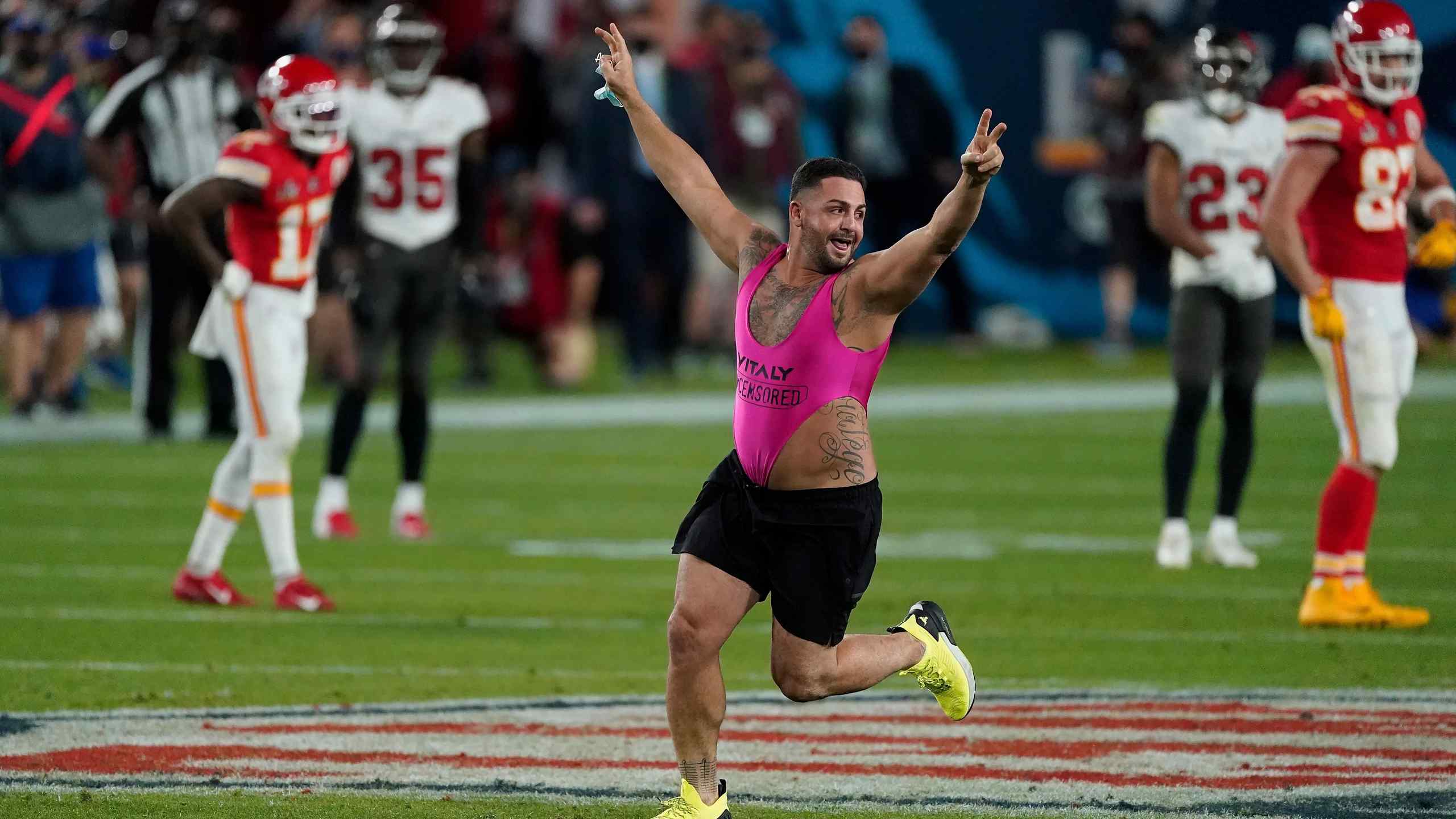
We’ve already seen examples of people trying to profit from props bets in traditional sports betting. Remember Yuri Andrade? He bet $50,000 that a fan would rush the field during Super Bowl LV and did so himself to try and win the bet.
It doesn’t take much imagination to envision how prediction markets could be manipulated in a similar fashion. That’s why leagues are asking for bans on contracts that pose a manipulation risk. I fully support this request and think the CFTC should consider it.
My proposal would be to institute a 24- to 48-hour review period for new potential contracts and assign a contract reviewer from each league. Either that, or have a 48-hour probationary period on newly posted contracts. If leagues object, those contracts are removed, and traders are refunded.
Whether the CFTC will actually listen to the requests made by the NBA and others remains to be seen. It would be wise for them to listen and form a partnership to help legitimize prediction contracts and provide greater protection and transparency for traders.
For more info, read our prediction markets vs sports betting guide.
James Guill is an experienced iGaming journalist with a diverse background spanning IT, poker, and online gambling media. With over 20 years in the industry, he’s covered a wide range of gaming topics and has been featured in outlets like USA Today and G4 TV.
More Articles like this
Kalshi Wants Margin Trading. What Could Go Wrong?
Kalshi’s proposed margin system would let eligible traders put up less than the full value of some positions, freeing capital for other trades while also introducing a new layer of leverage and risk.

By Charlon Muscat
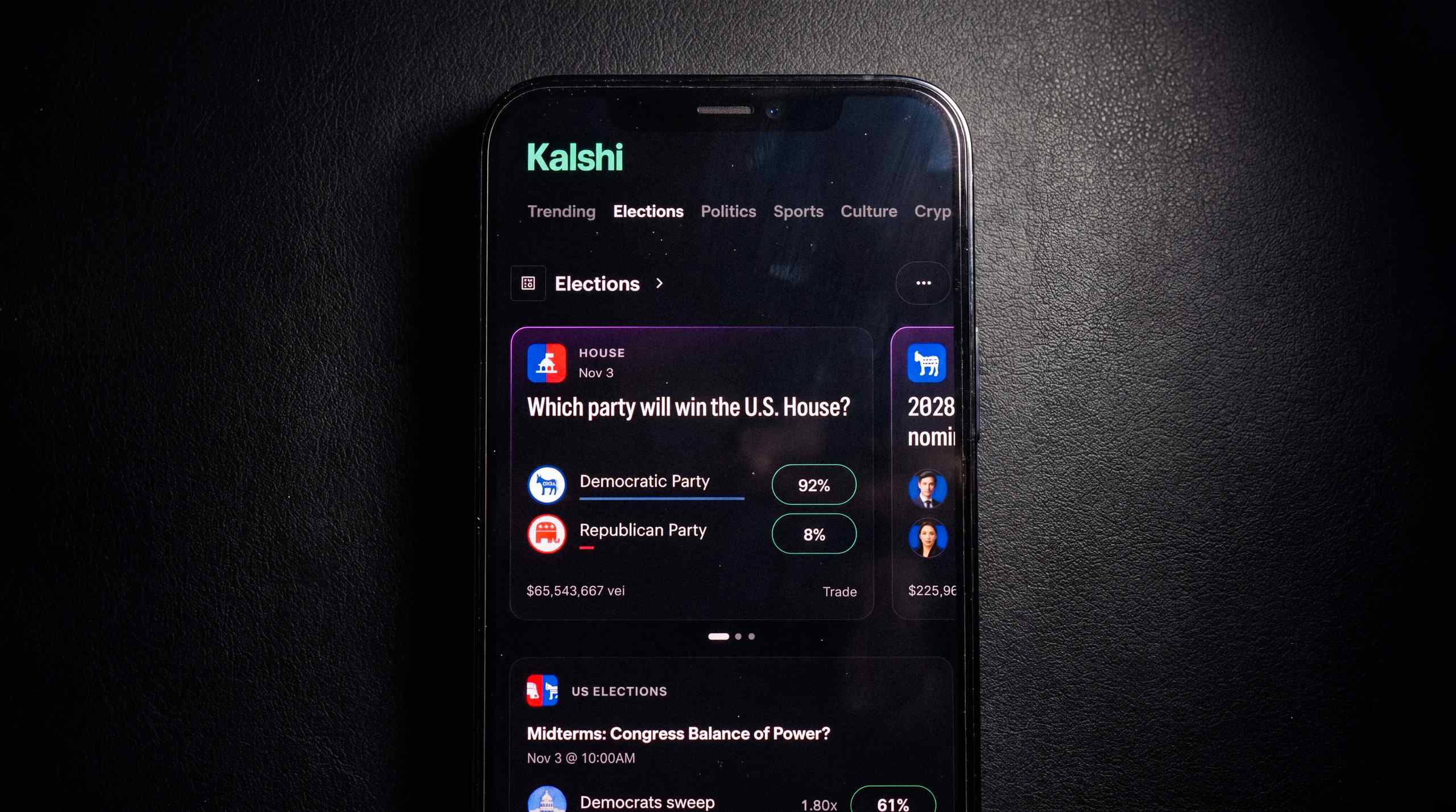
Kalshi, Polymarket Starting to Price the Midterms as Blowout
With just over five weeks to go, Kalshi and Polymarket now heavily favor Democrats for the House and give them the edge in the Senate.
By Stuart Hughes
Kalshi’s NFL Volume Is Exploding. Should Sportsbooks Be Worried?
The NFL season is barely underway, but prediction markets have already handled multiple billions in football trading volume. Is that enough to make sportsbooks nervous?

By Charlon Muscat
Best Prediction Market Apps of 2026
Compare the best prediction market apps and platforms for sports, politics and other events, ranked by market selection, fees, liquidity, user experience and availability.

By James Guill
Prediction Markets vs Sports Betting: Key Differences
Prediction markets vs sports books: odds, vig, trading vs fixed bets, legality by state, combos vs parlays. Which is better for sports bettors?

By Arthur Crowson
Sydney Sweeney to LeBron: Prediction Markets Bet on Star Power
Sydney Sweeney just became an equity partner at Novig. She joins a growing list of A-listers cashing massive checks from prediction markets, including LeBron James, Timothée Chalamet and many others.

By Cole Rush