
US Betting Barriers Dwindling During Trump’s Second Term
Trump’s second term hasn’t just changed politics. It’s turned prediction markets, sports betting, and crypto into America’s everyday risk economy.
.webp)
Gambling has been front and center in American life since the Supreme Court struck down PASPA in 2018 and unleashed legal sports betting.
What’s changed since Donald Trump’s second term began in January 2025 is that more of the remaining barriers are starting to lift: prediction markets are scaling into billion‑dollar engines of speculation, courts are testing how far they can go, and the line between betting and investing feels thinner than ever.
Prediction Markets Move Into the Mainstream
In early 2025, prediction markets were still a curiosity. Kalshi and Polymarket existed, but they appealed mostly to politics junkies, crypto‑native traders, and a slice of finance Twitter. Sportsbooks and DFS apps were still the main characters in the gambling story.
Fast‑forward eighteen months and the numbers tell a different story.
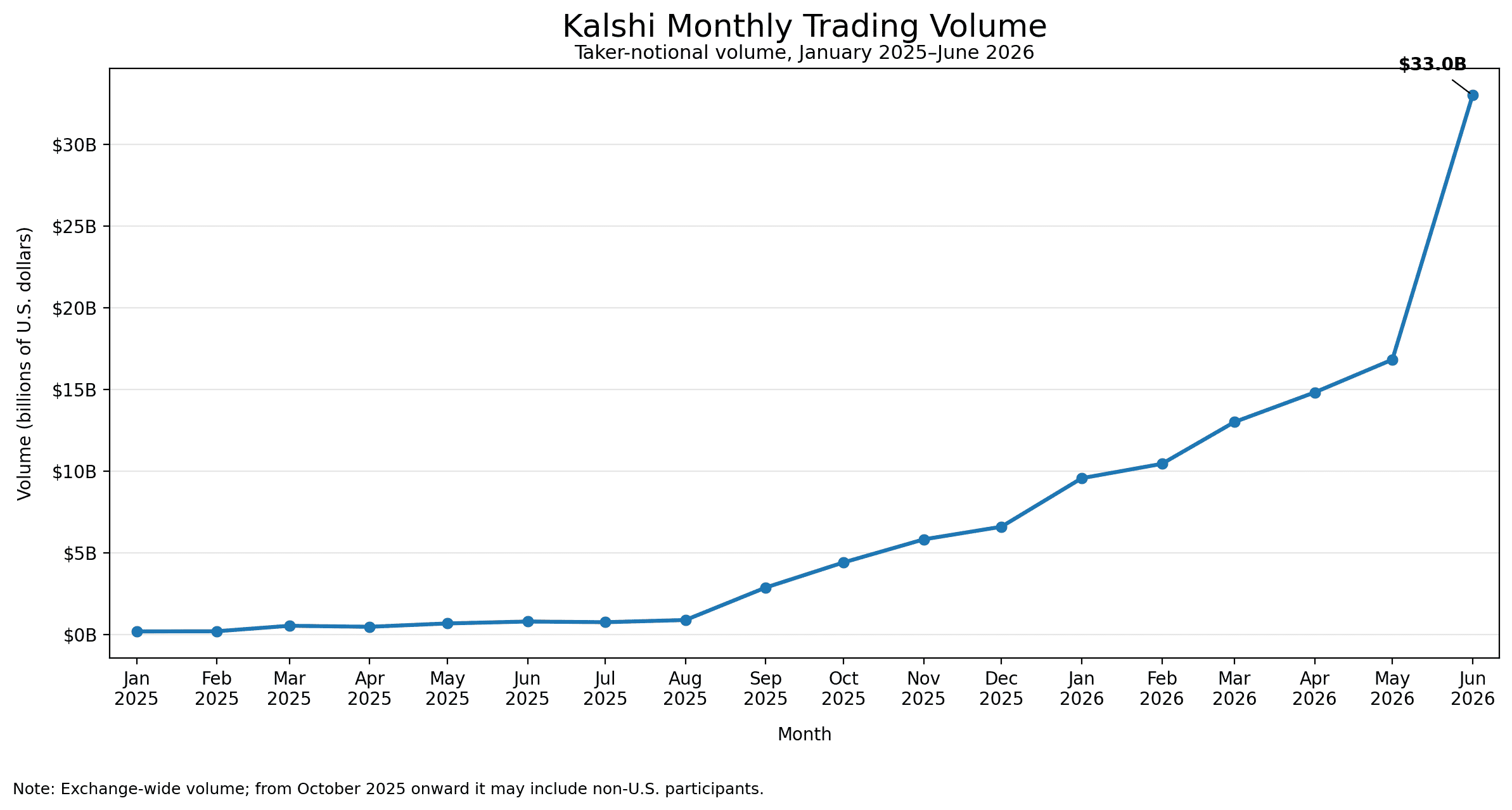
Analysts estimate that combined monthly trading volume on Kalshi and Polymarket was under the five‑billion‑dollar mark in late 2025. By April 2026, those same markets were pushing close to twenty‑four billion dollars in trading activity in a single month. That’s not a quirky side bet anymore — that’s a new pillar of the betting economy.
Polymarket crossed the 10‑billion‑dollar line on monthly volume for the first time in March 2026, after hovering at far lower levels just a year earlier. Kalshi has reported its own explosive growth, with mid‑2026 monthly volumes well into the double‑digit billions. Put simply: people are no longer just betting on who wins the game. They’re trading on elections, economic data, celebrity drama, and everything in between.
The Legal Fights Over “Gambling” vs. “Finance”
Prediction markets haven’t grown quietly in the background. They’ve become a legal battleground.
Since January 2025, regulators and judges have been wrestling with a deceptively simple question: are these platforms gambling sites, regulated like sportsbooks and casinos at the state level, or are they financial exchanges that sit under federal commodity rules?
On the federal side, Kalshi scored an early win when regulators dropped their appeal in the company’s election‑contract case, effectively allowing those contracts to move ahead. A New Jersey federal court followed with an injunction that stopped the state’s gaming authority from enforcing a cease‑and‑desist order against the platform. For a moment, the “prediction markets are financial products” argument looked ascendant.
Then the pendulum swung. In late 2025 and into 2026, Nevada judges pushed back hard, ruling that Kalshi falls under Nevada gaming rules and extending a ban that prevents it from offering sports‑event contracts without a state gaming license. New York added its own resistance when a federal judge refused to block the state from applying its gambling laws to Kalshi’s activity.
The counter‑weight arrived in April 2026, when a U.S. appeals court ruled that New Jersey regulators could not shut down Kalshi’s sports‑event contracts, emphasizing that federal commodities law preempts state gambling law when these products trade on a regulated exchange. Around the same time, a federal judge blocked Arizona’s criminal case against Kalshi at the request of federal regulators.
The result is a split picture that’s perfect for a feature: prediction markets have won big in some federal courts and hit real limits in others. They are both expanding and being told, “Not so fast.”
Passed Laws and Rulings Since January 2025
| Date | Law or ruling | In favor of betting companies? | Why it matters |
|---|---|---|---|
| May 2025 | CFTC moved to drop its appeal in Kalshi’s election-contract case | ✅ Yes | Strengthened Kalshi’s position after a court decision allowing election contracts |
| May 2025 | New Jersey federal court granted Kalshi injunctive relief against state enforcement | ✅ Yes | Helped Kalshi continue operating while its dispute with the state proceeded |
| November 2025 | Federal judge found Kalshi is subject to Nevada gaming rules | ❌ No | Major setback for the argument that federal regulation fully displaces state gaming law |
| April 2026 | Nevada judge extended a ban on Kalshi sports-event contracts without a gaming license | ❌ No | Reinforced Nevada’s effort to treat the platform like a gambling operator |
| April 2026 | Third Circuit ruled New Jersey cannot regulate Kalshi’s prediction market | ✅ Yes | Important appellate decision favoring federal preemption under commodities law |
| April 2026 | Federal judge blocked Arizona criminal case against Kalshi | ✅ Yes | Limited a state attempt to pursue criminal enforcement against the company |
| July 2026 | Federal judge rejected Kalshi’s bid to block New York gambling enforcement | ❌ No | Showed that the legal landscape remains split and unsettled |
Gambling Becomes Louder and More Public
Legal gambling wasn’t quiet even before Trump’s second term — but the last few years have made it feel unavoidable.
“The whole world, unfortunately, has become somewhat of a casino,” the President told reporters in the Oval Office on April 24, 2026.
Americans legally wagered more than $160 billion on sports in 2025, up from just a few billion when PASPA fell in 2018, and online betting now accounts for nearly the entire revenue share. Betting isn’t just happening; it’s happening on phones, everywhere, all the time.
Advertising and social media reflect that shift. U.S. gambling brands were pushing an average of 237 betting‑related ads per day across X, Instagram, TikTok, and Facebook ahead of the NFL season, with more than 1,600 ads in a single week from four operators alone. Even as TV gambling ad units have come off their 2021 peak, digital feeds have picked up the slack, making odds, parlays, and betting offers part of the normal scroll.
The Blurring Line Between Investing and Betting
The biggest change may not be “more gambling” so much as “more speculation across everything.”
The same person who trades NFL outcome contracts on a prediction platform might flip over to a crypto exchange, then into a stock‑trading app, all in one sitting. The tools look similar. The language (edge, upside, alpha) is shared. The emotional experience is, too.
Prediction markets sit in a strange middle space. On one hand, they’re framed as informational markets that surface expectations about real‑world events. On the other, a huge portion of activity clearly comes from people who experience them as straight bets, not as portfolio tools.
That tension is exactly why courts and regulators care. If these products are treated as federally regulated event contracts, they can be offered broadly, including in states that haven’t warmed to traditional sports betting.
If they are treated as gambling, they face stricter, patchwork state rules, marketing limits, and licensing requirements. Either way, for the end user, the sensation is increasingly similar: using a speculative market to turn a view about the world into potential profit.
Where Trump’s Second Term Fits In
It would be inaccurate to claim Trump alone turned America into a nation of bettors.
The key forces behind the modern U.S. gambling landscape were already in motion: the Supreme Court decision that opened the door to legal sports betting, the pandemic push toward app‑based everything, and the rise of retail investing and crypto during the last decade.
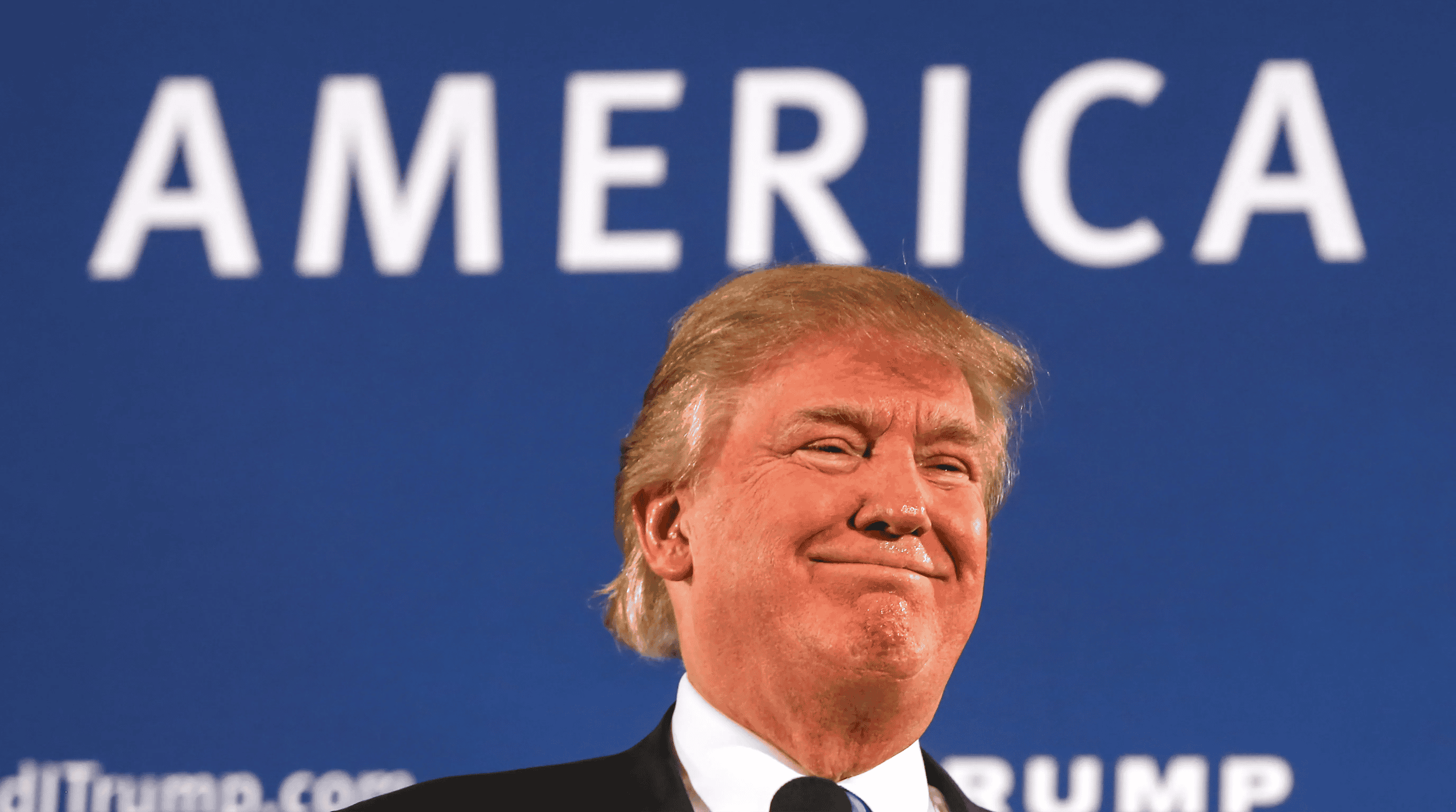
What Trump’s second term does offer is a political and cultural backdrop for the acceleration. The administration’s regulators have shown more willingness to treat prediction markets as financial infrastructure rather than pure gambling. Let's not forget that his oldest son, Donald Trump Jr., is an adviser to Kalshi and an investor in Polymarket.
At the same time, this period has seen more visible clashes between federal agencies and state regulators over who gets to draw the line.
Put that against a media environment saturated with gambling‑adjacent content, and you get a landscape where betting feels not just allowed, but expected.
Lucie brings almost 20 years of iGaming experience, combining sports writing expertise with deep casino knowledge. Her work spans live sports coverage, slot mechanics, player-focused reviews, and strategic casino content. Known for her no-nonsense, first-hand approach, Lucie cuts through jargon to deliver clear, practical insights for both operators and players.
More Articles like this
Kalshi Wants Margin Trading. What Could Go Wrong?
Kalshi’s proposed margin system would let eligible traders put up less than the full value of some positions, freeing capital for other trades while also introducing a new layer of leverage and risk.

By Charlon Muscat
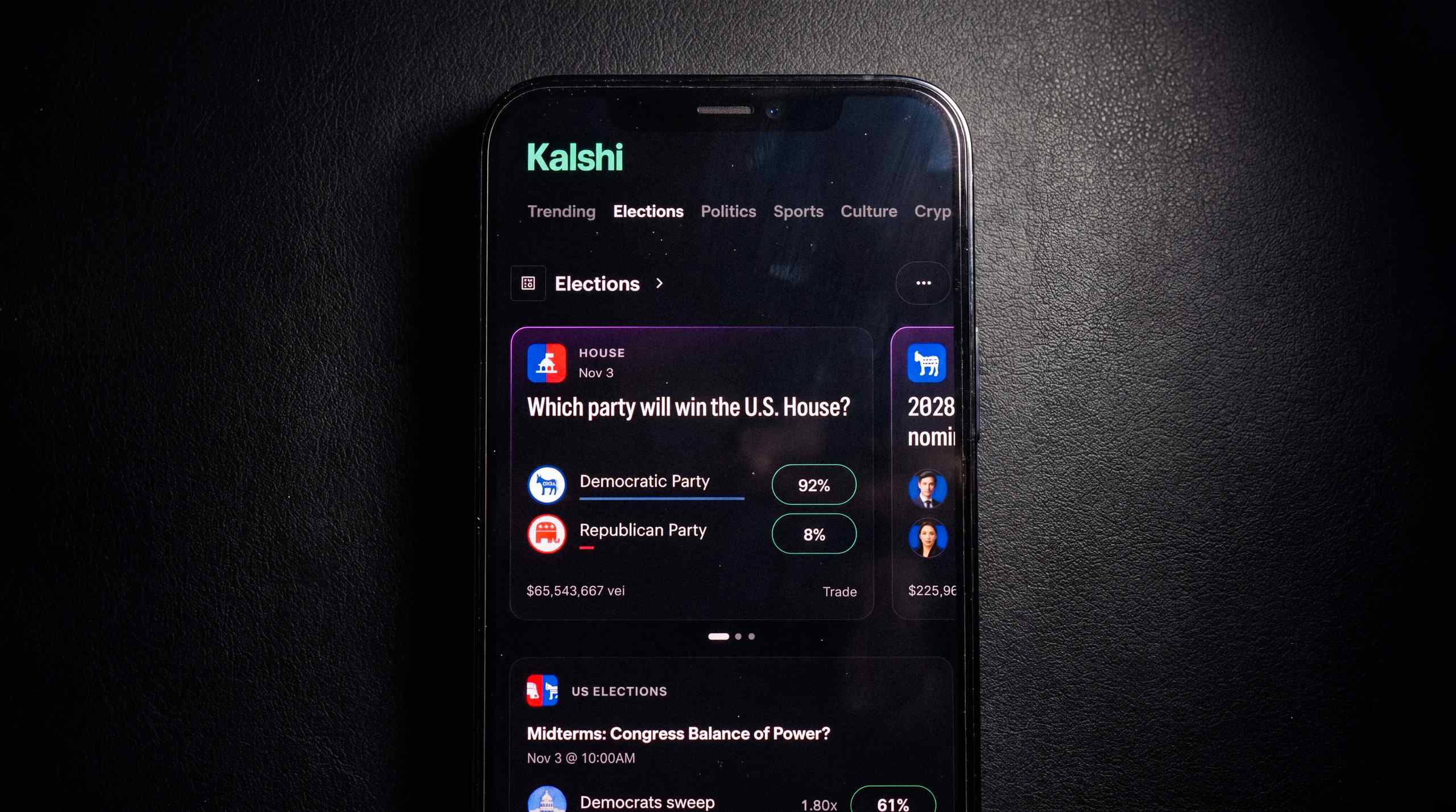
Kalshi, Polymarket Starting to Price the Midterms as Blowout
With just over five weeks to go, Kalshi and Polymarket now heavily favor Democrats for the House and give them the edge in the Senate.
By Stuart Hughes
Kalshi’s NFL Volume Is Exploding. Should Sportsbooks Be Worried?
The NFL season is barely underway, but prediction markets have already handled multiple billions in football trading volume. Is that enough to make sportsbooks nervous?

By Charlon Muscat
Best Prediction Market Apps of 2026
Compare the best prediction market apps and platforms for sports, politics and other events, ranked by market selection, fees, liquidity, user experience and availability.

By James Guill
Prediction Markets vs Sports Betting: Key Differences
Prediction markets vs sports books: odds, vig, trading vs fixed bets, legality by state, combos vs parlays. Which is better for sports bettors?

By Arthur Crowson
Sydney Sweeney to LeBron: Prediction Markets Bet on Star Power
Sydney Sweeney just became an equity partner at Novig. She joins a growing list of A-listers cashing massive checks from prediction markets, including LeBron James, Timothée Chalamet and many others.

By Cole Rush