
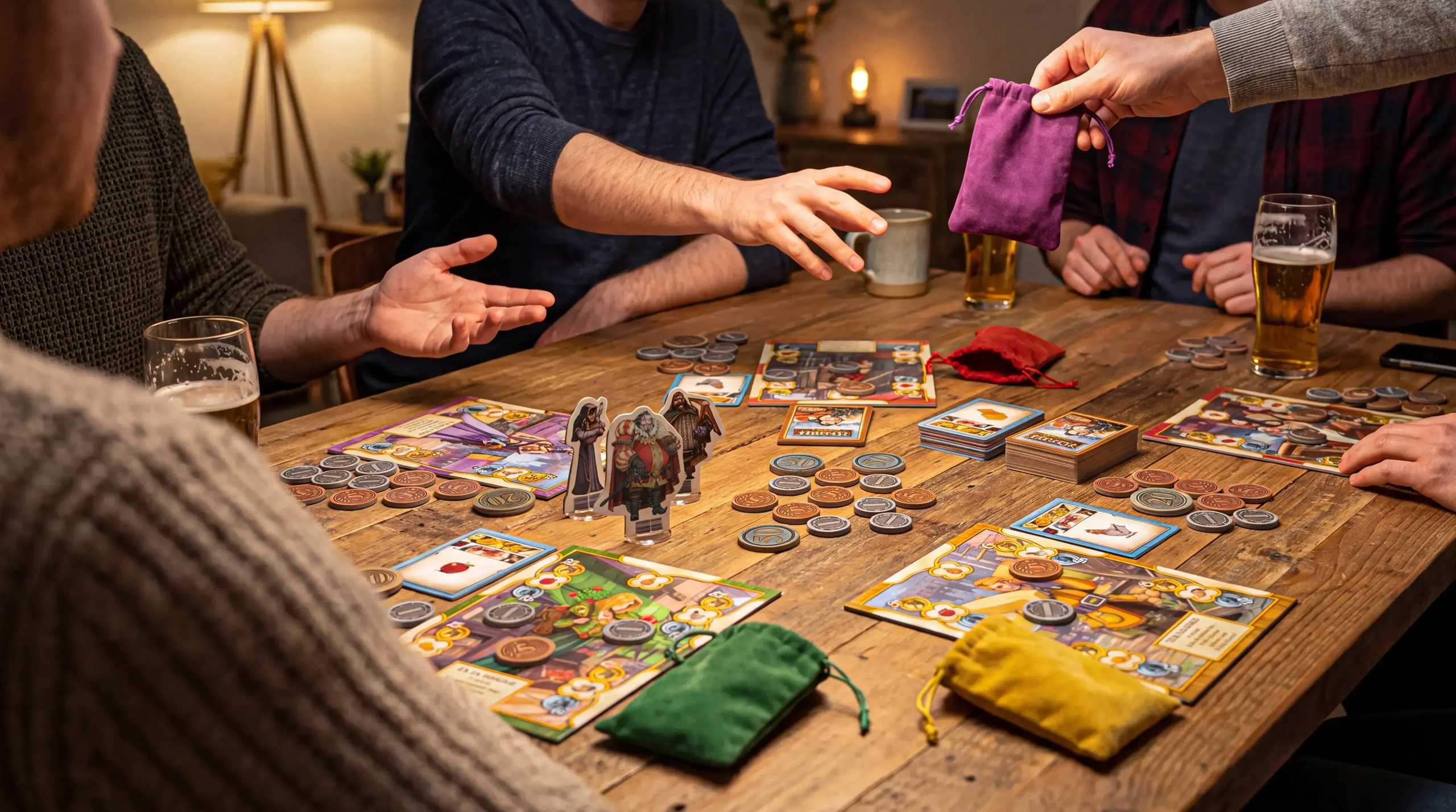
Life’s a Gamble: How Board Games Borrowed Bluffing and Risk
Gambling is everywhere, including your game table. These board games capture and repackage gambling mechanics in new contexts.
%20(1).webp)
If you want to gamble, you can usually find an online or sweepstakes casino to play. Sports betting is legal in more than 30 states. But you can also take it to your living room and whip out a board game that injects the fun of gambling into its rules.
If you’re a gambler at heart and want to turn those skills into epic wins against your friends, you might want to give these board/card games a try.
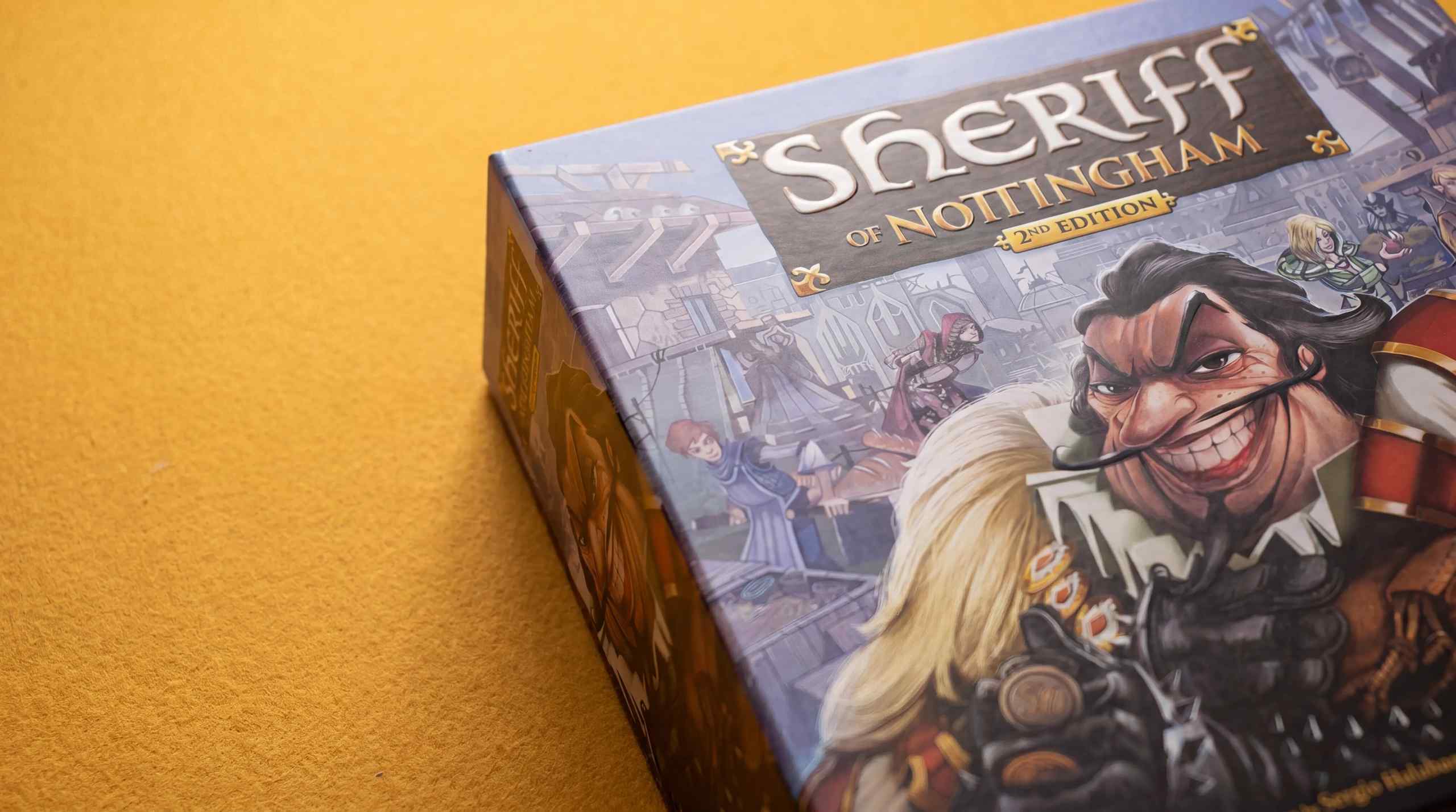
Sheriff of Nottingham: The Business of Bluffing
In Sheriff of Nottingham, your goal is to smuggle dangerous goods into Nottingham. Players take turns playing as the Sheriff. Each player puts a number of cleared goods into their bag, plus, if they desire, a few dangerous products such as a crossbow or a counterfeit. The Sheriff then decides whether to “inspect” a player’s bag. Here’s the catch: players can lie, bribe, or misdirect the Sheriff to avoid an inspection. It’s a bluffing game that hinges on your poker face.
Every turn you take as a player hinges on your ability to bluff your way into town with more valuable goods or know when to play things straight. As the Sheriff, you have to read your opponents well and find those who are trying to pull a fast one. Think of Sheriff of Nottingham like poker, but with less math and more lying. That’s the dream!
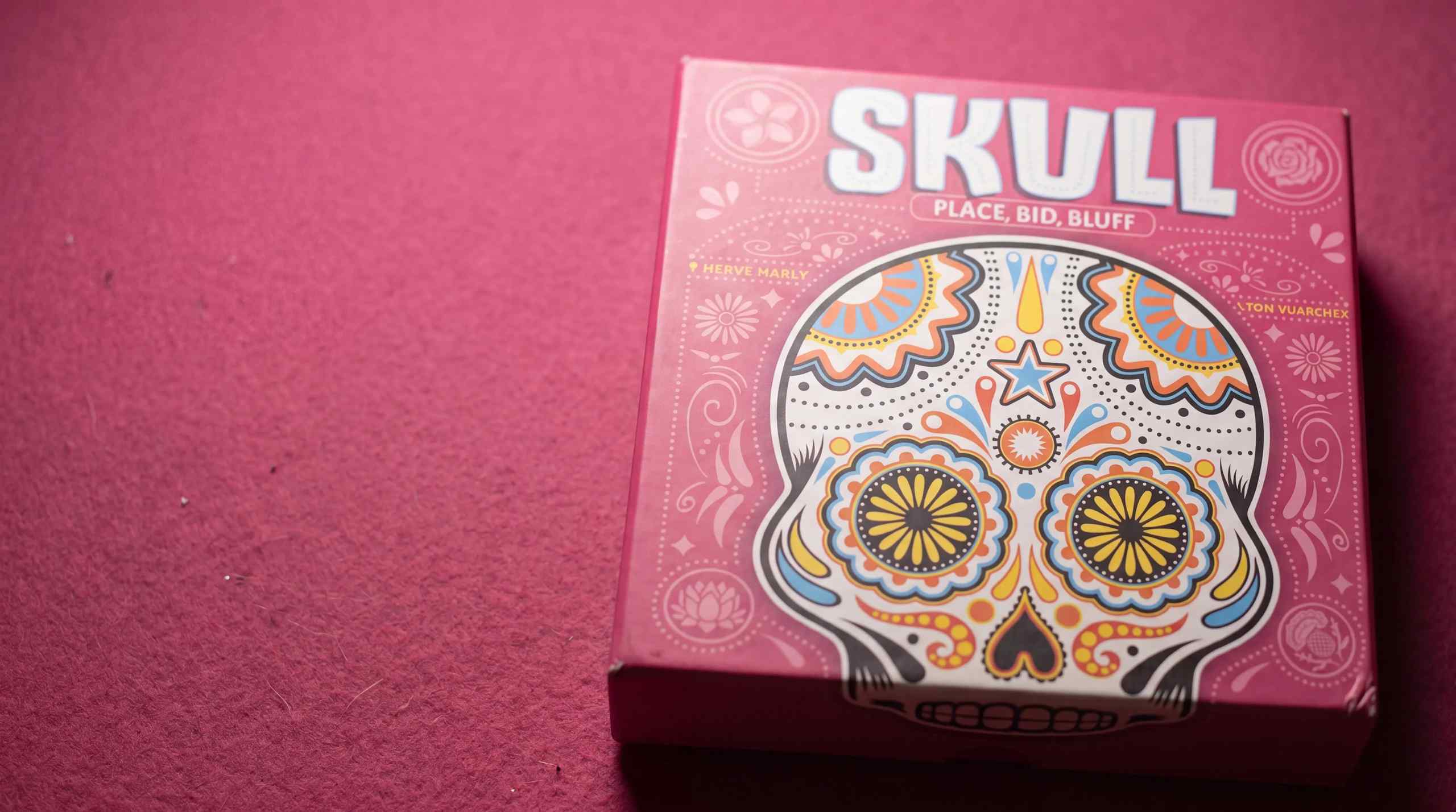
Skull: Gambling Psychology In a Tiny Box
Skull is pure gambling vibes in a tiny (and relatively cheap) box. Each player has four coasters. Three display flowers, and one displays a skull. Everyone places a single coaster face down to start, then play begins. You can place additional coasters until someone decides to “bet” on how many coasters they can flip over before finding a skull. Others can bid higher if they wish. The final bidder is decided when everyone else opts out of bidding, or someone bids the same number of coasters on the table. The winning bidder then flips their coasters first. If they show only flowers, they can then flip others in their preferred order. A bidder is successful if they flip only flowers. If they flip even one skull, they lose one of their coasters. Succeed twice to win the game. Lose all your coasters, and you’re out.
It may sound a tad confusing, but once you learn the ins and outs of Skull, it’s positively electric. You might place a skull yourself and bid up the count in the hopes that someone will pounce and lose a coaster. It’s the best elements of bluffing and betting distilled into a simple board game with endless replayability.
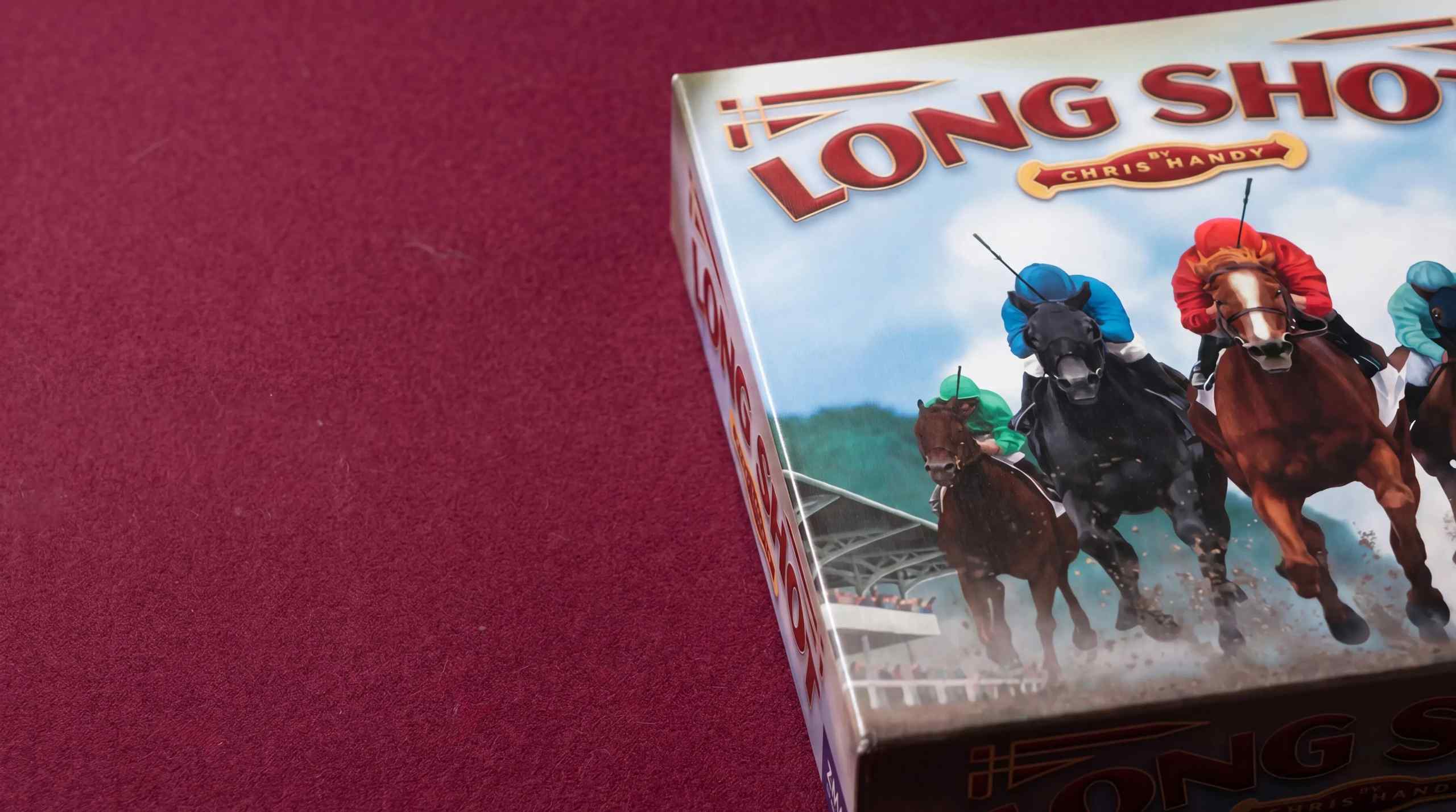
Long Shot: Off To The Races
Long Shot condenses horse racing into a cutthroat board game loaded with chance elements and betting mechanics. Each player rolls dice on their turn to see which horse moves forward. They can then check things off on their personal game board according to the color/number rolled. These benefits can include extra money, bet multipliers, or even purchasing one of the horses (mid-race!). Throughout the game, you have to manage your horses, horses you’ve bet on (those two may not always be the same), ensure you have enough money to make the moves you want, and try your best to disadvantage opposing horses.
I’ve been to the race track (my local one closed down after the Chicago Bears bought it), and Long Shot is the closest I’ve ever come to seeing horse race betting action recreated in a tabletop game. It’s just purebred racing fun.
Quacks: No Risk, No Reward
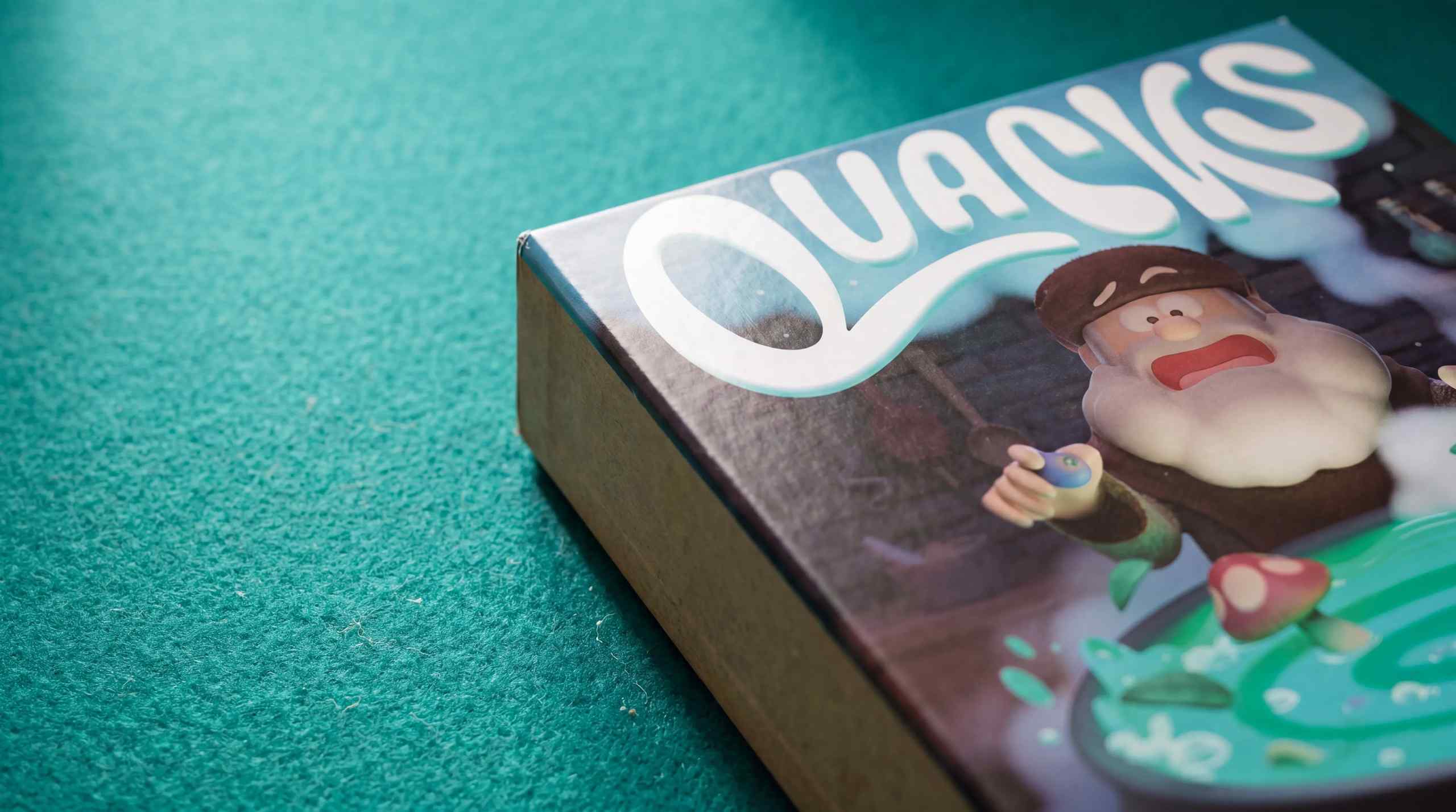
In Quacks (previously titled Quacks of Quedlinburg), you’re a potion maker trying to eke out a living by brewing bubbly concoctions for customers. You draw ingredients from a bag at random and place them along an increasingly beneficial path in your cauldron. Draw at your own risk, though. If you draw enough Garlic tiles, your potion will explode, and you’ll lose most of the benefits you’ve worked for.
Each player is in control of their own cauldron, but you can see everyone else’s clearly. If a player is ahead and your potion is at risk, you might want to press your luck and try for a valuable tile.
Another cool twist is that you get additional tiles with special powers throughout the game. Each round, your bag becomes more powerful. Your potions, then, can have increasing benefits with much better rewards. It’s an ideal game for players who don't mind risking it all for a slightly better reward.
Flip 7: Hit Me, Baby One More Time
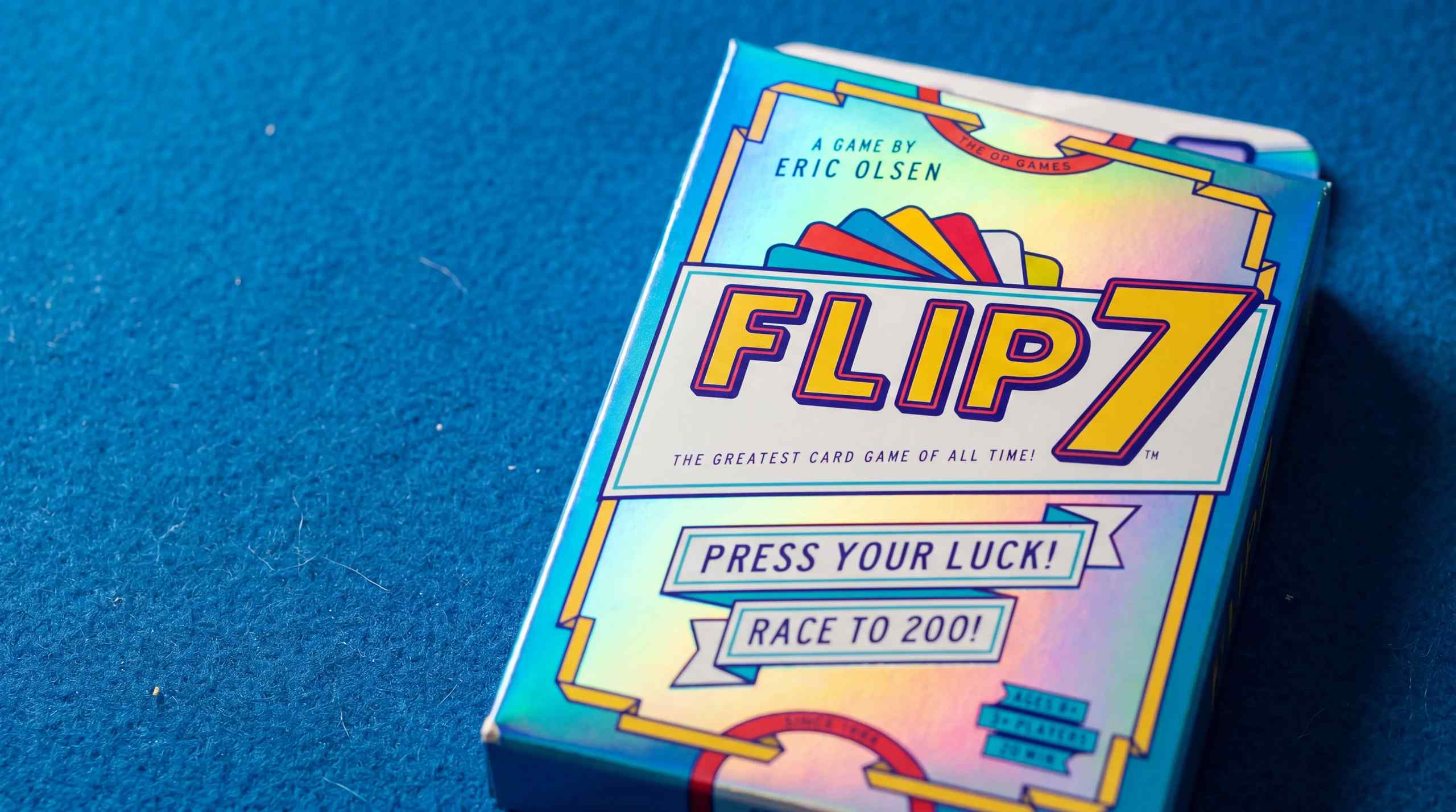
Flip 7 plays like blackjack’s crazy uncle. There are twelve 12s, eleven 11s, ten 10s, and so on. Additional cards include power-ups that can stop an opponent’s hand mid-progress or force them to draw multiple cards. Players take turns choosing whether to draw more cards or “stay” and sit out the rest of their hand, logging any points they’ve earned. The total value of your cards is your score for a given hand. However, if you draw even one duplicate number, the whole thing is a bust.
The game rewards risky play by offering a special bonus if you successfully flip seven uniquely numbered cards. It creates high-octane rounds and encourages even the most risk-averse players to take just one more card (and then another, and another).
Gambling Board Games at a Glance
| Board Game | Gambling Elements |
|---|---|
| Sheriff of Nottingham | Bluffing, reading other players |
| Skull | Bluffing and “bets.” |
| Long Shot | Horse race betting in a board game box |
| Quacks | “Bust” like in blackjack, elements of chance with random draws |
| Flip 7 | Basically blackjack, drawing cards, and trying not to bust |
Conclusion
There’s a reason gambling is so popular and profitable. It’s not just the potential to win big. It’s the tension, the anticipation, and the rush of putting something at stake.
Board games have found ways to mirror those feelings and inject them into more social settings. If you’ve ever wanted to feel like you’re betting with your friend without actual money but with plenty of cutthroat maneuvers, you might enjoy the occasional tabletop game. Whether you’re bluffing a buddy in Skull or betting big on your own horse in Long Shot, these games can scratch a unique, gambling-like itch.
Cole Rush is a freelance writer, crossword constructor, and creative tinkerer with more than 10 years of experience writing about anything and everything. Cole’s primary area of expertise is the gambling industry, covering the expansion of sportsbooks and online casinos alongside emerging spaces like sweepstakes casinos and prediction markets.
More Articles like this
Are eBay's "Spin the Wheel" Listings Just Gambling?
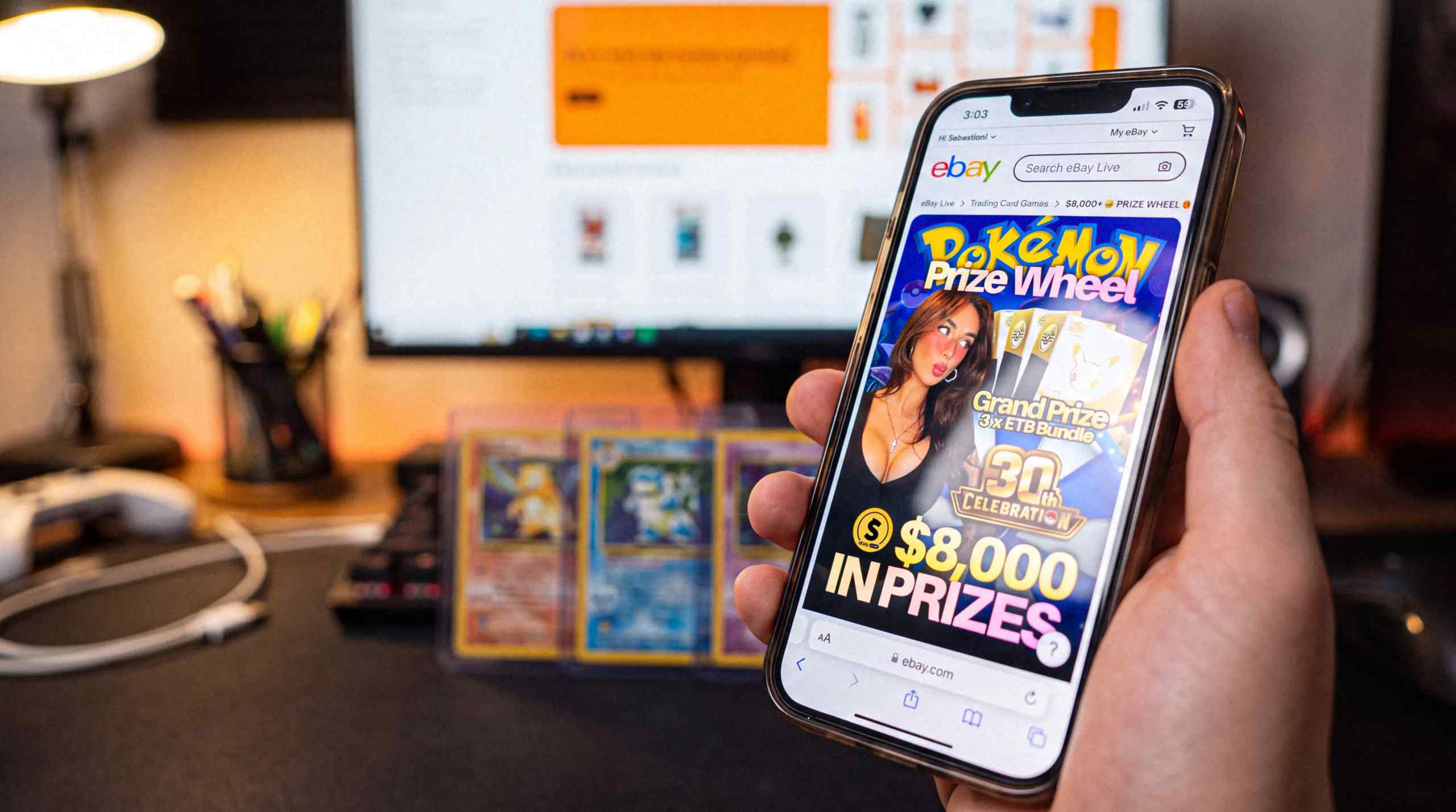
A corner of eBay Live auctions off wheel spins instead of actual items. Bid starts at $1, the price climbs, and the winner finds out what they bought only after the wheel stops. Here's why that's not really shopping.
By Cole Rush
Casino Carpets Are Ugly. But Not for the Reason You Think
Casino carpets have long been accused of keeping gamblers disoriented and glued to the games. The truth is considerably more practical, though just as strange.
By Cole Rush
The Strange Gambling Laws Behind Cruise Ship Casinos
Cruise ship casinos only open once a ship clears territorial waters, and the odds, oversight, and rules that follow are nothing like a Vegas floor. Here's what actually changes at sea.

By Cole Rush
Six Reasons Bettors Are Starting to Ditch Credit Cards
States are increasingly questioning whether borrowed money has any place in gambling. From instant interest to damaged credit, the risks can extend far beyond the bet itself.
By Charlon Muscat
How Subscriptions Use Gambling Psychology to Hook You
Streaming services, apps, and subscription boxes may look nothing like a casino, but many tap into the same psychological forces that make gambling so hard to walk away from.

By Cole Rush
The Best Gambling Songs Ever Written, Ranked
From Kenny Rogers to Sting, these seven songs go beyond casino clichés to capture the risk, psychology and obsession behind gambling.

By Cole Rush