

Will Sports Bars Survive if Gen Z Stops Drinking?
The traditional sports bar relies on booze, but Gen Z is drinking less. How can sports bars adapt?
%20(1).webp)
Use all of your senses to imagine a packed sports bar during playoff season. The smell of beer, the sound of cheers, the sight of avid sports fans, the brush of those sports fans shifting through the undulating labyrinth of fellow die-hards, and the taste of freshly-fried mozzarella sticks at halftime.
For many, it’s a core memory type of experience, especially if you have a favorite bar that backs your favorite team. But with shifts in how our culture consumes sports and alcohol, such locales might be in trouble if they don’t make some changes.
For years, booze and balling have been inextricably intertwined, particularly when they intersect at a sports bar. But with Gen Z and Alpha on the rise and their alcohol consumption on the decline, there may be some shakeups ahead. Can sports bars survive the new cultural wave on which Gen Z is surfing?
Why Gen Z Drinks Less Than Previous Generations
Alcohol consumption is hard to measure for various reasons, but there have been declines in key drinking metrics in recent years. Gen Z and other young folk are part of the shift, and they may become a reckoning for sports bars or other businesses that rely on alcohol sales.
For younger consumers, “going out” isn’t synonymous with heavy drinking. A few beers might be in the picture, but there are other factors at play.
- Health and Wellness: There’s more awareness than ever about the negative health impacts of alcohol.
- Mental health: Alcohol is a depressant and can exacerbate underlying mental health issues.
- Image: Gen Z is full of digital natives who want to cultivate an online image, and that doesn’t always include drinking.
- Cost and competition: alcohol costs a lot, and competing businesses like cannabis can offer alternatives.
- Experience first: we’re in an age of experience-based entertainment where heavy drinking can take a backseat.
This is a simmering stew of interrelated factors, and it paints an interesting picture that sports bars should pay close attention to.
Why Sports Bars Traditionally Depend On Alcohol
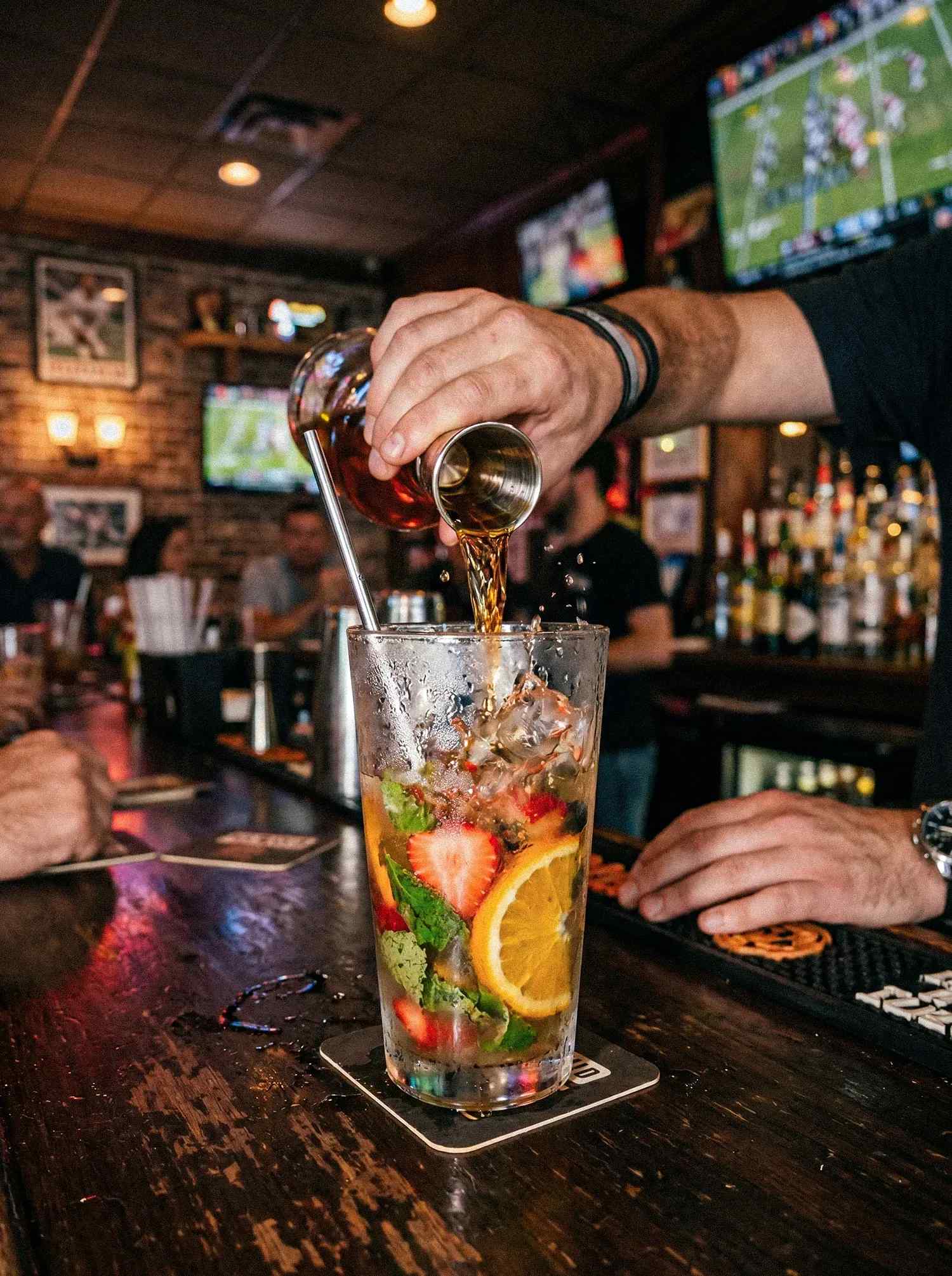
Sports bars have various sources of revenue, including food, drink, arcade games, ATM fees, and more. Of those, alcohol is often the highest earner.
The main reason for this is the margins and the volume of sales. The National Restaurant Association notes that for full-service restaurants selling alcoholic beverages, drinks make up about 21% of total sales. Further, those sales can produce higher margins than food, which requires more storage/cooling space and labor to cook and serve it.
Alcohol can also lift other revenue streams. The same report from the National Restaurant Association says: “70% of beer drinkers, 69% of wine drinkers, and 67% of cocktail drinkers are more likely to say the availability of alcoholic beverages makes them more likely to choose one restaurant over another.”
Evergreen offers a good breakdown of alcoholic beverage margins, with premium cocktails leading the pack around 80-90%. Food service margins can be much lower, often hovering around 30-40% (with a lot of room for variance based on the market, type of food, etc.).
How Sports Bars Are Already Adapting
Sports Bars are hearty businesses with a lot of flexibility in how they operate and, therefore, how they make money.
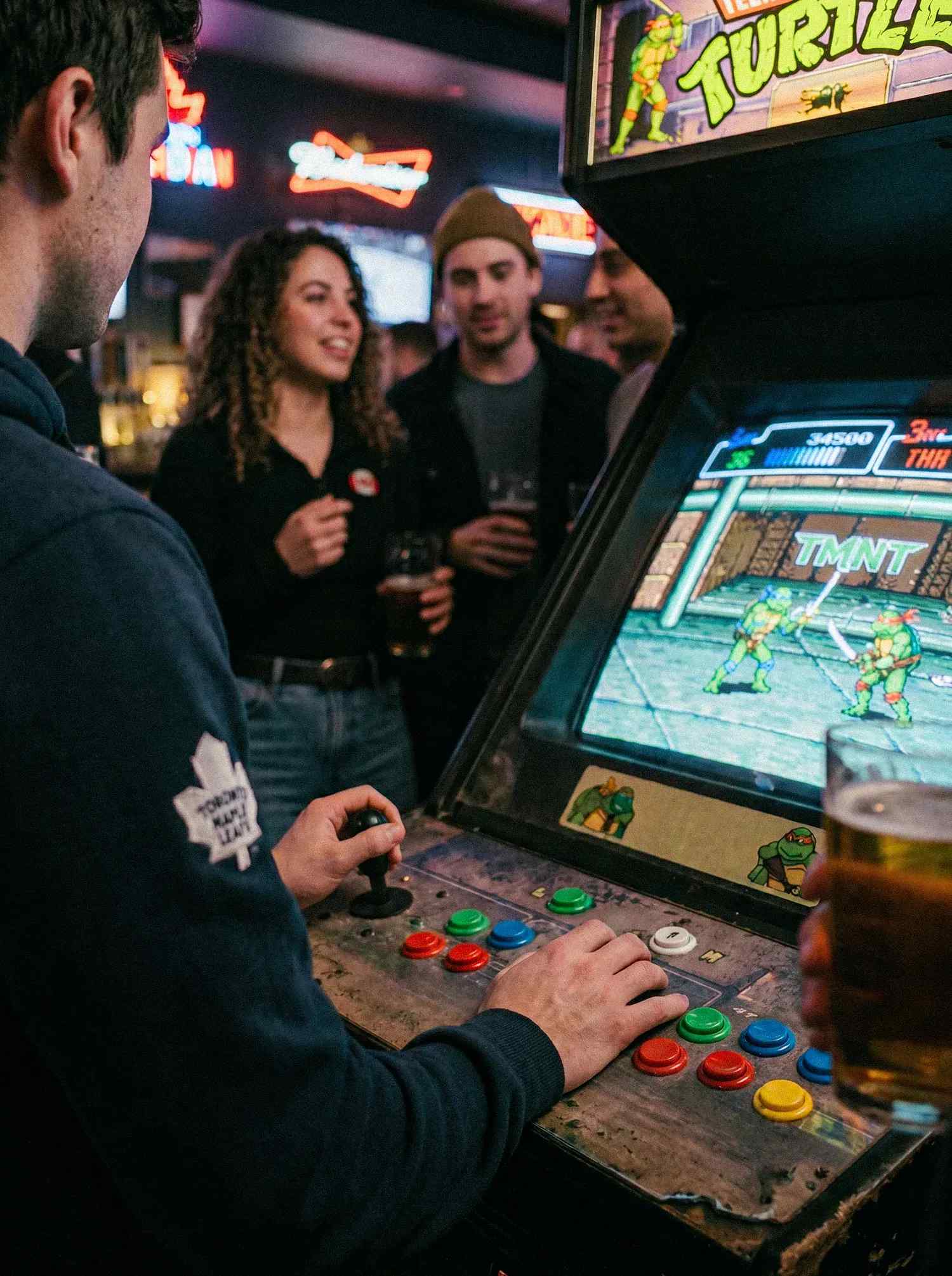
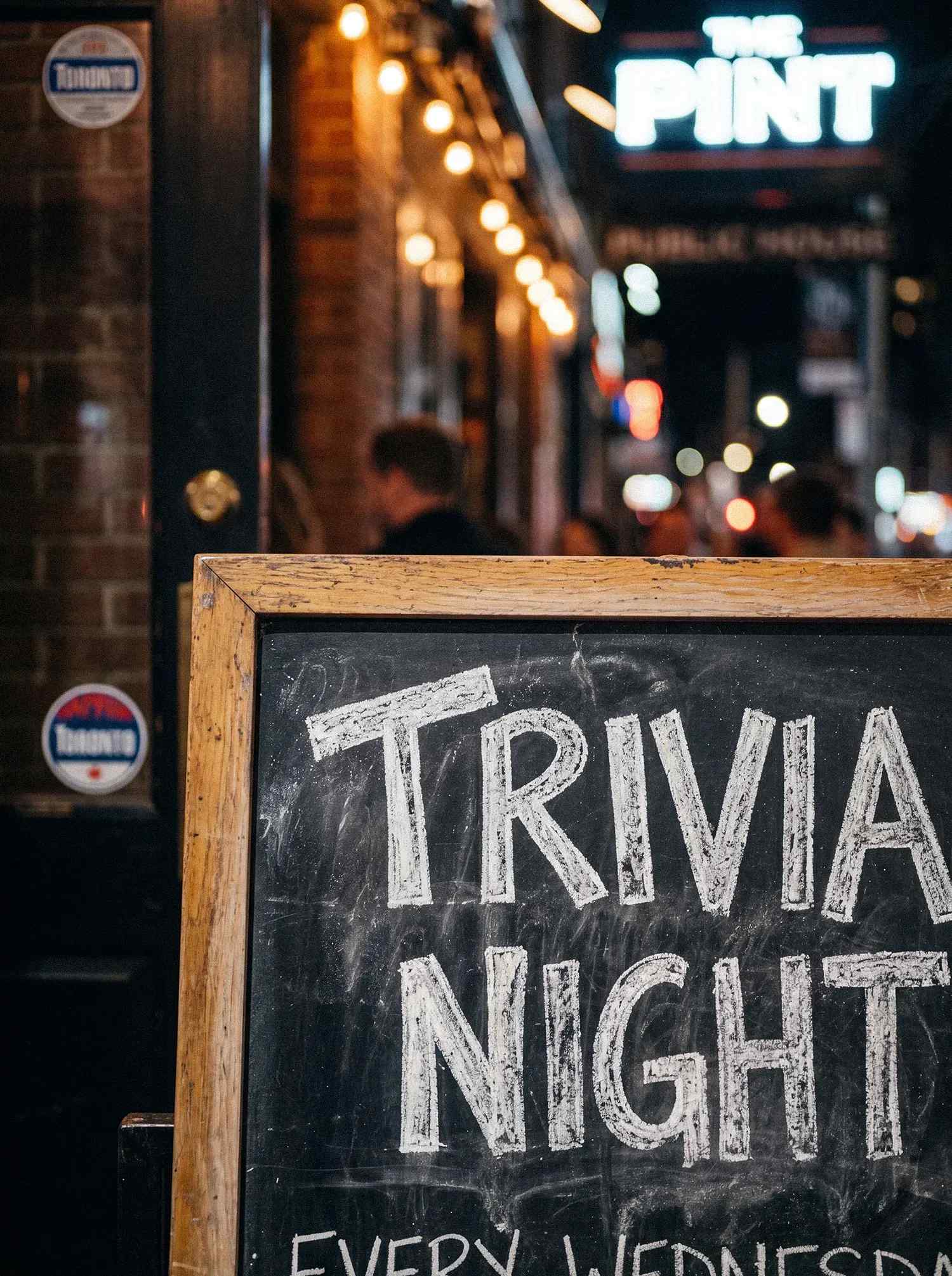
You’ve probably seen some of these strategies at play in your local sports bars. Trivia nights can draw a crowd that normally might not come for live sports. Mocktails and alcohol free options (or even cannabis drinks, where legal) are becoming standard menu items where they were once niche offerings. Extended hours with brunch menus. Live performances. Arcade games or board game rentals. The list goes on.
A sports bar can still thrive on live sports viewing, but it can lean more heavily into experiential revenue streams to boost earnings. Think of the new sports bar as a socialization hub rather than just a drinking destination.
The Bigger Threat May Actually Be Staying Home
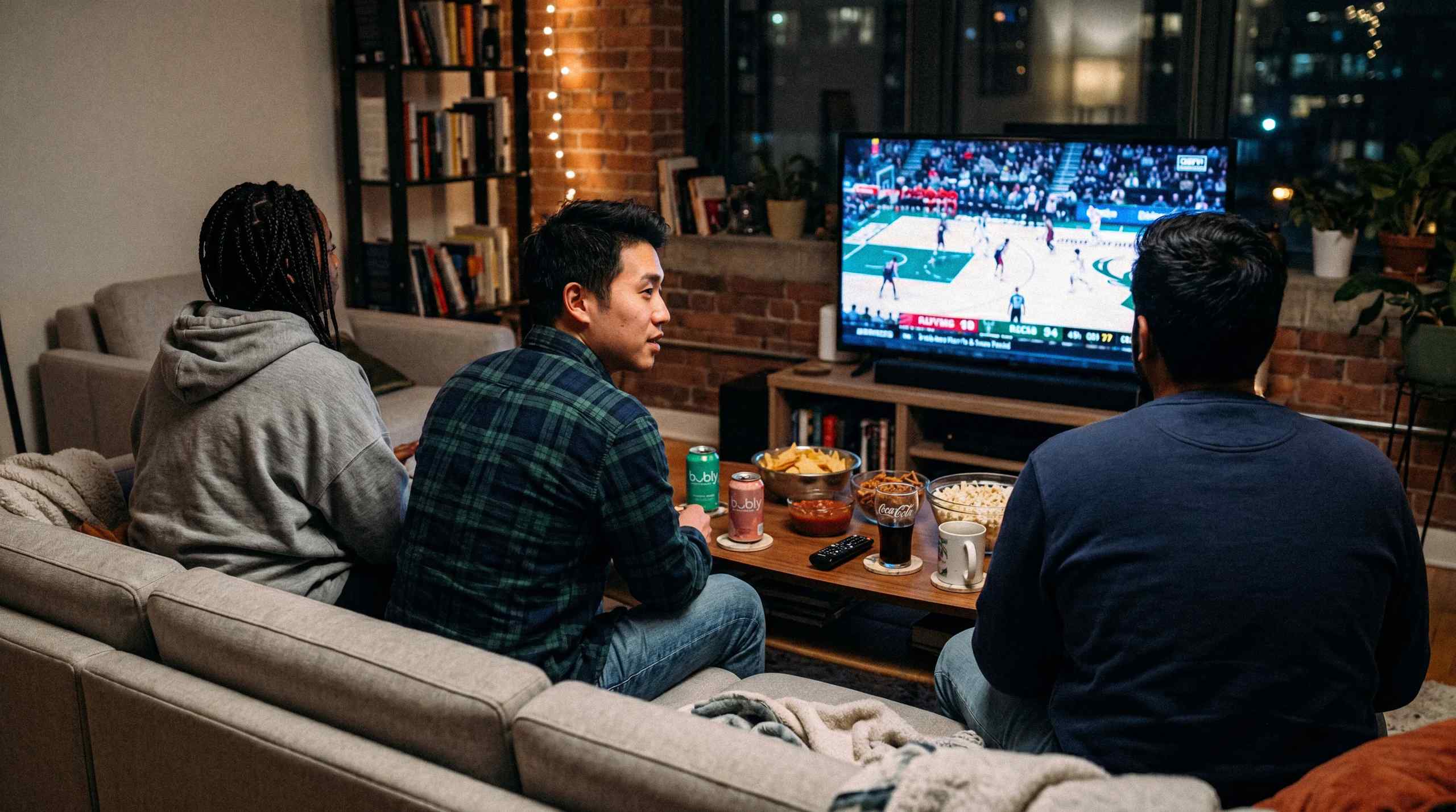
Declining alcohol consumption is just part of the issue. There’s that ineffable draw of staying at home in sweatpants and becoming one with the couch. You can do that alone or with friends, and it’s never been easier to recreate the sports bar feeling from your own home.
Cheaper home viewing setups have made for theatre-like TV walls in sports fan homes. Food delivery drops the wings off right at your door. Sports betting, where legal, is available from your phone or computer. Sports bars can find it hard to compete with the couch potato because they aren’t choosing between external options; they’re just not leaving the house.
Why Live Sports Still Create Powerful Social Demand
On the flip side, live sports can draw a crowd like few other things can. The community feeling of watching a local team in the playoffs is hard to match. These events draw an emotionally invested crowd.
We’re also in the midst of digital oversaturation, so it’s nice (for many of us, I assume) to get out of the house and enjoy something away from the comfort of our living room. Pair that with the event-like feel of a live game, and you have a solid recipe for core memories with your fellow sports fans.
Even sober or wellness-minded fans can enjoy the socialization opportunities created by a high-profile game or event. That’s why the sports bar of the future may sell more atmosphere than alcohol.
What the Sports Bar of the Future Might Look Like
I think many sports bars already look like they’re leaning into these trends. Alcohol and sports are still at the heart of the experience, but there are more ways to engage. Healthier or more expanded food menus give people a reason to enjoy more than just the drinking aspect of it all. Better viewing technology and multipurpose social spaces are another big draw. So is betting integration.
In fact, the sports element has already become a launchpad for other entertainment streams. Local bars near me have held Jeopardy-style competitions, Survivor and RuPaul’s Drag Race viewings, Bingo nights, and the ever-standard karaoke.
Look for more of these experience-based destinations to pop up around sports and other entertainment formats as sports bars become social hubs.
Cole Rush is a freelance writer, crossword constructor, and creative tinkerer with more than 10 years of experience writing about anything and everything. Cole’s primary area of expertise is the gambling industry, covering the expansion of sportsbooks and online casinos alongside emerging spaces like sweepstakes casinos and prediction markets.
More Articles like this
Do NHL Stars Lose Their Edge After Signing Huge Contracts?
Do NHL stars really take their foot off the gas after a big payday? We analyzed 29 major contracts to find out.
By Charlon Muscat
Five Iconic World Series Moments Since the Brewers' Appearance
The Brewers are back in the World Series after 44 years. From Bill Buckner's error to the Cubs ending their curse, plenty has happened since 1982.
By Bill Gelman
LeBron to Giannis: Ranking 5 NBA Offseason Stunners
LeBron to Philly, Giannis to Miami, and Wemby staying put. Which NBA offseason move will pay off the most?
By Bill Gelman
NFL Fans Spend $900 to Watch Games. WWE Fans Pay Even More
Think watching every NFL game is expensive? WWE fans would argue otherwise.
By James Guill
How Bad Is It? Ranking the NHL's Original Six by Fan Misery
Nearly 60 years without a Stanley Cup is just the beginning. We rank the NHL's Original Six teams by how much misery their fans have endured.
By Bill Gelman
Why Does Everybody Hate Us? 10 Most Hated Sports Teams Ever
Some teams always win; others get caught breaking the rules. Either extreme is a surefire way to become universally hated, as these 10 sports teams can attest to.
By Stuart Hughes