
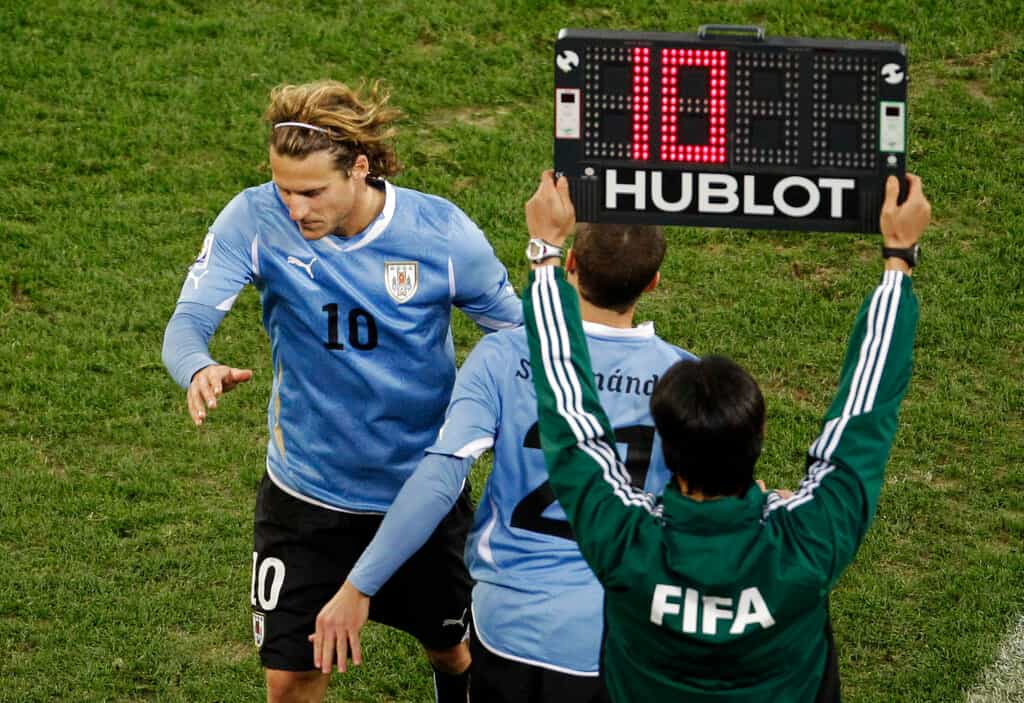
Why Betting Lines Move
A direct breakdown of why sportsbooks shift point spreads, totals, and moneylines between opening and kickoff, and what those moves signal to bettors.

Sports betting lines move because sportsbooks are constantly rebalancing risk. New information, like injury news, weather, or a flood of money on one side, forces books to adjust spreads, totals, and moneylines to protect their margin.
Key Takeaways:
- Betting lines move mainly because of money flow, sharp bettor action, injury news, and weather changes.
- Sportsbooks adjust odds to balance liability, not to predict outcomes with certainty.
- Reverse line movement happens when the line shifts against the majority of public bets, signaling sharp money on the other side.
- Closing line value (CLV) is the benchmark professionals use to judge whether a bet was priced well, regardless of the final score.
- Vig and hold are baked into every line, meaning the number itself never reflects true 50/50 odds.
Quick Facts
| Category | Detail |
|---|---|
| Difficulty Level | Beginner to Intermediate |
| Estimated Time to Learn | 15 to 20 minutes |
| Best Suited For | New bettors learning market mechanics, and casual bettors wanting sharper timing |
| Related Topic | Moneyline betting and how spread pricing connects to line movement |
Why Understanding Line Movement Matters
Understanding why betting lines move matters because it changes when and how you place a bet, not just what you bet on. A bettor who recognizes early sharp action can lock in a number before the market corrects, while someone who waits often gets stuck with worse odds. Reading line movement turns a guessing game into an informed decision built on visible market signals.
How Do Opening And Closing Lines Compare In Betting?
Opening and closing lines compare as two different snapshots of the same market, taken before and after new information arrives. The opening line is a sportsbook's first estimate, built from team performance, injuries, and statistical models. The closing line is the final number right before kickoff, shaped by everything the market has absorbed by then, including sharp money and last-minute news.
Line Stages
| Line Stage | What Shapes It | Who Relies On It Most |
|---|---|---|
| Opening Line | Early models, historical data, public perception | Early bettors seeking value before the market adjusts |
| Midweek Line | Betting volume, injury reports, weather forecasts | Bettors tracking movement for signals |
| Closing Line | All available information, including sharp action | Professionals measuring closing line value |
Why Do Betting Lines Open Differently Across Sportsbooks?
Betting lines open differently across sportsbooks because each book builds its own model and manages its own risk exposure. One shop might weigh injury reports more heavily, while another leans on its own betting types and how its customer base typically wagers. These small differences explain why shopping multiple books before placing a moneyline bet can turn up better value on the same game.
How Does Sharp Money Cause Betting Lines To Move?
Sharp money causes betting lines to move because sportsbooks treat bets from known winning players differently than bets from casual bettors. A respected bettor placing a modest wager can shift a line more than a recreational bettor placing a much larger one, since the book is reacting to perceived skill rather than raw dollar amount. This dynamic is closely tied to how odds behave during games too, which is why understanding live betting markets helps bettors see sharp reactions play out in real time.
Why Do Injuries And Weather Move Betting Lines So Quickly?
Injuries and weather move betting lines quickly because they change the mathematical inputs sportsbooks use to price a game. A star player ruled out, or a forecast turning toward heavy wind and rain, forces oddsmakers to recalculate probability almost immediately. Line shifts from injury news tend to happen in sharp jumps rather than gradual drifts, since the information changes the game's expected outcome directly.
What Role Does Vig Play In Why Betting Lines Move?
Vig plays a central role in why betting lines move because it is the built-in margin sportsbooks protect every time they adjust a price. A standard two-way market priced at -110 on both sides carries roughly a 4.5% hold, meaning bettors need to win about 52.4% of those wagers just to break even. When one side attracts heavier action, moving the line helps the book preserve that margin while still balancing liability across both outcomes.
What Is Reverse Line Movement And Why Does It Happen?
Reverse line movement happens when a betting line moves against the side receiving the majority of public bets, and it happens because sportsbooks are following sharp money instead of bet volume. For example, if 70% of bets and dollars come in on a favorite, but the line drops instead of rises, that signals professional bettors are backing the underdog with enough confidence to make the book nervous. This is one of the clearest tells that public perception and sharp opinion have split.
Examples Of Why Betting Lines Move
A college basketball game opens with the favorite at -6.5. Sharp bettors place large early wagers on the underdog, and the line quickly moves to -4, telling the market that professional money believes the favorite was overvalued at the open.
An NFL game features a starting quarterback listed as questionable all week. When the injury report confirms he will sit out, the spread shifts several points within minutes, since the backup's presence changes the entire probability model for that matchup.
A weather system forecasts strong wind for a Sunday outdoor game. As the forecast solidifies, the total drops from 48.5 to 45, since sportsbooks expect fewer passing yards and fewer combined points in those conditions.
Common Mistakes Bettors Make With Line Movement
- Assuming a big line move always means the favorite is about to blow out the underdog, when it often just reflects money flow or sharp positioning.
- Ignoring closing line value entirely and judging bets only by wins and losses, which hides whether the underlying process actually has an edge.
- Chasing a line after it has already moved significantly, which usually means the value has already been captured by earlier bettors.
- Confusing heavy public betting volume with sharp money, when reverse line movement often shows the two pulling in opposite directions.
How Does Line Movement Compare To Closing Line Value?
Line movement compares to closing line value as two related but distinct concepts describing the same market. Line movement is the raw, visible shift in a number over time, while closing line value is a personal performance metric that measures whether your specific bet beat the market's final price. Professionals track hedging strategies partly because of this distinction, and learning how to hedge a bet often depends on recognizing which direction a line is likely to move before it closes.
Concepts and What They Measure
| Concept | What It Measures | Who Uses It |
|---|---|---|
| Line Movement | The change in a specific number over time | All bettors watching a market in real time |
| Closing Line Value | Whether your bet beat the market's final price | Professionals evaluating long-term edge |
Bodog's Take On Why Betting Lines Move
Betting lines move because sportsbooks are risk managers first, not fortune tellers. Every shift in a spread, total, or moneyline reflects new information or new money, and reading that shift correctly separates bettors who chase numbers from bettors who understand them. At Bodog, the sharpest approach is treating line movement as a signal to study, not noise to react to blindly.
Betting Lines FAQs
Why do betting lines move before a game starts?
Betting lines move before a game starts because sportsbooks continuously update their pricing as new information arrives, including injury news, weather forecasts, and betting volume on each side.
Does a line moving mean the favorite will win more easily?
A line moving does not necessarily mean the favorite will win more easily, since movement often reflects money flow or sharp betting activity rather than a change in actual win probability.
What is sharp money in sports betting?
Sharp money refers to wagers placed by bettors sportsbooks consider skilled or well-informed, and these bets can move a line even when the dollar amount is relatively small.
What is reverse line movement?
Reverse line movement is when a betting line shifts against the side receiving the majority of public bets, usually because sportsbooks are following sharp money instead of bet volume.
Why do betting lines differ between sportsbooks?
Betting lines differ between sportsbooks because each book uses its own pricing model, manages its own customer base, and reacts to its own betting volume independently.
What is closing line value and why does it matter?
Closing line value measures whether the odds a bettor took were better than the market's final price before the game started, and it is considered the strongest long-term indicator of betting skill.
How much does vig affect line movement?
Vig affects line movement because sportsbooks adjust prices partly to protect their built-in margin, which typically runs close to 4.5% on standard two-way markets.
Continue Learning
- Betting Types: a breakdown of the different wager formats bettors use, including spreads, totals, and props.
- What Is a Moneyline Bet: an explainer on moneyline pricing and how it connects to implied probability.
- How Does Live Betting Work: a look at how odds shift in real time once a game is underway.
- How to Hedge a Bet: a guide to locking in value when a line moves in your favor before an event ends.
Sources & Review
Arthur Crowson got his start in traditional newspapers before making the jump to digital media, where he's spent the last ten years writing about poker, finance, crypto, gambling, and emerging tech. Over that time, he's developed a knack for spotting the moments when markets, technology, and gambling pull in the same direction. His work has appeared in publications like PokerListings, CryptoVantage, ValueWalk, and PokerScout.
More Articles like this
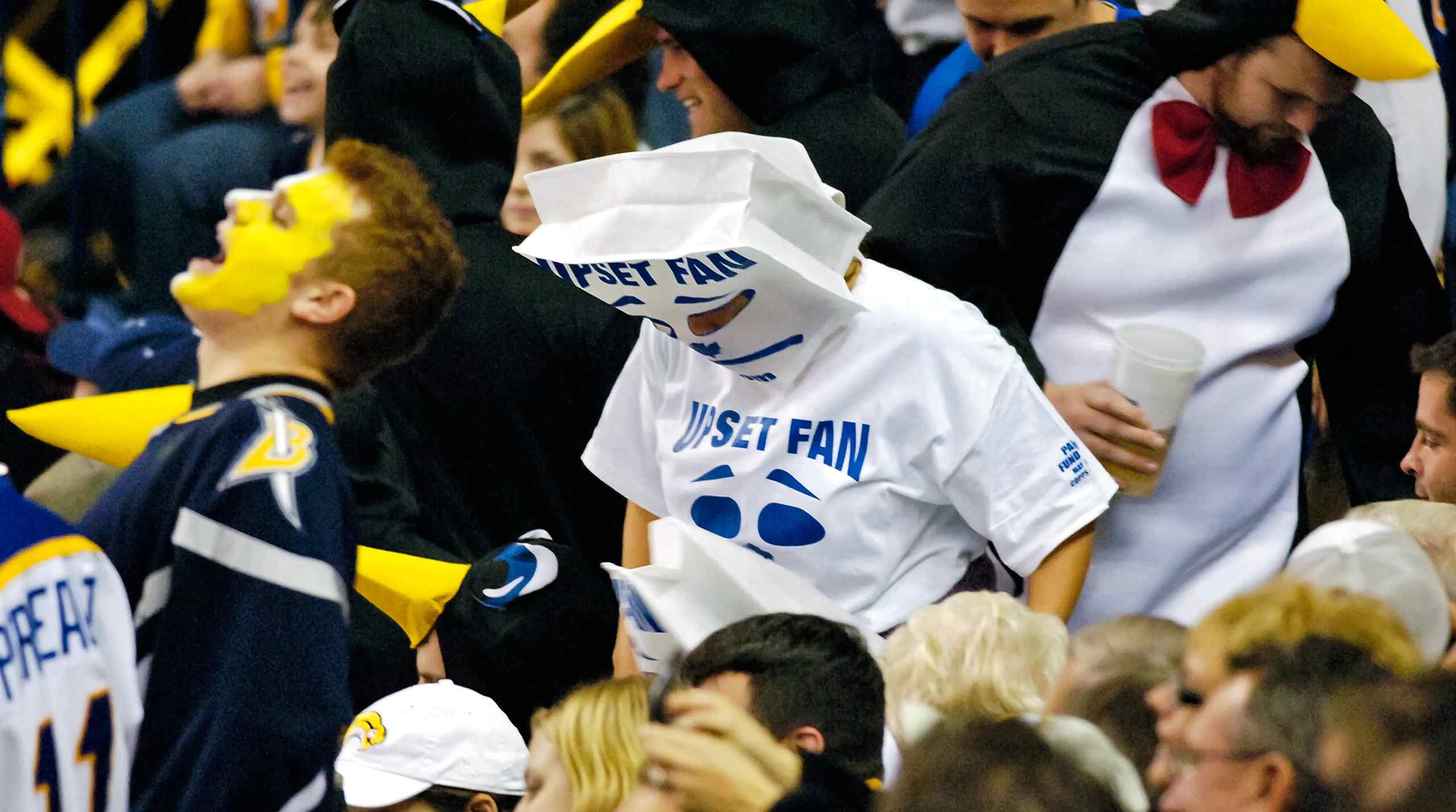
How Bad Is It? Ranking the NHL's Original Six by Fan Misery
Nearly 60 years without a Stanley Cup is just the beginning. We rank the NHL's Original Six teams by how much misery their fans have endured.
By Bill Gelman
Why Does Everybody Hate Us? 10 Most Hated Sports Teams Ever
Some teams always win; others get caught breaking the rules. Either extreme is a surefire way to become universally hated, as these 10 sports teams can attest to.
By Stuart Hughes
5 Outrageous Sports Rules That Need to Die
From a missed signature disqualification to a two-minute penalty for a tucked-in jersey, find out about the top five dumbest rules in sport that leave common sense in the locker room.

By Stuart Hughes
The 10 Most Unforgettable Quotes in Sports History
From Jordan's hard truths to Healy's cheeseburger dig, these legendary greats uttered 10 iconic quotes that turned out to be as memorable as their sporting achievements.

By Stuart Hughes
Eight Years, Eight NBA Champions. Is Parity Here to Stay?
Eight different teams have won the NBA championship in eight years, the longest such streak in league history. Can the Knicks finally break the cycle, or will another contender claim the crown?
By Bill Gelman
Is This the Biggest Acquisition Era in Sports Betting History?
Sportsbooks, prediction markets, and sweepstakes apps are fighting for the same customers. We compared 11 welcome offers to see who's offering the biggest incentives.

By Cole Rush