
How to Calculate Implied Probability
A practical breakdown of the formulas bettors use to convert American, decimal, and fractional odds into implied probability percentages.

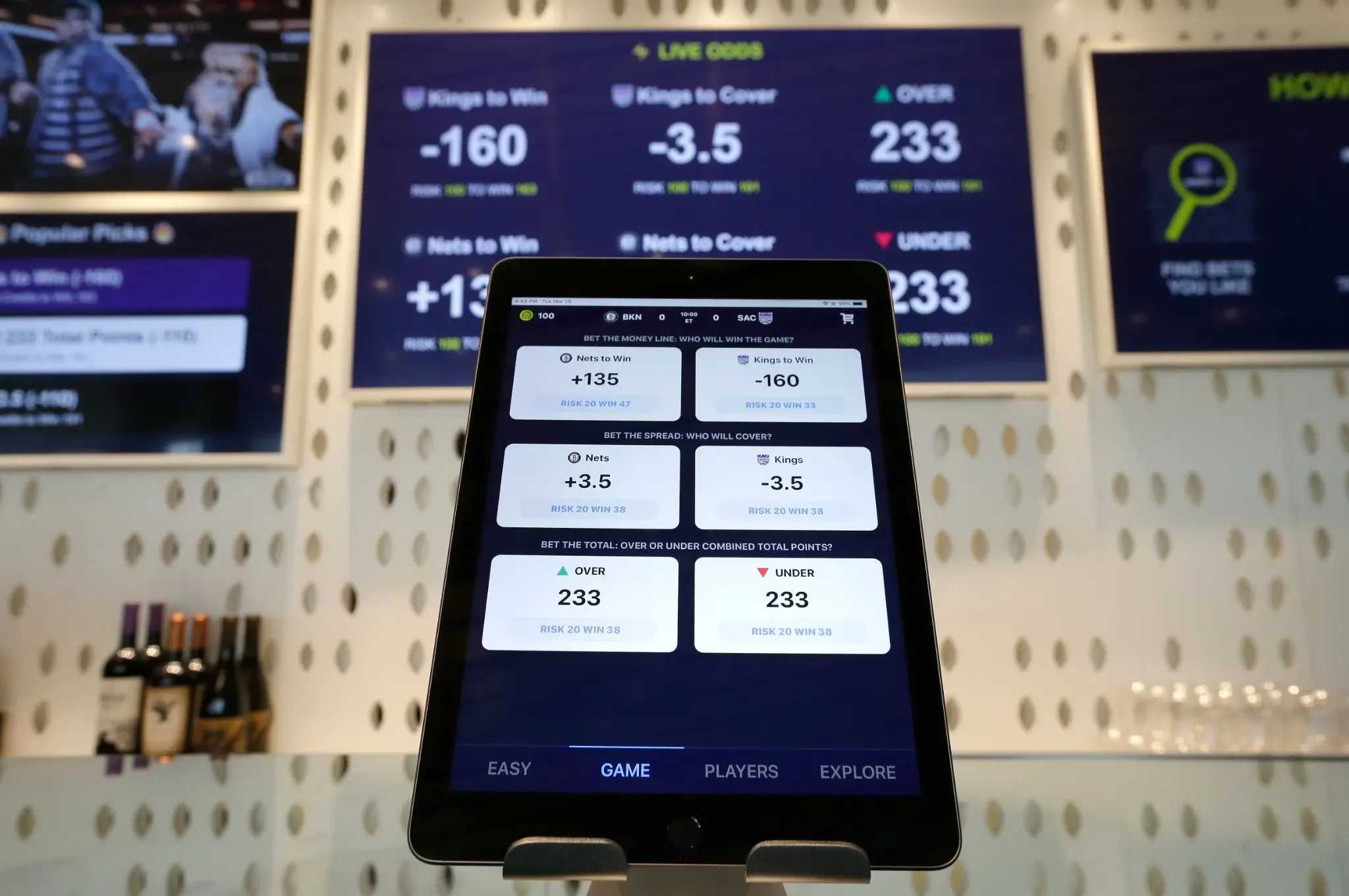
Calculating implied probability when sports betting means converting betting odds into a percentage using one formula for American odds, another for decimal odds, and a third for fractional odds. Each formula strips the odds down to the break-even chance a sportsbook has priced into that outcome.
Key Takeaways
- Calculating implied probability turns odds into a percentage chance, using a different formula for American, decimal, and fractional odds.
- Negative American odds use odds ÷ (odds + 100); positive American odds use 100 ÷ (odds + 100).
- Implied probability always includes the sportsbook's vig, so it never reflects true probability on its own.
- Adding implied probabilities across a full market reveals the overround, the bookmaker's built-in margin.
- Comparing your own probability estimate to the implied number is how bettors identify value.
Quick Facts
| Category | Detail |
|---|---|
| Difficulty Level | Beginner to intermediate |
| Estimated Time to Learn | 15 to 20 minutes |
| Best Suited For | Sports bettors, poker players, prediction market traders |
| Related Topic | Vig, overround, and no-vig fair odds |
Why Does Knowing How to Calculate Implied Probability Matter?
Knowing how to calculate implied probability matters because it shows the real break-even chance hidden inside a betting line, not just which side is favored. A -150 line and a -170 line both mark the same team as the favorite, but only the math reveals exactly how much more you're paying for the shorter price.
Bettors who skip this step are guessing at value instead of measuring it. Once you can calculate implied probability, you can compare it against your own projection and spot mispriced lines before you bet.
Implied Probability by Odds Format
| Odds Format | Formula | Example | Implied Probability |
|---|---|---|---|
| American (negative) | Odds ÷ (Odds + 100) × 100 | -150 | 60.0% |
| American (positive) | 100 ÷ (Odds + 100) × 100 | +130 | 43.5% |
| Decimal | (1 ÷ Decimal Odds) × 100 | 2.50 | 40.0% |
| Fractional | Denominator ÷ (Denominator + Numerator) × 100 | 5/2 | 28.6% |
American Odds Implied Probability Formula
The formula for calculating implied probability from American odds changes depending on whether the number carries a minus or a plus sign. For negative odds, divide the odds by the odds plus 100, then multiply by 100. For positive odds, divide 100 by the odds plus 100, then multiply by 100. That math produces the implied probability, the percentage chance a sportsbook has priced into that specific outcome.
A -150 favorite carries an implied probability of 60 percent, calculated as 150 divided by 250. A +130 underdog carries an implied probability of roughly 43.5 percent, calculated as 100 divided by 230. Neither number reflects the true chance of winning on its own, because vig hasn't been removed yet.
How Do You Calculate Implied Probability From Decimal and Fractional Odds?
Calculating implied probability from decimal and fractional odds requires two separate formulas because each format expresses payouts differently than American odds do. For decimal odds, divide 1 by the decimal number, then multiply by 100. For fractional odds, divide the denominator by the sum of the denominator and numerator, then multiply by 100.
Decimal odds of 2.50 imply a 40 percent chance, since 1 divided by 2.50 equals 0.40. Fractional odds of 5/2 imply a 28.6 percent chance, since 2 divided by 7 equals roughly 0.286. Both formats describe the same underlying concept as American odds, just with different math on the surface.
How Does the Vig Change Implied Probability Calculations?
The vig changes implied probability calculations by pushing the combined percentage of every outcome in a market above 100 percent. A coin-flip game priced at -110 on both sides produces implied probabilities of 52.38 percent per side, and those two numbers add up to 104.76 percent instead of an even 100.
The extra 4.76 percentage points represent the sportsbook's built-in margin, not a real chance of anything happening. Bettors remove that margin through a process called de-vigging, which divides each side's implied probability by the market's total to find the fair, no-vig number.
How Does Implied Probability Apply Beyond Traditional Sportsbook Odds?
Implied probability applies beyond traditional sportsbook odds because any market that prices an outcome embeds a percentage chance inside its numbers. A prediction market contract trading at 65 cents on the dollar implies a 65 percent chance of that outcome, using the same core logic as a moneyline conversion.
Thin trading volume complicates that signal. Understanding low liquidity prediction markets matters here, since implied prices in those markets can swing sharply on just a handful of trades rather than genuine consensus. Treating every quoted price as settled fact, without checking volume behind it, is a fast way to misread the market.
Implied Probability Calculator: Practical Examples
Example 1: NFL moneyline. The Chiefs are -170 and the Broncos are +150. The Chiefs' implied probability is 170 divided by 270, or 63 percent. The Broncos' implied probability is 100 divided by 250, or 40 percent. Added together, the market totals 103 percent, with that extra 3 percent representing the sportsbook's vig.
Example 2: Casino roulette. A single-number bet on a European wheel pays 35 to 1. Calculating the implied probability behind roulette inside bets means dividing 1 by 36 (the 35-to-1 payout plus the original stake), which comes out to roughly 2.7 percent, slightly worse than the wheel's true 1-in-37 chance.
Example 3: Point spread. Both sides of an NBA spread are priced at -110. Each side's implied probability is 52.38 percent, and the two combined reach 104.76 percent, showing the standard house edge baked into spread betting.
What Common Mistakes Happen When Calculating Implied Probability?
- Treating implied probability as true probability. Every implied number includes vig, so it always overstates the sportsbook's real expectation slightly.
- Mixing up odds formats. Applying the American odds formula to decimal numbers produces a meaningless result.
- Forgetting to check the full market. A single side's implied probability can't reveal the vig; you need every outcome in the market added together.
- Ignoring liquidity. Thinly traded markets can show implied prices that don't reflect genuine consensus.
How Does Implied Probability Compare to Pot Odds and True Probability?
| Concept | What It Measures | Where It's Used |
|---|---|---|
| Implied Probability | Break-even percentage priced into betting odds, vig included | Sports betting, prediction markets |
| Pot Odds | Cost of a call relative to the size of the pot | Poker |
| True Probability | Actual statistical chance of an outcome, vig removed | Handicapping, model building |
Poker players rely on a related calculation called pot odds, which compares the cost of a call to the size of the pot rather than converting a moneyline into a percentage. The math behind calculating poker pot odds mirrors implied probability's core logic, since both convert a price into a break-even percentage you need to beat.
True probability, by contrast, strips out the vig entirely and represents what a bettor or trader believes will actually happen. Comparing that number against implied probability is exactly how value bets get identified.
Conclusion: Calculating Implied Probability Calculator
Calculating implied probability comes down to three formulas: one for American odds, one for decimal odds, and one for fractional odds. Each converts a price into a percentage, and none of them reflect true probability until the vig gets stripped out.
Bodog's take is simple: the number on the board is a starting point, not a verdict. Run the math, compare it against your own read on the matchup, and only bet when your estimate clears the implied percentage by a real margin.
Implied Probability Calculator FAQs
What is implied probability in simple terms?
Implied probability is the percentage chance of an outcome that's built into a set of betting odds. It converts a price like -150 or 2.50 into a number you can compare against your own projection.
How do you calculate implied probability from -110 odds?
Divide 110 by 210 (110 plus 100), then multiply by 100. That formula produces an implied probability of 52.38 percent.
Why do implied probabilities add up to more than 100 percent?
Implied probabilities exceed 100 percent because sportsbooks build a margin, called the vig or overround, into every market to guarantee profit regardless of outcome.
Is implied probability the same as true probability?
No. Implied probability includes the sportsbook's margin, while true probability reflects the actual statistical chance of an event after that margin is removed.
Can implied probability be calculated for decimal odds?
Yes. Divide 1 by the decimal odds number, then multiply by 100 to get the implied probability for that price.
What's a quick way to spot a value bet using implied probability?
Compare your own estimated chance of an outcome to its implied probability. If your estimate is higher, the bet may carry positive expected value.
Does implied probability apply outside of sports betting?
Yes. Prediction market contracts and even certain casino payouts embed the same type of percentage, calculated with the same underlying logic.
Continue Learning
- What Is Implied Probability? — a foundational look at the concept behind every betting line.
- What Are Implied Odds in Poker? — how a related probability concept plays out at the poker table.
- What Is Expected Value in Poker? — see how probability calculations drive long-term profit decisions.
- How Do Prediction Markets Work? — learn how contract prices function as implied probability in a different setting.
Sources & Review
The Bodog editorial team is comprised of experts in the iGaming, Sportsbetting, Lifestyle, Travel Wellness and Casino space.
More Articles like this
Why Does Everybody Hate Us? 10 Most Hated Sports Teams Ever
Some teams always win; others get caught breaking the rules. Either extreme is a surefire way to become universally hated, as these 10 sports teams can attest to.
By Stuart Hughes
5 Outrageous Sports Rules That Need to Die
From a missed signature disqualification to a two-minute penalty for a tucked-in jersey, find out about the top five dumbest rules in sport that leave common sense in the locker room.

By Stuart Hughes
The 10 Most Unforgettable Quotes in Sports History
From Jordan's hard truths to Healy's cheeseburger dig, these legendary greats uttered 10 iconic quotes that turned out to be as memorable as their sporting achievements.

By Stuart Hughes
Eight Years, Eight NBA Champions. Is Parity Here to Stay?
Eight different teams have won the NBA championship in eight years, the longest such streak in league history. Can the Knicks finally break the cycle, or will another contender claim the crown?
By Bill Gelman
Is This the Biggest Acquisition Era in Sports Betting History?
Sportsbooks, prediction markets, and sweepstakes apps are fighting for the same customers. We compared 11 welcome offers to see who's offering the biggest incentives.

By Cole Rush
Does a 4-0 NFL Start Mean You're Playoff Bound?
A 4-0 start can put your team on the fast track to the playoffs, but history shows that even Super Bowl champions don't always start strong.
By Marcus Mosher