
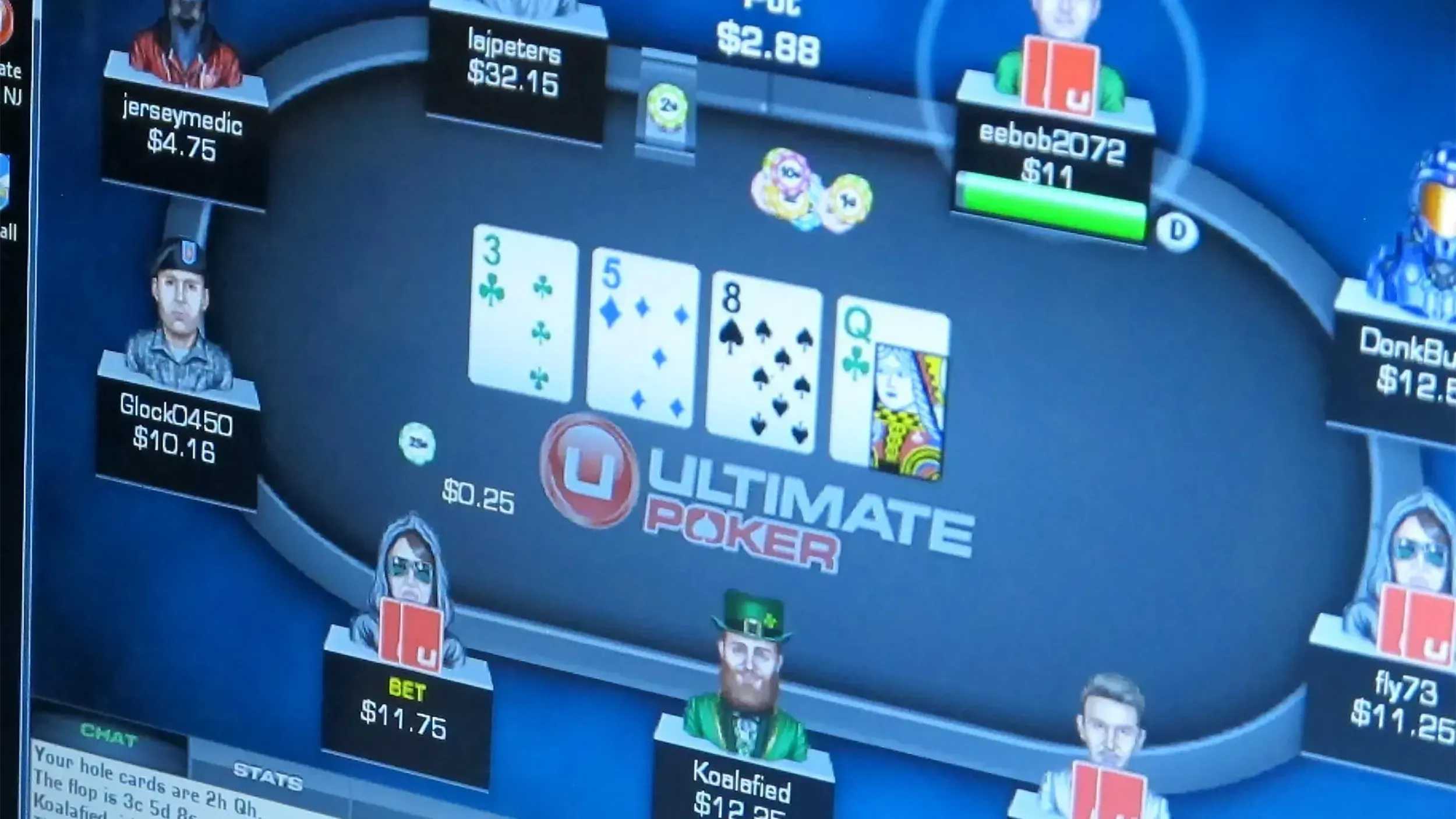
Prediction Markets Are Giving Serious Online Poker Boom Vibes
Much like the online poker gold rush of the early 2000s, prediction markets have experienced a wave of explosive viral growth and notoriety. Will the end result be the same?

Every now and again, a new innovation-led buzzword becomes almost ubiquitous - and wherever you turn these days, the watchwords on everyone's lips are 'prediction markets'. Whether it's being bandied about on the news, on a Discord community debate forum, or you've seen them trending on social media, chances are you're probably hearing about them at least once a day.
Yet, for those old enough to remember, the viral nature of the Kalshi and Polymarket revolution feels eerily familiar.
Given the similarities of the rampant speculation, tight-knit advocate communities, and the prominent monetary incentives involved, it's fair to say the buzz around prediction markets resembles the online poker explosion in the early 2000s. So Bodog heads back to the future to examine the parallels and contrasts between these two tech-inspired crazes.
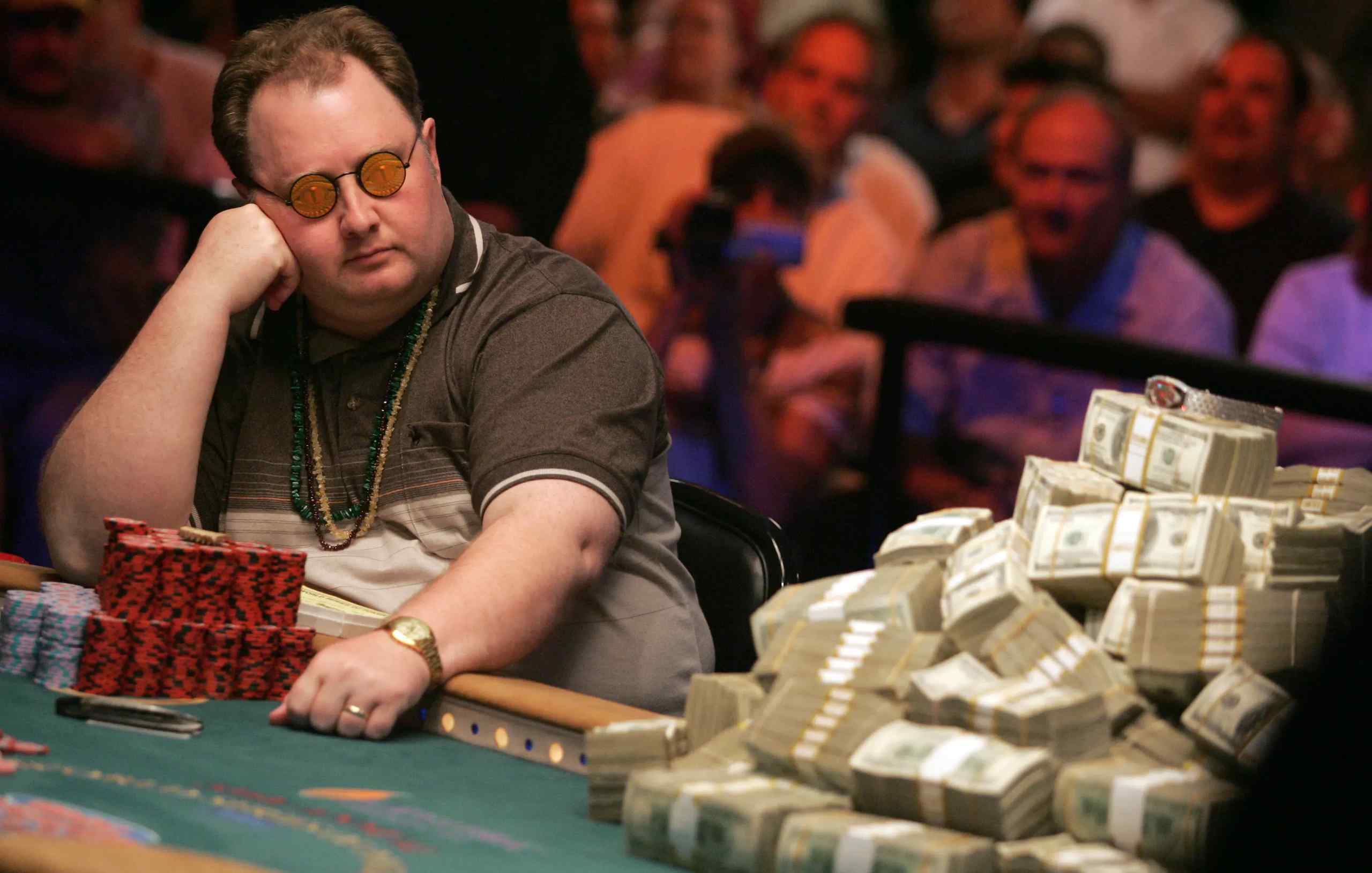
Why Prediction Markets Feel Similar
For all intents and purposes, the prediction market phenomenon shares many of the same underlying factors that helped online poker's rapid, widespread expansion across the globe.
Low Barrier to Entry
Similar to the early days of online poker, prediction markets, where legislation permits them to operate, are openly accessible platforms that facilitate monetary trading to anyone with a WiFi connection.
Now, with just a small denomination of money, users can enter finance-style markets within minutes to dabble on outcomes that were once reserved for professional traders and institutional investors.
Still A Skill vs. Luck Debate
Just as when entering an online tournament, everyone knows opening a trade on Kalshi or Polymarket could result in a loss… but users act on the conviction that their potentially unique data-based insights will provide them with an edge capable of generating substantial long-term profits.
The only difference being, whereas online poker players adapt their strategies by reading the players in front of them, prediction market traders deep dive into the analytics in the hope of identifying mispriced probabilities before everyone else catches on.
Thriving Community and Internet Culture
As you can imagine, prediction markets thrive because they're naturally geared towards social engagement, be that through online forums, news, or social media platforms.
Back in the day, online poker was awash with endless internet groups and chatrooms all dedicated to tipping, strategy development, and poker tournament rankings. Today, these same channels exist in the form of Discord and X/Twitter threads that entertain lively discussions on market-driven debates, probability swings, and, of course, expert trading analyses.
Retail Speculation Energy
Another key aspect shared by the early online poker pioneers and current-day prediction market traders is the active amalgamation of several internet-era obsessions.
These factors may intertwine data analytics, wagering strategies, and trading intuition - nevertheless, both sets of enthusiasts tend not to view what they do as gambling - but instead prefer to think of themselves as calculated risk-takers, not bettors.
Similarities Aside, How Do the Two Sectors Differ?
Despite their numerous parallels, it’s safe to say that in their current state, prediction markets are structurally far messier than online poker ever was. After all, poker essentially operates in a uniform environment, with fixed rules and formats, while prediction markets revolve around trading on the unpredictable outcomes of real-world events.
Industry Growth & Scale Comparison
| Metric | Online Poker (Post-2003) | Prediction Markets (2020-present) |
|---|---|---|
| Catalyst event | “Moneymaker Effect” (2003 WSOP) | 2024–2026 election & crypto boom |
| Industry maturity | A two-decade-old global ecosystem | Rapidly emerging & evolving |
| Peak liquidity | Almost unlimited high-stakes cash games & tournaments | Multi-billion monthly volume |
| Main platforms | PokerStars & Full Tilt | Polymarket & Kalshi |
| Global reach | Widespread adoption worldwide | Geographically restricted currently (regulatory barriers) |
In some senses, a seasoned professional online poker player’s tournament can be ruined in an instant by a rank amateur who unwittingly hits a lucky river card. On the flipside, prediction markets can be prone to market manipulation, particularly in low-liquidity markets or when everyday traders find themselves unknowingly going against those with insider knowledge.
Not only that, but prediction markets have yet to penetrate sizeable markets such as the UK and Europe, where native regulatory restrictions prevent users from accessing sites like Kalshi and Polymarket legally. While changes in the future seem inevitable, online poker had a far more fluid pathway to scale globally.
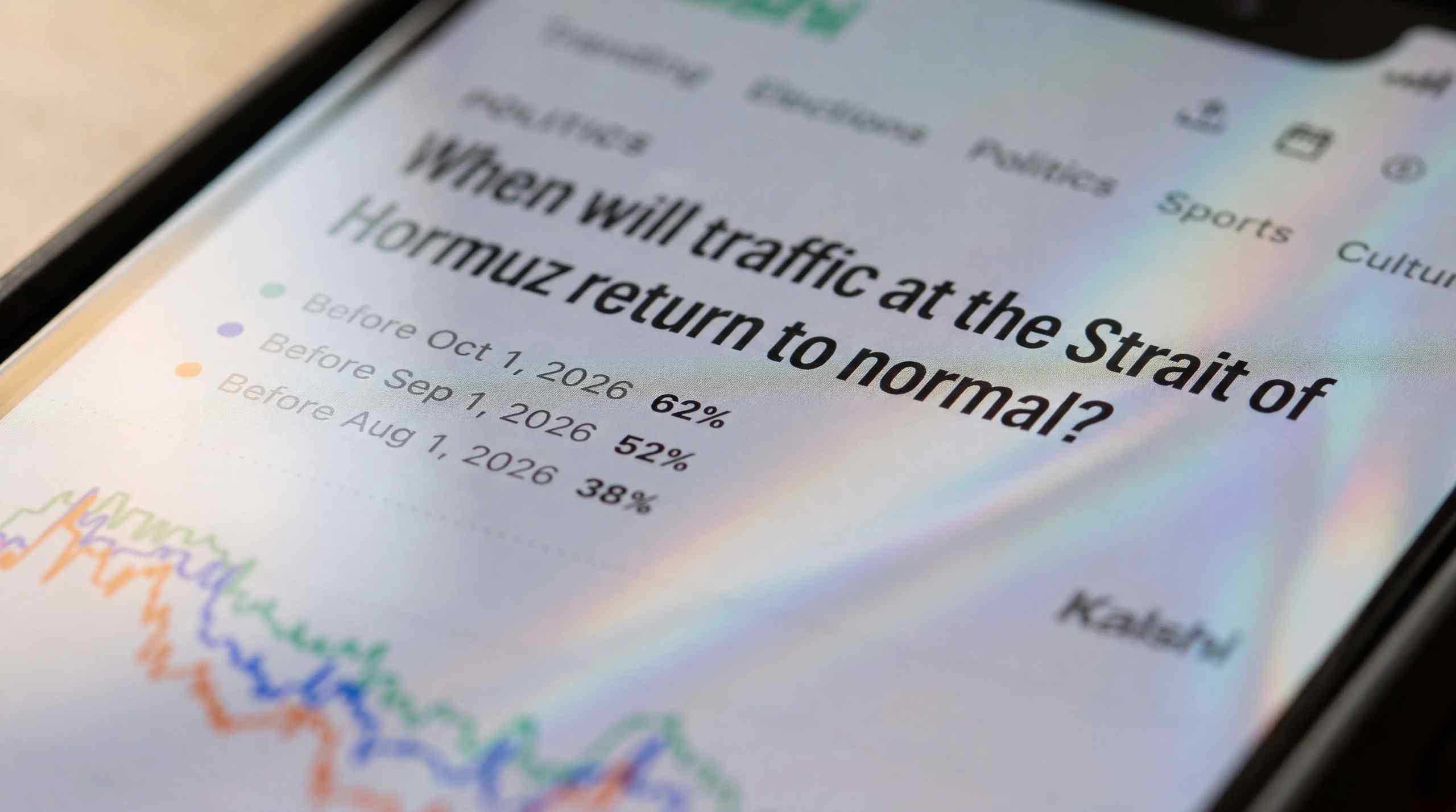
Could Prediction Markets Reach Mainstream Scale?
On the face of it, it’s only taken a few years for prediction markets to have gained the traction that they have, buoyed by an increased fascination with wagering on anything and everything. You only have to look at the range of markets available from predicting the winners of the Champions League final to the $6.9M traded as to whether AI was to be named TIME person of the year in 2025.
Yet, internet hype alone does not guarantee mainstream adoption – you only have to look at NFTs as a prime example of this. And, similar to the institutional resistance to the full-scale approval of cryptocurrencies like Bitcoin and Ethereum, prediction markets have also met with political and regulatory headwinds.
While the CFTC in the United States has provided a workaround for prediction markets to skirt existing sports betting regulations, with countless lawsuits and cease-and-desist motions, their legal status is not yet guaranteed. Likewise, the persistent threat of insider trading and/ or market manipulation remains a very real regulatory concern that may ultimately prevent other nations from allowing unrestricted market access.
Still, regardless of the sizable hurdles prediction market platforms face, the seed has already been sown. Despite its current limited global reach, the billion-dollar trading volumes already seen suggest that no matter the topic, if there are two or more outcomes, people are willing to take a punt on it.
Two Decades on From Poker's Online Evolution, The Playbook Remains the Same
When all is said and done, the online poker boom and the commercialization of prediction markets may not exactly mirror each other, but the parallels are arguably difficult to dismiss.
Both have benefited from the viral nature of online engagement, with prediction markets well on the way to proving they, too, have the capacity to become big-time market disruptors. However, perhaps the most notable commonality between the online poker boom and the popularization of prediction markets is the fact that both played into people’s desire to monetize what was once considered a bit of a side-hustle.
Stuart Hughes is a London-based freelance journalist covering sports, travel, lifestyle, and technology. He’s worked with brands like Lenovo, Best Western, and Frontier Airlines, bringing a global perspective shaped by years of travel.
More Articles like this
Kalshi Wants Margin Trading. What Could Go Wrong?
Kalshi’s proposed margin system would let eligible traders put up less than the full value of some positions, freeing capital for other trades while also introducing a new layer of leverage and risk.

By Charlon Muscat
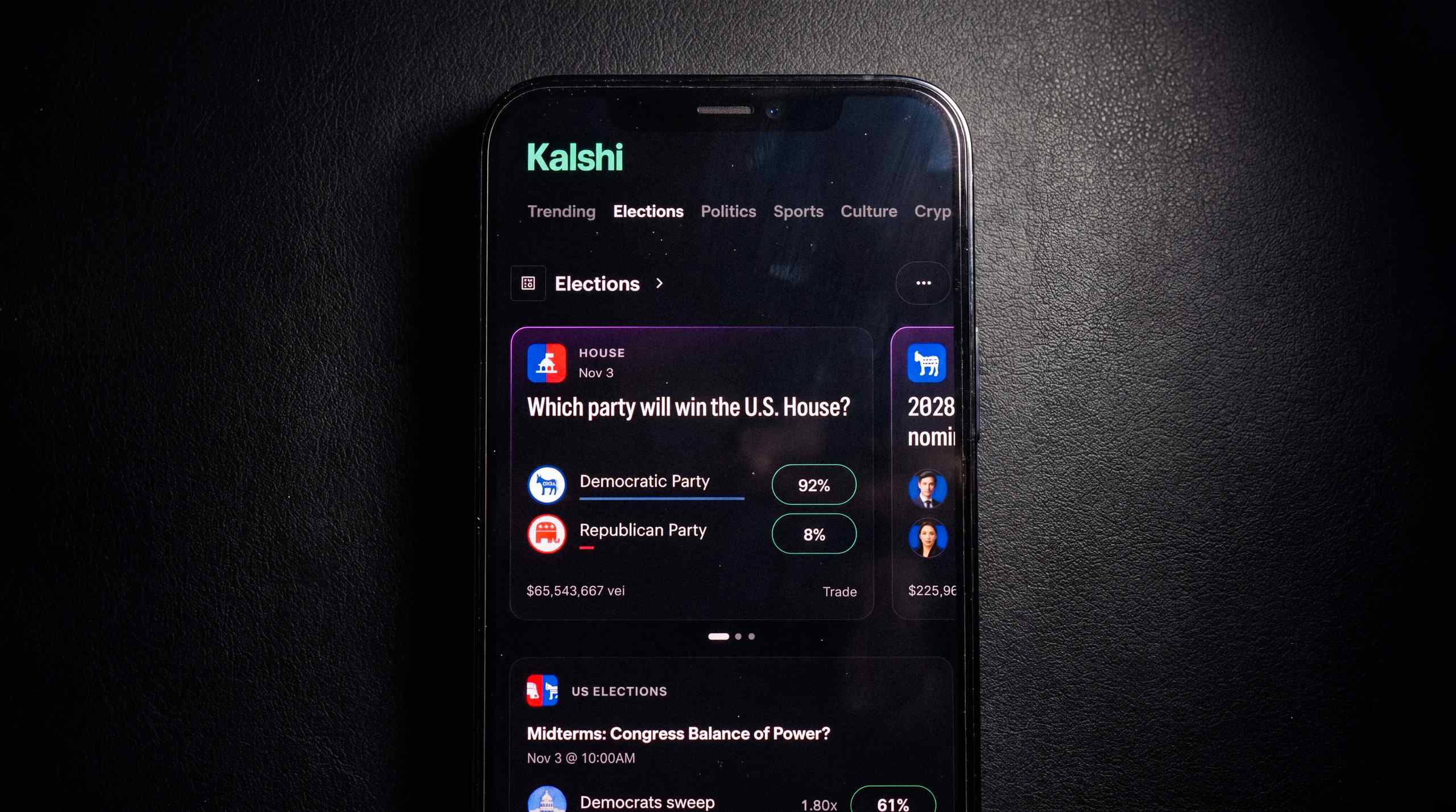
Kalshi, Polymarket Starting to Price the Midterms as Blowout
With just over five weeks to go, Kalshi and Polymarket now heavily favor Democrats for the House and give them the edge in the Senate.
By Stuart Hughes
Kalshi’s NFL Volume Is Exploding. Should Sportsbooks Be Worried?
The NFL season is barely underway, but prediction markets have already handled multiple billions in football trading volume. Is that enough to make sportsbooks nervous?

By Charlon Muscat
Best Prediction Market Apps of 2026
Compare the best prediction market apps and platforms for sports, politics and other events, ranked by market selection, fees, liquidity, user experience and availability.

By James Guill
Prediction Markets vs Sports Betting: Key Differences
Prediction markets vs sports books: odds, vig, trading vs fixed bets, legality by state, combos vs parlays. Which is better for sports bettors?

By Arthur Crowson
Sydney Sweeney to LeBron: Prediction Markets Bet on Star Power
Sydney Sweeney just became an equity partner at Novig. She joins a growing list of A-listers cashing massive checks from prediction markets, including LeBron James, Timothée Chalamet and many others.

By Cole Rush