
How Did Election Betting Work Before Kalshi and Polymarket?
In 1916, bettors wagered more on a presidential race than both campaigns spent combined. Long before Kalshi and Polymarket, America ran a massive, surprisingly accurate election betting market.
%20(1).webp)
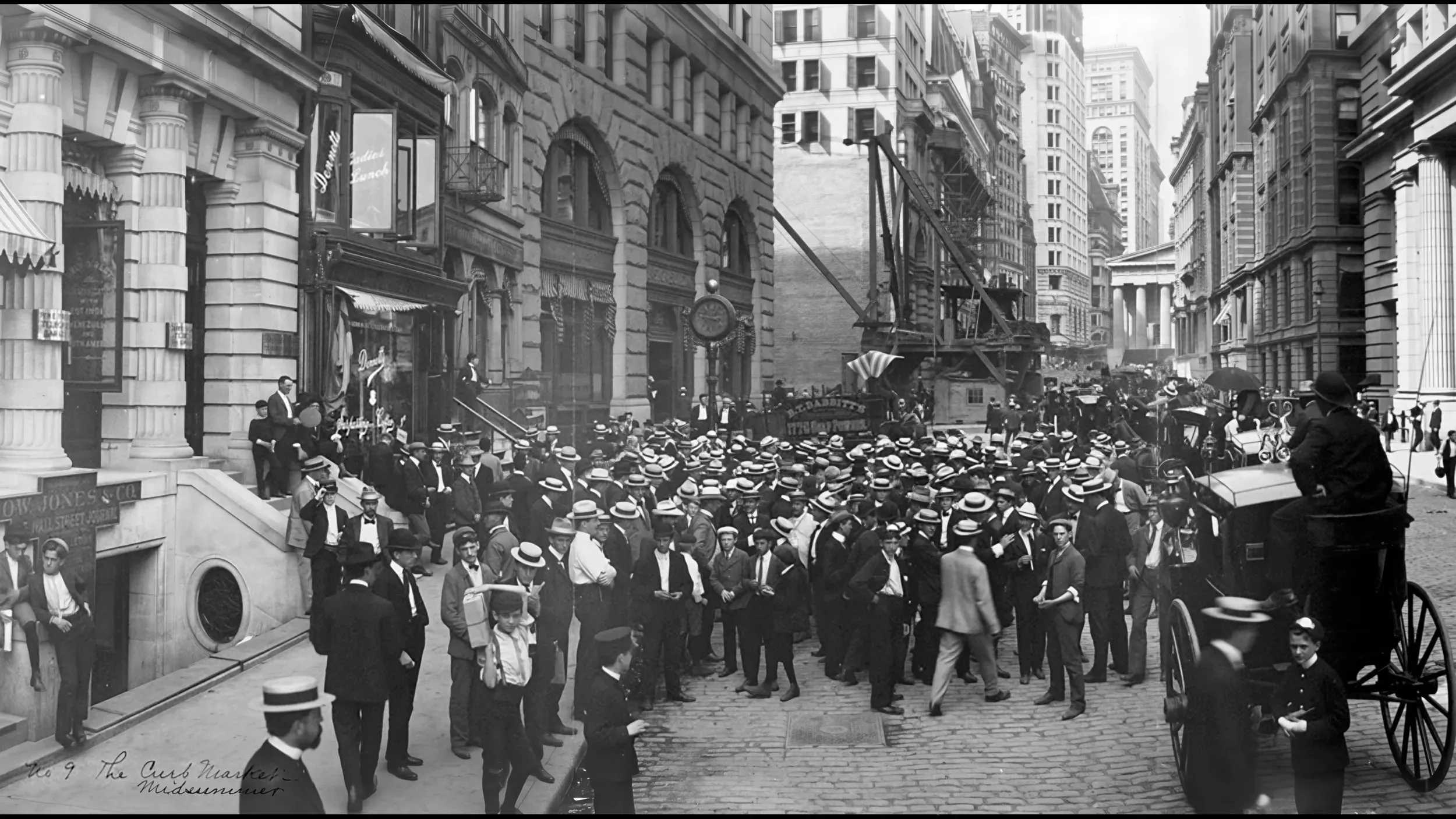
In 1916, bettors poured roughly $10 million, or about $158 million in 2000 dollars, into wagers on the Wilson-Hughes presidential race. It was organized, public, and centered on Wall Street. Before Kalshi, before Polymarket, before anyone called betting on politics a "prediction market," America already ran one, at scale, for the better part of sixty years.
Understanding what that market looked like, and why it vanished, explains a lot about the legal fight prediction markets are stuck in right now.
From Peanut Bets to the Curb Exchange
Election betting in the U.S. goes back further than most people assume. In the 18th and 19th centuries, a lot of it wasn't even about money. So-called "freak bets" had losers performing public stunts instead, rolling peanuts down a street with a toothpick, climbing a greased pole, shaving off their hair. Half a million of these non-financial wagers were reportedly recorded around the 1900 election alone.
By the 1880s, the action had moved somewhere more serious. Betting centered on New York's Curb Exchange and the city's major Broadway hotels, running semi-openly through the mid-1910s. By the 1920s and into the 1930s, specialist firms known as betting commissioners took over, operating out of actual Wall Street offices in a gray zone between brokerage, bucket shop, and bookmaking operation. This was mainstream financial-district activity.
The Markets Were Actually Good at This
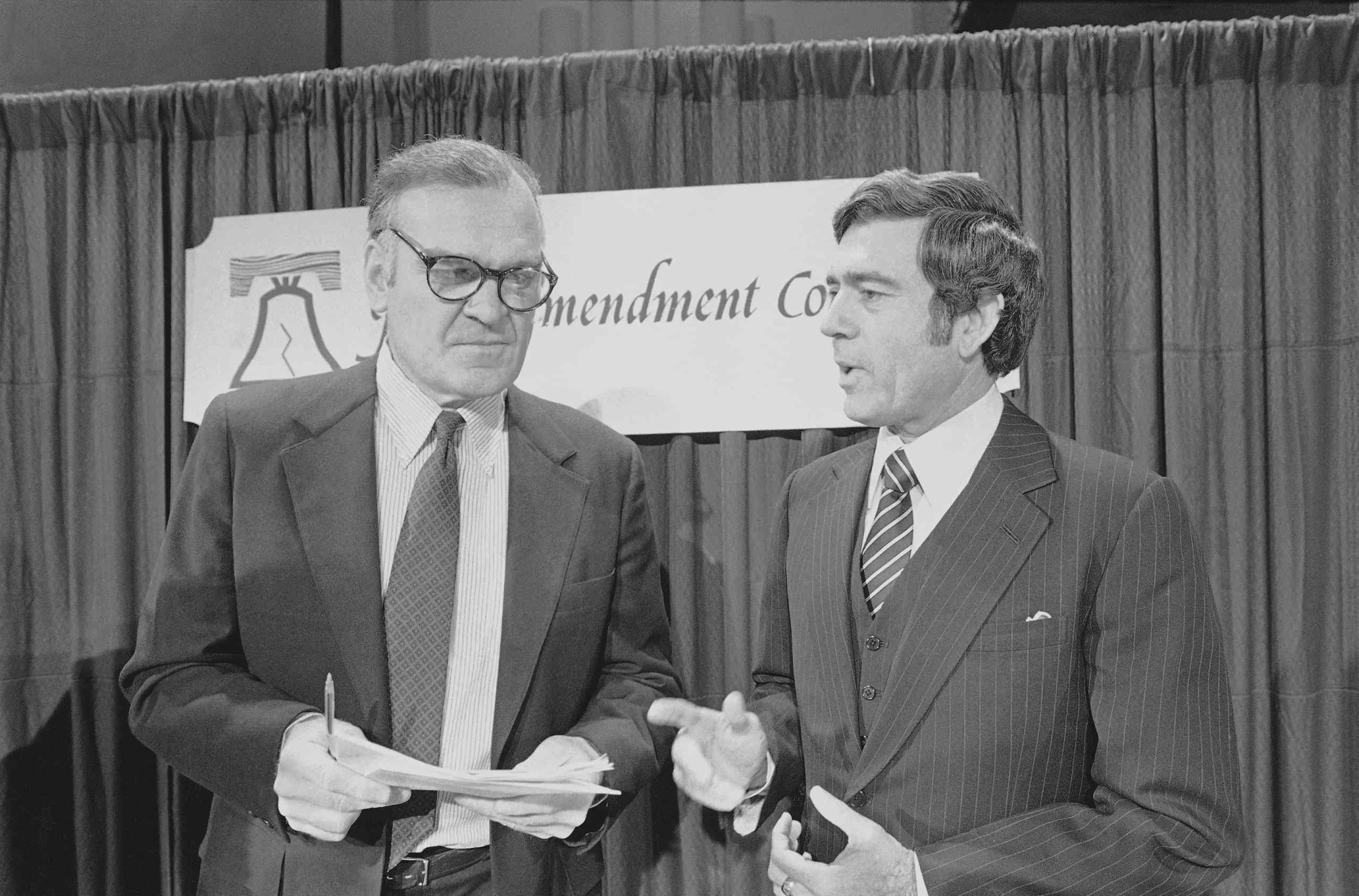
Here's the part that tends to surprise people: these markets worked. Economists Paul Rhode and Koleman Strumpf studied the record and found that the mid-October betting favorite won 11 of 12 decided presidential elections between 1884 and 1940. That's without a single scientific poll to lean on. Bettors, pooling scattered local information, regional sentiment, and campaign gossip through prices, were calling elections correctly weeks ahead of the vote.
A betting market, built entirely on people putting real money behind their read of the political breeze, outperformed the guesswork that passed for political forecasting before Gallup existed. It's the same logic behind modern sports betting lines: aggregate enough informed money and the price becomes a genuinely useful signal (the same signal-versus-noise problem behind most gambling fallacies bettors fall for at the table).
Why It Disappeared
No single event ended it. At least five forces combined to shut the market down over a few decades. Legally, New York's Hart-Agnew Law, passed in 1908 as part of a broader crackdown on bookmaking, banned professional wagering operations and reduced election betting for several years, though the market cooled rather than died, and quietly revived once enforcement eased. Culturally, the rise of scientific polling did more lasting damage.
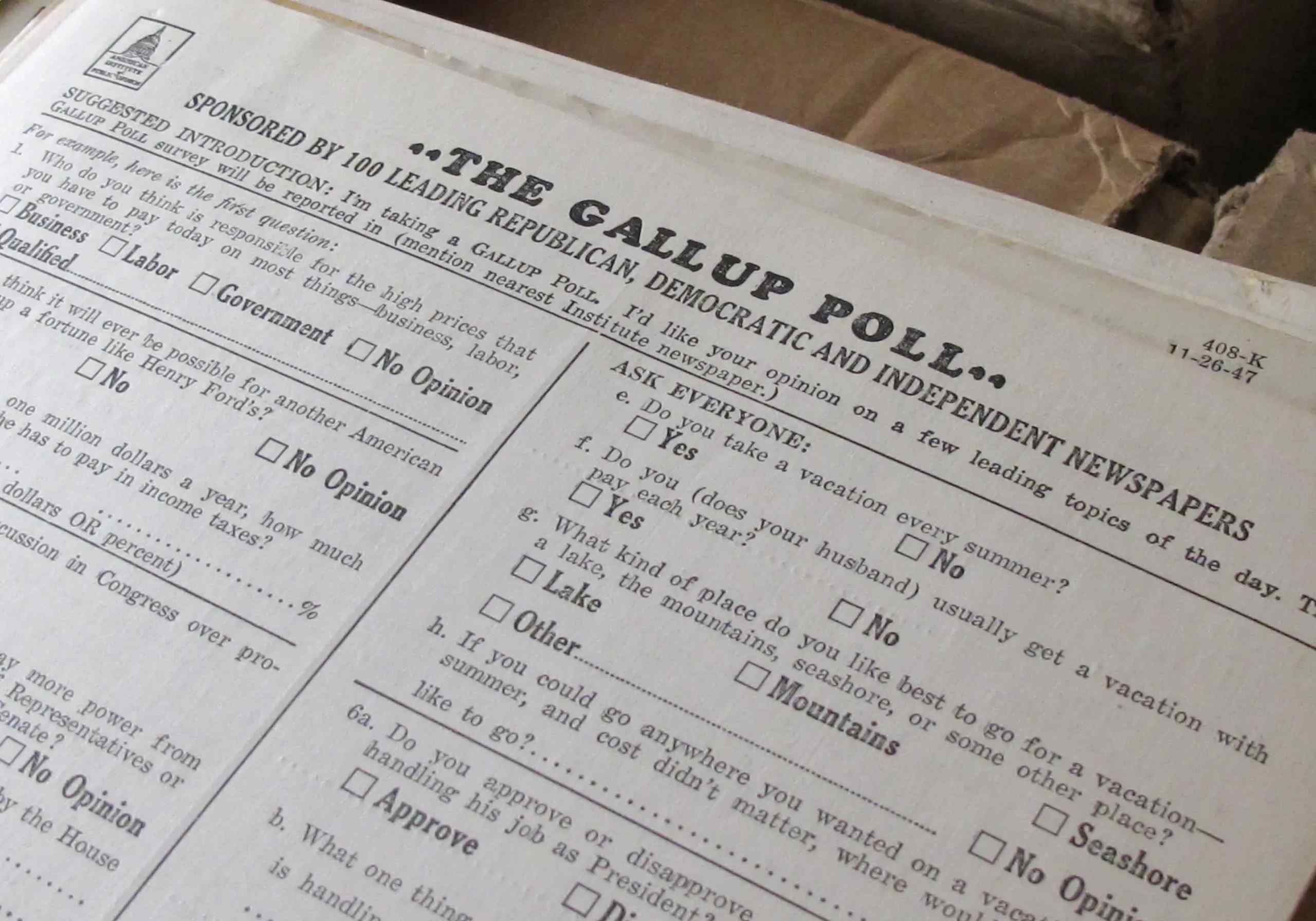
George Gallup, along with fellow pollsters Elmo Roper and Archibald Crossley, correctly called the 1936 election using genuine random samples, while the widely trusted but unscientific Literary Digest poll infamously got it wrong. That gave the public a way to gauge a race without handing money to a bookmaker, and it looked far more respectable, even though the betting markets had called that same election just as accurately.
The infrastructure crumbled too: several of the leading bet commissioners who ran the market died off in the late 1930s and early 1940s, Mayor Fiorello La Guardia's crackdown on illegal gambling made it harder to find anyone still taking bets in the financial district, wartime tax pressure squeezed the money that used to fund it, and New York's 1939 legalization of horse race betting gave bettors and bookmakers alike a legal, daily alternative that election betting, limited to once or twice a year, couldn't compete with.
Market prices were better predictors in the era before polling than after polling became available. The upgrade was in respectability, not accuracy.
Political Betting Timeline
| Era | Where It Happened | Legal Status | Accuracy |
|---|---|---|---|
| 1880s-1910s | Poolrooms, Broadway hotels, the Curb Exchange | Legal-ish, largely unregulated | High |
| 1920s-1940s | Wall Street betting commissioners | Increasingly restricted | High |
| 2024-2026 | Kalshi, Polymarket, PredictIt | Actively contested in court and Congress | Disputed |
The Same Game With New Referees
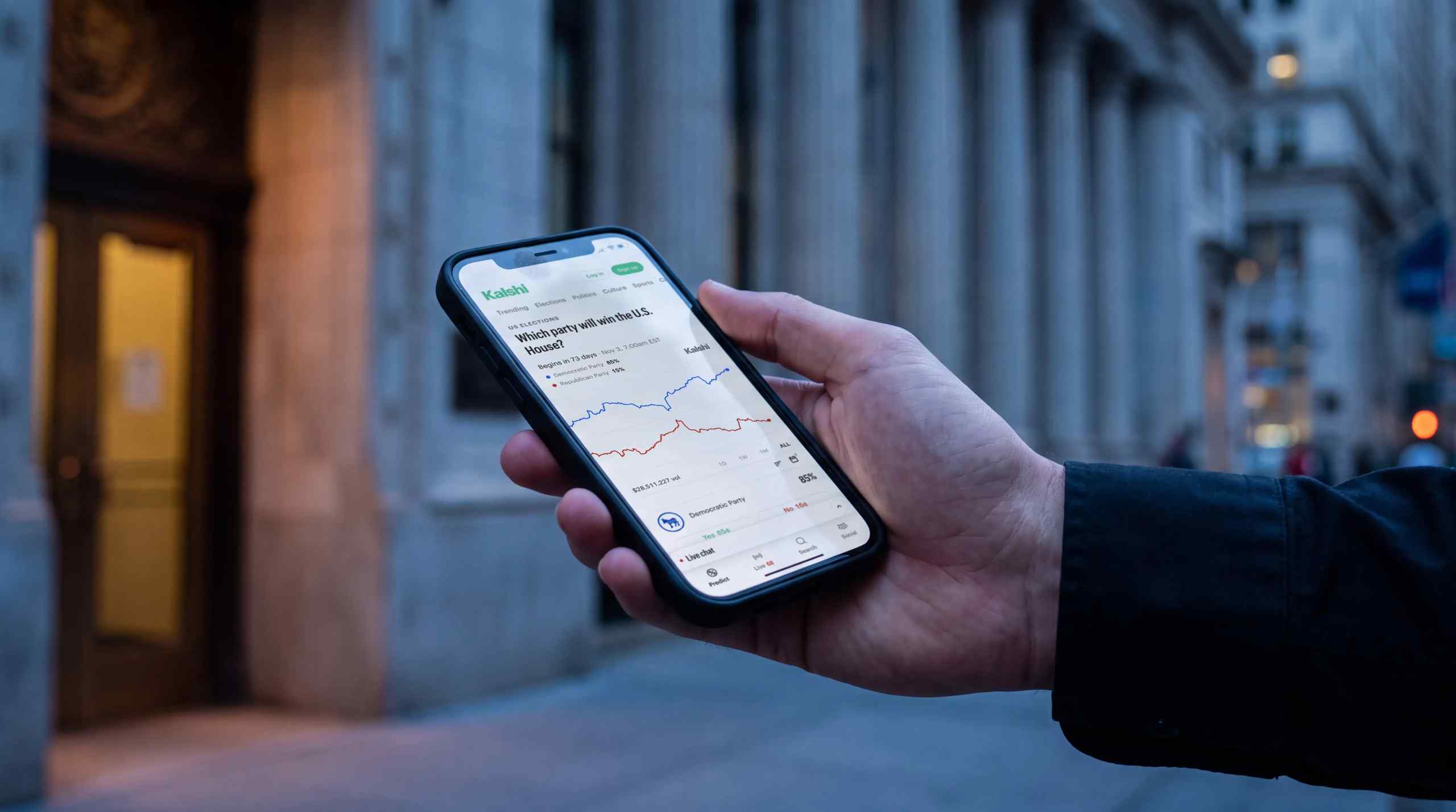
A century later, the exact question is back in play. Is this a financial market or a gambling product? Kalshi sued the CFTC after being blocked from listing election contracts and won at the district court level in September 2024, a ruling the CFTC initially appealed at the district court level but eventually relented.
The fight didn't stay federal for long. In March 2026, a Nevada court granted the state Gaming Control Board a temporary restraining order barring Kalshi from offering election, sports, and entertainment contracts inside the state. That same month, Senators Adam Schiff and John Curtis introduced legislation aimed at barring CFTC-regulated platforms from listing sports contracts and anything resembling "casino-style games."
Swap in "poolrooms" for "prediction market platforms" and "Hart-Agnew Law" for "state gaming boards," and it's essentially the same argument New York had in 1908. That fight has already spread well past elections into prediction markets on reality TV, awards shows, and pop culture outcomes, proof this is a much older battle than most current coverage lets on. It's also why traditional sportsbooks can't just watch from the sidelines, DraftKings and FanDuel have their own reasons to take this seriously, since the same customers placing an election contract today are the ones a sportsbook wants building a parlay tomorrow.
The Bottom Line
Prediction markets are the return of a market America already built, ran, and largely got right for over half a century, before a law and a pollster's lucky headline talked the country out of it.
The question regulators are fighting over right now, whether this counts as investing or betting, is the same one New York already answered once. The answer is apparently up for a rematch.
Cole Rush is a freelance writer, crossword constructor, and creative tinkerer with more than 10 years of experience writing about anything and everything. Cole’s primary area of expertise is the gambling industry, covering the expansion of sportsbooks and online casinos alongside emerging spaces like sweepstakes casinos and prediction markets.
More Articles like this
NBA Targets Risky Bets. Will Kalshi, Polymarket Play Ball?
The NBA is banning several easily manipulated bets at sportsbooks. But will Kalshi and Polymarket follow suit?
By Stuart Hughes
Kalshi Wants Margin Trading. What Could Go Wrong?
Kalshi’s proposed margin system would let eligible traders put up less than the full value of some positions, freeing capital for other trades while also introducing a new layer of leverage and risk.

By Charlon Muscat
Kalshi, Polymarket Starting to Price the Midterms as Blowout
With just over five weeks to go, Kalshi and Polymarket now heavily favor Democrats for the House and give them the edge in the Senate.
By Stuart Hughes
Kalshi’s NFL Volume Is Exploding. Should Sportsbooks Be Worried?
The NFL season is barely underway, but prediction markets have already handled multiple billions in football trading volume. Is that enough to make sportsbooks nervous?
By Charlon Muscat
Best Prediction Market Apps of 2026
Compare the best prediction market apps and platforms for sports, politics and other events, ranked by market selection, fees, liquidity, user experience and availability.

By James Guill
Prediction Markets vs Sports Betting: Key Differences
Prediction markets vs sports books: odds, vig, trading vs fixed bets, legality by state, combos vs parlays. Which is better for sports bettors?
By Arthur Crowson