
Are Prediction Market Ads Too Aggressive?
Prediction markets advertise like sportsbooks but answer to federal exchange rules instead of state gambling law. New York wants to know if that gap is being exploited, and whether the marketing crossed into predatory territory.
 (1).webp)
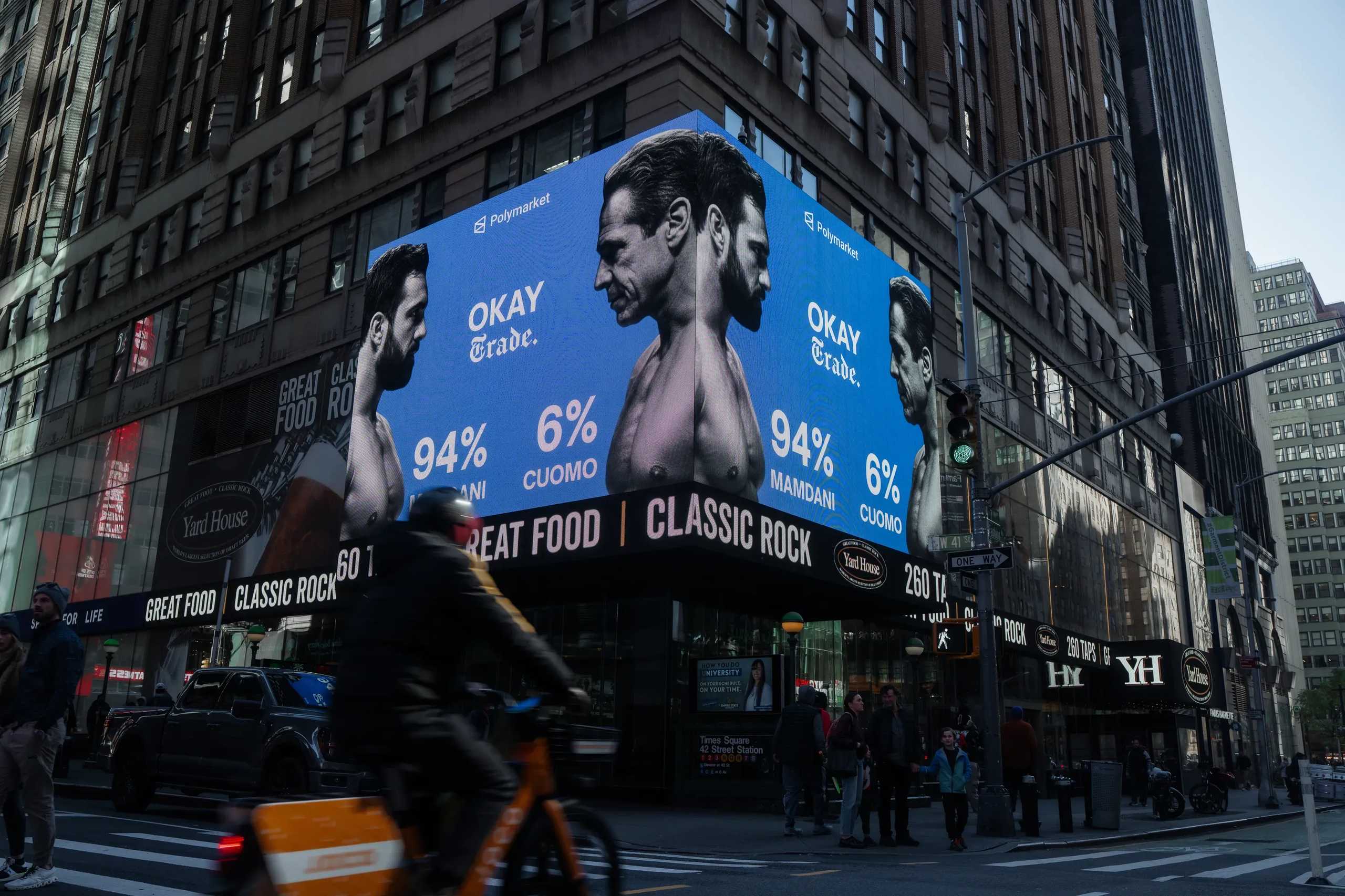
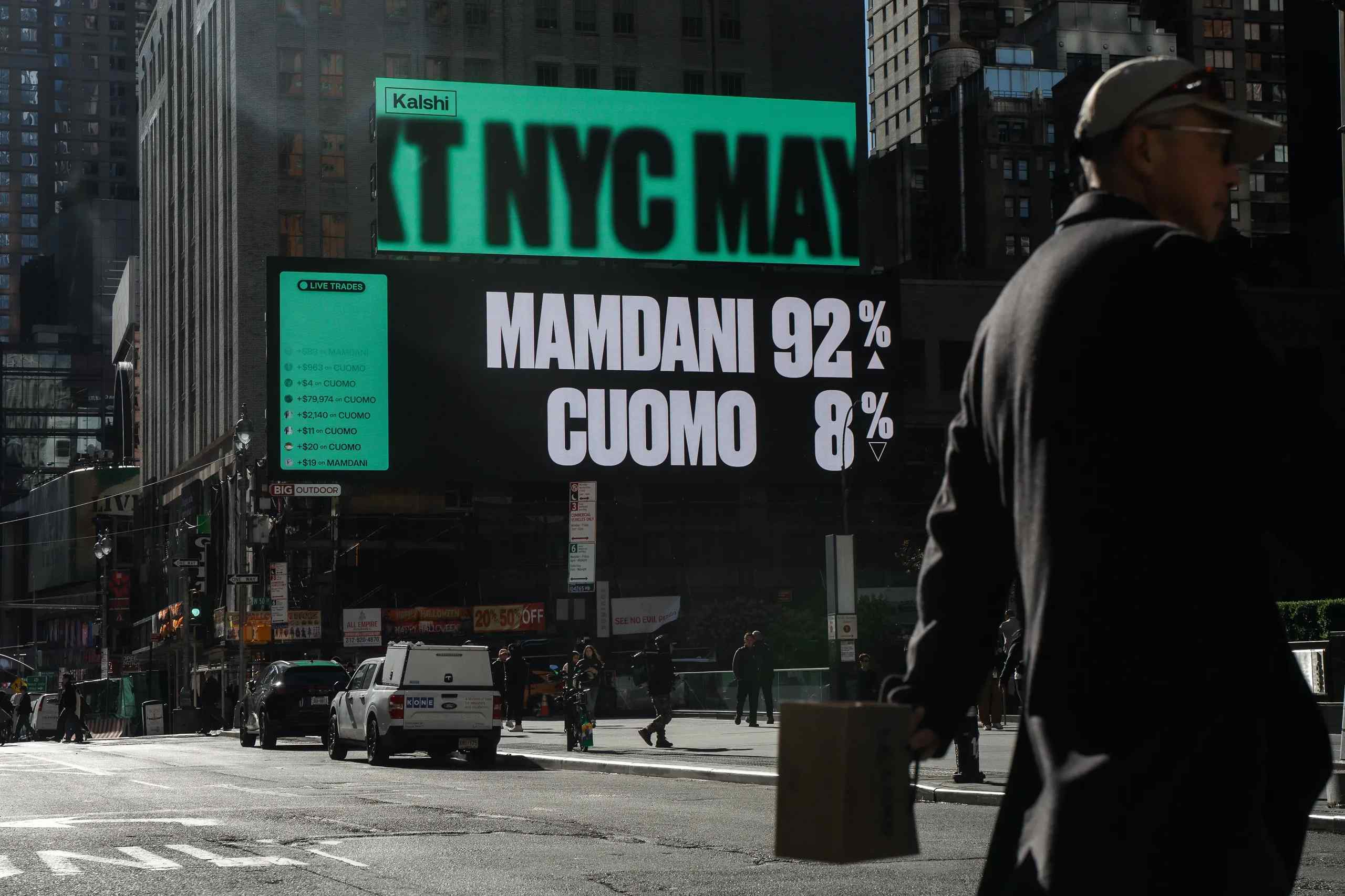
Prediction markets are impossible to avoid right now. Kalshi and Polymarket ads run across sports broadcasts, TikTok feeds, and news partnerships, while both companies insist they're financial exchanges, not gambling companies.
On August 12, 2026, the New York City Council opened an investigation into Kalshi, Polymarket, Coinbase, and Gemini Titan over allegedly deceptive marketing, with particular concern for younger users. The bigger question underneath it: are prediction markets exploiting a regulatory gap that lets them advertise more aggressively than a licensed sportsbook ever could?
What Is New York Investigating?
Council Speaker Julie Menin sent letters to all four companies requesting details on their marketing strategies, with a hearing to follow. The Council says it wants to determine whether new consumer protection legislation, enforcement action, public education campaigns, or health measures are warranted.
Part of the probe leans on a Wall Street Journal review of more than 1,100 creator videos tied to Polymarket. In 70% of them, creators appeared to be placing real bets, but signs suggested the trades were staged. Polymarket said it would audit its promotional content.
A city council has real oversight power over legislation and public pressure, but not much direct authority over a federally registered exchange. That tension is already playing out. New York's governor and attorney general sued Kalshi in July over alleged illegal gambling, and the CFTC promptly used emergency authority to order Kalshi to keep operating in the state anyway.

The Ads That Raised Questions
Kalshi's TikTok, Instagram, and YouTube campaigns lean hard on "side hustle" framing. Ads have featured young creators claiming to have made "$761 and 7 cents" overnight or "$270 this week from my bed." A UCLA gambling-behavior researcher told Media Matters the pitch functions identically to gambling marketing, just without the word “gambling” attached to it. The National Council on Problem Gambling's public affairs director added that the ads' language around expected wins and unclear odds "would never pass a regulator's test" if a licensed sportsbook ran them. Kalshi's spokesperson pushed back, saying the company is federally regulated, has no "house" taking the other side of every bet, and is "fairer and less predatory than gambling."
The NFL has its own answer to that debate. Before the 2025 season, the league added prediction-market ads to its Super Bowl prohibited list, in the same category as tobacco, pornography, and firearms, citing a lack of safeguards against manipulation. Traditional sportsbook ads are still allowed, with a cap of six spots. One form of betting-adjacent advertising is grouped with contraband, and the other gets a seat at the table, largely because sports leagues have their own reasons to remain wary of prediction markets even as they thrive on the ad revenue sportsbooks provide.
Why Prediction Markets Have an Advertising Advantage
The core asymmetry is regulatory. Kalshi has held Designated Contract Market status with the CFTC since 2020, making it a federally registered exchange under the Commodity Exchange Act rather than a state-licensed gambling operator. Sportsbooks answer to individual state gaming commissions, which is exactly why DraftKings and FanDuel can't afford to ignore what prediction markets are doing to their regulatory cost structure.
Legal Requirements for Prediction Markets vs. Sportsbooks
| Requirement | CFTC-Regulated Prediction Market | Typical Regulated Sportsbook |
|---|---|---|
| Minimum age | 18 | 21 |
| State gaming license required | No | Yes |
| Federal market registration | Yes, CFTC Designated Contract Market | No |
| Responsible gambling messaging required | Not mandated | Required in nearly all states |
| Self-exclusion program | Voluntary, opt-in | Mandatory, state-run registries |
| Advertising audience restrictions | None specific to age threshold | Common rule: ads limited to audiences roughly 73%+ age 21 or older |
| States available | Claims all 50, contested in several via active lawsuits | Licensed individually, roughly 38-39 states |
Are They Really Different From Sportsbooks?
Kalshi's position is that users trade probabilities against each other, not against a house, and that federal commodities law already covers the activity. Critics, including state regulators now suing the company, argue the practical experience looks identical: binary outcomes, odds that move with activity, sports-event settlement, and marketing aimed squarely at sports fans.
The self-exclusion comparison is a useful test case for the nuance here. Kalshi does offer a voluntary self-exclusion tool and funds a National Council on Problem Gambling initiative, so it's not accurate to say the company has done nothing. But that tool is opt-in and buried in a help center, while sportsbooks are required to build self-exclusion into state-run registries and surface it in their marketing. Same concept, very different obligation.

What "Predatory" Actually Means, and What Happens Next
It's worth separating four different things: aggressive marketing (loud, everywhere, legal), misleading marketing (the WSJ's staged-bet videos), legally prohibited marketing (what a licensed sportsbook couldn't run under state rules), and proven predatory conduct, meaning a regulator has actually found intent to exploit vulnerable users. Right now, the New York investigation covers the first three categories. Nothing has been legally established as the fourth, and the Council's letters are requests for information, not verdicts.
Where this goes next likely depends on which rulebook eventually wins. Tighter CFTC advertising standards, state-level age and disclosure rules, or mandatory helpline messaging could all close the gap that currently lets prediction markets look and sound like sportsbooks without carrying a sportsbook's obligations. Until regulators sort out which set of rules actually applies, prediction markets' biggest advantage isn't the product. It's the paperwork.
Cole Rush is a freelance writer, crossword constructor, and creative tinkerer with more than 10 years of experience writing about anything and everything. Cole’s primary area of expertise is the gambling industry, covering the expansion of sportsbooks and online casinos alongside emerging spaces like sweepstakes casinos and prediction markets.
More Articles like this
Kalshi Wants Margin Trading. What Could Go Wrong?
Kalshi’s proposed margin system would let eligible traders put up less than the full value of some positions, freeing capital for other trades while also introducing a new layer of leverage and risk.

By Charlon Muscat
Kalshi, Polymarket Starting to Price the Midterms as Blowout
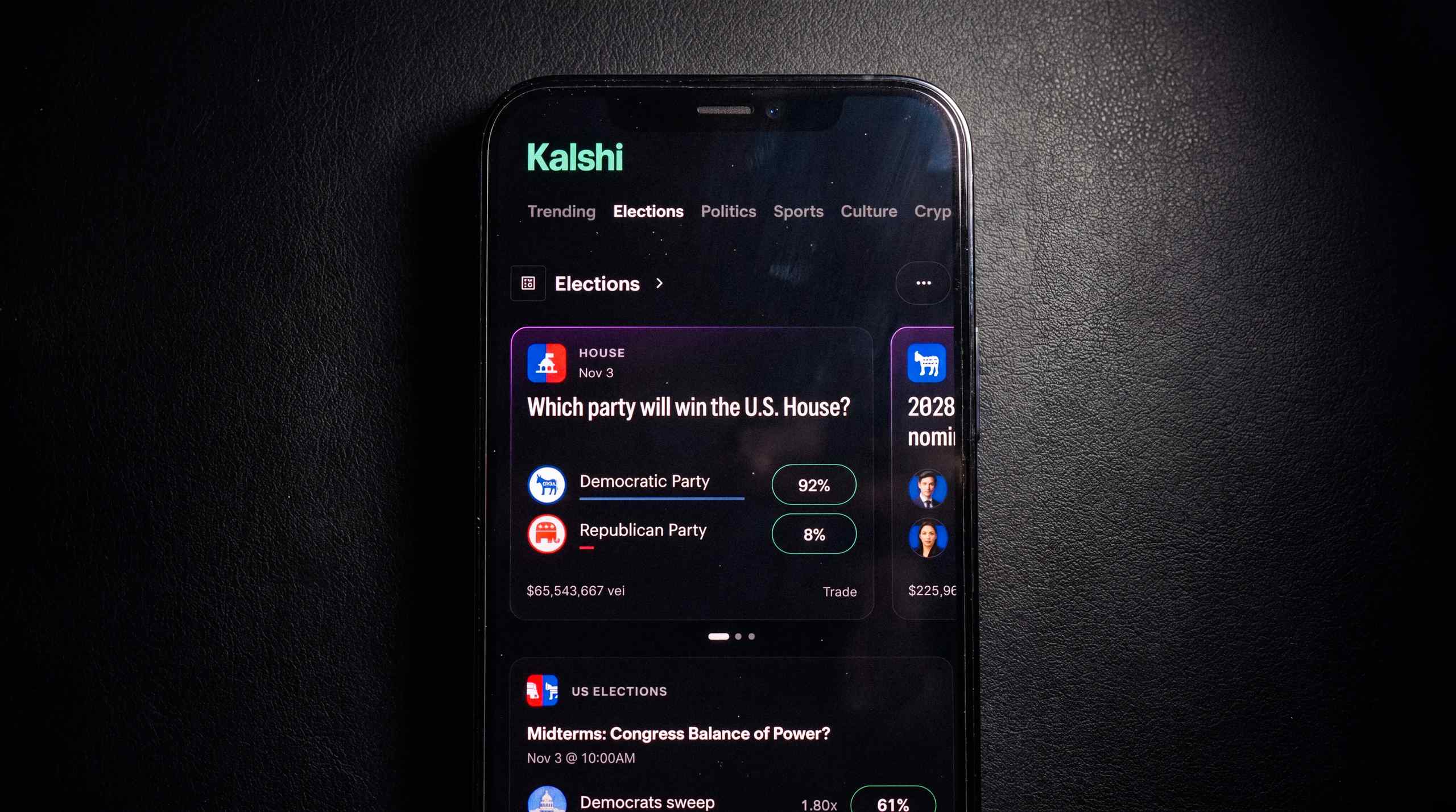
With just over five weeks to go, Kalshi and Polymarket now heavily favor Democrats for the House and give them the edge in the Senate.
By Stuart Hughes
Kalshi’s NFL Volume Is Exploding. Should Sportsbooks Be Worried?
The NFL season is barely underway, but prediction markets have already handled multiple billions in football trading volume. Is that enough to make sportsbooks nervous?

By Charlon Muscat
Best Prediction Market Apps of 2026
Compare the best prediction market apps and platforms for sports, politics and other events, ranked by market selection, fees, liquidity, user experience and availability.

By James Guill
Prediction Markets vs Sports Betting: Key Differences
Prediction markets vs sports books: odds, vig, trading vs fixed bets, legality by state, combos vs parlays. Which is better for sports bettors?

By Arthur Crowson
Sydney Sweeney to LeBron: Prediction Markets Bet on Star Power
Sydney Sweeney just became an equity partner at Novig. She joins a growing list of A-listers cashing massive checks from prediction markets, including LeBron James, Timothée Chalamet and many others.
By Cole Rush


