How to Bluff in Poker
This guide explains how to bluff in poker using position, bet sizing, hand selection, and bluff frequency so readers can turn deception into a repeatable, profitable skill.

Bluffing in poker means betting or raising with a hand that is not the best at the table in order to convince opponents to fold stronger holdings. Successful bluffs combine credible bet sizing, position, and a read on an opponent's tendencies rather than blind aggression.
Key Takeaways
- Bluffing in poker means betting or raising with a weak hand to force stronger hands to fold.
- Effective bluffs depend on believable bet sizing, table image, and reading opponent tendencies rather than guesswork.
- Semi-bluffing with drawing hands gives two ways to win: immediate folds or improving to the best hand by the river.
- Balanced bluff frequency ties directly to pot odds, with a pot-sized river bet requiring close to a 33 percent bluff mix to stay unexploitable.
- Overbluffing against calling stations and underbluffing against tight opponents are two of the costliest bluffing errors.
Poker Bluffing Summary
| Category | Detail |
|---|---|
| Difficulty level | Intermediate |
| Estimated time to learn basics | About 2000 hands |
| Best suited for | No-limit hold'em cash game and tournament players |
| Related topic | Continuation betting |
Why Does Bluffing in Poker Matter?
Bluffing in poker matters because it stops a player's strategy from becoming predictable and exploitable by observant opponents. Without the threat of a bluff, opponents can safely fold every time a player bets, since only strong hands would ever be represented. Mastering bluff timing and frequency turns a straightforward, honest style into a balanced, profitable one that can win pots regardless of the cards dealt.
What Are the Different Types of Bluffs in Poker?
| Bluff Type | Description | Best Used When |
|---|---|---|
| Pure bluff | Betting with no equity, winning only through a fold | Opponent shows heavy weakness through checks or calls |
| Semi-bluff | Betting with a drawing hand that can still improve | You hold outs to a flush or straight |
| Continuation bluff | Betting the flop after raising preflop, regardless of fit | You were the preflop aggressor on a dry board |
| Stone-cold river bluff | Betting a busted hand on the final street | Opponent's range looks capped at medium strength |
What Does It Mean to Bluff in Poker?
To bluff in poker means to bet or raise with a hand weaker than what you are representing, hoping your opponent folds a better hand. The tactic works because poker rewards perceived strength rather than actual card quality, so a well-timed bluff can win a pot without ever reaching showdown. A common vehicle for this deception is the continuation bet, where a player who raised before the flop keeps betting after the flop regardless of whether the cards helped their hand.
When Is the Best Time to Bluff in Poker?
The best time to bluff in poker is when position, board texture, and an opponent's likely range all suggest they will fold to pressure. Acting after opponents who checked or called from the blinds gives a bluffer extra information about hand strength before committing chips. Dry, uncoordinated boards that missed multiple players are also prime bluffing spots because few opponents can continue profitably.
Which Hands Work Best for Bluffing in Poker?
The hands that work best for bluffing in poker are those with some backup equity, such as a flush draw, a straight draw, or strong blockers to the cards an opponent needs to continue. Deciding which poker hands to play before the flop already narrows this decision, since suited connectors and suited aces retain the most value when a bluff gets called. A semi-bluff with outs is stronger than a bluff with zero chance of improving, because it can win the pot immediately or later at showdown.
How Do You Size a Bluff Bet in Poker?
Sizing a bluff bet in poker means choosing a wager large enough to make folding the rational choice while staying consistent with how a genuine value hand would be bet. A bet between half and three-quarters of the pot typically matches the size a strong hand would use, keeping opponents guessing about the true holding. Betting too small invites a cheap call, while betting far beyond a credible amount can look suspicious and get picked off.
How Often Should You Bluff in Poker?
How often you should bluff in poker depends on the pot odds being offered to an opponent, since balanced play ties bluff frequency directly to bet size. For a pot-sized bet on the river, the mathematically balanced mix is close to one bluff for every two value bets, or roughly a third of the betting range. Deviating from that ratio against a specific opponent who folds too much or calls too often can raise profit beyond the theoretical baseline.
How Do You Read an Opponent Before Bluffing in Poker?
Reading an opponent before bluffing in poker means paying attention to betting patterns, timing, and how their actions match the story the board is telling. Players who check twice and then face aggression often hold weaker hands than their earlier action suggested, making them better bluffing targets. Tracking these tendencies over many hands, rather than reacting to a single session, produces far more reliable bluffing decisions.
What Are Some Real Examples of Bluffing in Poker?
Example One: Semi-Bluffing a Flush Draw
In this example, a player holds two spades on a flop showing two more spades, giving them a flush draw with nine outs to the best hand. Betting here as a semi-bluff can win the pot immediately if opponents fold, or complete the flush by the river for a strong value hand. Calculating the implied odds of hitting that flush and winning a bigger pot afterward confirms the semi-bluff is profitable even when called.
Example Two: Continuation Bluff on a Dry Flop
In this example, a player raises preflop with two big cards, misses the flop entirely, but bets again anyway on a low, disconnected board such as seven-four-two. Since the raiser's preflop range looks stronger than the caller's, most opponents fold hands that did not pair the board, making this a profitable bluff despite holding nothing.
What Are the Most Common Mistakes When Bluffing in Poker?
- Bluffing too often against calling stations, who call with any pair regardless of pressure.
- Choosing bet sizes that do not match value bets, which tips off observant opponents.
- Bluffing with zero backup equity when a semi-bluff with outs was available instead.
- Firing bluffs out of position into multiple opponents who have not shown weakness.
- Never bluffing at all, which makes a player's strong-hand betting easy to avoid.
How Does Bluffing in Poker Compare to Slow Playing and Board Game Bluffing?
Bluffing in poker differs from slow playing because a bluff represents strength with a weak hand, while slow playing hides strength behind a weak-looking check or call. Both tactics rely on deception, but they push opponents in opposite directions, one toward folding and the other toward betting into a trap.
The same bluffing instinct that poker players sharpen at the table also traces back to older tabletop traditions, since board games borrowed bluffing and risk-taking mechanics long before hold'em became popular.
Slow Playing or Bluffing?
| Tactic | Hand Strength | Goal | Main Risk |
|---|---|---|---|
| Bluffing | Weak or no made hand | Force folds from better hands | Lose the full bet if called |
| Slow playing | Strong made hand | Induce bets from worse hands | Opponent may improve hand and win |
What Is the Bottom Line on How to Bluff in Poker?
The bottom line on how to bluff in poker is that timing, hand selection, and bet sizing matter more than raw aggression or gut feeling. Balanced bluffing frequency keeps opponents guessing, while reading their tendencies turns a generic tactic into a targeted, profitable weapon.
Bodog's poker tables give players plenty of room to practice these reads in real hands, and the discipline to bluff selectively, rather than constantly, is what separates a winning player from a predictable one.
Frequently Asked Questions About Poker Bluffing
What is the simplest way to bluff in poker?
The simplest way to bluff in poker is to bet or raise with a hand you do not expect to win at showdown, chosen in a spot where opponents are likely to fold.
Is bluffing necessary to win at poker?
Bluffing is necessary to win at poker over the long run, because a player who only bets strong hands becomes easy to read and exploit.
How do you know if a bluff will work?
A bluff is more likely to work when position, bet sizing, and board texture all support the story the bets are telling.
What is a semi-bluff?
A semi-bluff is a bet made with a hand that is not currently the best but has outs, such as a flush or straight draw, to improve later in the hand.
How often should you bluff in poker?
How often you should bluff in poker depends on bet size, with a pot-sized bet typically requiring close to a one-to-two bluff-to-value ratio to stay balanced.
What is the biggest mistake new players make when bluffing?
The biggest mistake new players make when bluffing is firing bets with no backup equity in spots where stronger opponents are unlikely to fold.
Can you bluff too much in poker?
You can bluff too much in poker, and doing so against opponents who rarely fold turns a bluff into a guaranteed loss of chips.
Continue Learning About Poker Strategy
- Exploitative poker strategy: learn how to deviate from balanced play to target specific opponent weaknesses instead of relying on a fixed bluffing formula.
- Poker HUDs explained: see how tracking software surfaces betting patterns and folding tendencies that can sharpen future bluffing decisions.
- Why poker keeps surviving: explore the reasons the game, and the bluffing skill at its core, has stayed popular across generations of players.
Arthur Crowson got his start in traditional newspapers before making the jump to digital media, where he's spent the last ten years writing about poker, finance, crypto, gambling, and emerging tech. Over that time, he's developed a knack for spotting the moments when markets, technology, and gambling pull in the same direction. His work has appeared in publications like PokerListings, CryptoVantage, ValueWalk, and PokerScout.
More Articles like this
Why Poker Keeps Surviving Every New Gambling Trend
New gambling trends come and go, but poker keeps finding a way to stay in the game.
By Lucie Turner
Lucas Jumalon Wins: The Highs and Lows of the 2026 WSOP Final Table
Lucas Jumalon led throughout the final table to capture the 2026 WSOP Main Event bracelet and $10 million. Here’s how the final table unfolded, plus the biggest broadcast highs and lows.
By James Guill
Who Will Win the 2026 WSOP Main Event?
Lucas Jumalon heads into the 2026 WSOP Main Event final table as the overwhelming chip leader. Is his chip lead truly overwhelming or will someone else rise to win?
By James Guill
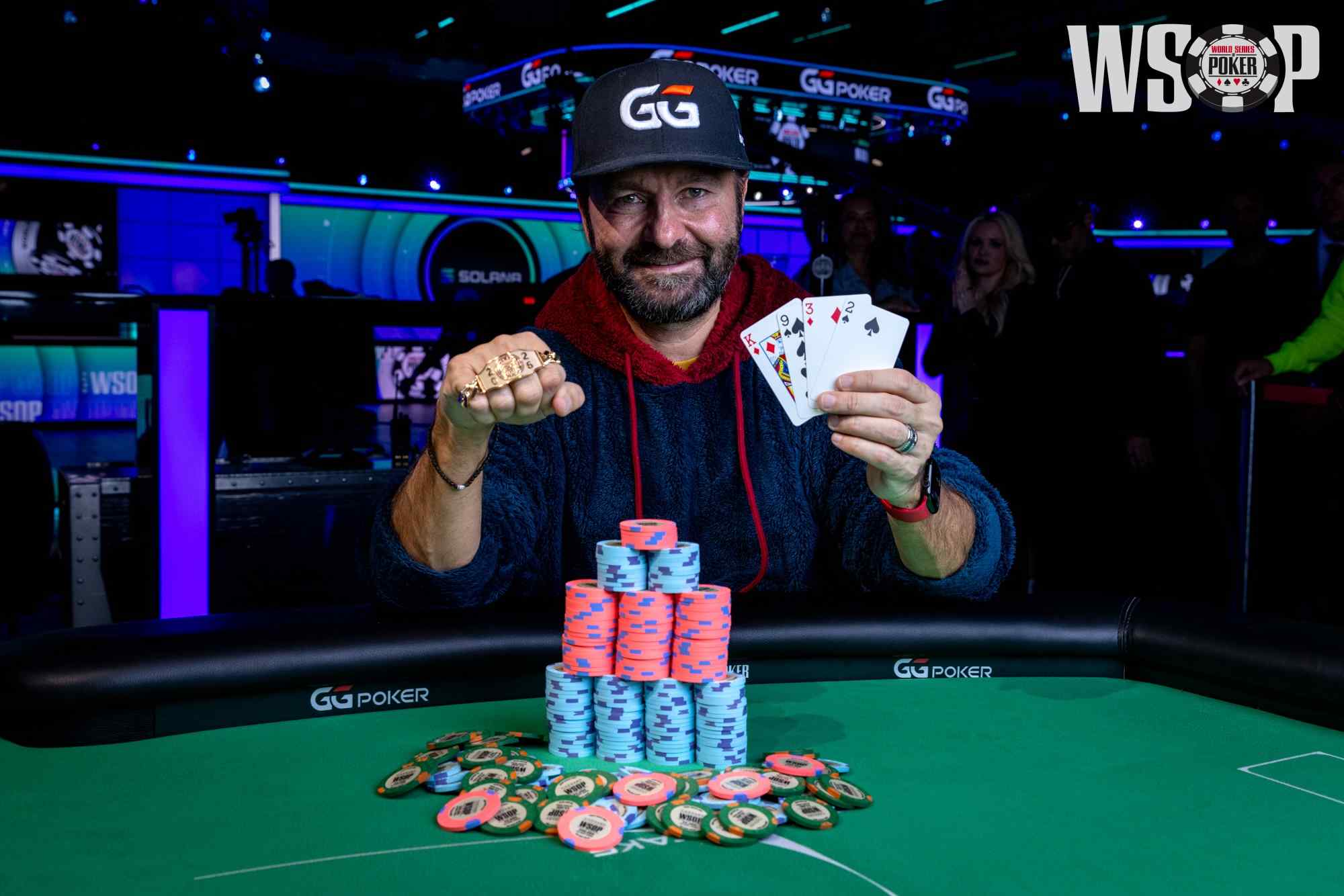
Ranking Daniel Negreanu's Eight WSOP Bracelet Wins
Daniel Negreanu's eighth WSOP bracelet adds another chapter to one of poker's greatest careers. We rank every bracelet win by prestige, competition, historical significance, and legacy.
By Lucie Turner
2026 WSOP Main Event Final Table Set. Who Wins $10 Million?
A $10 million first prize is on the line as nine players return in August to battle for poker's biggest championship. Meet the 2026 WSOP Main Event finalists.

By Arthur Crowson
What Is a Bad Beat in Poker?
Bodog explains what a bad beat is in poker, why it happens, how bad beat jackpots work, and how players can manage the emotional and strategic fallout of a tough loss.
By Arthur Crowson