What is a Continuation Bet?
Bodog explains what a continuation bet is in poker, how c-bet frequency and sizing work, and why the play remains one of the most important postflop tools for winning players.

A continuation bet, or c-bet, is a bet placed on the flop by the same player who made the last raise before the flop, regardless of whether the flop actually improved that player's hand. It lets the preflop aggressor keep applying pressure and frequently wins the pot outright when opponents miss the board.
Key Takeaways
- A continuation bet is a flop bet made by whoever raised last preflop, whether or not the flop helped their hand.
- Position changes frequency: in-position players can profitably c-bet 60 to 80 percent of the time, while out-of-position players usually sit closer to 40 to 50 percent.
- Bet sizing should track board texture, with smaller bets of 25 to 35 percent of the pot on dry boards and larger bets of 65 percent or more on wet, coordinated boards.
- Firing a continuation bet on every single flop removes the balance that makes the play profitable and turns you into an easy target.
- Multiway pots demand a tighter, more selective continuation bet range than heads-up pots.
Quick Facts About Continuation Bets
| Category | Details |
|---|---|
| Difficultly level | Beginner concept, intermediate to master |
| Estimated time to learn | 50 to 100 hands to gain a strong grasp. Ongoing practice for frequency and sizing |
| Best suited for | No-limit hold'em and pot-limit Omaha cash game and tournament players |
| Related topic | Board texture and range advantage in postflop poker strategy |
Why Does Understanding a Continuation Bet Matter for Your Results?
Understanding a continuation bet matters because the decision to c-bet or check comes up in nearly every hand you play as the preflop raiser, so small errors in frequency or sizing compound into meaningful losses across a full session. Players who c-bet on autopilot give away information and chips to attentive opponents. Players who never c-bet leave dead money on the table that a well-timed bet would have collected. Getting this single decision right is one of the fastest ways to raise your overall win rate.
How Does Continuation Bet Frequency Vary by Position and Board Texture?
Continuation bet frequency varies sharply depending on whether you hold position and how coordinated the flop is, with in-position players betting far more often than out-of-position players on the same boards. The table below summarizes commonly cited frequency ranges for single-raised, heads-up pots.
Continuation Betting By the Math
This table summarizes commonly cited frequency ranges for single-raised, heads-up pots.
| Scenario | Recommended C-Bet Frequency | Typical Bet Size |
|---|---|---|
| In position, dry board (e.g. K-2-2) | 60% to 80% | 25% to 35% of the pot |
| In position, wet board (e.g. 9-8-7 two-tone) | 50% to 65% | 65% or more of the pot |
| Out of position, single opponent | 40% to 50% | Varies with rare strength |
| Multiway pot (3+ players) | Below 40%, value-heavy | 70% to 80% of pot |
How Does a Continuation Bet Work After the Flop?
A continuation bet works by having the player who raised before the flop follow through with another bet on the flop, regardless of whether the community cards improved their hand.
This single action carries the initiative from the preflop raise into the next round, forcing callers to make a decision with a hand that missed the board more often than not.
At its foundation, a continuation bet is still just a wager on an uncertain outcome, the same basic idea behind any bet placed at a table. Because most starting hands fail to connect strongly with three random community cards, the c-bet exploits raw probability as much as any read on an opponent.
What Poker Terminology Do You Need to Understand a Continuation Bet?
Understanding a continuation bet requires a handful of companion terms, including board texture, range advantage, fold equity, and donk bet, since these words describe the exact conditions that make a c-bet profitable or risky. Board texture tells you how likely the flop is to have hit either player's range. Range advantage tells you whose overall holdings are stronger on that specific flop.
Gambling vocabulary shifts across regions, and glossaries such as British gambling terminology use different phrasing for wagering ideas that carry the same meaning at the poker table.
When Should You Make a Continuation Bet Based on Position?
You should make a continuation bet more often when you hold position, because acting last on every remaining street gives you extra information before committing more chips. In-position players facing a single opponent can profitably c-bet in the 60 to 80 percent range on many dry, disconnected flops. Out of position, the same player typically needs to tighten that frequency down toward 40 to 50 percent, since check-raises and lost information make bluffing riskier without position.
What Continuation Bet Size Should You Use on Different Board Textures?
The continuation bet size you choose should shrink on dry, uncoordinated boards and grow on wet, highly connected boards, because bet sizing directly controls how much equity you deny your opponent. On a dry board like king-two-two, a small bet of roughly one-quarter to one-third of the pot is usually enough pressure. On a wet board with straight and flush draws, a larger bet of 65 percent of the pot or more forces drawing hands to pay a steep price or fold immediately.
How Often Do Professional Players Make a Continuation Bet?
Professional players make a continuation bet more than half the time on average across all situations, with that number climbing well above 70 percent in favorable in-position spots and dropping toward 40 percent when out of position or facing multiple opponents. This global frequency reflects how often the preflop raiser holds a range advantage on the flop, not a fixed rule that applies to every hand equally.
What Are Some Real Continuation Bet Examples at the Table?
A continuation bet example helps show how the theory plays out with real cards on a real flop.
In the first scenario, a player raises from the button, the big blind calls, and the flop comes ten-five-three rainbow. The button holds a strong range advantage on this low, dry board and can profitably continuation bet with the majority of their hand combinations for a small sizing.
In the second scenario, three players see a flop of nine-eight-seven with two spades after a middle-position raise gets called in two spots. This wet, multiway board favors a tighter continuation bet range built around strong made hands and premium draws rather than the entire preflop range.
Firing a continuation bet on every flop without this kind of plan mirrors the enthusiasm of casual fans wagering on sports they barely understand, since both habits favor impulse over analysis.
What Common Mistakes Do Players Make With a Continuation Bet?
The most common continuation bet mistake is betting the flop 100 percent of the time regardless of board texture, position, or opponent count, which turns a flexible tool into a predictable pattern skilled opponents can exploit. Other frequent errors include using the same bet size on every board instead of adjusting for wetness, continuing to bluff into three or more opponents where fold equity collapses, and abandoning a plan for the turn before the flop bet is even made.
How Does a Continuation Bet Compare to a Donk Bet or a Check-Raise?
| Play | Who Makes It | Typical Purpose |
|---|---|---|
| Continuation bet | The preflop raiser | Maintain initiative and collect dead money when opponents |
| Donk bet | A player who only called preflop | Take the lead on a board that favors the caller's range |
| Check-raise | Any player, usually out of position | Trap or apply maximum pressure after showing weakness first |
What Should You Remember About the Continuation Bet?
A continuation bet remains one of poker's most reliable postflop tools because most flops miss most hands, giving the preflop raiser a built-in edge that a well-sized bet can convert into chips. The skill lies in matching frequency and sizing to position, board texture, and opponent count rather than firing blindly every time. Bodog's poker content consistently points players back to this same principle: a continuation bet only stays profitable when it is balanced, not automatic, so treat every flop as a fresh decision rather than a routine.
Frequently Asked Questions About Continuation Bets
Is a continuation bet the same as a bluff?
Not always. A continuation bet can represent genuine value or a bluff, since the preflop raiser bets the same way with both strong and weak holdings to stay unpredictable.
Can you continuation bet on the turn and river?
Yes. When the same player who bet the flop bets again on the turn or river without facing a raise, that follow-up bet is still considered part of a continuation betting line.
What happens if you check instead of continuation betting?
Checking gives up the betting initiative for that street and allows opponents to bet or check behind, which can be correct on boards that favor the caller's range.
Does continuation bet frequency change in tournaments versus cash games?
Stack depth and pay jumps in tournaments often push players toward a more selective continuation bet range compared to deep-stacked cash games.
Why do smaller continuation bets work on dry boards?
Smaller bets work because opponents have fewer strong hands and draws to defend with on a dry board, so less money is needed to fold out the weaker portion of their range.
Is it a mistake to always continuation bet 100 percent of flops?
Yes. Betting every single flop removes balance from your range and lets observant opponents call or raise more profitably against you.
Where Can You Continue Learning About Continuation Bet Strategy?
- Life's a Gamble: What Jeopardy Champs Teach Us About Betting Strategy: a look at how decision-making under uncertainty applies across skill-based betting formats.
- Betting on Everything: a broader guide to how wagering on uncertain outcomes works outside the poker table.
- Roulette Outside Bets: an explainer on fixed-odds wagering that contrasts sharply with reading opponents in poker.
Arthur Crowson got his start in traditional newspapers before making the jump to digital media, where he's spent the last ten years writing about poker, finance, crypto, gambling, and emerging tech. Over that time, he's developed a knack for spotting the moments when markets, technology, and gambling pull in the same direction. His work has appeared in publications like PokerListings, CryptoVantage, ValueWalk, and PokerScout.
More Articles like this
Why Poker Keeps Surviving Every New Gambling Trend
New gambling trends come and go, but poker keeps finding a way to stay in the game.
By Lucie Turner
Lucas Jumalon Wins: The Highs and Lows of the 2026 WSOP Final Table
Lucas Jumalon led throughout the final table to capture the 2026 WSOP Main Event bracelet and $10 million. Here’s how the final table unfolded, plus the biggest broadcast highs and lows.
By James Guill
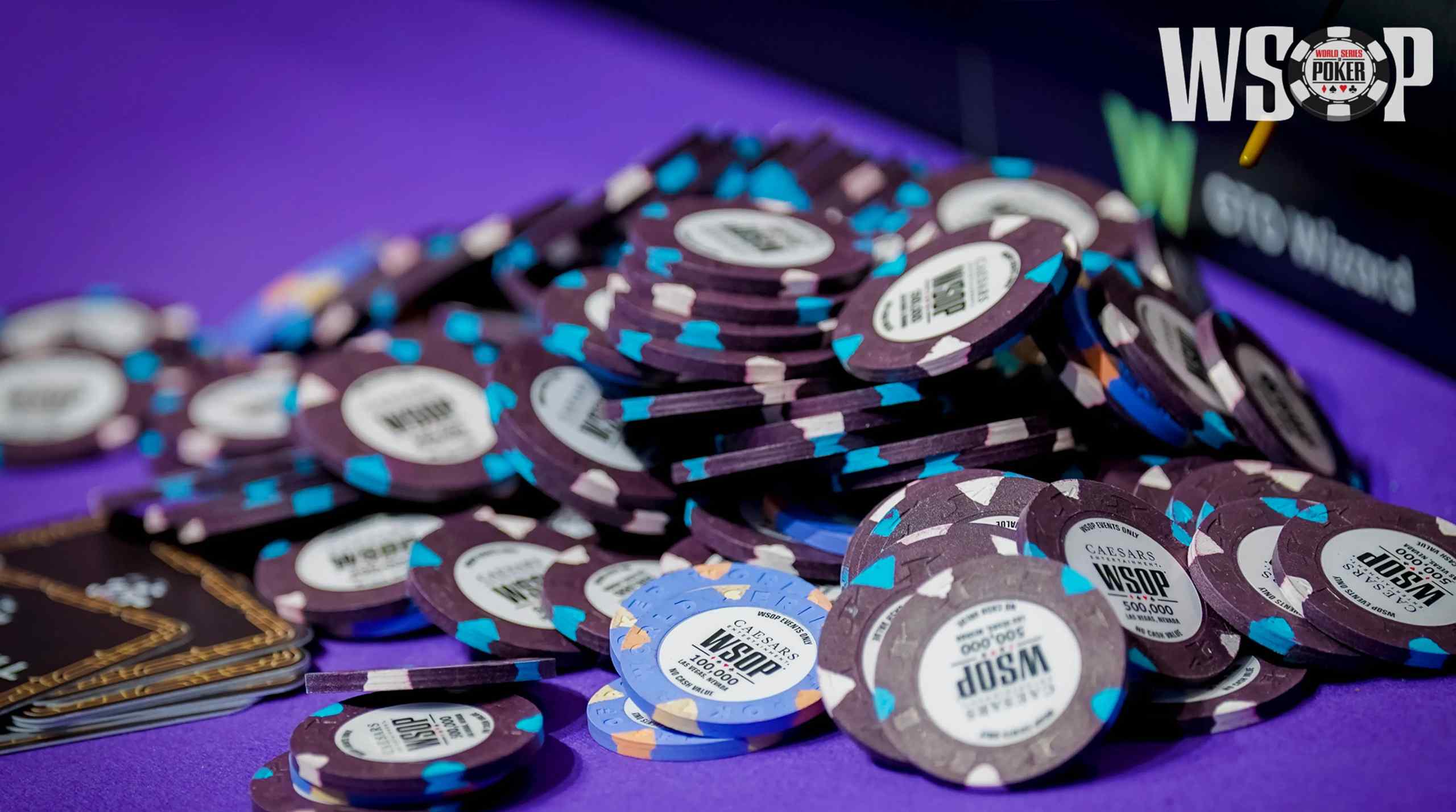
Who Will Win the 2026 WSOP Main Event?
Lucas Jumalon heads into the 2026 WSOP Main Event final table as the overwhelming chip leader. Is his chip lead truly overwhelming or will someone else rise to win?
By James Guill
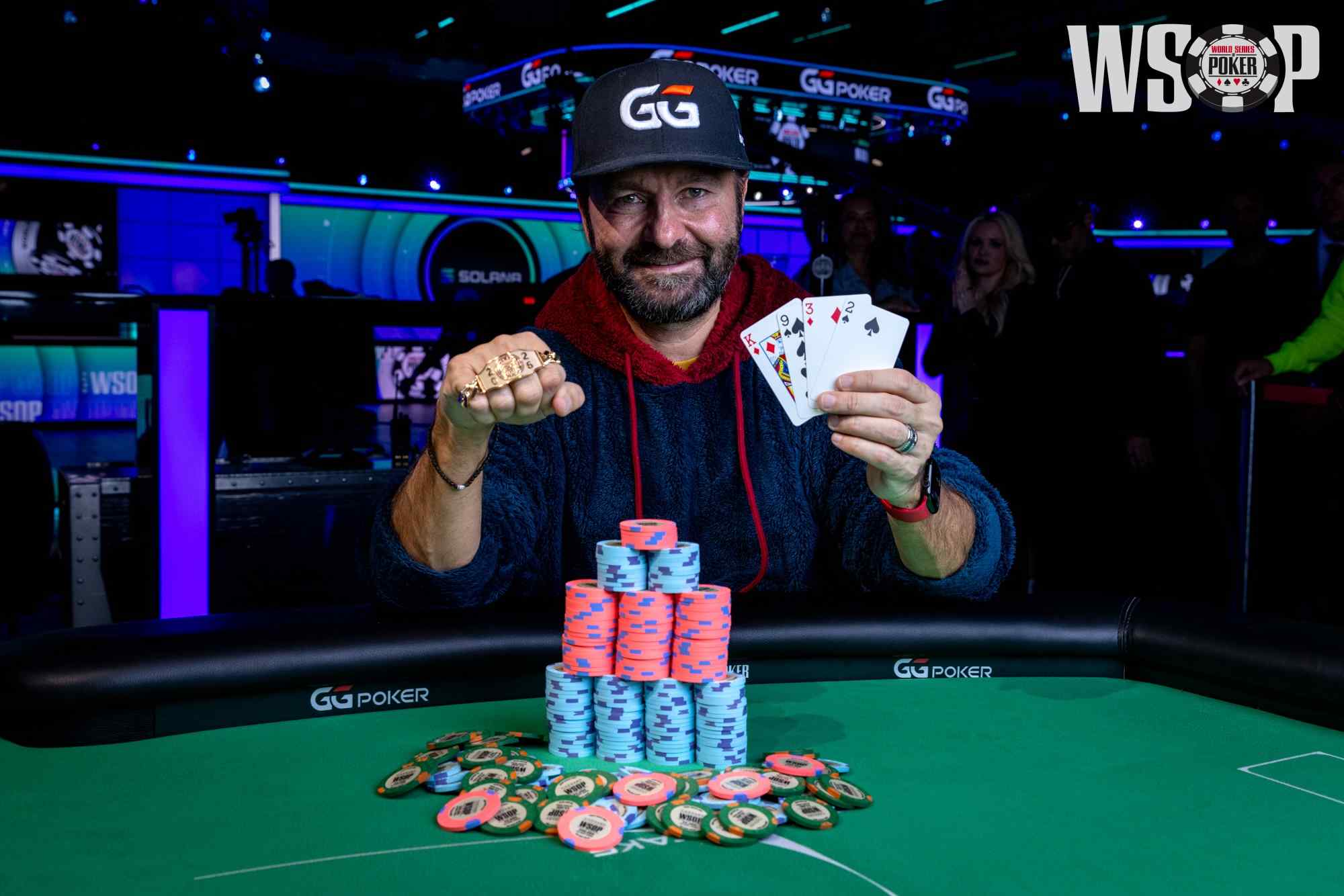
Ranking Daniel Negreanu's Eight WSOP Bracelet Wins
Daniel Negreanu's eighth WSOP bracelet adds another chapter to one of poker's greatest careers. We rank every bracelet win by prestige, competition, historical significance, and legacy.
By Lucie Turner
2026 WSOP Main Event Final Table Set. Who Wins $10 Million?
A $10 million first prize is on the line as nine players return in August to battle for poker's biggest championship. Meet the 2026 WSOP Main Event finalists.

By Arthur Crowson
What Is a Bad Beat in Poker?
Bodog explains what a bad beat is in poker, why it happens, how bad beat jackpots work, and how players can manage the emotional and strategic fallout of a tough loss.
By Arthur Crowson