Poker Terminology: A–Z Glossary of Common Poker Terms for Beginners
From blinds and pot odds to bluffs and rake, this A–Z poker terms reference gives beginners plain-language definitions they can actually use at the table.

Poker can feel overwhelming when you're first learning because the game is filled with specialized terminology. Terms like "blinds," "flop," "kicker," and "rake" are essential to understanding how the game works, but they're rarely explained in simple terms. This glossary provides clear, beginner-friendly definitions of the most important poker terms you'll encounter, whether you're learning the game for the first time or sitting down at a table for your first hand. Think of this as your reference guide: bookmark it and come back whenever you hear a term you don't understand.
Top 10 Poker Terms Beginners Should Learn First
These are the absolute essentials. Master these, and you'll understand the basics of any poker game.
- Blinds – Forced bets are posted at the start of each hand before cards are dealt (Small Blind and Big Blind).
- Flop – The first three community cards revealed in Texas Hold'em.
- Fold – Surrendering your hand and removing yourself from the current hand.
- Check – Declining to bet while remaining in the hand.
- Call – Matching the current bet amount to stay in the hand.
- Raise – Increasing the current bet, forcing other players to match the new amount or fold.
- Pot – The total amount of money wagered in the current hand.
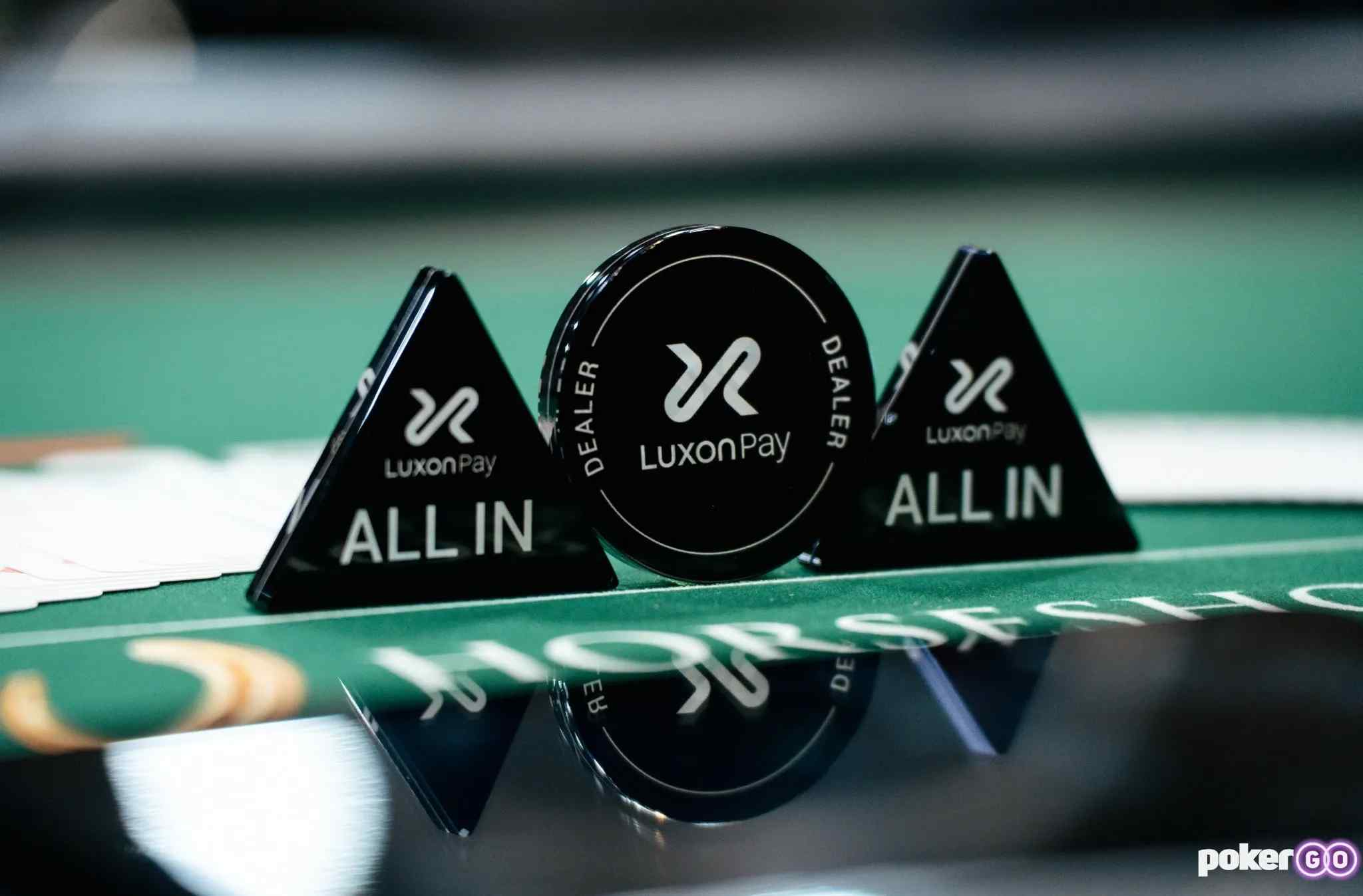
- Dealer Button – A marker that indicates the theoretical dealer position (moves clockwise each hand).
- Position – Your location at the table relative to the dealer button (affects your strategy).
- Bluff – Making a bet with a weak or non-winning hand to convince opponents you have a strong hand.
Common Poker Betting Actions
| Betting Action | Definition | Example |
|---|---|---|
| Check | Decline to bet but remain in the hand | "I check." (No chips added to the pot) |
| Call | Match the current bet amount | "I call the $10 raise." |
| Raise | Increase the current bet | "I raise to $20." |
| Fold | Surrender your hand and exit the current hand | "I fold." (Cards are mucked) |
| All-In | Bet all your remaining chips | "I'm all-in with $50." |
| Bet | Initiate a wager when no bet exists | "I bet $5." |
| Check-Raise | Check initially, then raise after an opponent bets | Strategic play to build the pot |
Poker Table Positions
Understanding your position at the table is critical to poker strategy. Position determines the order in which you act and how much information you have about your opponent's actions.
Poker Terms for Table Positioning
| Position | Abbreviation | Description | Information Advantage |
|---|---|---|---|
| Small Blind | SB | Posts small forced bet; acts second-to-last pre-flop | Low |
| Big Blind | BB | Posts a large forced bet; acts last pre-flop | Low (but improves post-flop) |
| Under the Gun | UTG | Acts first after the blinds (worst position) | Minimal |
| Middle Position | MP | Acts mid-round | Medium |
| Cutoff | CO | Acts second-to-last (before the button) | High |
| Button (BTN) | BTN | Acts last in most betting rounds (best position) | Highest |
The 20 Most Important Poker Terms for Beginners
A
All-In: Betting all your remaining chips in a single hand. Once you're all-in, you cannot make additional bets in that hand.
Ante: A small mandatory bet placed by all players before the hand begins (not common in Texas Hold'em but used in other poker variants).
B
Bluff: Making a bet or raise with a hand that is unlikely to win, hoping opponents will fold and you'll win the pot without going to showdown.
Board: The community cards visible to all players (the flop, turn, and river combined).
Blinds: Forced bets posted by two players before the cards are dealt. The Small Blind (left of the dealer) is typically half the Big Blind (left of Small Blind).
C
Call: Matching the current bet to remain in the hand without raising.
Check: Declining to bet while staying in the hand. You can only check if no bet has been made.
Check-Raise: Checking initially, then raising after an opponent makes a bet. A powerful strategic move.
Community Cards: Cards dealt face-up in the middle of the table that all players can use (Texas Hold'em has 5 total).
D
Dealer Button: A token that marks the dealer position. In online poker, it's symbolic (the house deals). It moves clockwise after each hand.
Draw: A hand that needs additional cards to become a winning hand (e.g., a flush draw needs one more card of the same suit).
F
Flop: The first three community cards are revealed simultaneously in Texas Hold'em (happens after the first betting round).
Fold: Surrendering your hand and forfeiting the pot to other players. Once you fold, you're out of the hand.
Flush: Five cards of the same suit (e.g., five hearts).
H
Hand: Your two private cards combined with community cards to make the best five-card poker hand.
Hole Cards: Your private cards (the two cards dealt to you face-down at the start of the hand).
K
Kicker: The highest unpaired card in your hand that doesn't contribute to your main hand (e.g., if you have a pair of 8s with an Ace kicker, the Ace is your kicker). Used to break ties when two players have the same rank hand.
M
Mucked: Cards that have been folded and removed from play (discarded face-down, often in a pile).
O
Odds: The probability that your hand will win compared to its cost. Understanding pot odds is critical to profitable poker.
P
Position: Your location at the table relative to the dealer button. Late position is advantageous because you act after most opponents.
Pot: The total sum of all bets made by players in the current hand.
Pot Odds: The ratio of the pot size to the cost of calling a bet. Used to determine if a call is mathematically profitable.
R
Raise: Increasing the current bet, forcing other players to match the new amount or fold.
River: The fifth and final community card in Texas Hold'em (revealed after the third betting round).
Rake: The fee or commission taken by the poker room for hosting the game, typically a small percentage of the pot.
S
Semi-Bluff: Betting with a hand that isn't the best currently but has a good chance of improving (e.g., betting a flush draw).
Showdown: When all remaining players reveal their hands to determine the winner after the final betting round.
Straight: Five cards in sequential order (e.g., 5-6-7-8-9). Suit does not matter.
T
Turn: The fourth community card revealed in Texas Hold'em (after the second betting round).
Three of a Kind (Trips): Three cards of the same rank (e.g., three 7s).
Most Confusing Poker Terms Explained
These terms trip up beginners. Here are simplified explanations:
Equity
What it is: Your hand's probability of winning the pot at any given moment.
Why it's confusing: It's not a visible card; it's a mathematical calculation.
Simple example: If you have a 50% chance your hand will win, you have 50% equity. If the pot is $100 and someone bets $50, you're getting good odds (2:1) to call if you have at least 33% equity.
Implied Odds
What it is: The potential future profit you expect to make if you hit your draw, beyond just the current pot size.
Why it's confusing: It requires predicting what opponents will do.
Simple example: You have a flush draw (4 flush). The pot is $20, and an opponent bets $10. The immediate pot odds (2:1) don't quite justify a call. But if you expect the opponent to bet another $30 when you hit your flush, your "implied odds" suddenly make the call profitable.
Rake
What it is: The fee the poker room takes from each pot, usually 5–10% up to a maximum amount.
Why it's confusing: It's invisible. Chips disappear into the house, not any player's stack.
Simple example: If a pot grows to $100 and rake is 5%, the poker room takes $5. The remaining $95 goes to the winner.
Blockers
What it is: Cards in your hand that reduce the probability your opponent has certain strong hands.
Why it's confusing: It's an advanced concept based on deduction.
Simple example: You have an Ace. Your opponent is less likely to have an Ace now because you're holding one. You're "blocking" Aces.
Continuation Bet (C-Bet)
What it is: A bet made by the player who raised pre-flop, after the flop is revealed (regardless of whether the flop helped their hand).
Why it's confusing: It's a positional and strategic concept, not a type of hand.
Simple example: You raise pre-flop with A-K. The flop comes 2-5-7 (doesn't help you much). You make a "continuation bet" to represent strength and win the pot immediately.
Semi-Bluff
What it is: A bet made with a hand that isn't currently the best but has multiple ways to improve.
Why it's confusing: It's not a pure bluff (you do have outs).
Simple example: You have 5-6 hearts. The flop is 2h-3c-Kd. You have a wheel draw (any 4 or 7 makes a straight) and a flush draw. You bet aggressively ("semi-bluff") because you might win immediately, or you might hit your draw.
Under the Gun (UTG)
What it is: The player who acts first after the big blind pre-flop (worst position).
Why it's confusing: "Under the gun" is an old phrase meaning "in a tight spot."
Simple example: If the button is on player A, then Small Blind → Big Blind → UTG (you). You act first. Everyone is watching you.
Frequently Asked Questions About Poker Terms
What are the basic poker terms beginners should know?
Start with: blinds, flop, fold, check, call, raise, pot, dealer button, position, and bluff. These 10 terms cover 80% of what you need to play your first hand.
What is the most important term in poker?
Position. Your location at the table determines how much information you have and when you act. A late position is always better than an early position because you see what opponents do before committing your chips.
What are blinds in poker, and how do they work?
The two players to the left of the dealer button post mandatory bets before any cards are dealt. The Small Blind (closest to the dealer) posts a smaller amount, and the Big Blind (next to SB) posts a larger amount. These forced bets ensure there's money to play for on every hand. Blind positions rotate clockwise after each hand.
What does "rake" mean, and why does it matter?
Rake is the fee the poker room takes from each pot (usually 5–10% up to a maximum, like $3 or $5). It's how casinos and online poker sites make money. If the pot is $100 and rake is 5%, the winner receives $95, not $100. Long-term profitability requires beating the rake.
What is a bluff?
A bluff is a bet made with a weak or non-winning hand, hoping all opponents will fold and you'll win the pot without reaching showdown. It's a key strategic tool, but should be used sparingly (especially as a beginner).
Why is "kicker" important?
The kicker breaks ties between hands of the same rank. If you and an opponent both have a pair of 8s, the player with the higher side card (kicker) wins. Example: Your pair of 8s with an Ace kicker beats their pair of 8s with a King kicker.
What does "equity" mean in poker?
Equity is your hand's percentage chance of winning the pot at any moment. Understanding equity helps you decide whether a bet is mathematically worthwhile. If you have 40% equity and the pot odds are 2:1 (33%), the call is profitable in the long run.
A–Z Complete Glossary
A
All-In: Pushing all your remaining chips into the pot. Once all-in, you cannot act further, though the hand continues.
Ante: A small mandatory bet placed by all players before cards are dealt (used in tournaments and some cash games).
Axis: A side-by-side arrangement of cards (rarely used term).
B
Backdoor: Completing a draw on the turn and river (e.g., you need two hearts and both the turn and river are hearts).
Bad Beat: Losing a strong hand to a statistically unlikely combination.
Bankroll: Your total poker funds set aside for playing.
Barrel: Betting on multiple streets (barrel one = flop bet, barrel two = turn bet, etc.).
BB: Abbreviation for Big Blind.
Beat: To win against another hand.
Bet: Placing money into the pot when no bet currently exists.
Betting Round: A phase of poker where players can bet, check, call, raise, or fold.
Big Blind (BB): The larger of two forced bets, posted to the left of the Small Blind.
Big Slick: Slang for Ace-King.
Blank: A community card that doesn't seem to help any player's likely hand.
Bluff: Betting or raising with a weak hand to force opponents to fold.
Board: All community cards (flop, turn, river combined).
Boat: Slang for Full House.
Bottom Pair: A pair with the lowest community card on the board.
Broadway: A straight composed of A-K-Q-J-10.
Bubble: The point in a tournament where only one player will be eliminated before the money (payouts begin).
Burn Card: The card on top of the deck that is discarded before each community card is revealed (a procedural safeguard).
Bust: Lose all your chips in a tournament, or go broke in a cash game.
C
Call: Matching the current bet to stay in the hand.
Calldown: Calling a bet with a weak hand, expecting to be bluffed.
Case Card: The last remaining card of a specific rank in the deck.
Cash Game: Poker played with real money (chips exchangeable for cash), not a tournament.
Catch: Win a hand unexpectedly or hit a needed card on the turn or river.
Check: Declining to bet while remaining in the hand.
Check-Raise: Checking, then raising after an opponent bets.
Check-Call: Checking, then calling an opponent's bet.
Community Cards: Shared cards placed in the middle of the table that all players can use (Texas Hold'em: 5 cards total).
Contribution: The total amount a player has put into the pot during the current hand.
Counterfeited: Your hand loses value due to a new community card (e.g., you had a pair, and a third card of that rank is revealed, making your pair worthless).
Cutoff (CO): The position immediately to the right of the button (second-best position).
D
Dead Money: Chips in the pot that no longer belong to any player.
Dealer Button: A token marking the theoretical dealer position (moves clockwise each hand).
Deuce: A 2.
Donk Bet: A bet made from out-of-position (e.g., a non-aggressor checking, then betting on the flop). Often considered a weak play.
Door Card: Your first visible card in stud poker.
Double Belly Buster: A straight draw with two possible inside cards to complete it (rare).
Draw: A hand that needs additional cards to improve to a strong hand.
Draw Poker: A variant where players can discard cards and draw new ones (less common than Texas Hold'em).
E
Early Position: Positions that act early in the betting round (UTG, UTG+1, MP). Worst positions.
Equity: The percentage probability that your hand will win the pot.
Escape Card: A card that saves your hand (e.g., hitting a flush when you were behind).
F
Fade: Avoid being hit by a card that would help your opponent.
Fifth Street: In stud poker, the fifth community card.
Final Table: The last remaining table in a tournament (top 8–10 players).
Fish: A bad player; someone who loses money regularly.
Flop: The first three community cards, revealed simultaneously.
Flush: Five cards of the same suit.
Fold: Surrendering your hand and exiting the current hand.
Forced Bet: A mandatory bet (blinds or ante).
Four Flush: Four cards toward a flush; also called a "flush draw."
Four of a Kind: Four cards of the same rank.
Free Card: A card revealed without any betting on that street (usually because players check).
Free Roll: A situation where you have a hand that's tied or behind, but have additional ways to improve and win. Essentially, you have a free chance to win.
Full House: Three of a kind plus a pair.
G
Gutshot: An inside straight draw (needing one specific rank to complete a straight).
H
Half Pot: A bet equal to half the pot size.
Hand: Your best five-card poker combination.
Heads-Up: A game or situation with only two players remaining.
Heart: A suit (♥).
Hole Cards: Your private cards, dealt face down.
Holdem: The most popular poker variant (Texas Hold'em).
I
Implied Odds: The expected future profit from a call, beyond the immediate pot odds. Based on anticipated future bets.
In the Money: In a tournament, reaching the point where payouts begin.
Inside Straight: A straight needing one card in the middle (e.g., 5-6-7-9 needs an 8).
J
Jackpot: A special prize pool in a poker room, usually triggered by rare bad beats.
Jam: Go all-in.
K
Kicker: An unpaired card used to break ties between hands of the same rank.
Kill: Win a large pot suddenly (slang).
King: The card ranking between Queen and Ace.
L
Late Position: Positions that act late in the betting round (button, cutoff). Best positions.
Lay Down: Fold a strong hand.
Leak: A pattern of losing play (e.g., "calling too much is my biggest leak").
Limp: Entering a hand for the minimum bet (calling the big blind pre-flop instead of raising).
Limper: A player who enters by calling the blind instead of raising.
Live Blind: A special blind posted by a returning player that is live (can be raised).
Live Card: A card that could help your hand or hasn't been seen yet.
M
Main Pot: The original pot. If a player goes all-in, subsequent bets go into a "side pot."
Make: Achieve a hand rank (e.g., "I made a straight").
Measly: A weak hand.
Middle Position: Positions acting mid-round (MP, MP+1). Medium advantage.
Middle Pair: Pairing the middle card on a three-card flop.
Milk: Extract maximum value from a winning hand.
Misread: Incorrectly judge an opponent's hand.
Monster: An extremely strong hand.
Mortal: An unfavorable situation (you are unlikely to win).
Move All-In: Bet all your chips.
Mucked: Cards that have been folded and discarded (face-down).
N
Nuts: The best possible hand given the board cards at any moment.
Nuts Draw: A draw to the nuts (best possible hand).
O
Odds: The probability of a desired outcome, expressed as a ratio or percentage.
Off-Suit: Cards of different suits (e.g., Ac-Kd, written "AK o").
Open-Ended Straight Draw: Four cards to a straight with two possible cards to complete it (e.g., 5-6-7-8 needs a 4 or 9).
Opening Bet: The first bet in a betting round.
Opponent: Another player.
Option: The right to raise if no one else has raised (given to the big blind if everyone just calls).
Out: A card that would improve your hand (e.g., you have four hearts; any heart is an "out" for your flush).
Outs: The number of unseen cards that would improve your hand to a winner.
Out of Position: Acting before your opponent (disadvantageous).
P
Pair: Two cards of the same rank.
Pocket Pair: A pair of hole cards.
Poker Face: An expressionless face that doesn't reveal emotion (valuable in live poker).
Position: Your location at the table relative to the dealer button.
Pot: The total sum of all bets in the current hand.
Pot Committed: Having so many chips in the pot that folding is mathematically inferior to calling or going all-in.
Pot Limit: A betting structure where the maximum bet is the size of the pot.
Pot Odds: The ratio of pot size to the cost of a call. Used to determine if a call is mathematically profitable.
Pot Rake: The standard rake structure where a percentage of the pot is taken (e.g., 5%).
Pot Share: Your stake in the pot.
Premium Hand: An excellent starting hand (e.g., pocket aces, AK).
Proposition Bet: A side bet between players.
Provide: Commit chips to the pot.
Push: Go all-in (slang).
Q
Quad: Four of a kind.
Queen: The card ranking between Jack and King.
Quick Call: A fast call with a strong hand or a clear decision.
Quit: Leave the game.
R
Rack: An organized set of chips (typically 100 chips).
Rage Quit: Leave the game in frustration.
Ragged: A flop with unconnected, low cards that don't seem to help typical hands.
Raise: Increase the current bet.
Rake: The fee charged by the poker room (typically 5–10% of the pot).
Range: The set of hands an opponent might have based on their actions.
Read: Accurately deduce an opponent's hand or intentions.
Rebuy: Purchase additional chips after losing your initial stack (usually in tournaments).
Rebuy Period: A time window in tournaments during which rebuys are allowed.
Redraw: A possibility to improve your hand further (e.g., you have two pair and could make a full house).
Represent: Act as though you have a specific hand through betting (bluffing).
Re-Raise: Raise after another player has already raised.
Re-Raise All-In: Go all-in with a re-raise.
Re-Steal: A re-raise designed to force a re-raiser to fold (stealing back the pot).
Return: Complete a hand.
Reverse Implied Odds: The potential loss if you hit your draw but still lose to a better hand.
River: The fifth and final community card in Texas Hold'em.
Royal Flush: A-K-Q-J-10, all of the same suit. The best possible hand.
Rub: Bad luck (slang).
Run Down: A successive string of cards that helps your hand (e.g., hitting consecutive outs on the turn and river).
Run Out: The remaining cards in the deck that will be revealed.
Rush: A winning streak.
S
Safe: A situation where you're unlikely to lose.
Scare Card: A community card that could give an opponent a strong hand.
Semibluff: A bet made with a hand that isn't currently the best but has multiple ways to improve.
Set: Three of a kind made from a pocket pair plus one community card.
Seventh Street: In stud, the final community card.
Shaft: Lose unfavorably.
Shark: An excellent, professional player.
Shift: Rotate the position markers and blinds clockwise.
Shine: A card that helps the current leader.
Shove: Go all-in (slang).
Showdown: Revealing hands after the final betting round to determine the winner.
Shrug: A tell (sign) that a player is bluffing.
Shut Down: Stop betting after a scare card.
Side Pot: A separate pot created when a player goes all-in and cannot match subsequent bets.
Sign: A tell (behavioral clue about a hand).
Sink: Lose a hand.
Sit and Go: A single-table tournament that starts once enough players register.
Sixth Street: In stud, the sixth community card.
Sizing: The amount of a bet.
Skid: Lose a hand unfavorably.
Slow Play: Betting cautiously with a strong hand to trap opponents.
Small Blind (SB): The smaller of two forced bets, posted immediately to the left of the dealer button.
Smooth Call: Calling a raise without re-raising (often a deceptive move with a strong hand).
Snap Call: An immediate call, usually indicating strength or a marginal hand.
Snapped Off: Get bluffed (your bluff is called and loses).
Soft Hand: A hand containing an Ace counted as 1 or 11 (rarely used in Hold'em).
Soften: Reduce the competitiveness of a hand.
Solid: A dependable, strong player.
Solution: The optimal play in a specific situation.
Solve: Determine the correct play.
Space: Distance between players.
Spade: A suit (♠).
Spatial: Position-based (positional strategy).
Specific: A precise hand or range.
Splitter: A hand that ties or splits the pot with an opponent.
Spread: The range of bet sizes allowed.
Square: A novice or recreational player.
Stack: Your chips.
Stacking Off: Losing all your chips.
Stage: A phase of a tournament.
Stall: Delay your action.
Stand: Remain in the game without betting.
Standing Pat: Not discarding any cards (in draw poker).
Stash: Hide information (a tell).
State: Declare your hand.
Station: A position.
Stay: Remain in the hand.
Steal: Win a pot without a showdown, often from the button.
Steam: Play recklessly after a bad beat.
Street: A betting round or phase. Pre-flop, flop, turn, river.
String Bet: An illegal bet where you make multiple motions toward the pot (must declare intent first).
Stringy: Indecisive.
Strong: An excellent hand or situation.
Stub: Remaining cards in the deck.
Study: Analyze poker concepts.
Stuff: Go all-in against a larger stack.
Stumble: Make a mistake.
Subject: A losing player.
Sucker Bet: A bad wager that favors the opponent.
Suit: The four card families (hearts, diamonds, clubs, spades).
Supplier: A consistent source of profit (a weak opponent).
Sure: A hand that's very likely to win.
Surface: Make an obvious play.
Surge: A winning streak.
Surpass: Beat an opponent's hand.
Surrounded: Blocked by strong hands.
Survey: Evaluate opponents.
Sustain: Maintain a position.
Swell: Increase in size (chips).
Swinger: A volatile player or game.
Switch: Change strategy.
T
Table: The poker game itself or the physical playing surface.
Tap: Bet heavily or go all-in.
Tap Out: Go all-in.
Tapped Out: Broke out of chips.
Tell: A behavioral clue that reveals information about a hand.
Texas Hold'em: The most popular poker variant; each player has 2 private cards and shares 5 community cards.
Third Street: In stud, the third community card.
Thin: A close decision or marginal value.
Thin Value: Betting for profit when your hand might only be slightly ahead.
Think Tank: A long deliberation before acting.
Third: Three of a kind.
Thirty-Two: Bad luck (from the hand 3-2).
Thorn: An obstacle or problematic opponent.
Three-Bet: A re-raise of a raise (third bet in a sequence).
Three of a Kind: Three cards of the same rank.
Throw: Discard.
Thrust: Aggressive betting.
Thumb: Show displeasure.
Thunder: Aggressive action.
Tie: Split the pot.
Tighten: Reduce your range of playable hands.
Tilt: Emotional play driven by frustration (playing badly).
Time Bank: Extra thinking time in online tournaments.
Timing Tell: A tell based on how quickly a player acts.
Tine: A spike (hitting a card of a needed rank).
Tip: Give chips to a dealer.
Tired: A weak player.
Title: Chip leader status.
Toad: A bad player.
Toast: Lose all your chips.
Tobacco: Discard.
Toke: A tip for the dealer.
Toll: A fee (rake).
Tomb: Losing streak.
Tomcat: Aggressive player.
Toned: Adjusted strategy.
Took: Won.
Tooled: Outplayed.
Tooth: Determination.
Top Kicker: The highest possible side card with your pair.
Top Pair: A pair made with the highest community card.
Top Set: Three of a kind made with the highest board card.
Topple: Defeat.
Tops: The highest hand.
Torch: Lose chips.
Torched: Badly beaten.
Tornado: Chaotic table action.
Torpedo: A strong bluff.
Torque: Pressure.
Torr: Burned out.
Torrid: Hot streak.
Torsion: Tension.
Tort: Damage.
Torture: Difficult hand to play.
Toss: Fold.
Total: Sum; all-in.
Totaled: Broke.
Tote: Carry chips.
Toted: Announced (hand strength).
Toting: Tracking.
Touch: Reference a hand or situation.
Tour: A tournament.
Tourist: A novice player.
Toured: Played multiple venues.
Touring: Playing different games.
Tournament: A structured competition with defined payouts and elimination.
Tourney: Short for tournament.
Tours: Multiple tournaments.
Tousle: Rough action.
Tout: Promote a hand.
Touts: Advisory services.
Tow: Drag; move.
Toward: Direction of play.
Towel: Surrender.
Toweled: Eliminated.
Tower: Tall stack of chips.
Towered: Built a large stack.
Towering: Growing stack.
Town: Multiplayer pot.
Townie: Local player.
Towns: Multiple local games.
Towy: Weak.
Toys: Practice hands.
Trace: Find an opponent's range.
Track: Monitor a player's tendencies.
Tracked: Monitored.
Tracker: A player who tracks stats.
Tractor: Reliable bet.
Trade: Exchange cards or hands.
Trader: A player focused on value trading.
Tradition: Standard play.
Traffic: Game flow.
Tragic: Bad outcome.
Tragicomedy: Bad beat story.
Trail: Follow a hand's progression.
Trailer: Behind in chip count.
Traitor: A player who reveals information.
Trajectory: Direction of play.
Transaction: A poker hand/bet.
Transact: Conduct a hand.
Transfer: Move chips.
Transgress: Violate a rule.
Transient: Temporary stay/play.
Transition: Change in play.
Translate: Understand a tell.
Transmitter: A player who signals.
Transplant: A new player.
Transplanted: A relocated player.
Transported: Excited about a hand.
Trap: Set a snare (slowplay a strong hand).
Tray: A chip rack.
Treading Water: Breaking even.
Treasury: A chip stack.
Treat: Favor a hand.
Trek: A long tournament run.
Trellis: A pattern (rare).
Tremolo: Shaky bet (a tell).
Tremor: A shake (tell).
Tremulous: Nervous (tell).
Trench: Dig in (committed play).
Trey: A 3-card.
Trial: A difficult hand.
Triangle: A three-way pot.
Triangular: Three-player action.
Tributary: A supporting bet.
Tricycle: Three-option hand.
Tricyclist: A conservative player.
Trident: Three-pronged strategy.
Trike Out: Fold three times in a row.
James Guill is an experienced iGaming journalist with a diverse background spanning IT, poker, and online gambling media. With over 20 years in the industry, he’s covered a wide range of gaming topics and has been featured in outlets like USA Today and G4 TV.
More Articles like this
Why Poker Keeps Surviving Every New Gambling Trend
New gambling trends come and go, but poker keeps finding a way to stay in the game.
By Lucie Turner
Lucas Jumalon Wins: The Highs and Lows of the 2026 WSOP Final Table
Lucas Jumalon led throughout the final table to capture the 2026 WSOP Main Event bracelet and $10 million. Here’s how the final table unfolded, plus the biggest broadcast highs and lows.
By James Guill
Who Will Win the 2026 WSOP Main Event?
Lucas Jumalon heads into the 2026 WSOP Main Event final table as the overwhelming chip leader. Is his chip lead truly overwhelming or will someone else rise to win?
By James Guill
Ranking Daniel Negreanu's Eight WSOP Bracelet Wins
Daniel Negreanu's eighth WSOP bracelet adds another chapter to one of poker's greatest careers. We rank every bracelet win by prestige, competition, historical significance, and legacy.

By Lucie Turner
2026 WSOP Main Event Final Table Set. Who Wins $10 Million?
A $10 million first prize is on the line as nine players return in August to battle for poker's biggest championship. Meet the 2026 WSOP Main Event finalists.

By Arthur Crowson
What Is a Bad Beat in Poker?
Bodog explains what a bad beat is in poker, why it happens, how bad beat jackpots work, and how players can manage the emotional and strategic fallout of a tough loss.
By Arthur Crowson