

The Real Math Behind Casino Comps and “Free” Rooms
A $400 hotel room can be free at a casino if you play enough, but "free" always has a cost baked in somewhere.
%20(1).webp)
A $400 hotel room, comped, just for playing a few hours of blackjack sounds like a gift. It isn't really. It's more like a rebate, one that’s calculated down to the dollar before you ever take a seat and play your first hand.
Casinos don't give away rooms out of generosity (but wouldn’t that be nice?). They give them away because the math already told them it's profitable to do so. Understanding that math changes how the whole "free" thing looks. Here’s why the casino might comp your room and how the numbers work out.
What "Comp" Actually Means
Comps have nothing to do with whether you win or lose. They're based on theoretical loss, often shortened to "theo," which is the amount the casino statistically expects to make off your gambling regardless of the actual outcome. Win $500 or lose $500 on the same session, and your comp value is identical, because the casino priced the bet, not the result.
That's the whole trick behind why comps feel generous. You're not being rewarded for losing. You're being rewarded for playing, and the casino already knows, on average, that playing will cost you.

The Math Is The Magic
The formula casinos use is straightforward: average bet multiplied by decisions per hour, multiplied by hours played, multiplied by the game's house edge. That gives theoretical loss. The casino then applies a comp factor, which represents a percentage of that theoretical loss it's willing to return as rooms, meals, or show tickets. Casinos commonly reinvest roughly 20% to 40% of theoretical loss in comps, although premium-player programs can run higher.
Run the numbers and the "free room" starts to look like a discount cleverly disguised as a giveaway.
Basic Math for Casino Comps
| Game | Average Bet | Hours | Decisions/Hour | House Edge | Theoretical Loss | Comp at 30% |
|---|---|---|---|---|---|---|
| Slots | $1 | 4 | ~600 | ~8% | $192 | ~$58 |
| Blackjack | $25 | 4 | ~60 | ~1.5% | $90 | ~$27 |
| Baccarat | $100 | 4 | ~70 | ~1.2% | $336 | ~$101 |
This is why a $400 comped room isn't handed out for a casual hour at a $10 table. It takes real, sustained betting, higher limits, more hours, or a game with a higher house edge to generate enough theoretical loss to justify it.
Why Slots and Tables Get Rated Differently
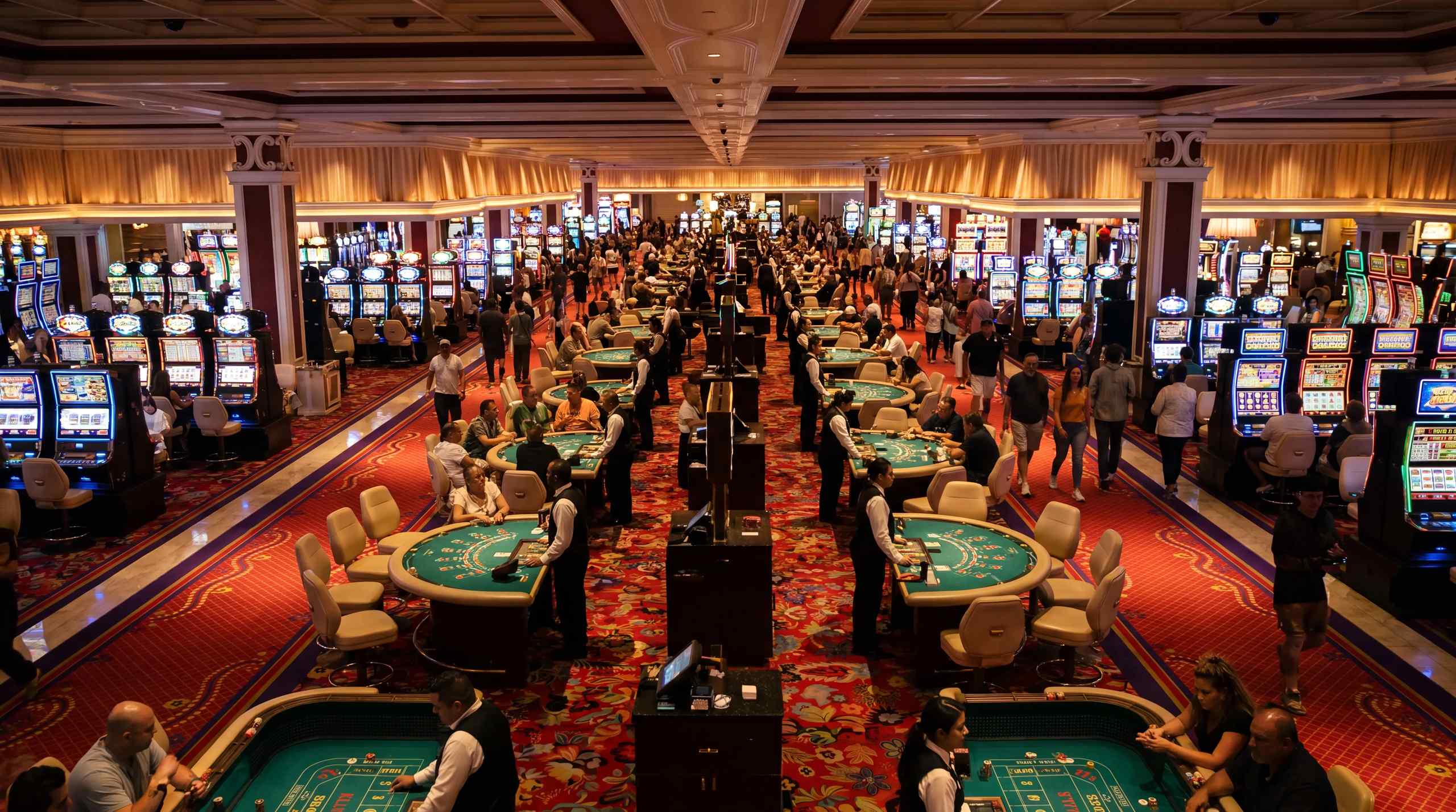
Slot machines are the easy case. A player's card slots into the machine, and every spin, every bet, every second of play gets logged automatically. There's no guesswork, so slot comps tend to run generous, often 30% to 40% of theo, because the casino has perfect data and zero risk of over-rating a player.
Table games are more complex. A pit supervisor eyeballs your average bet and estimates how many hands you're playing per hour, then enters a rating into the system. That estimate carries real slack. A generous supervisor, a slower table, or a player who plays a few big hands right as the rating gets logged can all shift the math in their favor. It's also why table comps tend to run a bit lower on average, 20% to 30% of theo, since the casino is pricing in some uncertainty around its own numbers.
None of this is a secret or a scam. It's just how player rating systems have worked for decades, blending precise machine data with human judgment at the tables.
Getting Rated Accurately
Since the whole system runs on an estimate, an inaccurate one shortchanges you. I would never recommend playing with the goal of earning a comp, but you can do a few things to maximize your chances if you’re planning to visit a casino more than once.
First and foremost, use your player's card every single time, at every machine or table, without exception. A single unrated session fails to earn any comps, and it can drag down your average if a host is estimating your typical play from incomplete data.
At table games, it helps to be visible about it. Hand your card to the dealer before your first bet and stick around long enough for a supervisor to actually clock your pace. Buying in for less and re-buying often can also make a session look choppier or shorter than it really was, which tends to lower the rating. None of this changes the underlying math. It just makes sure the casino's estimate of your play matches what you actually did, instead of undercounting it.

Why "Free" Still Has a Cost
Even a well-timed, well-played comp is still built on an expected loss. The casino isn't betting it'll break even on you. It's betting that, on average across every rated player at every level, the theoretical math holds up, and it almost always does. A comp system isn't a loophole in the casino's edge. It's a marketing budget funded directly by that edge.
That's the same logic that runs sportsbook loyalty programs, just measured in wagering volume instead of table time. A sportsbook calculates how much it expects to keep from your betting activity and returns a slice of it as bonus bets or cashback, the same reinvestment principle as a comped room, just with a different perk. If you've compared what different online casinos actually pay out through their loyalty tiers, the math tracks closely with how casinos price a room: bigger, more frequent action earns a bigger rebate.
Knowing the formula doesn't mean gaming it is easy or even advisable. Chasing comps by increasing your bet size just to unlock a "free" room usually costs more than the room is worth. The casino already knows what your play is worth to them. A comp isn't a reward for beating the house. It's proof the house already expects to win. In practice, this means my final advice is simple: play as you normally would and use your loyalty card, but don’t play in the hopes of getting comped. That’s a losing battle.
Cole Rush is a freelance writer, crossword constructor, and creative tinkerer with more than 10 years of experience writing about anything and everything. Cole’s primary area of expertise is the gambling industry, covering the expansion of sportsbooks and online casinos alongside emerging spaces like sweepstakes casinos and prediction markets.
More Articles like this
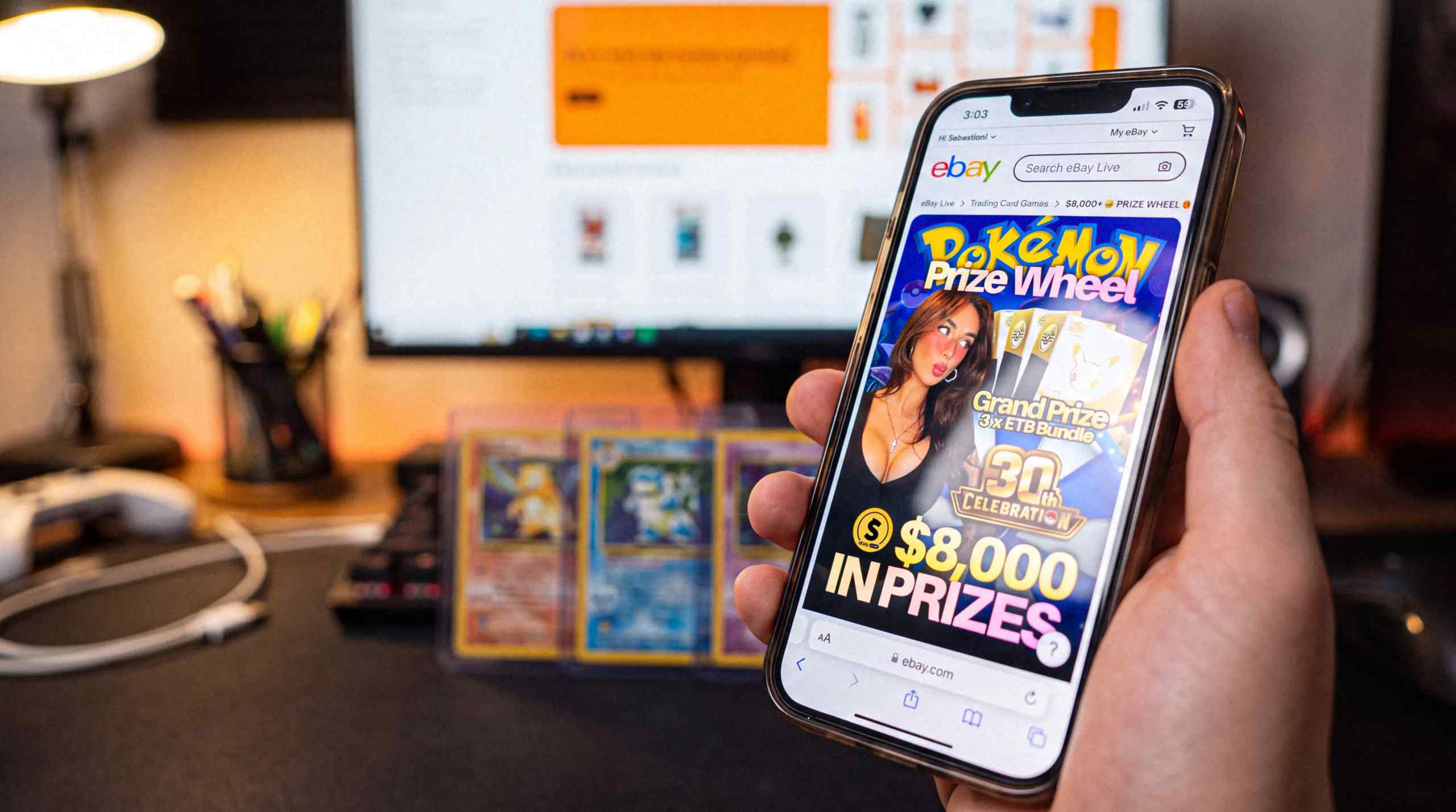
Are eBay's "Spin the Wheel" Listings Just Gambling?
A corner of eBay Live auctions off wheel spins instead of actual items. Bid starts at $1, the price climbs, and the winner finds out what they bought only after the wheel stops. Here's why that's not really shopping.
By Cole Rush
Casino Carpets Are Ugly. But Not for the Reason You Think
Casino carpets have long been accused of keeping gamblers disoriented and glued to the games. The truth is considerably more practical, though just as strange.
By Cole Rush
The Strange Gambling Laws Behind Cruise Ship Casinos
Cruise ship casinos only open once a ship clears territorial waters, and the odds, oversight, and rules that follow are nothing like a Vegas floor. Here's what actually changes at sea.

By Cole Rush
Six Reasons Bettors Are Starting to Ditch Credit Cards
States are increasingly questioning whether borrowed money has any place in gambling. From instant interest to damaged credit, the risks can extend far beyond the bet itself.
By Charlon Muscat
How Subscriptions Use Gambling Psychology to Hook You
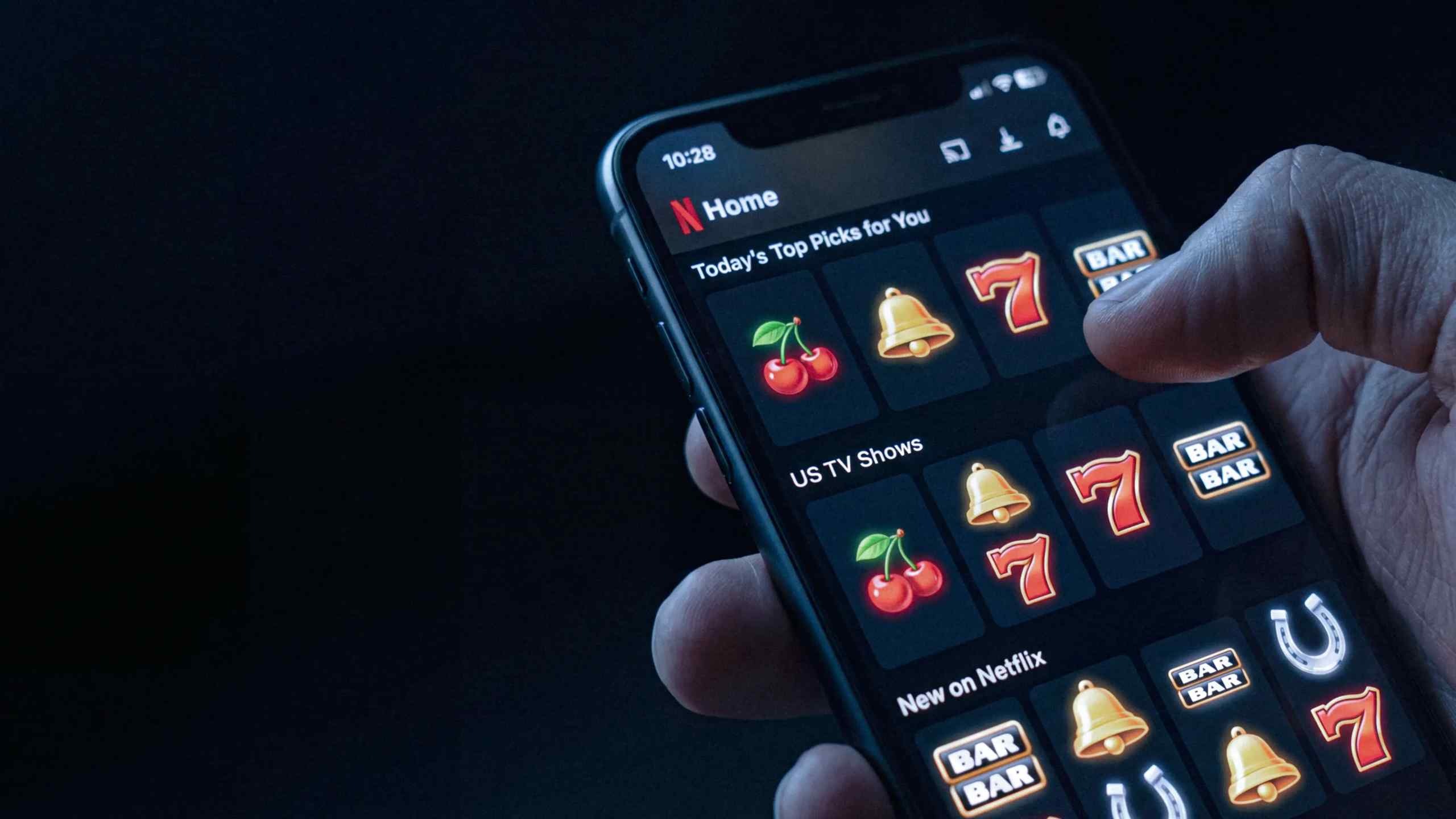
Streaming services, apps, and subscription boxes may look nothing like a casino, but many tap into the same psychological forces that make gambling so hard to walk away from.
By Cole Rush
The Best Gambling Songs Ever Written, Ranked
From Kenny Rogers to Sting, these seven songs go beyond casino clichés to capture the risk, psychology and obsession behind gambling.

By Cole Rush