
The 5 Biggest Innovations That Changed Casinos Forever
From paper tickets replacing coin trays to entire resort cities built around a single casino floor, the history of gambling is a history of reinvention
%20(1).webp)
Walk into a casino, gamble a bit, and enjoy yourself. Do the same thing a year later, but look at what's changed. Chances are those changes will be bigger than you might've expected. Casinos are constantly seeking the latest and greatest technology and then deploying it to their floors.
Not all innovations are equally impactful, of course. A few have stood the test of time, earning their place as the most game-changing casino technologies in history. Perhaps the most surprising thing to note is that many of the most significant shifts aren't within the games themselves. They're usually game-adjacent or part of the larger casino experience.
The Five Biggest Casino Innovations
Ticket-In, Ticket-Out (TITO)
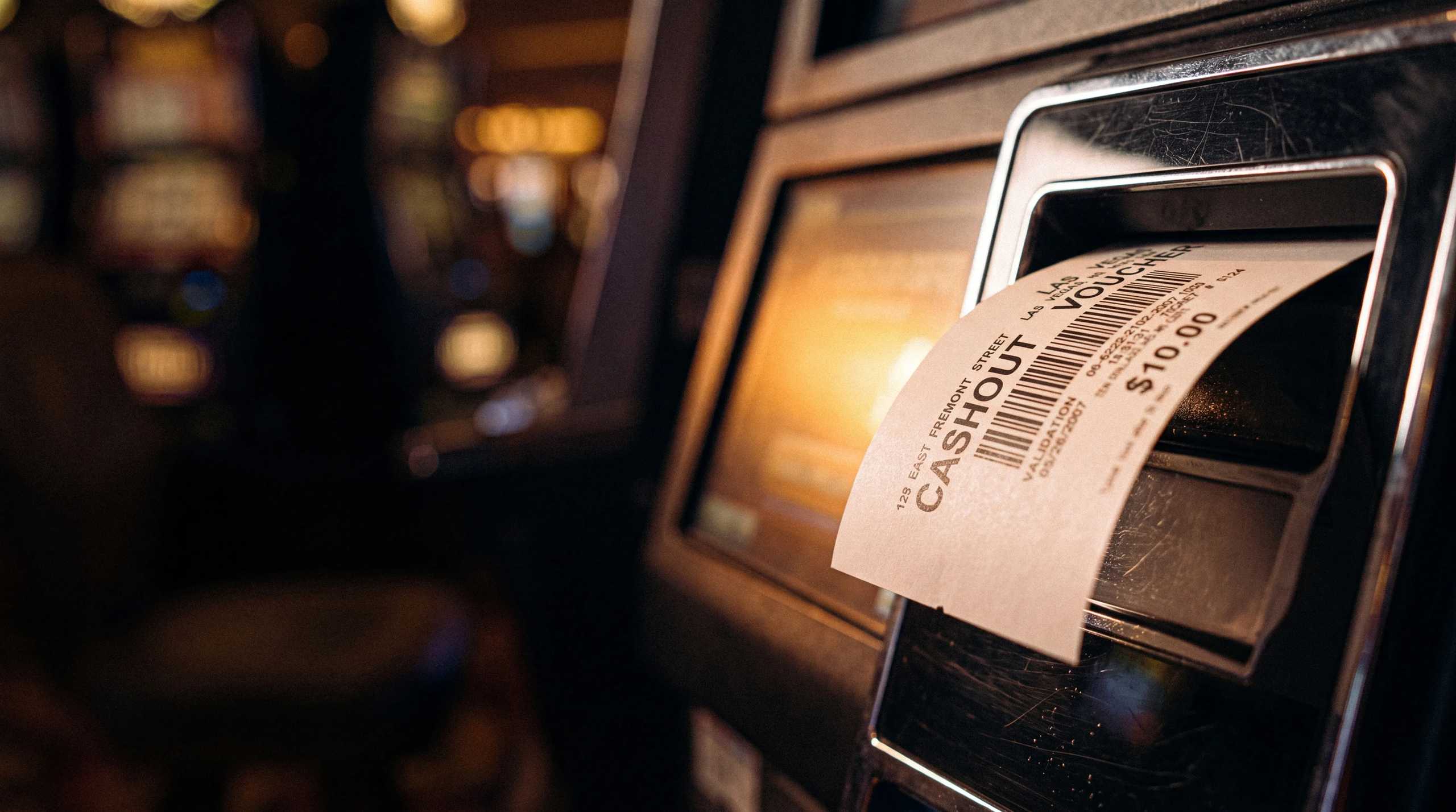
Sometimes, the most seismic shift comes from something that feels as natural as walking the casino floor. That's how TITO technology feels to me when I visit any land-based property. When you win some money on a slot game, you'll get a little slip of paper with your winnings displayed. You can take it to the machine or the cashier's cage to redeem it for cash, or you can feed that ticket right back into another slot to keep playing.
Clinking coins were once a signature sound on Las Vegas casino floors, but TITO technology (developed in the early 1990s and approved by the Nevada Gaming Control Board in 2000) quickly overtook the manual burden of carrying winnings in nickels and dimes. TITO's benefits are clear: paper is lighter than coins (hope my editor didn't have to fact check that one), and a machine can process that info faster than a human (same here, editor).
It's also nice for the casinos from a business perspective. A ticket doesn't look or even feel like real money, so it's tempting to slide it right back into a machine and keep spinning.
After approval by the Nevada Gaming Control Board, TITO was quickly adopted; you'd be hard-pressed to find a major casino that doesn't use it today.
Integrated Megaresorts
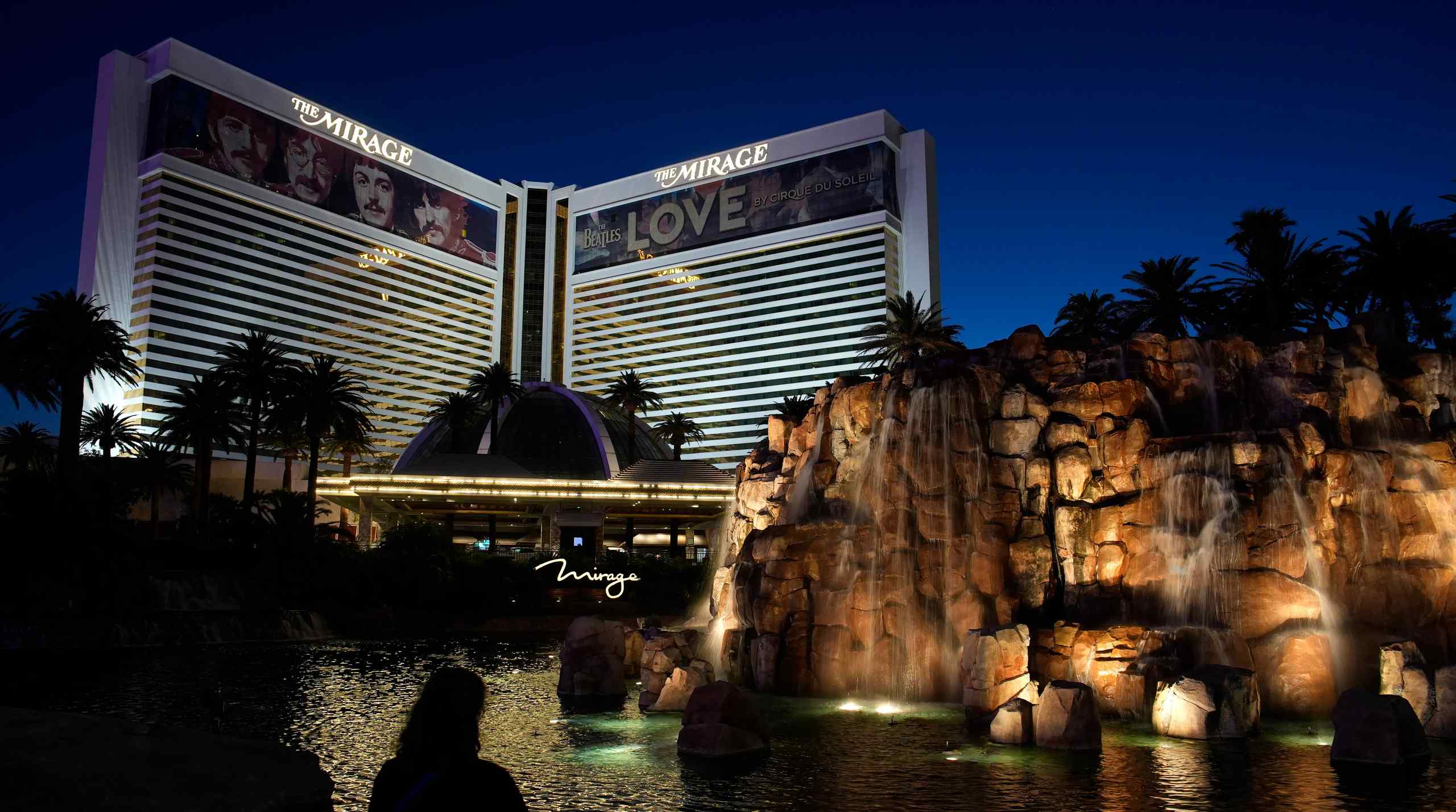
For most of history, casinos were, well, casinos. Destinations that offered gambling and possibly offering nearby hotels or basic amenities. Hospitality mogul Steve Wynn rewrote that particular script in the late 80s when The Mirage opened on the Las Vegas Strip. The Mirage is widely regarded as Vegas's first megaresort, offering 3,044 hotel rooms, a volcano at the entrance, a white tiger habitat, fine dining restaurants, and entertainment.
In other words, The Mirage evolved from casino to full-on destination. By giving people more reasons to stick around than just gambling, Wynn reprogrammed how casino resorts functioned. The Mirage's success launched a massive building sprint in Vegas (and elsewhere). While the Mirage closed its doors in July 2024 to be converted into a Hard Rock Hotel, its legacy lives on in the gargantuan casino resorts in Vegas and around the country.
Wide-area Progressive Jackpots
Before 1986, slot machines were singular, self-contained games. The jackpot on any slot machine was only funded by playing at that specific machine. The numbers were modest, and they would climb slowly as more players contributed to the pot.
Then, everything changed when IGT launched Megabucks in 1986. The game is widely regarded as the first wide-area progressive jackpot system. This meant a network of connected Megabucks machines across Nevada casinos all fed the same ever-growing prize pool.
Naturally, more wide-area progressives followed, and now they're all over casino floors. They're more than just the jackpots, though. They're marketing tools. Slot banks will showcase the massive potential winnings on large, flashy signs you can see from across the room. They're far more intriguing than a modest (but still great) $1,000 single machine jackpot.
Loyalty and Rewards Programs
Room and meal comps were commonplace at casinos starting in the 1930s (possibly earlier). Slot players didn't have many perks, though. Decades of play came and went with coins in, coins out, and no additional perks.
In 1982, the Atlantic City Sands introduced its Galaxy Slot Club, recognized as the first true casino loyalty program. Members got insider invites to special events, special pins marking their status, and VIP treatment based on their level of play.
Sound familiar? The concept proliferated with astonishing speed. By the early 1990s, plastic card readers were virtually standard in new slot machines across Atlantic City and Las Vegas. They eventually evolved into the omnichannel, offline and land-based rewards programs we know today.
Automatic Shufflers
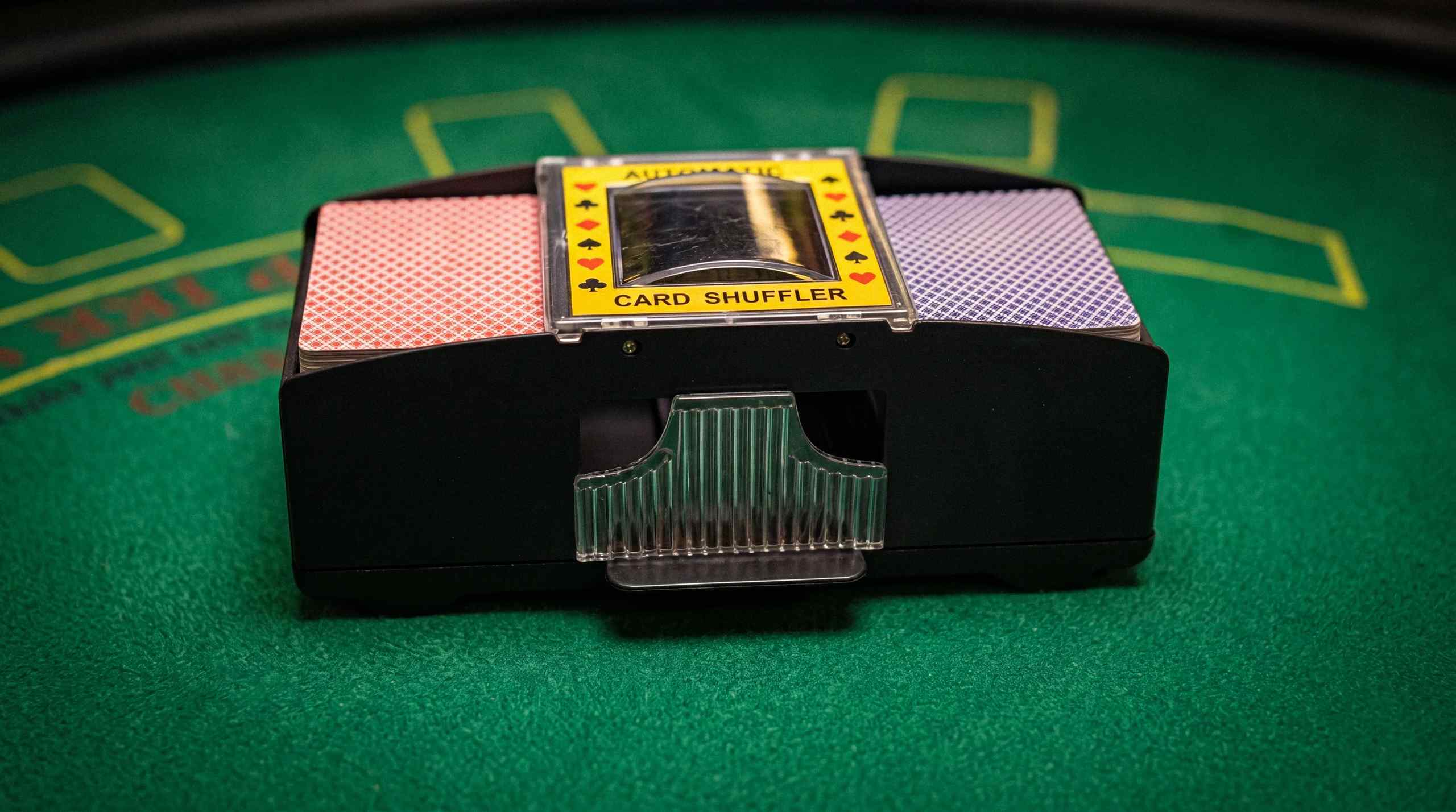
John Breeding was a truck driver reading a newspaper. After catching an article about card counting, he decided to find a better way to deal blackjack. He founded Shuffle Master in 1983 and spent the following years developing the casino industry's first automatic card shuffler. The first unit sold to Bally's in Las Vegas in 1992 (funnily enough, Bally Technologies, a separate gaming tech company sharing the same corporate roots, would later acquire Shuffle Master's successor company, SHFL Entertainment, for $1.3 billion in 2013).
Shuffle Master's machines eliminated much of the risk of card counters in blackjack or other games by dealing every hand from a freshly shuffled deck. They also sped up games by eliminating the significant time a dealer might spend shuffling.
Now, shufflers are so advanced that they can be programmed to deal hands for specific games based on how many players are at the table. More games per hour means more fun for the player and more money for the casino.
What's The Next Big Casino Innovation?
I don't have a crystal ball, so I can't tell you the future. I can tell you innovation isn't over. As long as casinos remain popular and profitable, they'll continue welcoming technological advances that change how we experience gambling.
I think a few contenders exist for the "next big thing," such as AI-based personalization in loyalty programs (already happening, for what it's worth) and robotics enhancing hotel services/amenities. But the key thing to remember is that the flashiest changes aren't always the most impactful. TITO feels simple now, but it shifted the landscape in a major way. Shufflers feel commonplace now, but they paved the way for more games with faster hands. If you want to find the next "big" thing, you should actually start by thinking small.
Cole Rush is a freelance writer, crossword constructor, and creative tinkerer with more than 10 years of experience writing about anything and everything. Cole’s primary area of expertise is the gambling industry, covering the expansion of sportsbooks and online casinos alongside emerging spaces like sweepstakes casinos and prediction markets.
More Articles like this
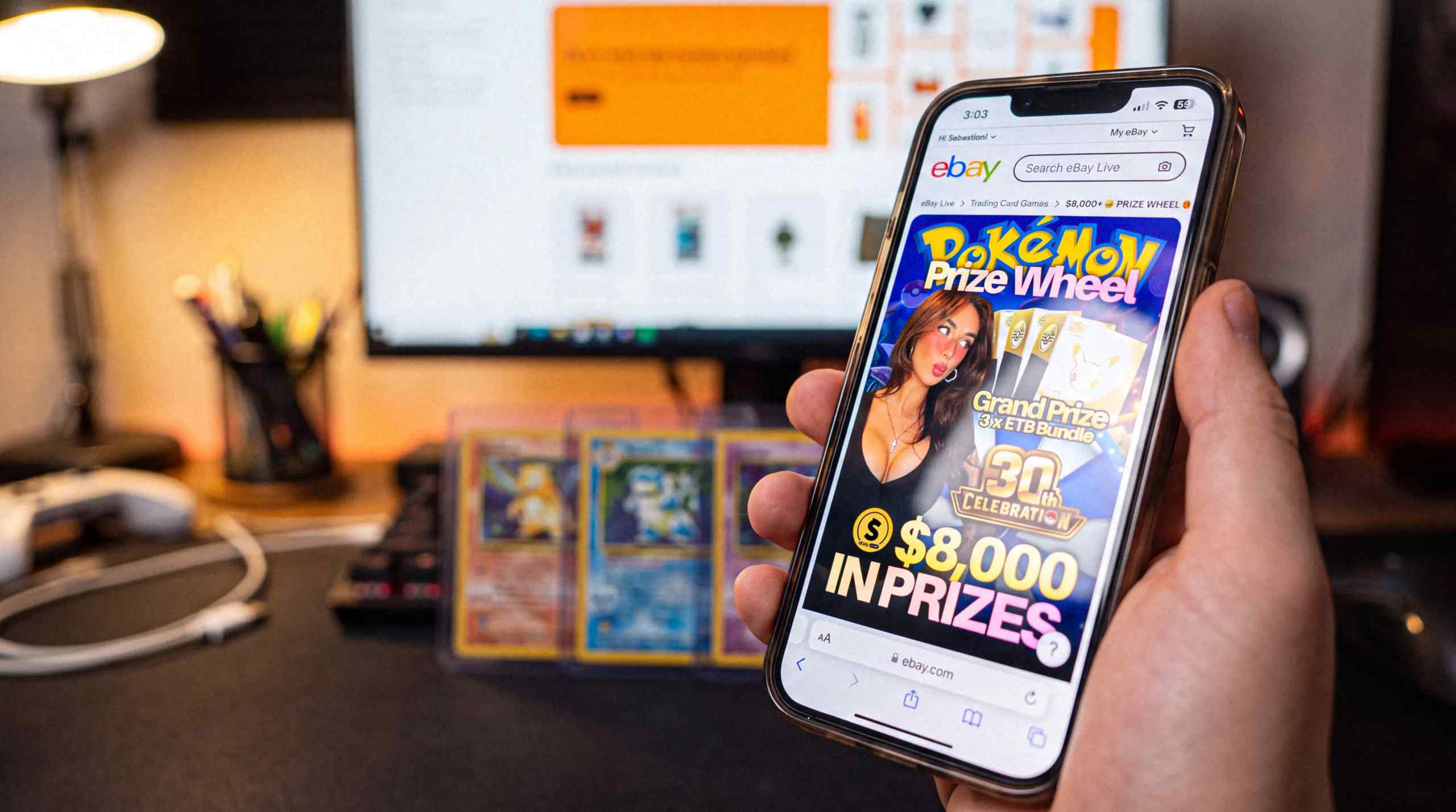
Are eBay's "Spin the Wheel" Listings Just Gambling?
A corner of eBay Live auctions off wheel spins instead of actual items. Bid starts at $1, the price climbs, and the winner finds out what they bought only after the wheel stops. Here's why that's not really shopping.
By Cole Rush
Casino Carpets Are Ugly. But Not for the Reason You Think
Casino carpets have long been accused of keeping gamblers disoriented and glued to the games. The truth is considerably more practical, though just as strange.

By Cole Rush
The Strange Gambling Laws Behind Cruise Ship Casinos
Cruise ship casinos only open once a ship clears territorial waters, and the odds, oversight, and rules that follow are nothing like a Vegas floor. Here's what actually changes at sea.
By Cole Rush
Six Reasons Bettors Are Starting to Ditch Credit Cards
States are increasingly questioning whether borrowed money has any place in gambling. From instant interest to damaged credit, the risks can extend far beyond the bet itself.
By Charlon Muscat
How Subscriptions Use Gambling Psychology to Hook You
Streaming services, apps, and subscription boxes may look nothing like a casino, but many tap into the same psychological forces that make gambling so hard to walk away from.
By Cole Rush
The Best Gambling Songs Ever Written, Ranked
From Kenny Rogers to Sting, these seven songs go beyond casino clichés to capture the risk, psychology and obsession behind gambling.

By Cole Rush