
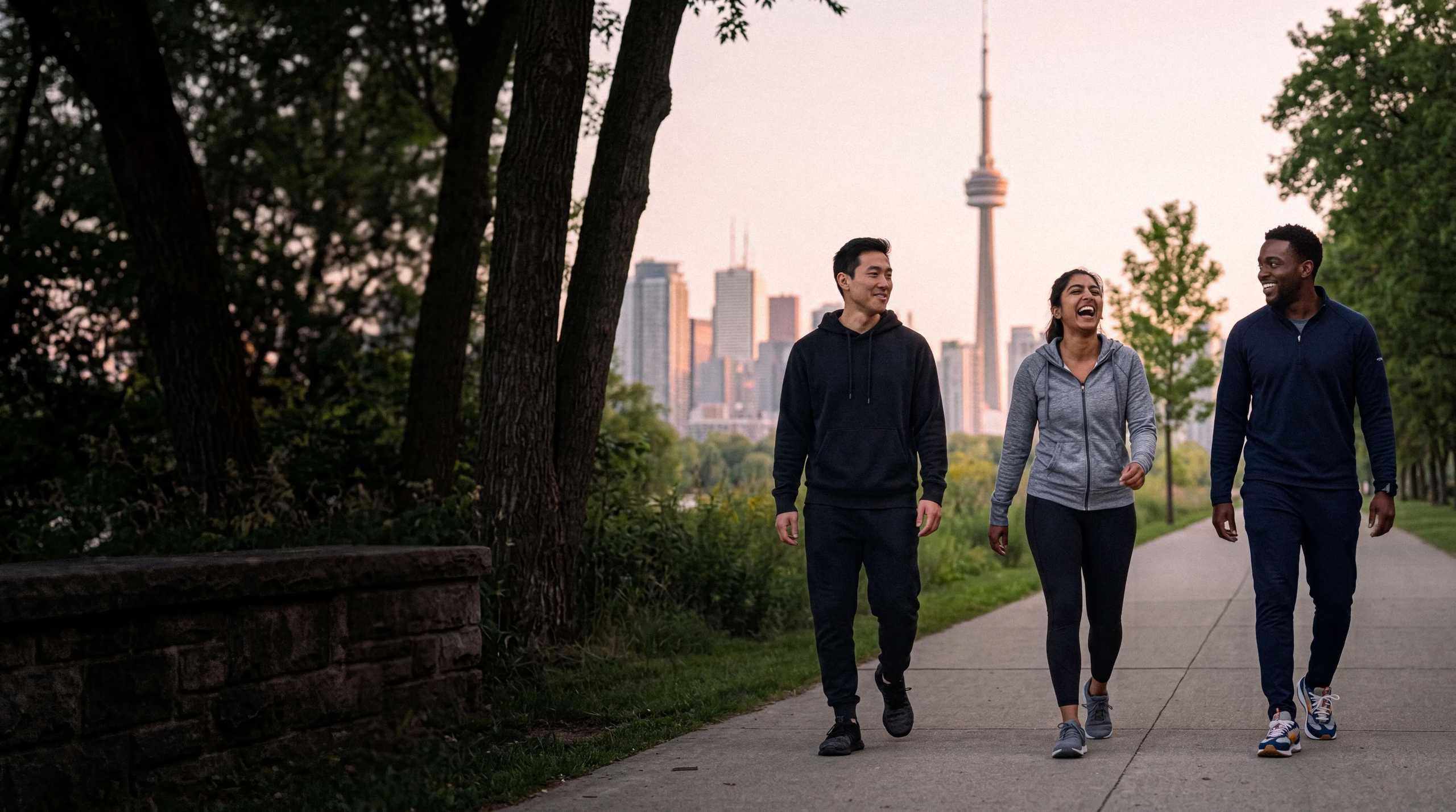
The Surprising Wellness Trend of 2026? Sustainability
Social fitness, sleep routines, and nervous-system regulation are taking over as consumers move away from cold plunges, biohacking, and extreme optimization.
For much of the past decade, wellness trends were all about optimization.
Cold plunges, red-light therapy, wearables, supplement stacks, and longevity routines turned everyday health into a high-performance project. But in 2026, the center of gravity is shifting.
The newest wellness trends are less about proving discipline and more about building habits people can actually maintain. The industry is still full of technology and ambition, but the vibe is changing: less extreme, more social, more sustainable, and a little less obsessed with turning every routine into a data point.
Wellness is getting less extreme
One of the biggest changes in 2026 is fatigue. Consumers still care about health, but many appear less interested in turning wellness into a second job.
This backlash against over-optimization shows up in the growing appeal of simpler habits:
- Walking
- Regular sleep
- Low-intensity movement
- Routines that fit real life instead of social media
That does not mean wellness is going away. It means the definition is broadening, and instead of asking how much people can endure in the name of health, the new question is what they can realistically repeat.
That shift matters because the habits that stick tend to be the ones that fit ordinary schedules, not just elite recovery programs or expensive protocols.
The trends taking over
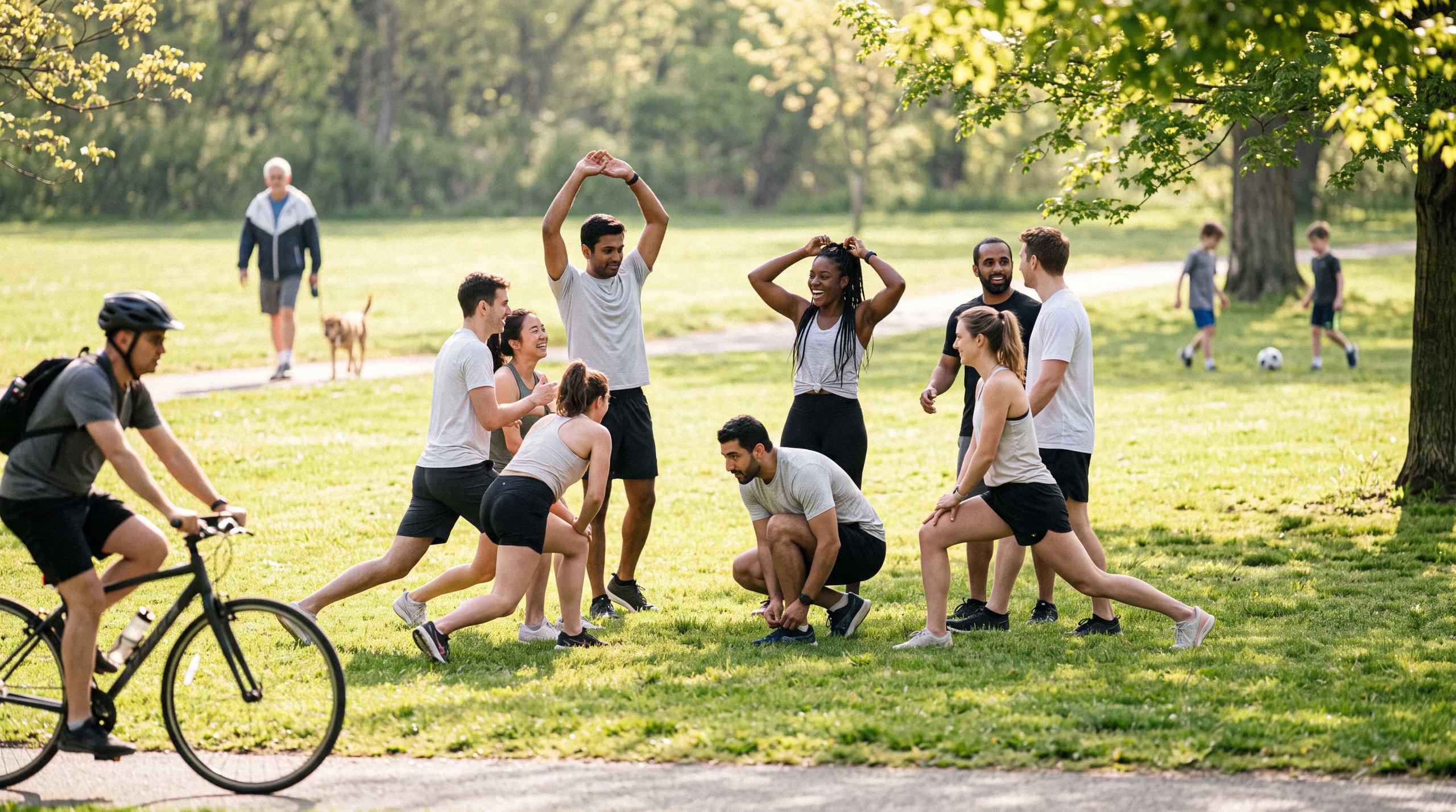
The strongest emerging wellness trends in 2026 are those that are easier to practice and share. Walking clubs, run clubs, group fitness, recovery-focused training, sleep routines, and nervous-system regulation all fit that mold.
They are not as flashy as a 40-degree plunge tub, but they are more usable, and usability is becoming a bigger part of wellness value.
AI-powered health coaching is also gaining ground, but the most useful version is less “biohacking oracle” and more “low-friction guide.”
Consumers seem more interested in tools that reduce decision fatigue than in tools that create more metrics to manage. That is one reason sleep optimization, personalized nutrition, and simple movement routines continue to resonate while more exotic wellness products struggle to justify their cost.
Big Wellness Trends in 2026
| Category | Why It Is Growing |
|---|---|
| Sleep | Core foundation for health. Consumers want simpler routines that improve energy, mood, and recovery without expensive gadgets. |
| Recovery | Shift from intense training to sustainable routines. Focus on rest, light movement, and stress reduction instead of extreme protocols. |
| Social Wellness | Wellness is becoming more about connection, including group fitness, run clubs, and community-based activities, which offer both health and social support. |
| Longevity | Growing interest in healthspan and aging well, but increasingly via practical habits rather than exotic biohacking or expensive supplements. |
| Mental Health | Rising awareness of stress, burnout, and nervous-system regulation. Consumers favor mindfulness and emotional balance over data-driven optimization. |
Social wellness is rising
Wellness in 2026 is becoming less individual and more social. Run clubs, group workouts, wellness travel, and sober-curious socializing all reflect a broader shift. People want connection, not just optimization.
Harvard researchers have continued to emphasize that social connection is associated with longer, healthier lives, which helps explain why wellness is increasingly being packaged as a community activity rather than a solo ritual.
That shift also helps explain why “social wellness” feels durable. It is easier to keep a habit when it is tied to people, not just goals. A walking club can double as exercise and friendship.
A sober event can serve as both entertainment and a means of recovery. A group fitness class can become a recurring social anchor, not just a calorie burn.
What trends are fading
Cold plunge saturation is probably the clearest example of a trend that peaked and began to normalize. The practice is not disappearing, but it no longer feels novel.
The same is true of some wellness gadgets and supplement stacks. The market is crowded, the promises are often bigger than the evidence, and consumers are more skeptical than they were a few years ago.
A lot of the backlash is not anti-wellness. It is anti-exhaustion. People still want to feel better, recover faster, and live longer.
They just do not want every healthy choice to require a subscription, a scan, or a complicated protocol. That is why the simpler trends are winning attention. They ask less of the user and often deliver more consistent results.
What science still supports
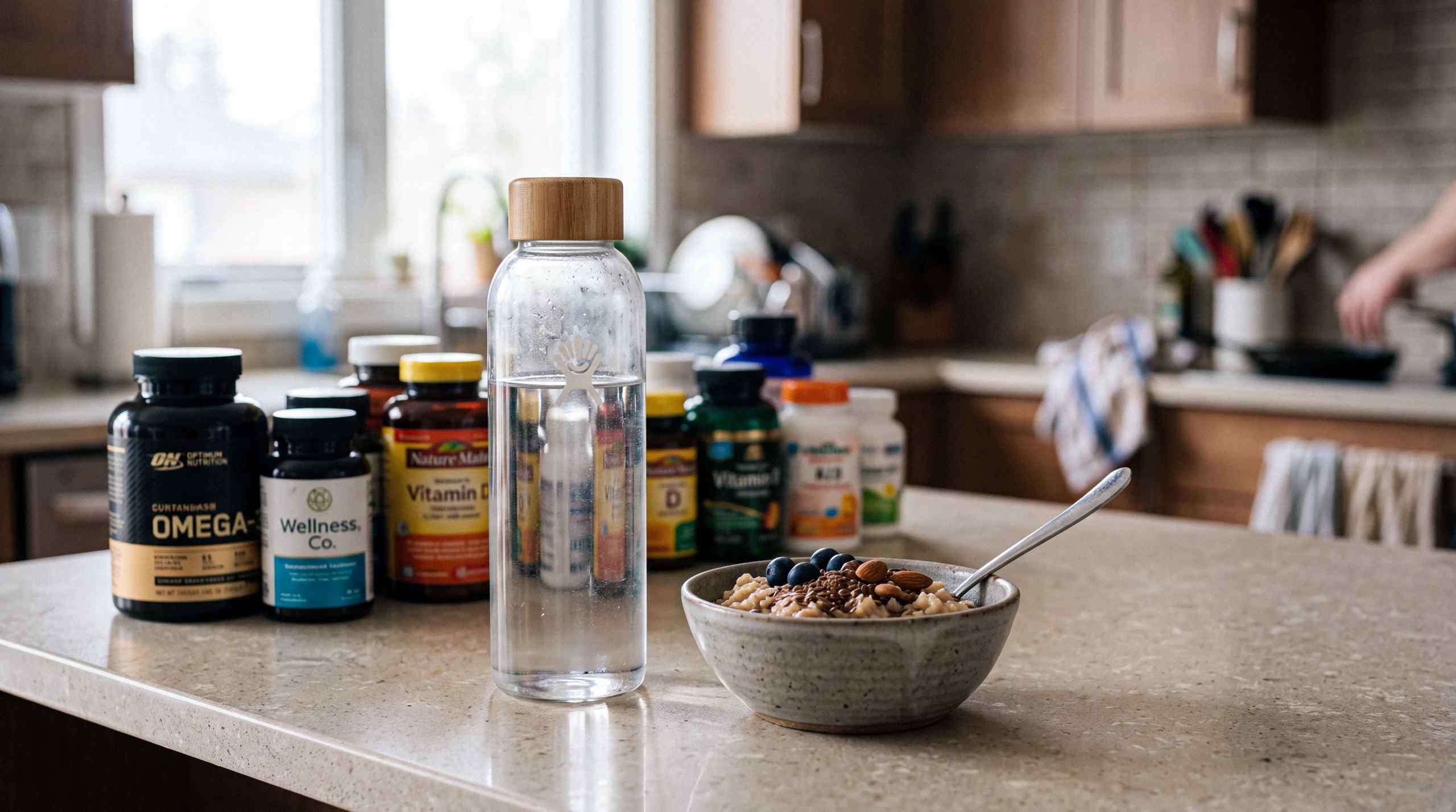
The most durable wellness ideas remain the least glamorous ones:
- Exercise
- Sleep
- Nutrition
- Stress management
- Social connection
Research continues to show that sleep and physical activity are closely linked to overall quality of life, while exercise and socializing can also buffer the effects of poor sleep and stress.
That is the quiet truth underneath the 2026 wellness cycle. The trends may change, but the basics do not.
Walking still helps. Sleeping well still matters. Moving regularly still matters. Being around other people still matters.
The newest wellness culture may look more polished and better-branded, but the most effective habits are still the ones people can adopt without thinking too hard.
Conclusion
The new wellness trends of 2026 are less about extremes and more about sustainability.
Cold plunges, biohacking, and gadget-heavy optimization are giving way to walking clubs, social fitness, sleep routines, nervous-system regulation, and AI tools that simplify rather than overload.
The biggest cultural shift is that wellness is becoming more human: less solitary, less performative, and more rooted in habits people can actually keep.
The science still points to the same fundamentals. Exercise, sleep, nutrition, stress reduction, and connection remain the core of health, which is why the most durable trends tend to circle back to those basics. The novelty may come and go, but the habits that last are the ones that fit real life.
Pat Evans is a Grand Rapids-based journalist and editor covering the intersection of business, sports, lifestyle, and gambling regulation. With a background in business journalism and legislative reporting (LSR, iGamingBusiness), he brings an analytical, human-focused approach to stories about modern trends. His work has appeared in regional and national publications, and he is also the author of two books on beer history.
More Articles like this
Is Sitting as Bad as Smoking? Not Even Close
We've all heard that sitting is the new smoking. But while spending too much time on the couch carries genuine health risks, the science behind this alarming comparison tells a very different story.
By Stuart Hughes
Seven Ways Your Brain Tricks You Into Taking Risks
From chasing losses to trusting AI predictions, science reveals seven mental traps that can make risky decisions feel surprisingly reasonable.

By Stuart Hughes
From Creatine to Collagen: Which Supplements Actually Work?
From bigger muscles and healthier skin to getting a better night's sleep, wellness supplement advertising promises the world, but is the marketing department spinning scientific facts?
By Stuart Hughes
The 5 Craziest Wellness Trends People Once Swore By
Beauty is pain, or so the saying goes. Throw in the promise of a shortcut, and people will listen. Some of the wellness trends that caught on, though, were wild even by the standards of their own time.
.webp)
By Charlon Muscat
Time to Wake Up: 8 Hours of Sleep Isn't a Magic Number
For years, eight hours has been drilled into us as the perfect night's kip. Turns out, the sleep doctors think there's more to getting a good night's sleep than just clocking up the hours.
By Stuart Hughes
Do You Really Need Eight Glasses of Water a Day?
Think you need eight glasses of water a day? The science never really said that. Here’s how one of wellness’s most persistent myths took hold.
By Charlon Muscat