
Cold Plunges: Breakthrough or Bullshit?
Ice baths promise faster recovery, better mental health, and more. How much of it actually holds up?

You would be forgiven for being curious about the remarkable surge in popularity of cold plunges as seen in magazines, travel blogs, and social media these days. It’s not surprising given the seemingly endless list of benefits from the promise of accelerated post-exercise recovery, to the suggestion it can improve your mental health, and strengthen your immune system… the myriad of supposed perks appears endless.
Now a familiar sight in professional sports, with elite athletes partaking in a post-game soak as part of their recovery routines, the trend is thriving, fueled by an uptick in social media influencers indulging in the practice. Given that cold plunge tubs have also become a fashionable prerequisite in local gyms, spas, and even our backyards, this unusual hobby is now often touted as a daily or weekly ritual everyone should adopt.
The reality, however, is far more nuanced. With that in mind, we take a deep dive into the supposed benefits of cold-water immersion (CWI) and hydrotherapy to see if it is, in fact, a genuine wellness breakthrough – or potentially a hazardous pastime that can impact anyone with certain underlying medical conditions.
What is a cold plunge?
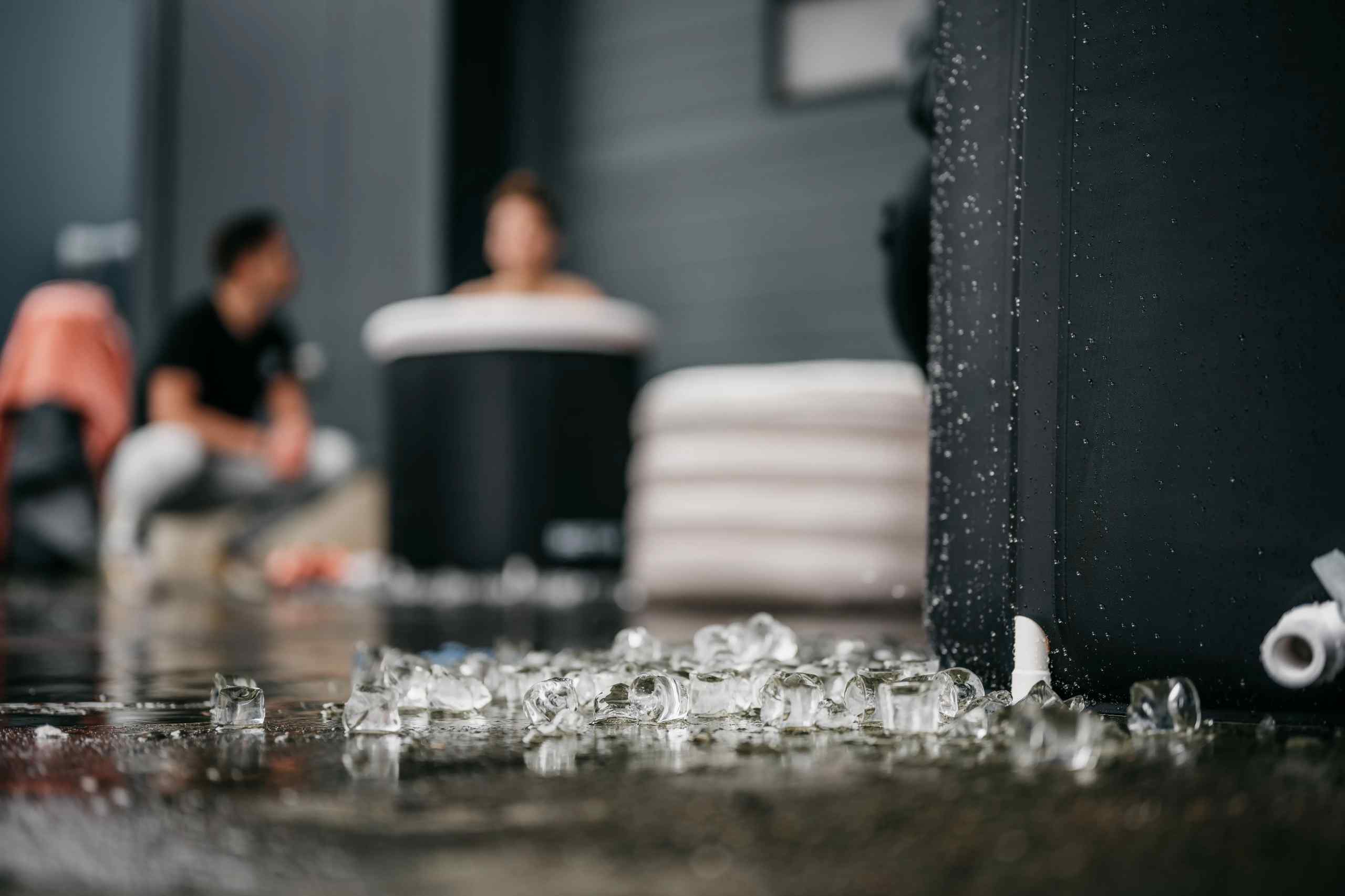
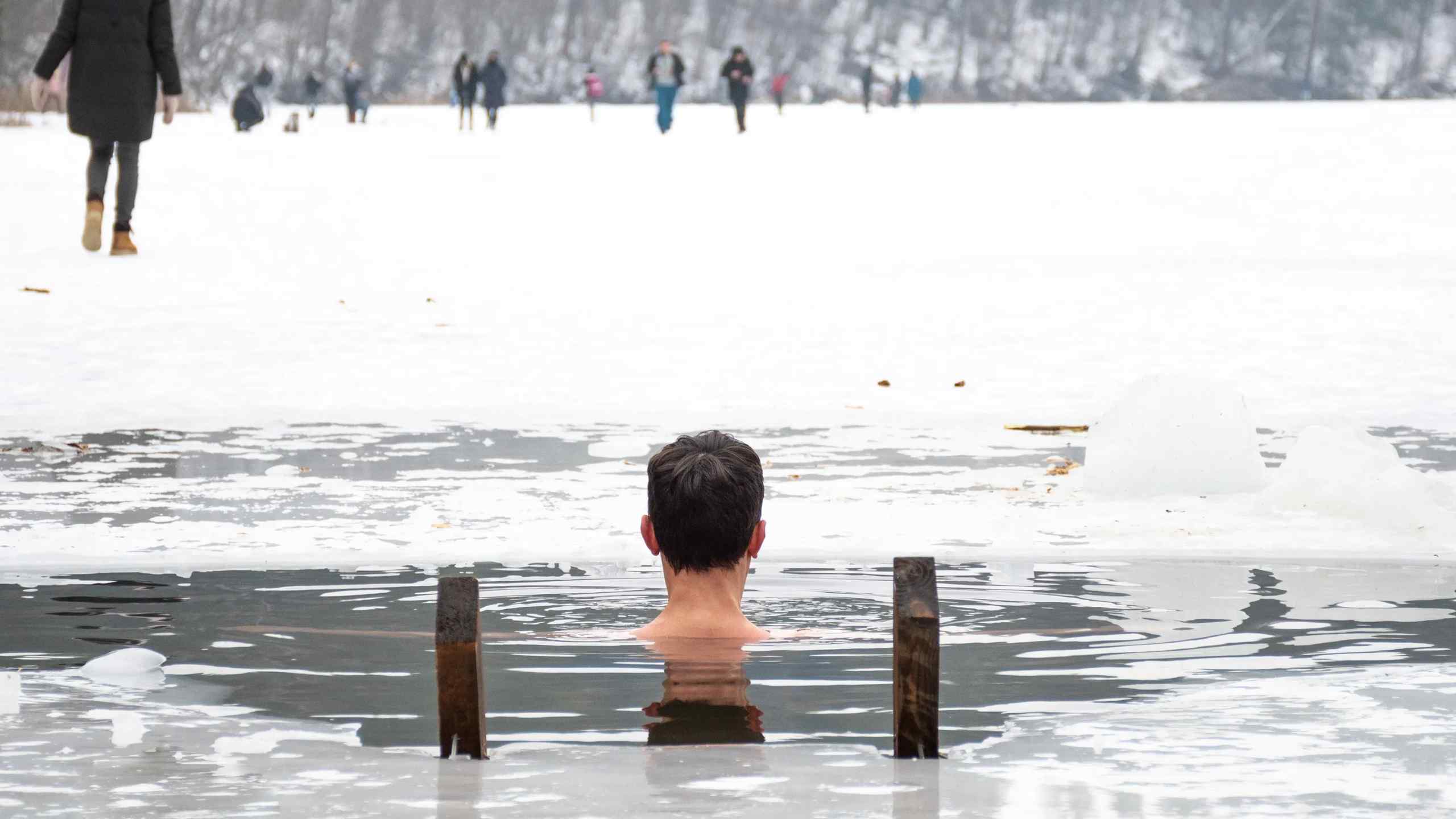
Essentially, if you’ve not seen it done before, cold plunges simply involve immersing yourself in cold water conditions with temperatures dropping to as low as 10–15°C (50–59°F) - although some hardcore enthusiasts like it even colder. This could be as simple as taking a cold shower, or as more commonly seen on social media, submerging yourself in an ice bath or natural water source, with sessions lasting anywhere from 30 seconds to as long as 10 minutes.
Remarkably, the practice of cold plunging is thousands of years old and is rooted in cultures around the world, dating back to ancient Greece. Similar to cryotherapy, which uses cold air rather than water, cold-water treatments have become a trendy post-workout recovery practice, as well as a practice embraced by ice bathing enthusiasts as part of their daily wellness routine.
For all intents and purposes, the practice draws on a simple principle: using cold water to trigger a physiological stress response. In doing so, the sudden introduction of cold water forces the body to respond, attempting to mitigate the temperature change, which, for some, instantly elicits a wave of invigorating sensations throughout the body.
What happens to the body in cold water?
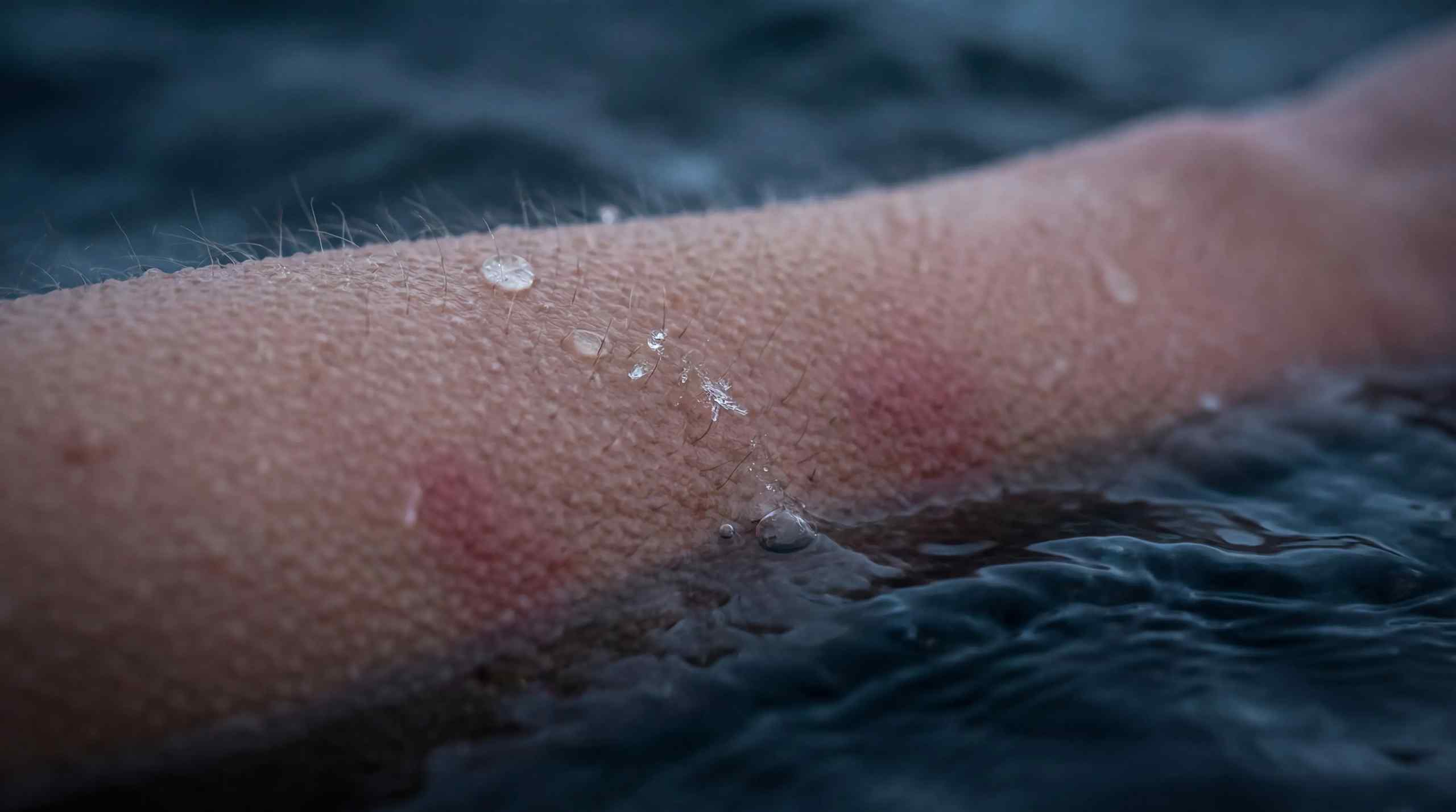
If you have ever accidentally jumped into a cold shower – well, that's just a brief snippet of the sensation you'll experience during a cold plunge as your body instinctively reacts to the cold by triggering what is called 'Vasoconstriction'. This natural reflex narrows all of the body's blood vessels in order to preserve your core temperature, protecting your vital organs by reducing the blood flow to your muscles and skin.
Intriguingly, you have probably already used this pre-programmed impulse if you have ever applied ice to an injury to help reduce swelling or inflammation.
However, full-body immersions are designed to fully activate our sympathetic nervous system, triggering a "fight or flight" response, accelerating our heart rate, and flooding the body with norepinephrine, endorphins, and stress hormones. It's these dynamic chemical messengers that invoke the so-called rush people are said to experience when jumping into an ice bath or cold water source.
CWI and cold plunge treatment’s proven benefits.
Undeniably, the strongest evidence of the benefits of cold plunges is seen throughout professional sporting leagues around the world, as athletes and physical therapists credit it with fast-tracking recovery - particularly after intense exercise. In fact, a peer‑reviewed meta‑analysis of 20 studies backs this up and demonstrates that cold water immersion is able to help alleviate short-term muscle soreness and perceived fatigue.
Furthermore, other studies also supported evidence suggesting that participants experienced mild improvements in both sleep quality and quality of life following CWI treatments. Although researchers agree that more in-depth research is needed to help substantiate these early findings, as while the results were promising, critics infer that these benefits may not actually translate into long-term health gains for everyone.
Cold plunge claims that are often overstated or unclear
Listen to any influencer on the subject, and they would have you believe they’ve found the ultimate cure-all miracle solution - yet many of the boldest claims simply aren’t backed by any form of scientifically tested evidence.
Medically speaking, knowledge of the full range of benefits that cold plunging is purported to induce is still very much in the early stages in terms of its overall research status. So, while advocates cite certain studies to back one claim or another, looking at the bigger picture, the data as a whole is still relatively inconsistent, small-scale, or inconclusive.
Unverified claims cold water plunges provide
- Enhanced immune system:
Evidence supporting this is sparse, and there is no clarity about how this feat is actually achieved.
- Accelerated metabolism:
Studies indicate that metabolic increases are fleeting, which indicates it is unlikely to facilitate fat burn post-submersion.
- Long-reaching health benefits:
While some short-term health improvements can be linked to CWI, the longevity and durability of these claims require more in-depth, longer-term studies.
Are cold plunges dangerous?
If there is one thing scientists can all agree on, cold plunges are certainly not entirely risk-free, as the initial shock, particularly when immersed in 'supercooled' water, places a huge demand - not to mention a significant amount of stress - on the body and cardiovascular system. Pre-emptive conditioning before a cold plunge undoubtedly helps, but the onset of the body’s response in the form of rapid breathing, increased heart rate, and a sudden spike in blood pressure can be an inherent danger for even the hardiest of athletes.
Additionally, cold plunges pose other practical real-world dangers, not least the risk of hypothermia from prolonged exposure to intense cold. Moreover, the abrupt and intense demands on the body also pose an ingrained risk to those with heart or respiratory health problems, or more perilously, anyone with an underlying or undiagnosed health condition.
When Cold Plunges Make Sense
With all that being said, the practice of cold plunges remains a plausible daily ritual, particularly when done in a controlled environment. But, despite the claims frequently seen on social media, ice baths and cold-water therapy will never be an all-around wellness solution. However, when implemented with a clear purpose - such as a post-exercise recovery routine – it offers tangible benefits to those who need it.
Benefits vs Evidence Level
| Benefit | Evidence | Notes |
|---|---|---|
| Muscle recovery | Strong | Best-supported use case |
| Inflammation reduction | Moderate | Mostly short-term |
| Mood boost | Moderate | Real but often overstated |
| Immune support | Weak | Limited evidence |
| Fat loss | Weak | Frequently exaggerated |
For some, the bracing effects of a cold plunge will always deliver the rush of endorphins whenever they take a dip or jump into a cold shower; for others, the practice simply seems distinctly bizarre. Nevertheless, just like how you would approach skydiving, cold plunges can indeed be intensely exhilarating, but as any doctor or scientist will tell you, neither can be done without elevating a certain degree of danger.
Stuart Hughes is a London-based freelance journalist covering sports, travel, lifestyle, and technology. He’s worked with brands like Lenovo, Best Western, and Frontier Airlines, bringing a global perspective shaped by years of travel.
More Articles like this
Is Sitting as Bad as Smoking? Not Even Close
We've all heard that sitting is the new smoking. But while spending too much time on the couch carries genuine health risks, the science behind this alarming comparison tells a very different story.

By Stuart Hughes
Seven Ways Your Brain Tricks You Into Taking Risks
From chasing losses to trusting AI predictions, science reveals seven mental traps that can make risky decisions feel surprisingly reasonable.

By Stuart Hughes
From Creatine to Collagen: Which Supplements Actually Work?
From bigger muscles and healthier skin to getting a better night's sleep, wellness supplement advertising promises the world, but is the marketing department spinning scientific facts?

By Stuart Hughes
The 5 Craziest Wellness Trends People Once Swore By
Beauty is pain, or so the saying goes. Throw in the promise of a shortcut, and people will listen. Some of the wellness trends that caught on, though, were wild even by the standards of their own time.
.webp)
By Charlon Muscat
Time to Wake Up: 8 Hours of Sleep Isn't a Magic Number
For years, eight hours has been drilled into us as the perfect night's kip. Turns out, the sleep doctors think there's more to getting a good night's sleep than just clocking up the hours.

By Stuart Hughes
Do You Really Need Eight Glasses of Water a Day?
Think you need eight glasses of water a day? The science never really said that. Here’s how one of wellness’s most persistent myths took hold.

By Charlon Muscat