
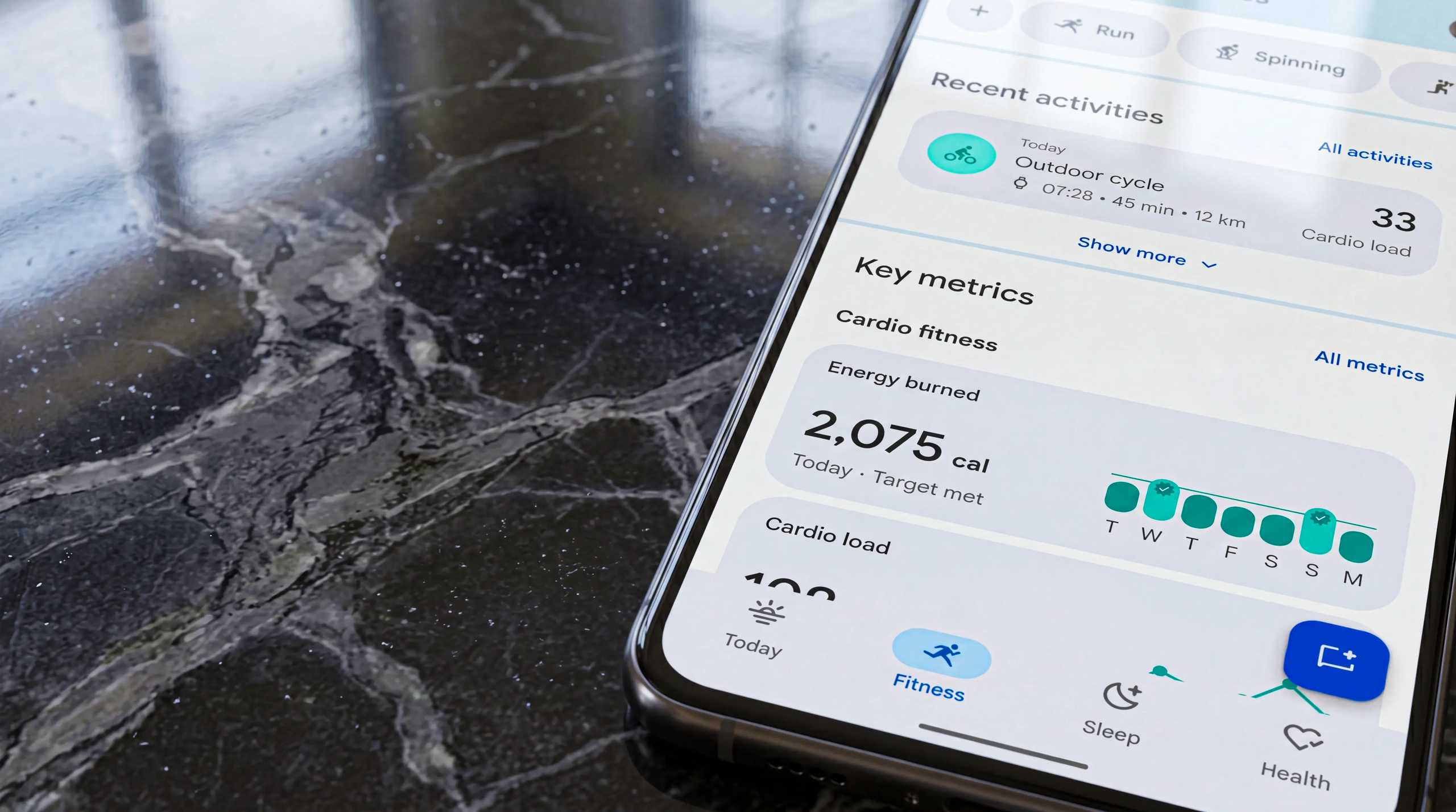
Google Health Wants to Replace Your Personal Trainer With AI
The era of basic step-tracking wearables is officially over. Google Health’s takeover of Fitbit means it can now think for you, coach you, and quietly run your health life from an app.

For years, fitness wearables were little more than fancy pedometers strapped to our wrists. Sure, they could count our steps, track our sleep, and guilt-trip us into going for a walk every time we had a takeaway pizza the night before, but that was essentially it.
However, Google has decided that just won’t cut it anymore. Following the launch of Google Health last month, the tech giant has officially transformed Fitbit from being a passive tracker into a fully automated wellness ecosystem with your very own AI PT instructor included, but is it what the world wants or needs?
Fitbit Is Dead, Long Live Google Health
Arguably, the modern fitness tracker craze started back in 1965 after Japan’s Dr Yoshiro Hatano first introduced the Manpo-kei (literally translated as a “10,000-step meter”) following the 1964 Tokyo Olympics.
While the Manpo-kei was, for all intents and purposes, just a wearable pedometer, decades later, Fitbit managed to turn that simple idea into a billion-dollar industry.
However, Fitbit as we knew it is officially finished – seamlessly absorbed into Google Health in a wearable tech takeover.
While many of the tracking metrics remain the same - such as the distances you walk, your sleep and stress levels, as well as your eating habits - it now comes with an AI health coach to keep tabs on your wellbeing.
While this may be perfect for those hoping to look after their bodies during a boozy getaway to Vegas, it does come with an unnerving level of surveillance that has transformed a device from being a part-time workout companion into a 24/7 digital health advisor.
What Google Health Tracks About You
| Category | What It Measures or Uses |
|---|---|
| Sleep | Sleep stages, duration, restlessness, and recovery patterns |
| Heart Rate | Resting heart rate, workout intensity, and recovery signals |
| Wellness Signals | Inferred stress, recovery, and resilience trends based on activity and biometrics |
| Workouts | Exercise type, cardio load, movement patterns, and recovery impact |
| Nutrition | Food logs, calorie intake, and nutrition tracking from connected apps |
| Mood Tracking | Emotional wellness check-ins and behavioral trends |
| Menstrual Cycle | Cycle phases and related health trends |
| Weight | Smart scale integration and body metric tracking |
| Medical Records | Labs, vitals, doctor summaries, and uploaded health documents. |
AI Coaching Is the Real Game Changer
No doubt, the headline app feature is the Google Health Coach, your personal AI assistant built using Gemini that dons a health strategist’s cap, rather than being just a generic fitness tracking app.
Interestingly, it analyses your workouts, recovery, stress, and sleep levels before presenting you with a context-aware fitness plan in real time - though you’ll need to fork out $9.99/month for Google Health Premium to get it.
However, the Gemini-powered AI Health Coach will then build you personalized workouts, pinpoint why your sleep score dipped, and effortlessly adapt a fitness plan based on how your body recovers each week. In doing so, the app shifts your focus away from deciphering endless charts and metrics in favor of a permanently on-call private personal trainer.
The Fitbit Air Wants to Disappear on Your Wrist
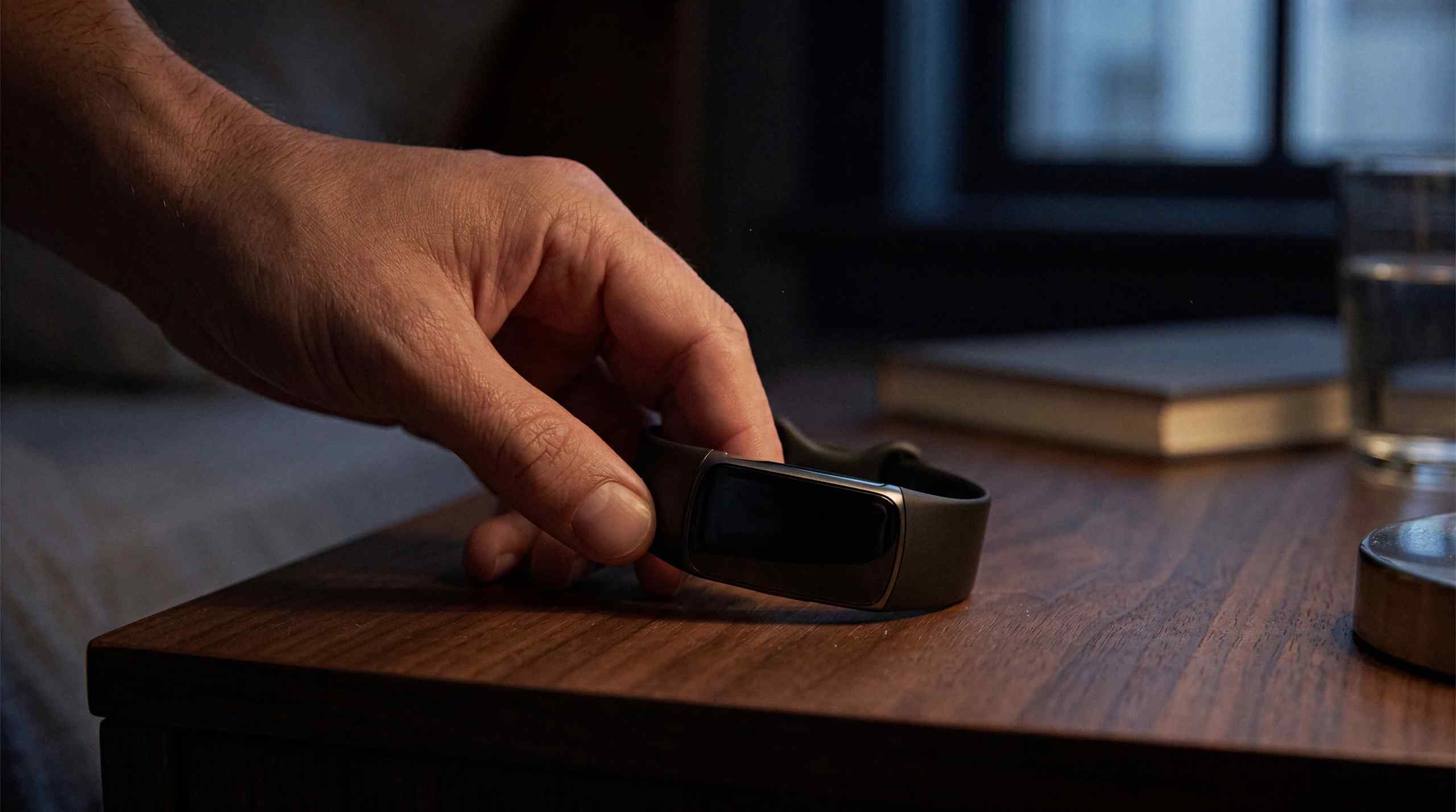
Not only is Google Health hoping to spearhead your new fitness regime, but with the introduction of Fitbit Air - its new screenless paired device - Google also plans to usurp Whoop’s dominance in the passive fitness tracking market.
At just 12 grams, the Air is their smallest tracker yet and purposely designed to be almost invisible, covertly tracking and monitoring your health metrics remotely.
- Key Fitbit Air features include:
- Seven-day battery life
- Screenless minimalist design
- Automatic workout detection
- AI-powered recovery insights
- Sleep, stress, and cardio load tracking
In fact, the entire philosophy behind the new Air wearable has pivoted towards more ambient computing, principally making it a device that operates quietly in the background without the need for any commands or interactions.
In some ways, it’s become less like a gadget and more of a perpetual health sensor that simply feeds data directly into Google’s AI ecosystem.
This Is Either the Future of Health or It Could Become a Privacy Nightmare
The concept may sound great, but it inevitably raises the age-old red flag when it comes to Big Tech dealing with our personal data.
On the face of it, Google maintains that users will retain complete ownership of all their information, even offering tools to help export, share, or erase their data at any time. The company also stressed that Google Health metrics will be kept wholly separate from its advertising systems.
Now, one could argue they’re addressing the elephant in the room in a bid to ease concerns about how the tech giant might use this personal data to further spearhead a digital incursion into the healthcare space.
Even so, serious questions remain about what happens when you chuck a bunch of uniquely personal data metrics, including biometric signals, emotional monitoring, sleep histories, medical records, and location tracking, into a single AI-governed ecosystem.
Like So Many Times Before… Google Didn’t Invent It, But They Plan to Define It
Indeed, Google Health actually signals the start of a much larger battle among the big-hitting tech firms over who controls the future of the personal wellness sector.
It goes without saying that Apple, Whoop, Oura, and Samsung are all realistically racing toward the same goal of turning wearable data into AI-powered lifestyle guidance – but Google’s consolidation of Fitbit now gives them an edge. The only difference seems to be that Google appears hellbent on going all-in to create the first universal AI-infused health operating system.
Whether that feels revolutionary or slightly terrifying probably depends on how comfortable you are with the premise of AI knowing more about your body than you do.
Fitness Tracking Has Officially Grown Up
You could say the introduction of Google Health is possibly nudging fitness enthusiasts further towards a slippery slope of fully automated fitness regimes. After all, AI is changing everything else in the world, so why not augment how we keep fit too, right?
Ultimately, Google is banking on our obsession with optimizing fitness performances, only now, instead of having to interpret the data ourselves, it seems AI will do all the hard work for us.
Nevertheless, given that they can now connect the dots between recovery, stress, workouts, diet, and lifestyle, you could say the only thing missing in fitness trackers these days is an in-built sports betting app.
Stuart Hughes is a London-based freelance journalist covering sports, travel, lifestyle, and technology. He’s worked with brands like Lenovo, Best Western, and Frontier Airlines, bringing a global perspective shaped by years of travel.
More Articles like this
Is Sitting as Bad as Smoking? Not Even Close
We've all heard that sitting is the new smoking. But while spending too much time on the couch carries genuine health risks, the science behind this alarming comparison tells a very different story.

By Stuart Hughes
Seven Ways Your Brain Tricks You Into Taking Risks
From chasing losses to trusting AI predictions, science reveals seven mental traps that can make risky decisions feel surprisingly reasonable.

By Stuart Hughes
From Creatine to Collagen: Which Supplements Actually Work?
From bigger muscles and healthier skin to getting a better night's sleep, wellness supplement advertising promises the world, but is the marketing department spinning scientific facts?

By Stuart Hughes
The 5 Craziest Wellness Trends People Once Swore By
Beauty is pain, or so the saying goes. Throw in the promise of a shortcut, and people will listen. Some of the wellness trends that caught on, though, were wild even by the standards of their own time.
.webp)
By Charlon Muscat
Time to Wake Up: 8 Hours of Sleep Isn't a Magic Number
For years, eight hours has been drilled into us as the perfect night's kip. Turns out, the sleep doctors think there's more to getting a good night's sleep than just clocking up the hours.

By Stuart Hughes
Do You Really Need Eight Glasses of Water a Day?
Think you need eight glasses of water a day? The science never really said that. Here’s how one of wellness’s most persistent myths took hold.

By Charlon Muscat