
Life's A Gamble: Tuyo's "Buy Now, Pay Maybe" Card
Tuyo’s “Buy Now, Pay Maybe” card sounds like a financial jackpot, but a closer look shows a crypto product built on uncertainty, gamification, and a whole lot of fine print.
%20(1).webp)
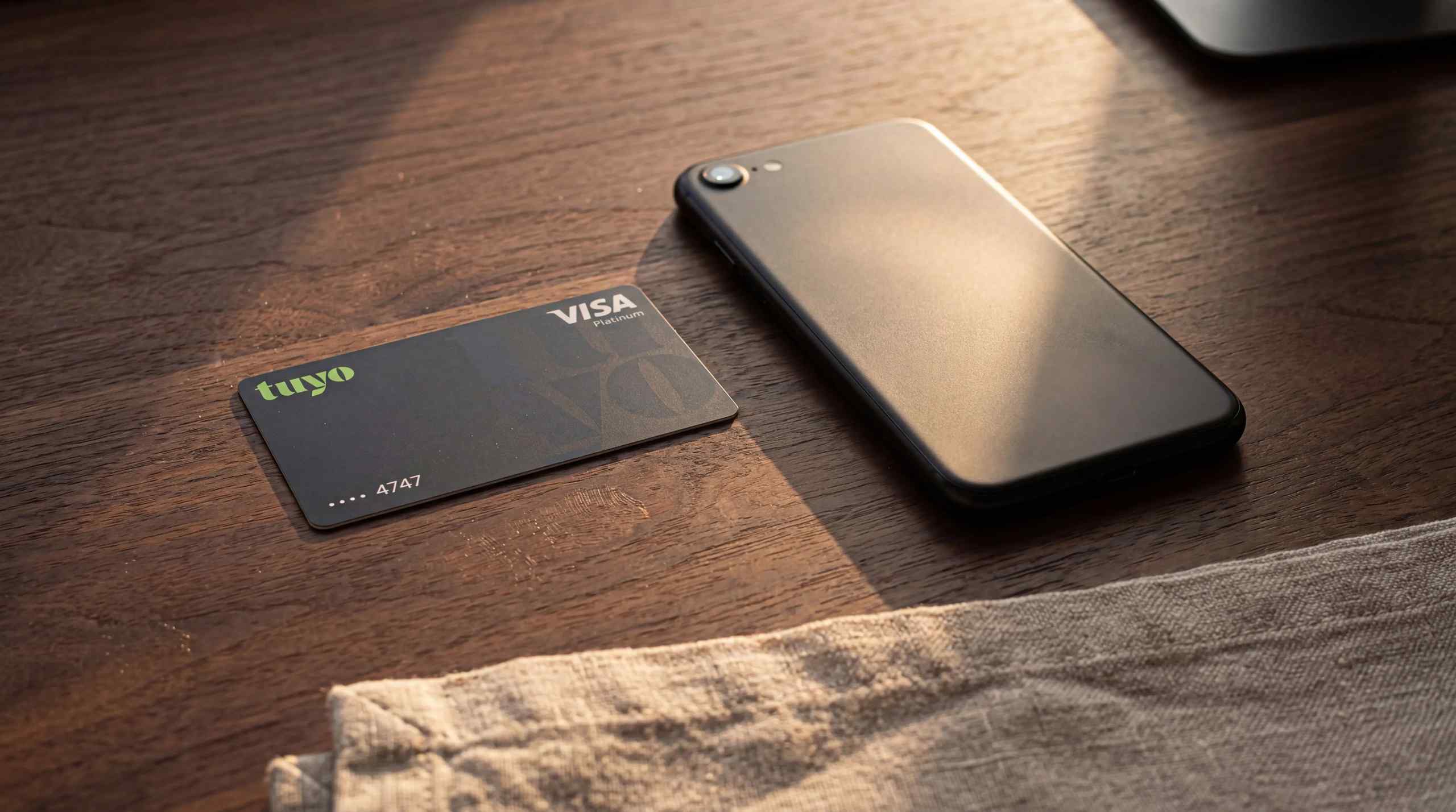
Tuyo is a self-custodial, crypto-linked debit card and financial platform. If any of those terms confused you or felt off-putting, don’t worry. I felt the same way. I dove deeper into Tuyo’s programs to better understand what, exactly, the company is offering.
One of the main draws of Tuyo is a debit card with a “Buy Now, Pay Maybe” program. I’ll explain that below. I’ll also answer what is “probably” the most burning question you have upon hearing the description: Is it legit?
How Tuyo’s “Buy Now, Pay Maybe” Program Works
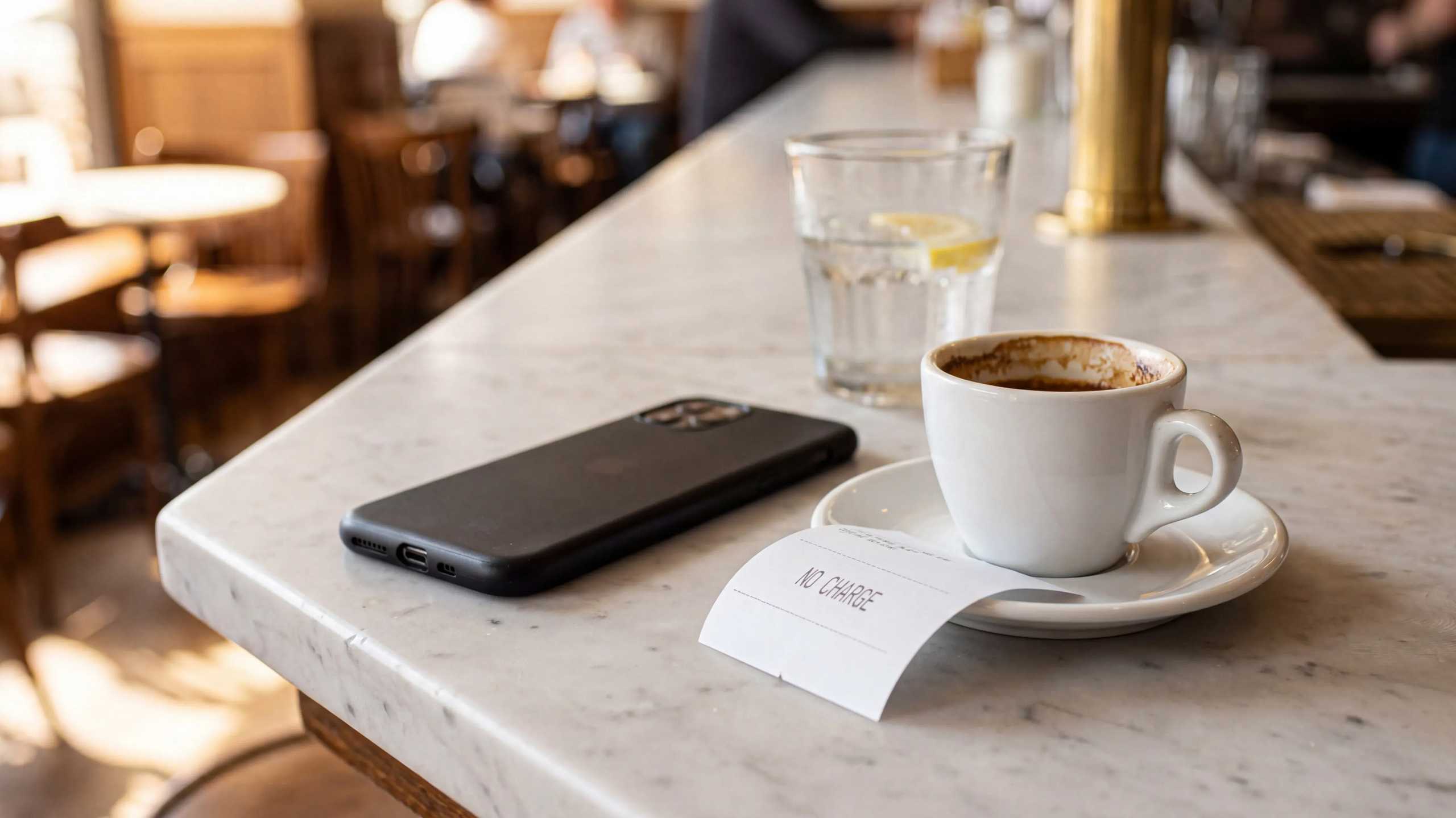
Tuyo garnered lots of attention on X with its post saying, “We created a card that sometimes doesn’t charge you.” It also advertised the “Buy Now, Pay Maybe” slogan.
At its core, the card’s promise is simple. When you buy anything with Tuyo, you might not get charged. Those two italicized words are doing a lot of work. It appears legitimate in that Tuyo might, at its sole discretion, remove all or part of a given charge to the card.
None of this is guaranteed. The Tuyo Terms confirm that the “Buy Now, Pay Maybe” angle is mostly a marketing gimmick. That doesn’t mean it’s fake, but it does mean that Tuyo remains in complete control. Any removed charges (be they partial or full) are entirely at Tuyo’s discretion. In essence, Tuyo chooses if and when to remove charges. The seller still gets the full price, but Tuyo steps in to take the charge.
This framing paints an interesting picture. Tuyo isn’t offering a randomized sweepstakes in which some charges get randomly removed. The company explicitly states that it makes no promise that any particular transaction (or any transaction at all) will get slashed.
Further, there are no published odds and no behavior-based triggers that kick the BNPM mechanic into gear.
The bottom line? You might get the occasional charge removed, but this is less like a rewards program and more like a marketing tool.
What Else Does Tuyo Do?
Tuyo isn’t just a financial company with a gambling-adjacent marketing campaign. It’s also firmly entrenched in the cryptocurrency space, which is already tied to gambling in many other ways. The debit card uses USDC, and any funds are held in an “Earn” strategy unless you choose a different option.
Tuyo also offers global transfers, up to 11% APY on crypto (variable), and support on various cryptocurrency networks.
If you’re already interested in cryptocurrency and you like the idea of the BNPM marketing schtick, Tuyo may be worth a look.
Random Rewards And Psychology
Tuyo’s novel approach is rooted in gamification and gambling psychology. The potential for a future “payout” in the form of a comped charge can scratch the same itch as a slot machine spinning the reels.
However, some have raised concerns about Tuyo’s approach. Because the card is tied directly to personal finances, one critic worries that it can encourage excessive spending in the hopes of getting a charge removed. Tuyo warns against this very practice, but there’s no guarantee every user will see that warning or heed it.
Tuyo even includes a simple disclaimer: “Don’t rely on [BNPM] or change spending habits.” It rings similar bells to traditional responsible gambling messaging.
How The House Wins
In gambling, we know the house always wins. This situation, though not strictly gambling, is the same. Casinos just need volume to make money, even if one player wins big.
Tuyo isn’t a casino, but it borrows elements from the casino floor, as we’ve explored above. While the “pay maybe” potential is very real, the surrounding behavior reveals more of the Tuyo edge. While the company doesn’t charge any monthly or annual fees, there are cryptocurrency trading fees and network-congestion charges during high-volume times. Tuyo also takes a 10% cut on returns from any Earn strategy payoffs.
These things aren’t avoidable; they’re baked into the Tuyo structure. It’s a cryptocurrency card, so you are subject to fees when you use it in the hopes of getting a BNPM charge removed. Those fees may not hit every card swipe, especially if you’re only spending in USD. But they show how Tuyo can still build a business around the ecosystem surrounding the card.
Comparing To Other Credit and Debit Cards
One could argue that traditional credit/debit cards have similar gambling mechanics. That’s true to a degree, but those types of services typically have guaranteed reward rates.
How Tuyo Compares to Debit and Credit Cards
| Financial Tool | Gambling-like | The "Vig" (Cost) | Payoff Potential |
|---|---|---|---|
| Tuyo Card | Purchases might be covered; no published odds or probability | Crypto trading fees, performance fees | High surprise factor but no guaranteed rewards |
| Credit Cards | Spending to chase points, limited time offers | Interest and fees | Predictable rewards if paid in full |
| Debit Cards | Minima | Account fees, overdraft fees | Stability over upside |
The Finance and Gambling Convergence
The middle section of the Fintech and Gambling Venn Diagram is getting bigger and bigger. Prediction markets are the most obvious example, allowing players to trade on predicted outcomes but never branding it as “betting.” Tuyo is just the latest link in the chain, fusing gambling mechanics with financial services to capitalize on the psychological feelings that drive players.
There’s also the question of regulation. Tuyo seems to have its processes buttoned up from a legal perspective. The Buy Now, Pay Maybe gimmick is at the company’s sole discretion. It doesn't quite reach into gambling territory. If it were a randomly selected reward or a sweepstakes-style promotion, that would change things significantly.
Conclusion: Is Tuyo Legit And Would I Sign Up?
Based on my research, Tuyo appears legitimate. It offers a crypto-based card with occasional chances of having charges covered. That’s a nice hook, and the terms lay out how everything works with crystal-level clarity.
Whether I would sign up for a Tuyo card is a different question entirely, and the short answer is no. Not because I don’t like the idea, but because it essentially comes with prerequisites. I’m not invested in the cryptocurrency ecosystem. I’m not looking to upend my financial structures to join in. Plus, the BNPM mechanic is far less interesting to me than a locked-in rewards rate with other debit and credit providers. I’ll keep my gambling to the casino.
Cole Rush is a freelance writer, crossword constructor, and creative tinkerer with more than 10 years of experience writing about anything and everything. Cole’s primary area of expertise is the gambling industry, covering the expansion of sportsbooks and online casinos alongside emerging spaces like sweepstakes casinos and prediction markets.
More Articles like this
Why Hobbies Are Good for You (Even Watching Sports)
Research links hobbies to better mood, sharper thinking, and lower disease risk. Even rooting for a team can help, as long as the benefit comes from the community and not just the scoreboard.

By Cole Rush
Is Sitting as Bad as Smoking? Not Even Close
We've all heard that sitting is the new smoking. But while spending too much time on the couch carries genuine health risks, the science behind this alarming comparison tells a very different story.

By Stuart Hughes
Seven Ways Your Brain Tricks You Into Taking Risks
From chasing losses to trusting AI predictions, science reveals seven mental traps that can make risky decisions feel surprisingly reasonable.

By Stuart Hughes
From Creatine to Collagen: Which Supplements Actually Work?
From bigger muscles and healthier skin to getting a better night's sleep, wellness supplement advertising promises the world, but is the marketing department spinning scientific facts?

By Stuart Hughes
The 5 Craziest Wellness Trends People Once Swore By
Beauty is pain, or so the saying goes. Throw in the promise of a shortcut, and people will listen. Some of the wellness trends that caught on, though, were wild even by the standards of their own time.
.webp)
By Charlon Muscat
Time to Wake Up: 8 Hours of Sleep Isn't a Magic Number
For years, eight hours has been drilled into us as the perfect night's kip. Turns out, the sleep doctors think there's more to getting a good night's sleep than just clocking up the hours.

By Stuart Hughes