
Do You Really Need Eight Glasses of Water a Day?
The eight-glasses-a-day rule may be one of wellness’s greatest games of telephone. Somewhere between the science and the advice we all memorized, one pretty important detail disappeared. And chances are, your body never needed you to keep count in the first place.

Wellness loves a number you can hit before bed. Ten thousand steps became the daily target, and hydration got eight glasses. Only, bodies don’t all follow the same schedule. A healthy adult working from home and another spending the afternoon walking around town can have very different fluid needs. So how much water is needed per day — and does all of it have to come from what we drink?
The science behind daily water needs
A July 31 Inc. report went back to a large peer-reviewed study and put the old eight-glasses-a-day question to hydration researchers. Their answer was nowhere near as fixed as 64 ounces. Body size matters, fitness too, and then you’ve got activity, environment, sweat rate, and medical circumstances changing what each person needs. For an ordinary day, Duke University professor Herman Pontzer cut through all of that with six words. “If you’re thirsty, drink.”
The underlying study, published in Science in 2022, tracked water turnover in 5,604 people across 23 countries, from infants just 8 days old to adults aged 96. Researchers used isotope tracing to measure how quickly water moved through the body. The results varied with age, body composition, physical activity, athletic status, pregnancy, climate, altitude, humidity, and a country’s level of development.
And the numbers covered a huge range. Daily totals ran from roughly 1 to 1.5 liters on the lower side to around 6 liters near the top, with a few people nearing 10. Such figures also counted water from food and other sources, so the researchers cautioned against treating them as a guide for how much someone should drink each day.

The famous rule may come from a missing sentence
Nobody has found a clean birth certificate for “8 x 8.” One likely source, identified by Dartmouth kidney specialist Heinz Valtin, goes back to a 1945 Food and Nutrition Board recommendation. Adults should drink about 2.5 liters a day, it said, or roughly 1 milliliter for every calorie eaten. That was already more than eight 8-ounce glasses. And then came the part that tends to get lost; much of the total was expected to come from prepared food.
By 2002, Valtin had gone through the medical literature looking for evidence that every healthy adult needed eight glasses of plain water a day. He came up empty. And the people he was talking about, mostly sedentary adults in temperate climates. Endurance athletes, outdoor workers, patients given a fluid target for medical reasons — those were different cases. Somewhere along the way, though, the public version lost all those qualifiers and kept the one-size-fits-all number.
Eight glasses counts the wrong thing
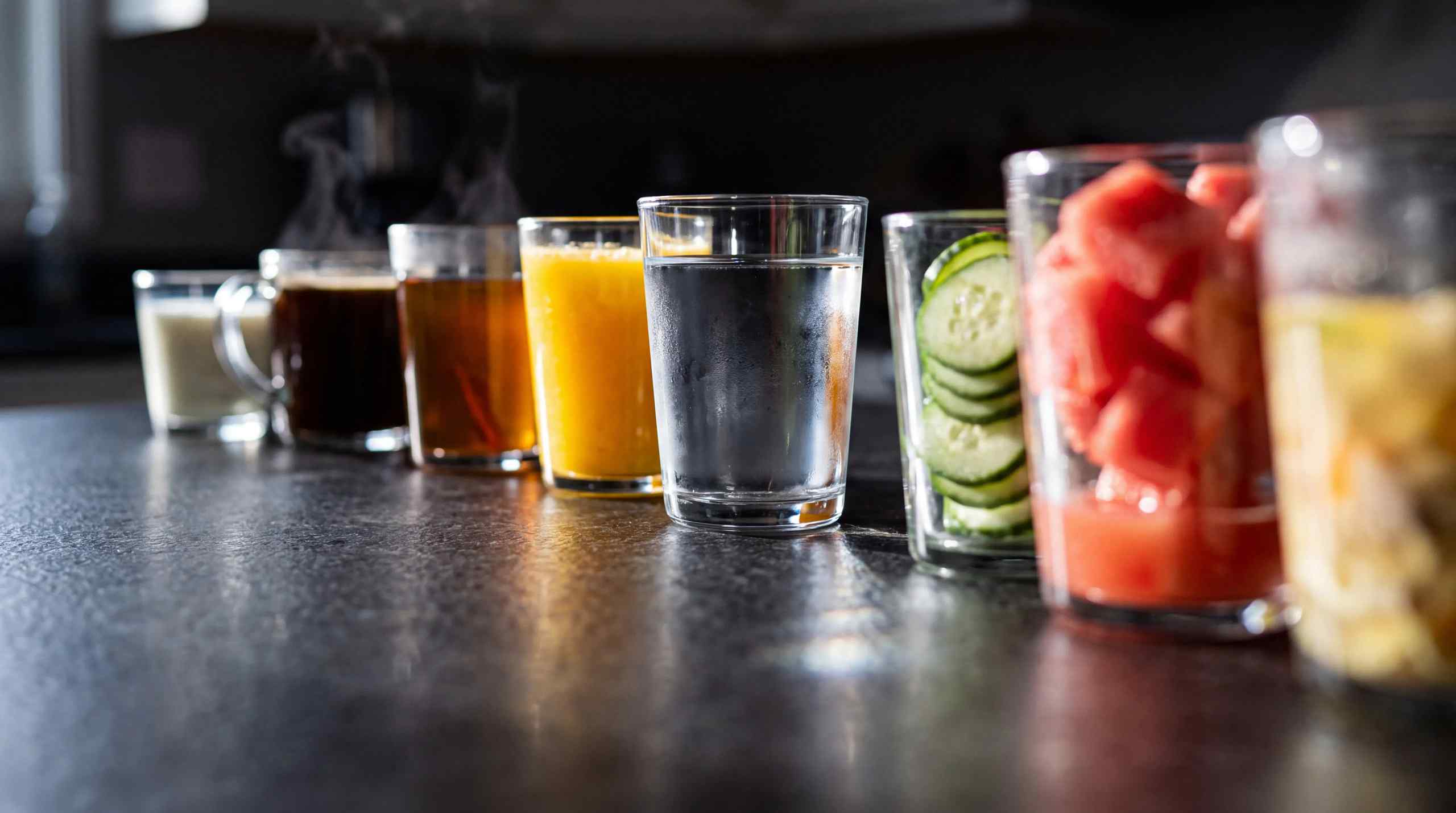
Current U.S. reference figures also resist conversion into a plain-water quota. The National Academies' Dietary Reference Intakes set Adequate Intakes (AI) for total water, meaning what you drink from the tap, every other beverage, and food. The figures are based on what generally well-hydrated Americans were already consuming, so they work as broad reference points, not a daily number for any one person.
Daily Hydration Needs Estimate
| Benchmark | Approximate daily amount | What is included |
|---|---|---|
| “8 x 8” rule | 1.9 L | Plain water only |
| Adult women, 19+ | 2.7 L | About 2.2 L from beverages and 0.5 L from food |
| Adult men, 19+ | 3.7 L | About 3.0 L from beverages and 0.7 L from food |
| Pregnancy | 3.0 L | About 2.3 L from beverages and 0.7 L from food |
| Lactation | 3.8 L | About 3.1 L from beverages and 0.7 L from food |
Researchers use Adequate Intake when the evidence can’t support an Estimated Average Requirement and, from there, a Recommended Dietary Allowance. The report explicitly notes that healthy people can maintain normal hydration across very different amounts and may face no added risk below that figure.
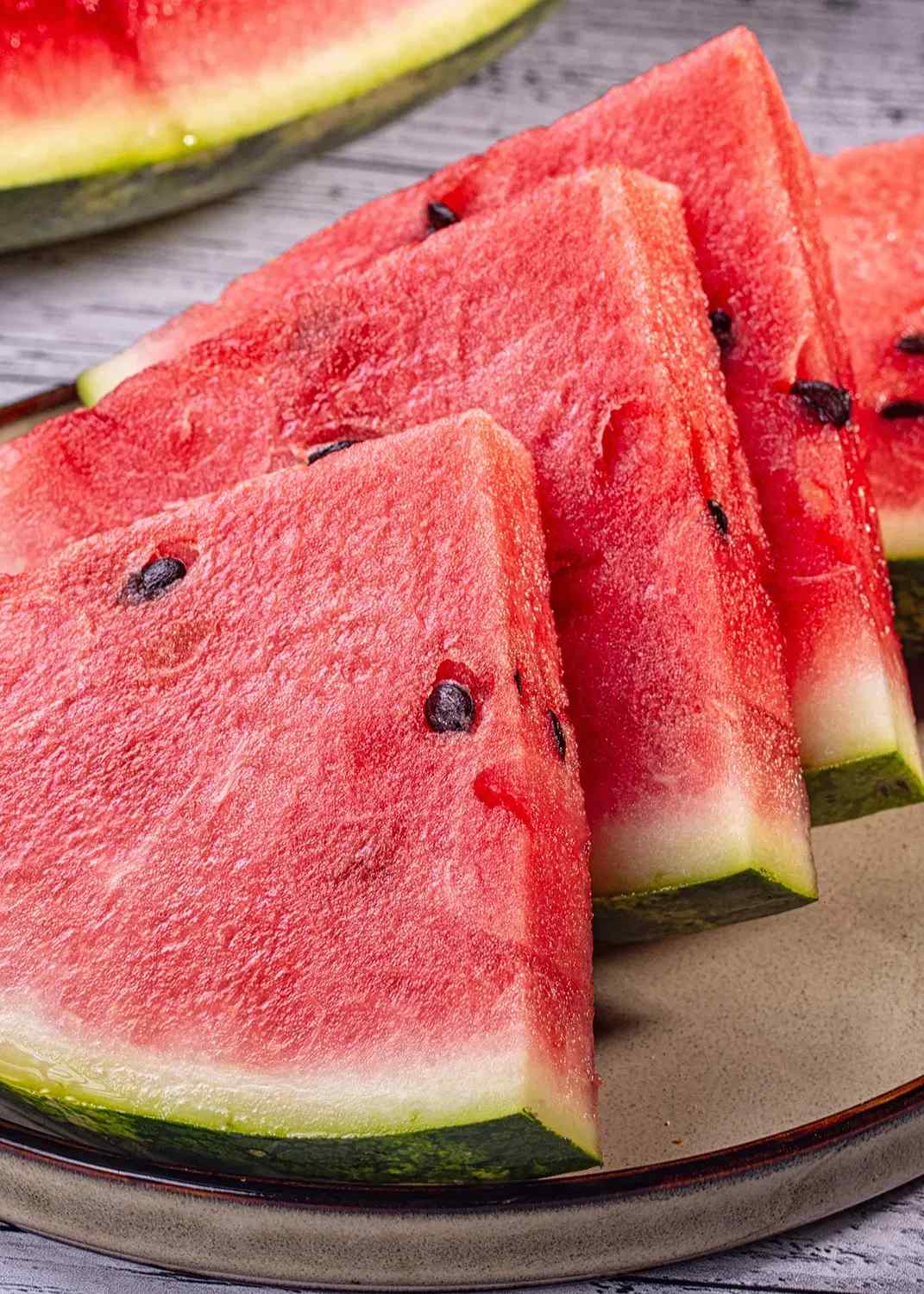
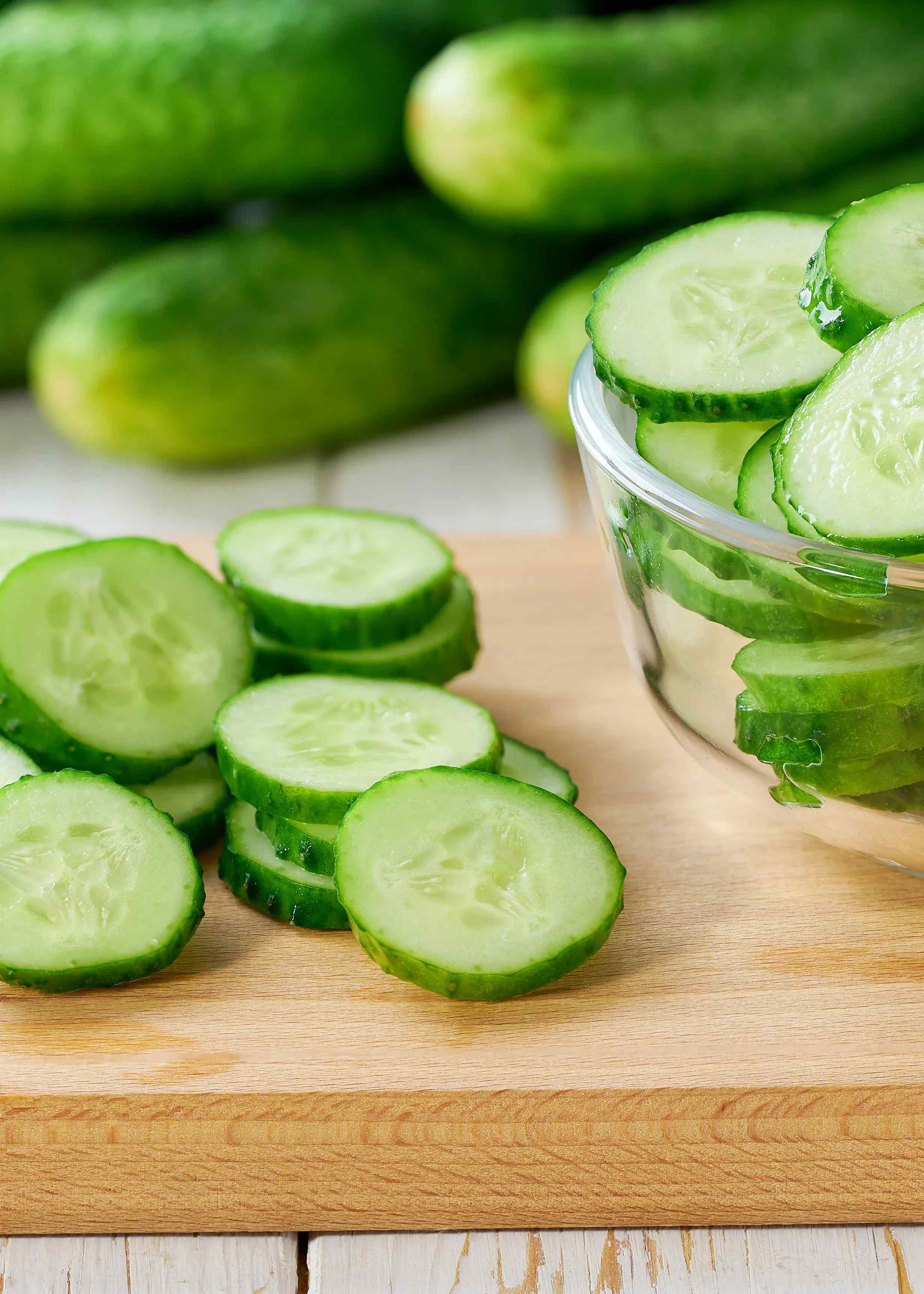
What you eat gets in on it too, with about 19% of adult intake in the survey behind those numbers coming from food. Tea, milk, soup, fruit and vegetables all count, and for the caffeine crowd, the mild diuretic effect doesn’t cancel out the fluid in a normal serving. The table below gives a rough idea of how much some everyday foods and drinks can provide on their own.
Other Sources of Hydration
| Food or drink | Example serving | Approx. water provided |
|---|---|---|
| Brewed coffee or tea | 8 fl oz cup | ~236 mL |
| Whole milk | 1 cup | ~215 mL |
| Chicken noodle soup, prepared | 1 cup | ~234 mL |
| Apple, with skin | 1 medium | ~156 mL |
| Orange | 1 medium | ~114 mL |
| Strawberries | 1 cup, halves | ~138 mL |
| Watermelon | 1 cup, diced | ~139 mL |
| Cucumber, with peel | 1/2 cup, sliced | ~50 mL |
| Tomato | 1 medium | ~116 mL |
| Lettuce, shredded | 1 cup | ~45 mL |
Source: U.S. Department of Agriculture, FoodData Central. Amounts are approximate and based on standard serving sizes.
Thirst works until conditions change
For the average healthy adult going through an ordinary day, thirst is not evidence that the body has already failed. The National Academies says that responding to it, along with what people normally drink at meals, generally keeps hydration on track.
A quick reality check is urine that’s pale yellow, though crystal clear doesn’t automatically mean everything is perfect. At the same time, color alone may be misleading too, since food, vitamins, and medication can affect it. But darker urine, going less often, dry mouth, dizziness, or unusual fatigue, I’d pay attention to those as well.
I specifically said “ordinary day” above because planning how to stay reasonably healthy and functional during a Las Vegas trip is a very different proposition from spending an afternoon behind a desk in the AC. The same goes for the morning after, which is why hydration often makes an appearance in any discussion of the best hangover cures. A hard workout, hot weather, fever, vomiting, or diarrhea can all raise fluid needs, while some prolonged activities require attention to sodium alongside water.
Thirst also becomes a less reliable solo guide for some older adults, young children, and people with dementia or certain brain injuries. In hot weather, the CDC tells adults 65 and older not to wait for it. Some medical conditions and medications can push advice the other way, making a clinician’s target the one to follow.

More water is not automatically better
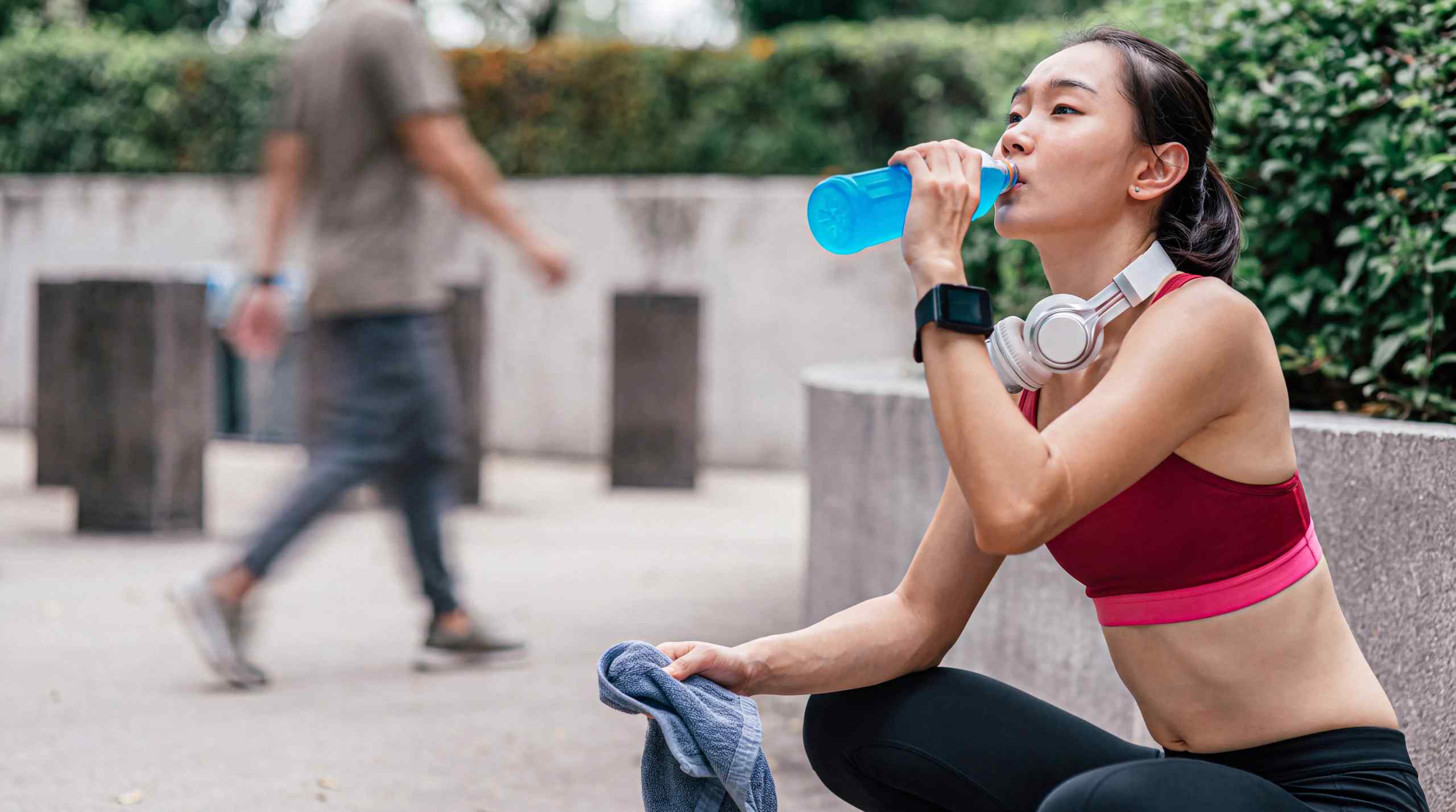
Healthy kidneys can easily dispose of extra water, which is one reason the National Academies did not establish a general upper limit. Problems start when fluid comes in faster than the body can clear it. Or if a medical condition interferes with that process. Severe cases can cause confusion, seizures, brain swelling, and, at the extreme, even death.
As you can expect, this is quite uncommon, and an extra glass with dinner is not what I'm talking about here. Exercise-associated hyponatremia usually shows up after prolonged activity when someone drinks beyond what they’ve lost, sometimes while elevated vasopressin is also holding water in the body.
A better way to read the rule
For most healthy adults, eight glasses a day is harmless shorthand, and maybe useful for anyone who barely thinks about hydration. Trouble starts when the number gets treated like a hard floor. Pure water, coffee, meals, and other drinks all feed into the Adequate Intake total, so the day may already add up to more than expected. Of course, this is not to say beverage choice doesn’t matter. One drink may bring sugar, calories, alcohol, or preservatives that another doesn’t. But hydration per se goes beyond the glass. Your wider fitness and nutrition habits count just as much.
Charlon Muscat is an established iGaming expert who entered the space in 2019 and went on to build a name across both casino and sportsbook content.
More Articles like this
Hate the Gym? Try These Five Ways to Stay Active
Gyms aren’t for everyone, and that’s fine. From pickleball obsession to aerial silks, biking, bouldering, and rec leagues, here are five sweat-worthy alternatives that make exercise feel like fun, not a chore.

By Cole Rush
Would You Pay $2,000 for a Better Night’s Sleep?
Sleep tourism promises better rest through luxury rooms, weighted blankets, melatonin and expert programs. We examine what works and whether it is worth the cost.
By Lucie Turner
Life's A Gamble: Are Gym Memberships Just Bets On Your Future Self?
Every gym membership is a bet that future you shows up. We break down the real cost per visit, the hidden vig in your commute, and how to actually beat the house instead of quietly losing your monthly wager.
By Cole Rush
Five "Lazy" Exercises That Actually Work Better Than Gym Grind
Five deceptively simple exercises are redefining functional fitness by emphasizing natural movement patterns and joint preservation over muscle fatigue.
By Lucie Turner
Think You Need 10,000 Steps a Day? Science Says Otherwise
For decades, the daily 10,000-step goal has been hardwired into our brains, but the science behind the benefits of walking tells a very different story.
By Stuart Hughes
The Healthy Gambling Test: 5 Signs You're on the Right Track
Healthy gambling isn’t just about avoiding trouble. It’s about habits that keep it sustainable.
By Pat Evans


