

Apple's $3,199 iPhone Duo Is Even Pricier Than You Think
Apple's new $3,199 iPhone Duo is the priciest iPhone ever. But even after adjusting nearly two decades of Apple pricing for inflation, the size of the gap is surprising.
%20(1).webp)
Apple's new foldable iPhone Duo, which opens for preorder this week, starts at $1,999 for 256GB and climbs to $3,199 for the 2TB model, the highest sticker price Apple has ever put on an iPhone. Apple announced the Duo on September 9, 2026, alongside the iPhone 18 lineup. The Duo folds open like a book into a massive screen, which is 50% larger than the latest Pro's, and it goes on sale October 23.
Measuring by raw dollar value makes it easy to determine the most expensive iPhone ever. Adjust for inflation to get the real story. The purchasing power of a dollar has declined considerably since 2007, so the real question is whether the Duo still tops the list once every past flagship gets converted into today's dollars.
It does, and the size of the gap says more about Apple's pricing strategy than the sticker price alone ever could.
Where This Started: $599 in 2007
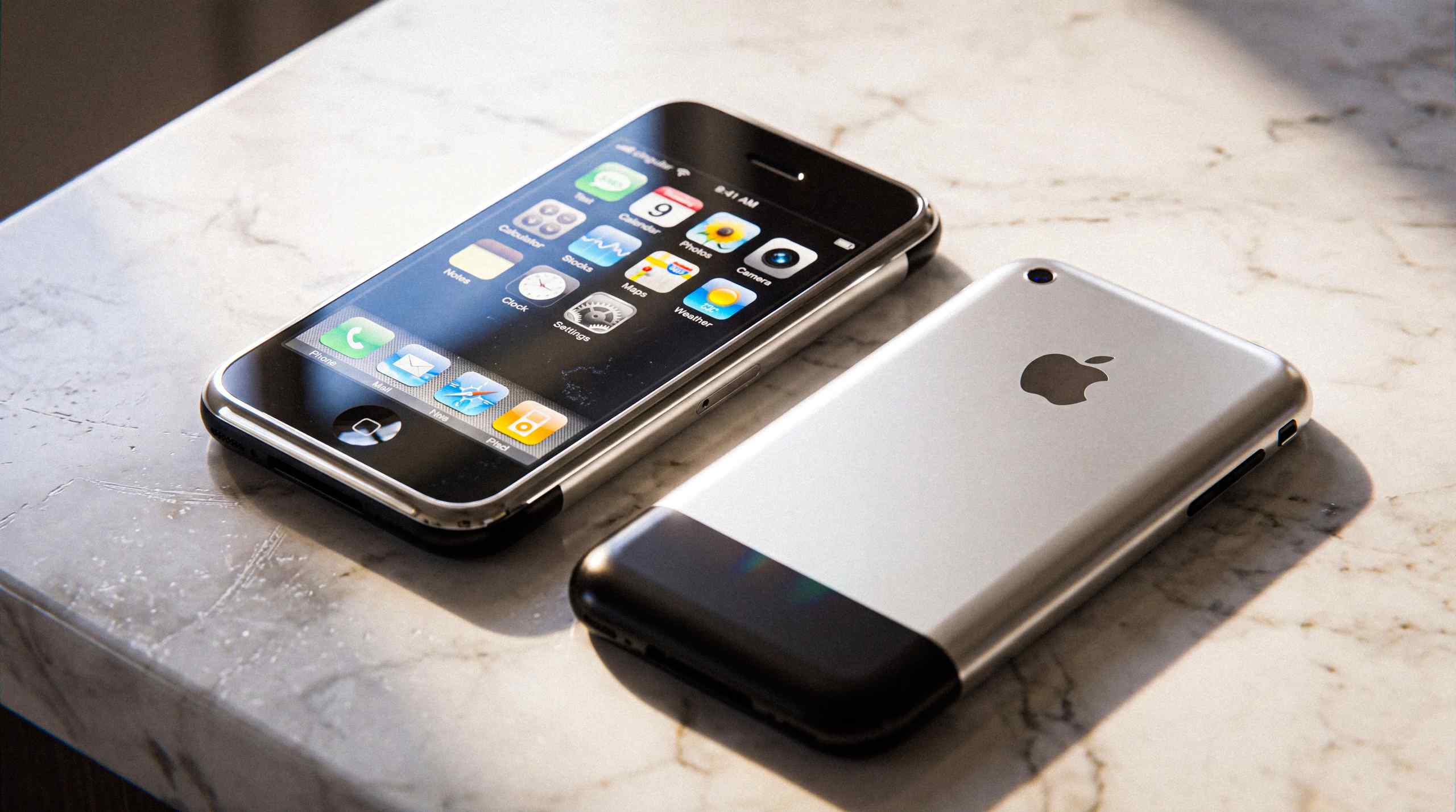
The original iPhone launched at $499 for 4GB and $599 for 8GB, sold through AT&T under a mandatory two-year contract. Using Bureau of Labor Statistics CPI data, that $599 top-tier model is worth roughly $959 in 2026 dollars, a real number, but nowhere close to flagship territory today. It's less than a base iPhone 17.
The Full Ranking, in 2026 Dollars
I tracked the highest-storage configuration available at launch for sixteen milestone iPhone models, from the original iPhone through the Duo, then converted every price into 2026 dollars using BLS CPI-U data (U.S. city average). This is device-only pricing with no benefits from carriers. The table is ranked by inflation-adjusted price, not release date.
Inflation-Adjusted Cost of iPhones Over the Years
| iPhone (Max Config.) | Launch Year | Launch Price | Price in 2026 Dollars |
|---|---|---|---|
| iPhone Duo, 2TB | 2026 | $3,199 | $3,199 |
| iPhone 18 Pro Max, 2TB | 2026 | $2,499 | $2,499 |
| iPhone 17 Pro Max, 2TB | 2025 | $1,999 | ~$2,059 |
| iPhone 13 Pro Max, 1TB | 2021 | $1,599 | ~$1,957 |
| iPhone XS Max, 512GB | 2018 | $1,449 | ~$1,914 |
| iPhone 11 Pro Max, 512GB | 2019 | $1,449 | ~$1,880 |
| iPhone 14 Pro Max, 1TB | 2022 | $1,599 | ~$1,812 |
| iPhone 12 Pro Max, 512GB | 2020 | $1,399 | ~$1,793 |
| iPhone 15 Pro Max, 1TB | 2023 | $1,599 | ~$1,741 |
| iPhone 16 Pro Max, 1TB | 2024 | $1,599 | ~$1,691 |
| iPhone X, 256GB | 2017 | $1,149 | ~$1,555 |
| iPhone 6 Plus, 128GB | 2014 | $949 | ~$1,331 |
| iPhone 5, 64GB | 2012 | $849 | ~$1,228 |
| iPhone 3G, 16GB | 2008 | $699 | ~$1,078 |
| iPhone 4, 32GB | 2010 | $699 | ~$1,064 |
| Original iPhone, 8GB | 2007 | $599 | ~$959 |
The Duo beats the second-place iPhone 18 Pro Max, which was announced the same day, by $700. No prior flagship launch has ever created that kind of gap within its own lineup.
The Real Surprise: 2021 Punches Above Its Release Date
Strip out the two 2026 models, and the ranking stops moving in a straight line. The 2021 iPhone 13 Pro Max, at $1,599 for its 1TB top tier, adjusts to roughly $1,957 in 2026 dollars, edging out the 2018 XS Max and 2019 11 Pro Max despite launching years later. The 2021-2022 inflation spike did that. A phone that felt like a modest price hold from the 12 Pro Max actually became one of the more expensive iPhones Apple has ever sold, once measured in adjusted dollars.
It also means Apple's Pro Max pricing was effectively flat to declining in real terms from 2018 through 2024. The 16 Pro Max, at an inflation-adjusted $1,691, actually cost less in real purchasing power than the six-year-older XS Max. Apple held sticker prices steady for years while inflation did the actual discounting. Then the 17 Pro Max, the 18 Pro Max, and the Duo broke that pattern in one fell swoop.
.webp)
Starting Price Tells a Different Story
Ranking by the cheapest available configuration changes the picture, since older phones packed less storage into their base models. On starting price alone, adjusted to 2026 dollars, the field is tighter. The iPhone X's $999 base becomes about $1,352, the iPhone XS Max's $1,099 entry becomes about $1,452, and the Duo's $1,999 floor still leads by roughly $550. The gap shrinks compared to the max-configuration comparison, but the Duo wins either way.
Storage Inflation Is Part of the Story
The original iPhone topped out at 8GB. The Duo tops out at 2TB, 25,000% more nominal storage. That alone doesn't account for a price that's roughly 3.3 times higher than the inflation-adjusted original, but it's a real factor worth considering. Apple ischarging more for a phone that does dramatically more. If you're trying to squeeze more life out of whatever you're carrying now instead of upgrading, these battery habits actually move the needle, unlike most of the folk wisdom passed around.
Is the Duo Still an iPhone, or a New Category?
At $1,999 to $3,199, the Duo sits in laptop price point territory. A MacBook Air starts at $1,299. The Duo's base price clears that by $700. Whether that's a "phone" anymore is a fair question, but not the one this piece set out to answer. The number is the story: even inflation, Apple's oldest and most reliable excuse for higher prices, can't explain the Duo. It's not an old flagship revalued into modern dollars. It's a new ceiling, and Bodog's tech desk will watch how the rest of the industry responds.
Methodology
Prices reflect official Apple U.S. launch pricing for the highest-storage configuration available at that model's release, sourced from Apple Newsroom and Apple's online store wherever available. Inflation adjustments use the Bureau of Labor Statistics CPI-U series (U.S. city average, all items, not seasonally adjusted), converting each launch-year annual average into 2026 dollars using the January-August 2026 average as the most current available reference point.
All prices reflect Apple's full, off-contract U.S. retail price at launch, not the discounted price offered with a mandatory two-year carrier contract. Several early models (the 3G, 4, 5 and 6 Plus) were widely advertised at a lower contract price, but Apple always listed a full-price, no-contract option alongside it, and that's the figure used here throughout for consistency.
Cole Rush is a freelance writer, crossword constructor, and creative tinkerer with more than 10 years of experience writing about anything and everything. Cole’s primary area of expertise is the gambling industry, covering the expansion of sportsbooks and online casinos alongside emerging spaces like sweepstakes casinos and prediction markets.
More Articles like this
Gambling Technology Trends: 5 Technologies That Changed the Industry
From RNGs and live dealer streaming to geolocation and AI, these gambling technology trends transformed the industry—and could help shape what comes next.
By Charlon Muscat
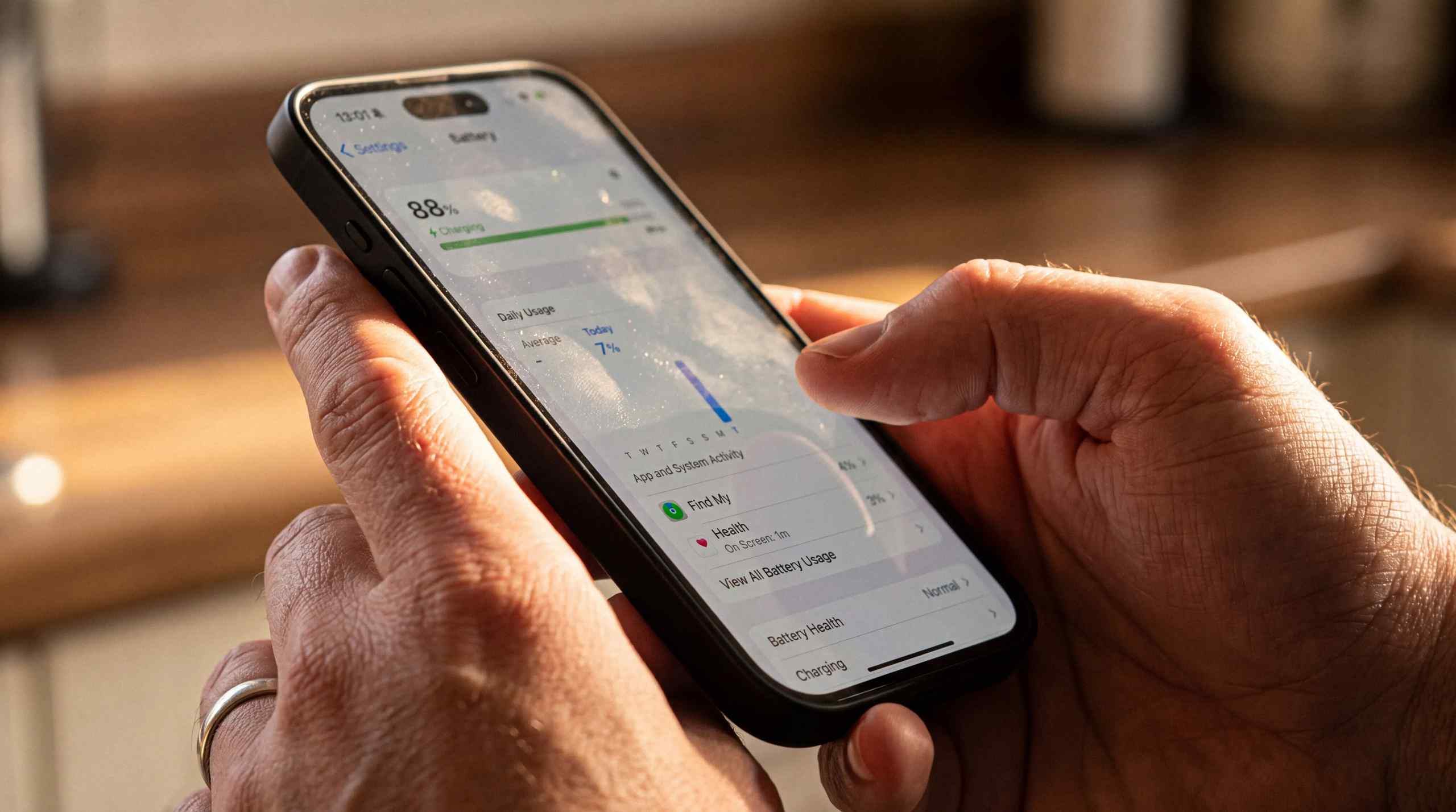
10 iPhone Battery Tips That Bust Common Battery Myths
Your iPhone can chew through battery even when nothing seems to be happening. Plenty of old-school tips barely help, while others kill the features you paid for in the first place.
By Charlon Muscat
Could GTA VI Bring Back Casinos? Here’s What We Know So Far
GTA VI has lottery signs and gambling references, but Rockstar hasn’t confirmed a casino. Here’s what the clues and GTA’s history tell us so far.

By Charlon Muscat
How Streamers and YouTubers Rewired Gambling Culture
Forget billboards. The gambling industry's most effective marketers are streamers who build parasocial relationships and promote affiliate codes. Here's how they work, why they work, and what it means for you.

By Cole Rush
Investing or Gambling? It's Harder to Tell Than Ever Before
Meme stocks, penny shares, and leveraged ETFs may all promise traders big paydays, but from the outside looking in, it’s still just gambling, isn’t it?
By Stuart Hughes
Can Apple's Siri AI Upgrade Win Over Sports Fans?
From prepping sports bets to keeping tabs on live score updates and stats, Apple's biggest Siri upgrade yet promises the world, but for sports fans and bettors, it's still far from perfect.

By Stuart Hughes