
Will the 2026 World Cup Change the Sports Paradigm in the USA?
Soccer has flirted with the mainstream in the US for decades. The biggest World Cup ever may determine whether it finally stays there.
.webp)
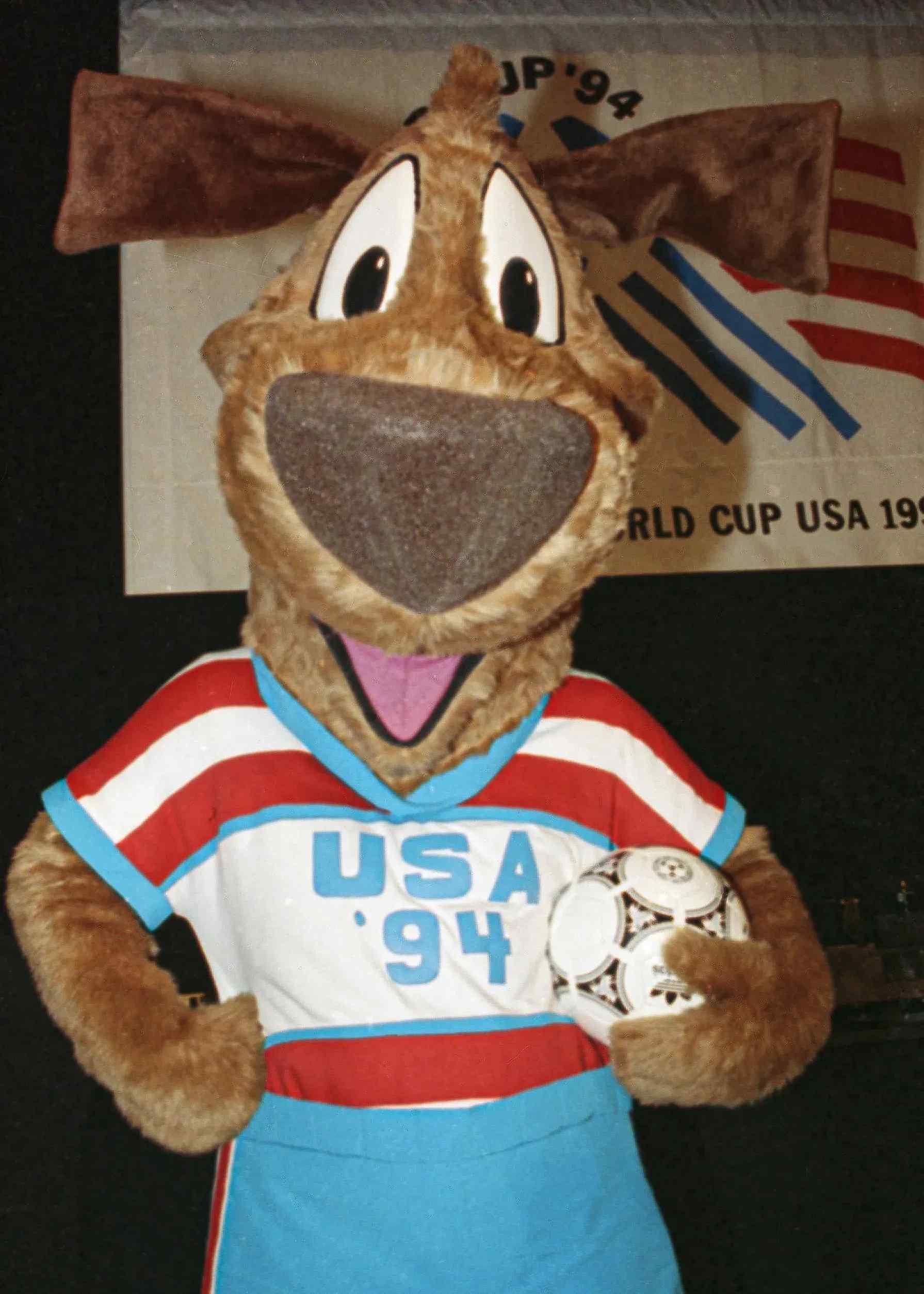
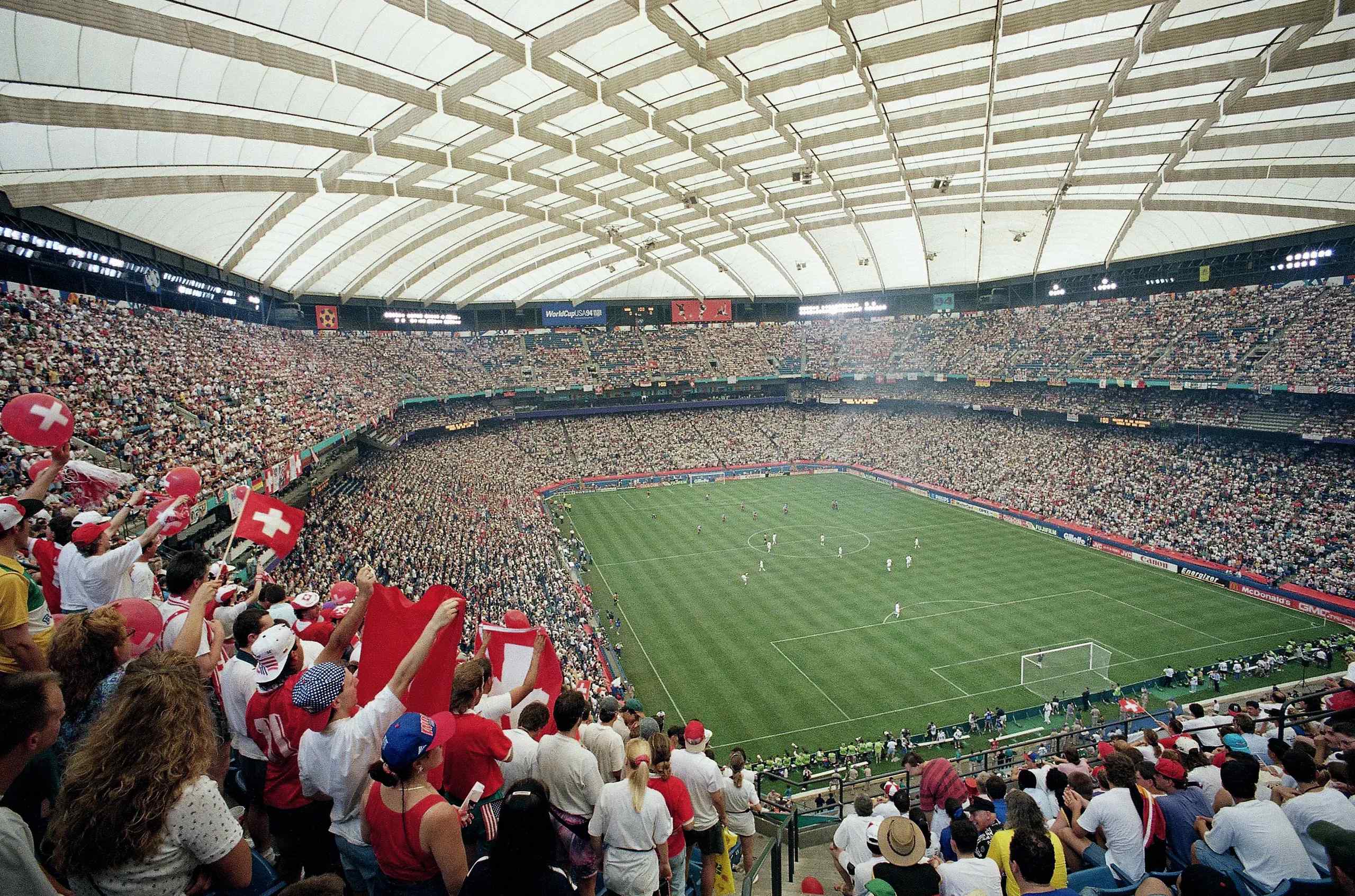
In the summer of '94, the US hosted a hugely successful World Cup that filled massive NFL stadiums and brought a generation into contact with the beautiful game.
The arrival of stars such as Pelé and David Beckham, along with rising ratings in 2014, ignited interest in America and made soccer a household name.
Lionel Messi's signing with Inter Miami in the summer of 2022 and the streaming comedy Ted Lasso, creating a newfound interest in the Premier League, only added to this momentum.
But every time another event has generated interest, soccer has been able to define itself as or be pigeonholed into a niche or background niche/sport.
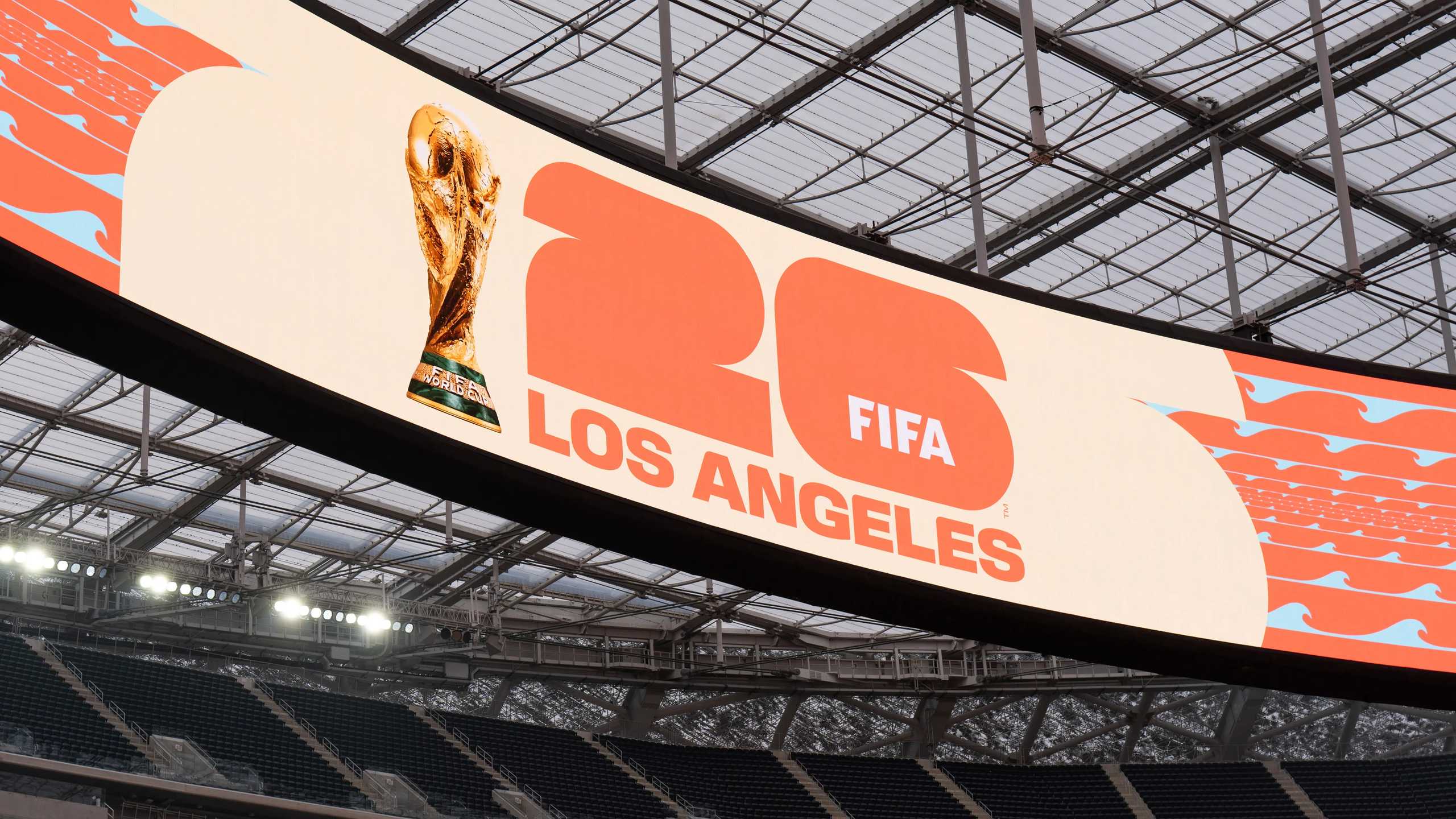
The World Cup of 2026 is upon us!
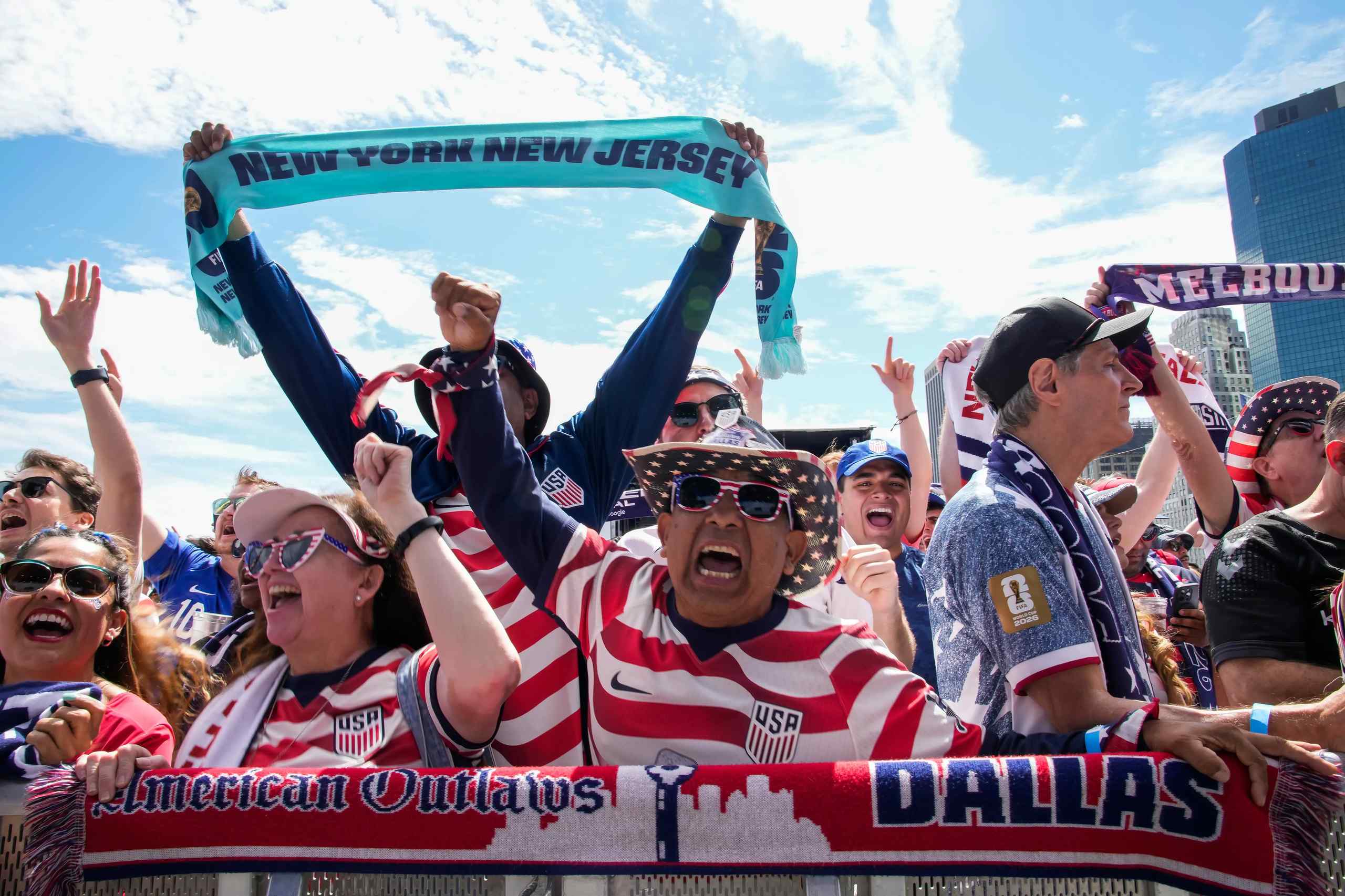
The largest edition of all time, featuring 48 teams and 104 games played in 16 cities throughout North America, begins in a matter of weeks.
The question that has surrounded this tournament for years is whether this will mark a true turning point that will elevate soccer in the United States, or will we once again find ourselves with expectations that are not aligned with reality?
Why 2026 feels different somehow
There is significantly more foundation for this generation of fandom than previously. The soccer demographic has transformed completely since the last generation of fans.
More than half of all soccer enthusiasts now fall into the 18-34 age demographic, and interest in that demographic has increased by almost 100% since 2022.
For Gen Z, fandom is driven by seeing athletes as part of their overall identity, not as part of their team. They will consume this sport through various methods: social media clips, podcasts, and creators.
Second screens are used by 86% of millennial soccer fans while they are watching. In 2025, viewers in the US spent nearly 80 billion minutes watching soccer alone. They watched the Premier League grow up streaming, fell in love with the European clubs, and now watch Messi drive MLS to another level. This is not about converting the public; it is about feeding an existing passion!
The optimist’s case: soccer has already arrived
Instead of questioning whether or not soccer is important, optimists will now begin to speculate about how far it can go. If you consider the value you see, there is approximately $23 billion across all MLS franchises, with each franchise averaging $67 million in value.
Soccer has massive media value and is also a major draw for gambling. The 2025 MLS Cup drew 4.6 million viewers, and over 70% of the audience was younger than 45.
The ecosystem is larger, too. It is estimated that the World Cup will generate approximately $17 billion for the US economy and approximately 185,000 jobs; therefore, sportsbooks are marketing soccer very aggressively.
Expected total World Cup wagers by Americans will exceed $3 billion, making it possible that soccer's handle will exceed that of the Super Bowl for the first time.
Sports betting is no longer a fringe activity as it was in the 1990s; it now has a large and mainstream economic impact.
The skeptic’s warning: why momentum could stall
Opponents point to history and the competitive pressures of the American sports market as reasons they believe there could be another bubble.
People say that American sports have seen bubbles historically - one example being the bubble created by the 1994 World Cup; another example is the bubble created by the growth of interest in Major League Soccer, due to David Beckham.
However, both of those hype "bubbles" lasted for a year or two after their initial creation. Historically, star players or single events have not been effective at elevating sports to the same level as more established sports, such as football, basketball, and baseball, which have traditions dating back over 100 years.
The increase in attendance brought on by Messi's presence eventually declined in 2025, demonstrating that global superstars only result in short-term increases in the number of fans drawn to the stadium to watch live soccer games. Americans still enjoy watching the EPL and La Liga more than they do MLS domestically.
According to historical evidence, a successful World Cup does not guarantee that its success will translate into permanent domestic fan habits, nor will there be a large number of new casual fans watching or attending MLS.
What a true breakthrough would actually look like
So what would true and sustained success look like? It will not be an instant explosion; it will not be soccer supplanting football or basketball, that's a fantasy; the greatest change would be far less ostentatious; it will be the formal establishment of soccer as a legitimate premier sports commodity.
More precisely, we would witness consistent, multi-year increases in MLS attendance instead of just a World Cup blip. We would see higher domestic TV ratings during the regular season than during playoff matches or the finals.
We would also witness American prospects being sold off to Europe while still in their absolute peak before eventually returning for the big bucks. MLS betting volumes would officially surpass the betting volumes for the European leagues. Youth development systems would boom, retaining domestic prospects well into their teenage years rather than shipping them off to Europe at age 16.
The most important change would be cultural: soccer finding a home in the typical American sporting discourse, discussed on radio shows on equal footing with the NFL, argued over in barbershops with the same knowledgeability applied to March Madness. That is the bar. Not dominance. Persistence.
The gambling, media, and business opportunity
The modern sports economy is far more global than during previous American soccer booms. Sportsbooks have poured money into the World Cup as if it were their Super Bowl, with legal wagering projected to exceed $3 billion.
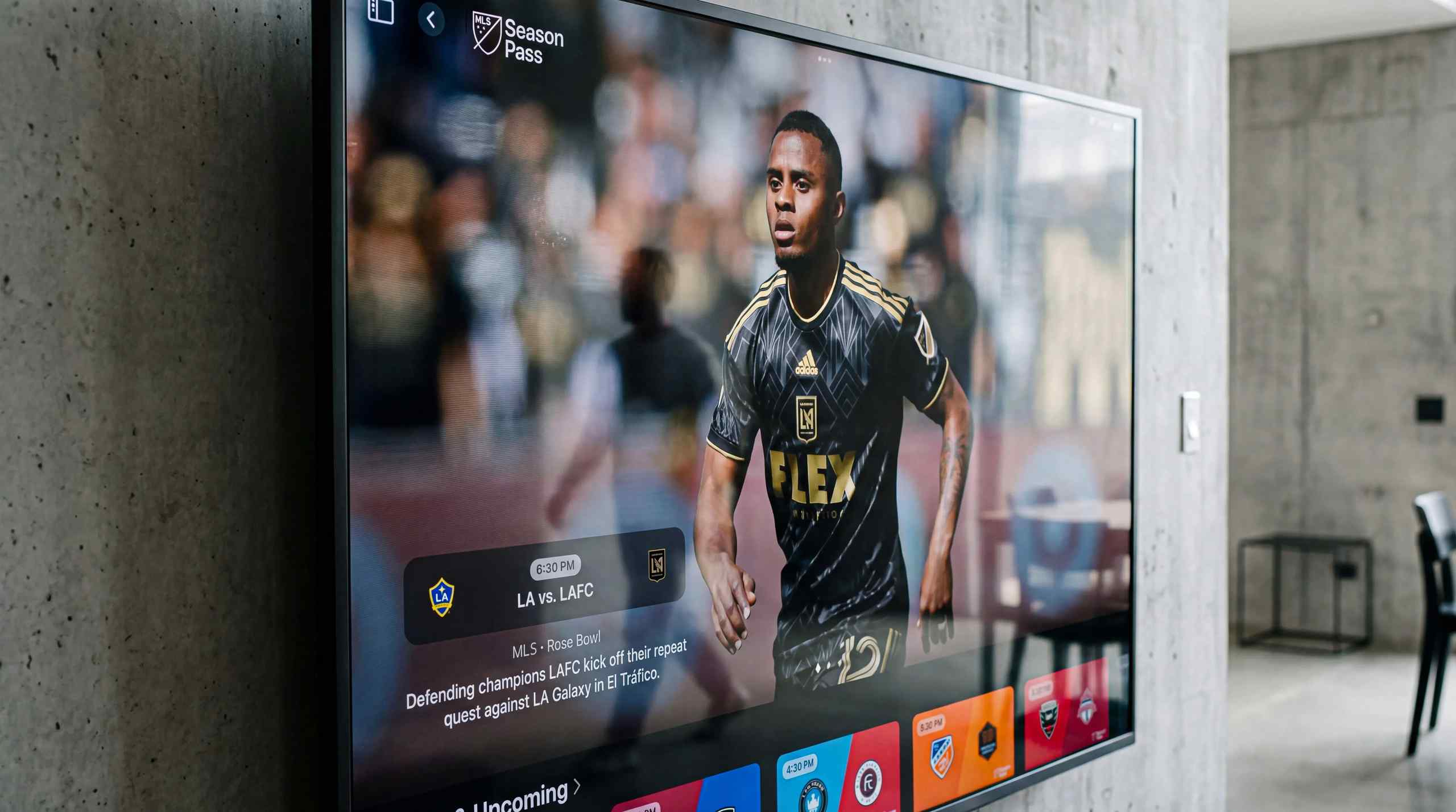
Streaming services are paying big bucks for soccer rights, targeting younger, cord-cutting consumers. It's a real crossover audience; you have to think that the same person who bets on a World Cup group stage game will be watching an MLS match next week.
Creator culture and social media are organically cultivating soccer communities away from the television screen. Sports bars have adopted early-morning EPL games as a way to generate predictable income.
The increase in soccer may owe as much to media and gambling as to the sport; this surge may be here to stay, given the widespread and far deeper interests in making money.
What could determine the tournament’s legacy
2026 has several factors that will determine whether it is a turning point. How well Team USA does is relevant; a long run generates interest from the periphery, while another early exit quickly dissipates all enthusiasm. But the most important factor is likely the emergence of new heroes like Balogun and Pepi, who are scoring vital goals during primetime.
Iconic viral moments such as fantastic saves or awe-inspiring goals can spread like wildfire. The transformation of culture in tournament soccer occurs through emotion, before business.
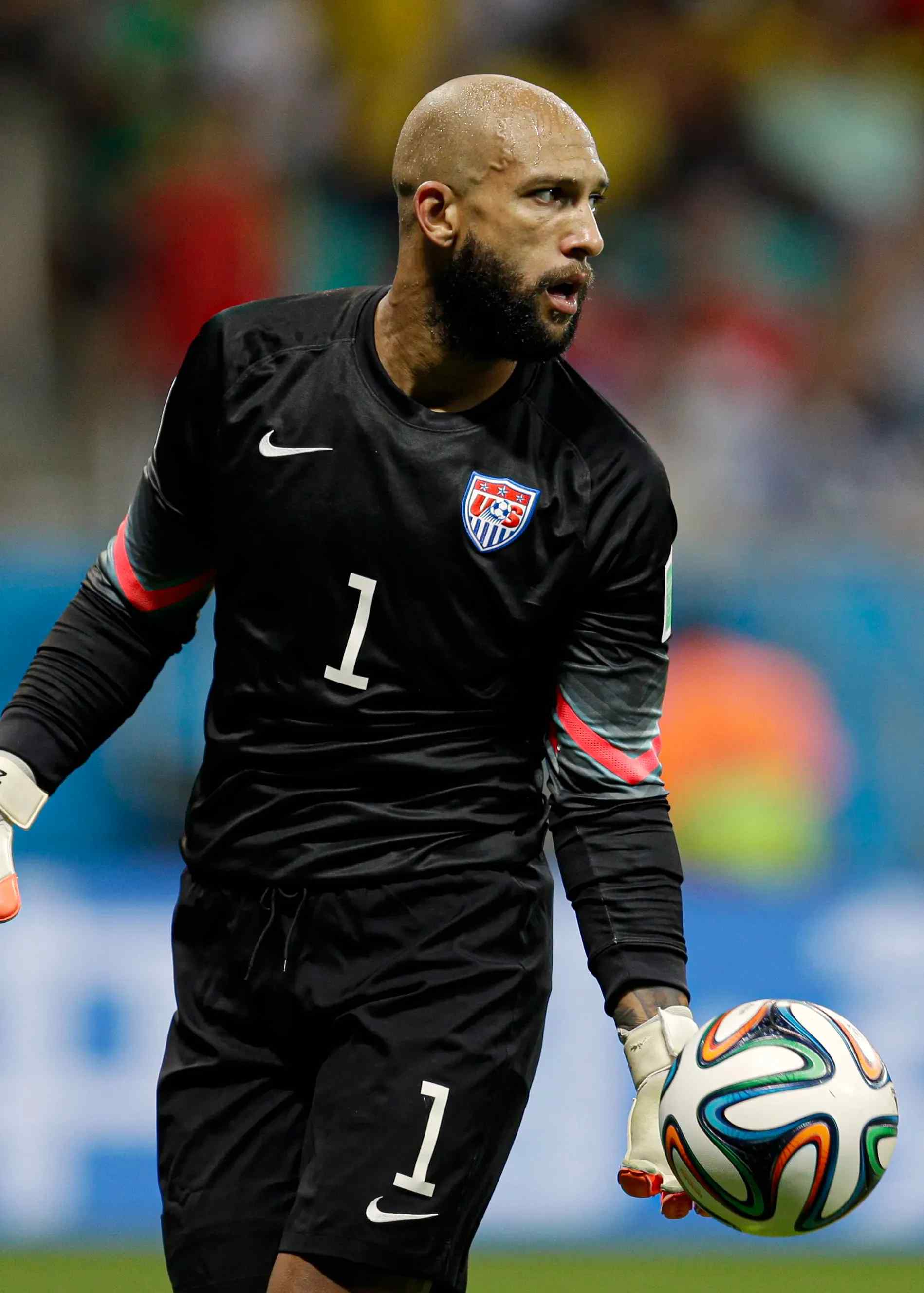
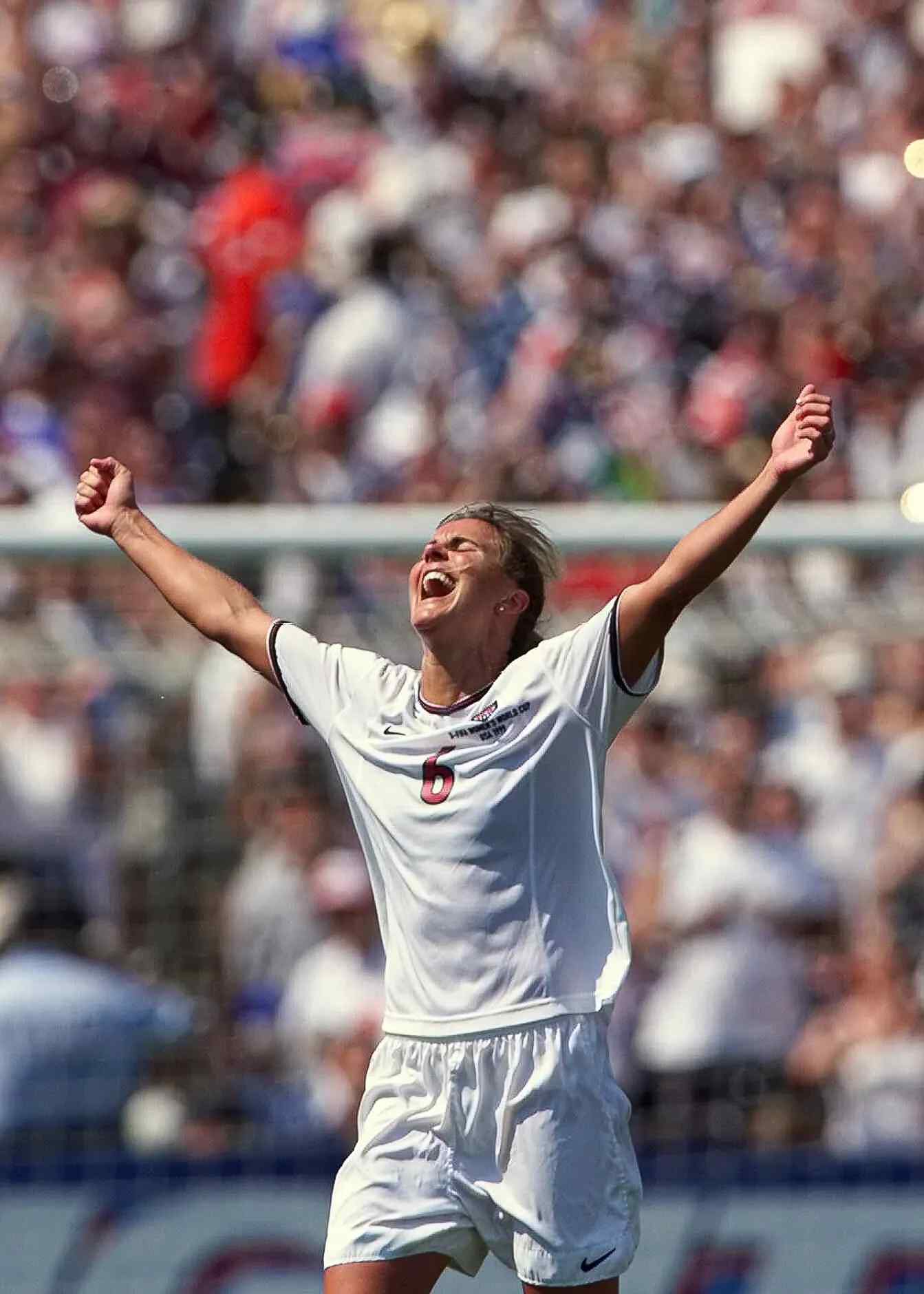
Brandi Chastain's iconic goal celebration at the 1999 Women's World Cup and Tim Howard's spectacular saves in 2014 were defining moments.
2026 needs to have an iconic moment of its own.
The final whistle
The 2026 FIFA World Cup might be the best chance for soccer to succeed in America. A younger demographic is being targeted through this event; the media outlets have also updated their visual presentation to support the game and attract a wider audience. Fiscal incentives to encourage the development of soccer are present.
While soccer does receive an evaluation in 2023, the true value of this event will be determined by how long Major League Soccer's attendance remains steady, by measuring any television audience increase, and by determining if children who witness this tournament develop a passion for soccer and continue to play.
Soccer no longer needs to replace traditional American sports to become massively influential. It only needs to become permanent.
The 2026 World Cup is the most important test of that proposition in a generation, and in just a few weeks, we will begin to find out the answer.
Lucie brings almost 20 years of iGaming experience, combining sports writing expertise with deep casino knowledge. Her work spans live sports coverage, slot mechanics, player-focused reviews, and strategic casino content. Known for her no-nonsense, first-hand approach, Lucie cuts through jargon to deliver clear, practical insights for both operators and players.
More Articles like this
Which Sports Punish Losing Teams the Most?
From a punishing relegation to first draft pick optimism, discover which sporting leagues have the highest penalties for a losing season and those that feel comparatively lenient.
By Stuart Hughes
MLB Playoff Byes Aren't the Advantage You Might Think
Since baseball went to its current 12-team playoff format, the results show that bye teams only hold a slight Division Series advantage over Wild Card winners.

By Bill Gelman
McKenna, Martone Lead 5 NHL Rookies to Watch
Gavin McKenna and Porter Martone enter as the favorites, but a deep 2026-27 rookie class gives the Calder Trophy race plenty of potential challengers.
By Bill Gelman
Parlaymint Wants to Turn Parlays Into a Team Sport
Parlaymint turns the group parlay into a social sport, giving every bettor one pick, a share of the payout and potentially the entire bill if their leg is the only one that loses.
By Charlon Muscat
A Whole New X Game: Inside the XGL Winter League
X Games is no longer just about one weekend. XGL adds clubs, standings and a season-long title race, and now the format is heading to the snow.

By Charlon Muscat
Five Can't Miss Prospects Who Became Historic Draft Busts
A top-five draft pick can change a franchise. It can also become a spectacularly expensive mistake. These five highly touted prospects rank among the biggest draft busts in sports history.
By Bill Gelman